Used Excavator Shipping & Container Guide
In the high-stakes world of heavy machinery trade, the safe and cost-effective transport of assets is as critical as the mechanical inspection itself. Whether you are an importer in Lagos, a construction manager in Dubai, or a project lead in Sao Paulo, understanding the logistical nuances of moving massive earthmovers is essential. This Used Excavator Shipping & Container Guide provides a technical breakdown of the different maritime methods, cost-saving containerization techniques, and the rigorous lashing protocols required to protect your investment across 10,000 miles of ocean.
Choosing the Right Shipping Method: Container vs. RORO vs. Flat Rack
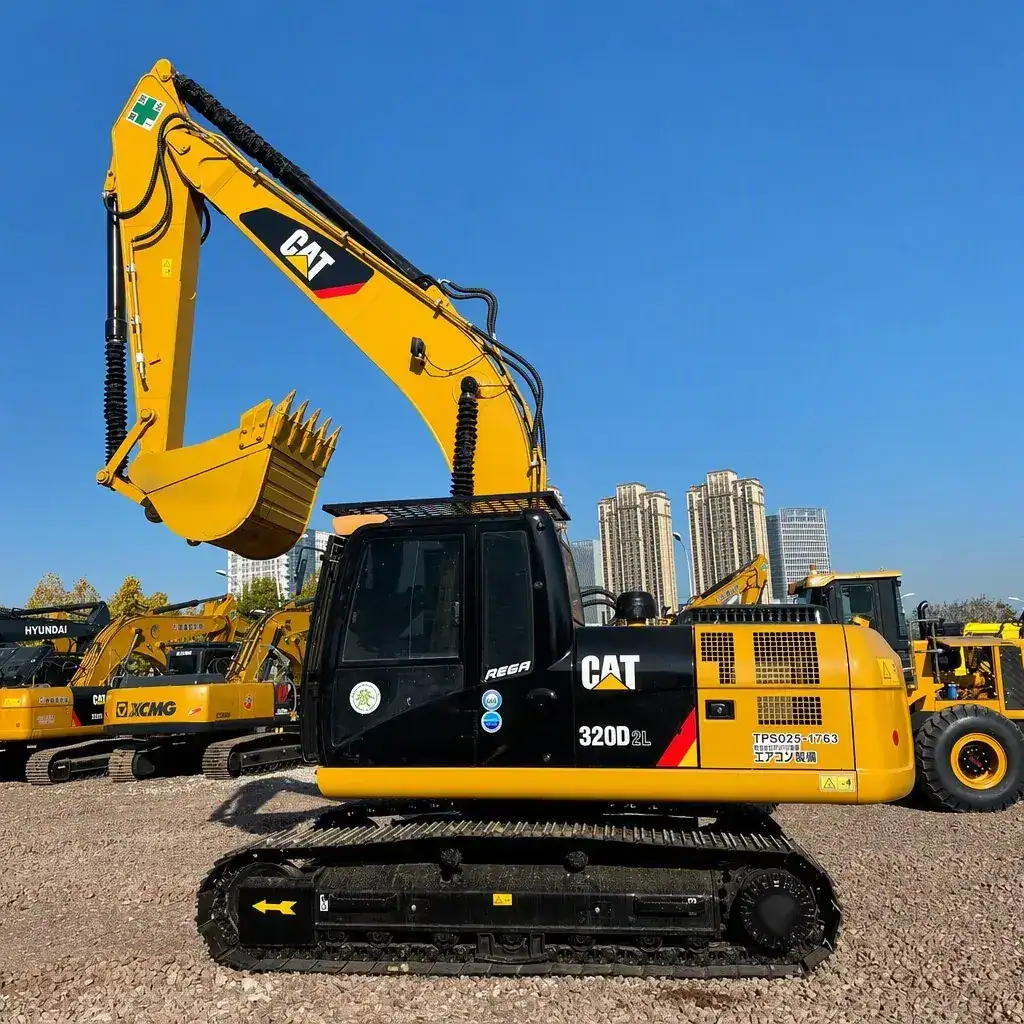
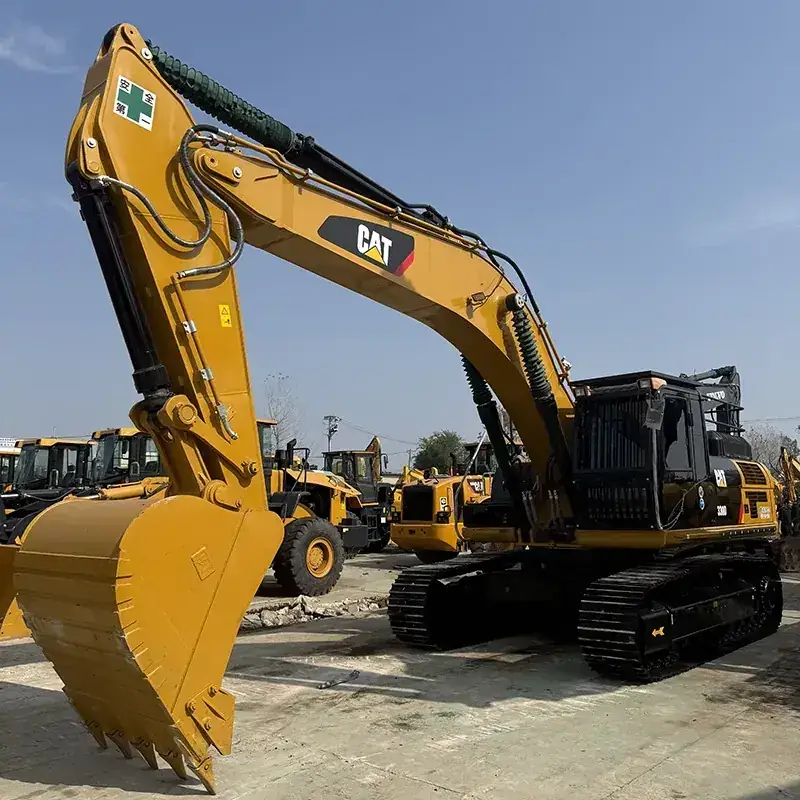
The first decision in any logistics plan is selecting the vessel type based on the machine's dimensions. For machines under 20 tons, such as the high-efficiency CAT 320GC excavator, containerization is often the most strategic choice. This involves detaching the boom or cabin to fit the unit into a 40HQ container, offering the highest level of protection from salt-air corrosion. However, for 30-ton workhorses like the Komatsu PC200, RORO (Roll-on/Roll-off) is the industry standard. RORO allows the machine to be driven directly onto the internal deck of the vessel, which is essentially a massive floating parking garage. This eliminates the need for disassembly but often carries a higher ocean freight cost compared to containerized methods.
Flat Rack shipping serves as the middle ground for oversized machines that cannot fit in a standard container but require the speed of a container vessel. In this Used Excavator Shipping & Container Guide, we recommend Flat Racks for wide-body mining excavators or machines with non-detachable long-reach arms. Each method has specific "Incoterms" implications (CIF vs. FOB), which must be clarified with your supplier before the technical preparation begins in the Shanghai yard.
The Containerization Process: Surgical Disassembly
If you choose to ship via a 40HQ container, the disassembly process must be handled by documented heavy machinery technicians. This is not just about "taking things apart"; it's about protecting sensitive hydraulic ports and electronic sensors. At HEAVY MACHINERY PRO, we implement a multi-stage protocol:
1. Hydraulic Preservation: All hydraulic cylinders are retracted to their minimum exposure, and all disconnected hoses are capped with high-pressure original plugs to prevent fluid bleeding and contamination.
2. Component Organization: Smaller items like the bucket, link pins, and cabin mirrors are secured inside the cabin or on a specialized wooden pallet. This ensures that the Hitachi ZX200 excavator you listed in China arrives with most of its auxiliary parts intact.
3. Weight Distribution: The engine and main frame are positioned over the container's structural floor beams to prevent floor sagging during lifting. This precision is what makes HMP a reliable used excavator supplier for global project managers.
Lashing & Securing: Preventing Maritime Drift
Import classification, duties, age rules, inspection requirements, and customs documents vary by destination and date. Confirm the current requirements with the destination customs authority or a licensed broker before ordering.
Regional Logistics & Port Requirements
Sourcing from China means navigating the specific port regulations of each destination region.
Middle East (Jebel Ali, Dubai): Focuses on high-efficiency customs clearing for Tier-3 engines. Machines like the Caterpillar 320D are frequently shipped here due to the port's advanced heavy-lift infrastructure.
Africa (Lagos, Durban): Often requires pre-shipment inspections (an independent inspection provider). Containerized shipping is highly preferred here to reduce port handling fees and protect machines from the high-humidity coastal environments.
South America (Santos, Brazil): Requires specific Certificates of Origin and original Bill of Lading documentation. We provide specialized maritime rust-protection wax for all South American routes to prevent chrome pitting on the cylinder rods during the long transit through the Panama Canal.
Maritime Insurance & Risk Management
Pricing and freight are quoted for the exact unit and destination at the time of inquiry. Condition, loading method, carrier availability, insurance, and port charges can change the landed cost.
Conclusion: The HMP Logistics Condition Statement
Shipping is the bridge between sourcing and productivity. By following the protocols in this Used Excavator Shipping & Container Guide, you are ensuring that your Caterpillar or Komatsu machinery arrives on-site in the same mechanical condition it left our yard. At HEAVY MACHINERY PRO, we don't just sell excavators; we manage the entire technical and logistical lifecycle. From the first unit-specific inspection to the final lashing on the cargo ship, we are your engineering partner for global success.
Professional Logistics Context: 2026 heavy machinery shipping costs, 40HQ containerization for used excavators, RORO shipping from Shanghai to Dubai, Caterpillar excavator export Nigeria, used excavator shipping guide Brazil, maritime rust protection heavy equipment, an independent inspection provider inspection for machinery export China, reliable heavy equipment logistics supplier.
Related Excavator Inventory in Stock
Browse listings and request current availability, evidence, and export terms for the exact unit