The Complete Guide to Buying a Used Excavator from China
How do you buy a used excavator from China safely?
Choose the exact machine before paying, verify the supplier and unit independently, put condition and commercial terms in writing, and confirm destination import rules with a licensed broker. Release payment only against the milestones and evidence stated in the contract.
- Verify the legal seller, machine identity and current availability.
- Define inspection scope, acceptance criteria and payment milestones in writing.
- Confirm Incoterm, loading method, export documents and destination charges.
The global infrastructure boom of 2026 has made the international secondary market more competitive than ever. For B2B fleet managers and construction firms, buying used excavator from China has become the strategic standard for scaling operations without the multi-million dollar overhead of new machinery. However, the 10,000-mile gap between a Shanghai export yard and a project site in Lagos, Dubai, or Sao Paulo requires a rigid procurement framework. This guide provides a comprehensive, stage-by-stage analysis of the export lifecycle, ensuring that every machine you source is mechanically sound, legally compliant, and project-ready upon arrival.
Stage 1: Strategic Sourcing & Factory Vetting
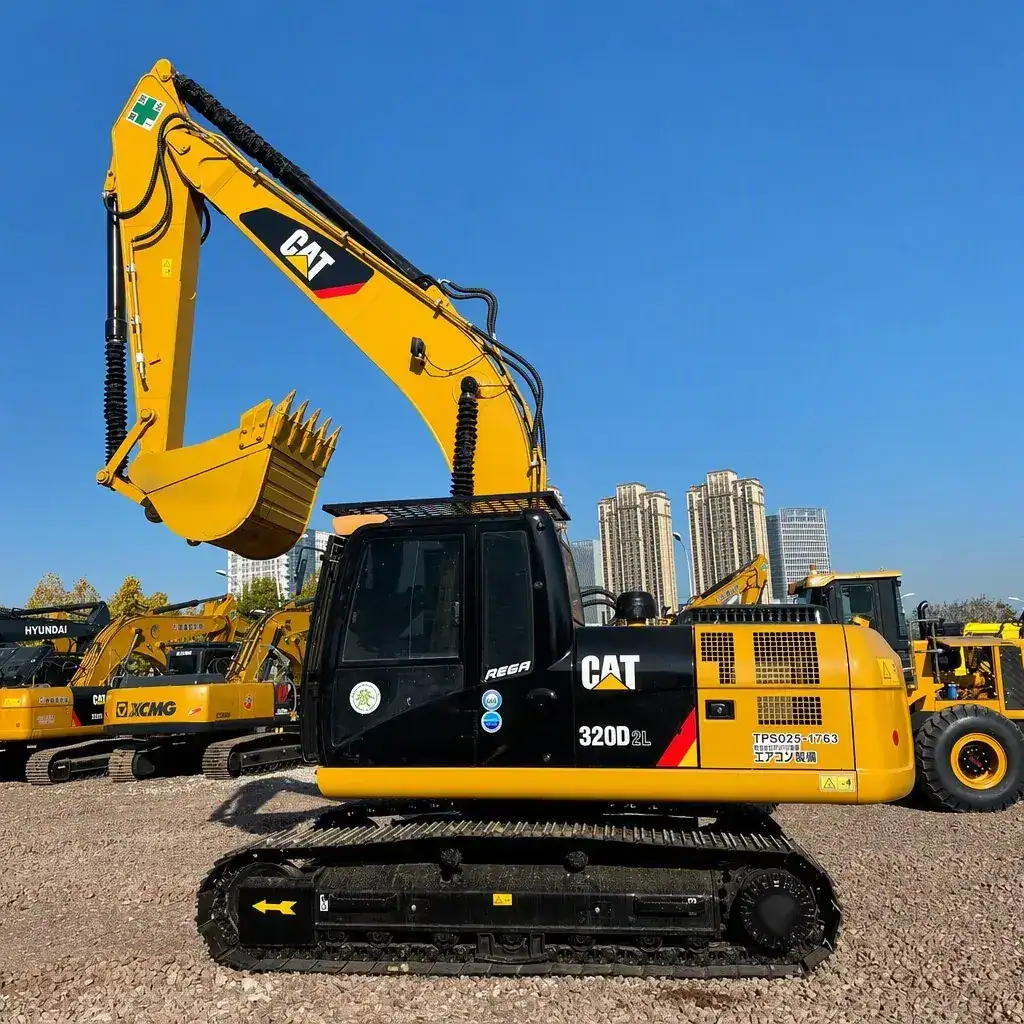
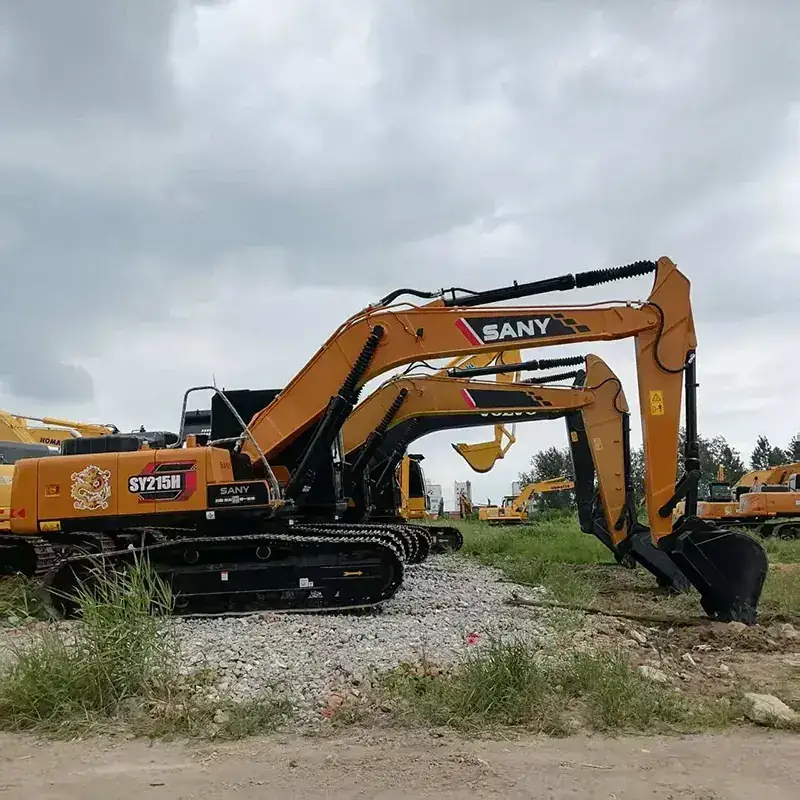
The success of buying used excavator from China begins months before the machine leaves the port. The market is divided between direct yard owners and intermediate brokers. To minimize risk, buyers must prioritize suppliers who maintain physical ownership of their inventory and possess on-site diagnostic bays. Vetting a supplier involves verifying their business license, export history, and their capacity to provide digital ECM (Electronic Control Module) logs. A reliable yard should house at least 300+ units, allowing for side-by-side comparisons of different brands like Caterpillar, Komatsu, and Sany.
In this initial phase, the goal is to align the machine's technical specs with your site's soil density and ambient temperature. For instance, high-altitude mining in the Andes requires a different turbocharger configuration than urban trenching in the Middle East. Ensuring your supplier understands these engineering nuances is the first step in a successful procurement journey.
Mini-Summary: Focus on direct-yard owners with verifiable stock and technical expertise to avoid broker markups and hidden mechanical issues.
Read the full guide on Factory Vetting →
Stage 2: The unit-specific Mechanical & Hydraulic Inspection
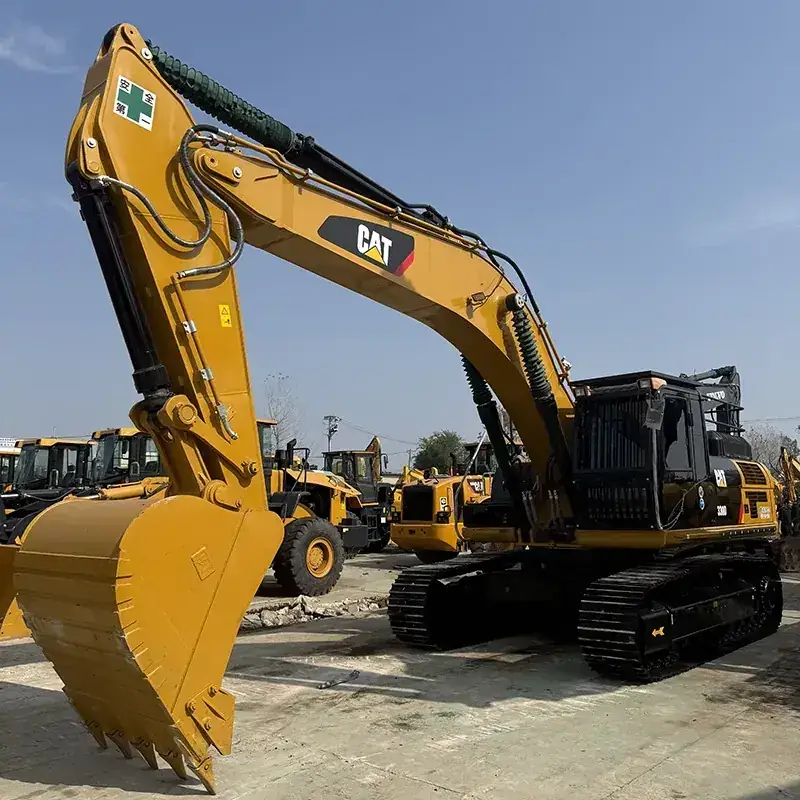
When buying used excavator from China, the "paint test" is irrelevant. Professional buyers demand a mandatory unit-specific health audit. This inspection must focus on the "Big Three": the engine, the main hydraulic pump, and the undercarriage. We insist on performing a "cold start" test under camera observation, followed by a hydraulic stress test where the boom and stick are held at relief pressure to detect internal pump bypass. For high-tonnage machines like the CAT 349D or Komatsu PC400, checking the final drive gear oil for metallic flakes is non-negotiable.
Our engineering team utilizes digital flow meters to verify that hydraulic synchronization is within original factory specs. The undercarriage inspection includes measuring the track pitch and sprocket tooth thinning—a critical step since replacing a 20-ton undercarriage can cost On request+. By securing a documented health report, you are converting a "used machine" into a "listed asset."
Mini-Summary: Never buy without a documented unit-specific inspection covering engine blow-by, pump flow rates, and physical undercarriage measurements.
Read the full guide on Professional Inspection →
Stage 3: Secure Payment Protocols (T/T & L/C)
Treat payment terms as part of the commercial agreement, not a separate concern. Confirm the post-sale support scope in writing and link any balance payment to the signed inspection report, so you are not releasing full funds against a machine you have not yet listed. Escrow or letter-of-credit structures protect both parties.
It is vital to verify that the recipient bank account matches the name on the pro-forma invoice and the business license. Be wary of requests to send funds to personal accounts or third-party jurisdictions. At HEAVY MACHINERY PRO, we provide full corporate banking transparency to ensure every dollar of your investment is tracked and secure.
Mini-Summary: Use standardized B2B payment methods and verify that all banking details align with the supplier's legal corporate entity.
Read the full guide on Pricing & Payment →
Stage 4: Global Shipping & Maritime Logistics
Import classification, duties, age rules, inspection requirements, and customs documents vary by destination and date. Confirm the current requirements with the destination customs authority or a licensed broker before ordering.
During this stage, "lashing and securing" are the most important technical words. We provide video evidence of the machines being welded or chained to the deck to prevent shifting during rough seas. For South American and African routes, which involve on request at sea, applying a specialized rust-inhibitor wax to all exposed hydraulic chrome is a standard HMP protocol.
Mini-Summary: Choose the shipping method (RORO vs Container) based on tonnage and ensure specialized maritime rust protection is applied.
Read the full guide on Shipping & Logistics →
Stage 5: Export Documentation & Customs Clearance
Import classification, duties, age rules, inspection requirements, and customs documents vary by destination and date. Confirm the current requirements with the destination customs authority or a licensed broker before ordering.
Pricing and freight are quoted for the exact unit and destination at the time of inquiry. Condition, loading method, carrier availability, insurance, and port charges can change the landed cost.
Stage 6: Post-Delivery Assembly & First 500 Hours
Once the excavator is unloaded at your port, the final stage is assembly and commissioning. If the machine was shipped in a container, our team provides a step-by-step reassembly video guide. We recommend a "Fluid Audit" before the first engine start—checking for any condensation in the fuel tank or hydraulic reservoir that may have occurred during the sea voyage. The first 500 hours of operation are the most telling; during this period, you should monitor filter pressures and swing motor temperatures closely.
Sourcing from a worldwide supplier like HMP means you have a lifetime partner. We provide 24/7 technical support via WhatsApp to help your local mechanics with initial setup and maintenance. Buying used excavator from China is a partnership, and our goal is to see our Caterpillar and Komatsu machines contributing to your project's success for years to come.
Mini-Summary: Perform a full fluid audit upon arrival and utilize supplier technical support for initial assembly and performance monitoring.
Read the full guide on Maintenance Schedules →
Related Excavator Inventory in Stock
Browse listings and request current availability, evidence, and export terms for the exact unit