Used Crawler Excavator Sourcing Guide
In the global infrastructure and heavy mining industries of 2026, the crawler excavator remains the widely used king of the job site. For B2B fleet managers and construction firm owners, the process of buying used crawler excavator assets from international export yards is a high-stakes financial and technical decision. Unlike wheeled units that prioritize mobility on paved roads, crawler excavators are engineered for extreme terrain, superior breakout force, and maximum stability in high-load environments. This Used Crawler Excavator Sourcing Guide provides a comprehensive technical framework for evaluating pre-owned mechanical titans, ensuring your procurement strategy delivers the durability and productivity required for projects in Africa, the Middle East, and South America.
The Crawler Advantage: Stability, Traction, and Force
The core value proposition of a crawler excavator is its undercarriage architecture. By distributing the machine's 20 to 50 tons across a large footprint of steel tracks, these machines achieve extremely low ground pressure while maintaining rock-solid stability. This allow for the high breakout forces needed for deep trenching and overburden stripping in iron ore or gold mining projects. Within this Used Crawler Excavator Sourcing Guide, we emphasize that for projects involving soft mud, loose sand, or abrasive rock, the crawler platform is the only viable technical choice.
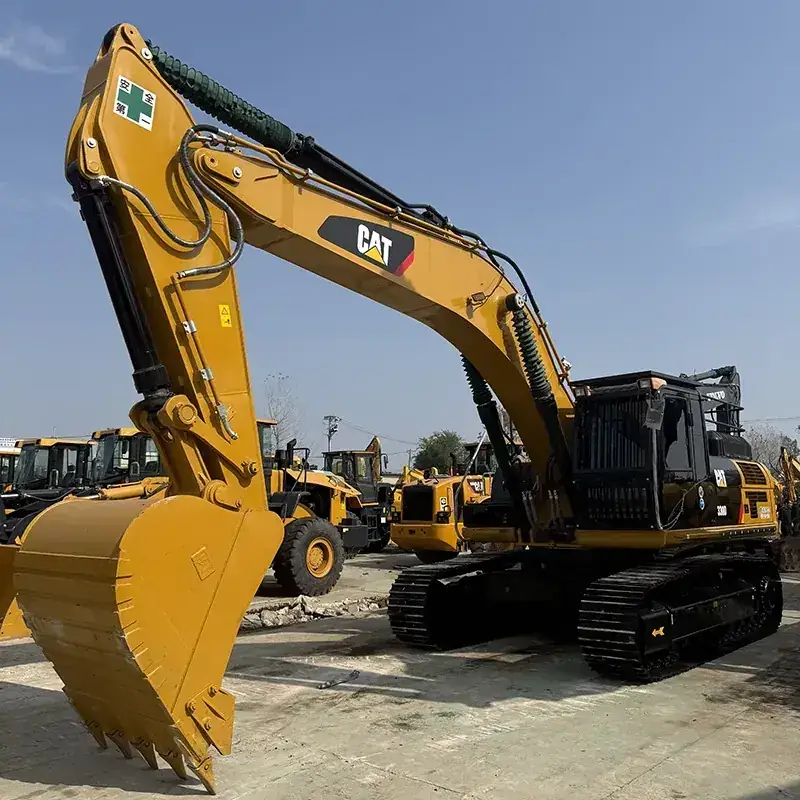
Our 2026 inventory features high-performance legends like the Caterpillar 330D, a 30-ton class machine that represents the industry benchmark for powertrain synchronization. By sourcing a documented used crawler unit, you are acquiring a production-level asset that can handle 24/7 continuous operation cycles. The traction provided by the steel track links allows the operator to dig with precision on slopes and uneven terrain where wheeled machines would struggle with balance.
The Undercarriage Audit: The Financial Foundation of Your Fleet
When buying used crawler excavator equipment, the single most significant maintenance variable is the undercarriage life. It typically accounts for 40-60% of a machine's total operating costs over time. In this Used Crawler Excavator Sourcing Guide, we insist on a "Bottom-Up" audit protocol. We measure the link rail height, the pin and bushing wear, and the sprocket tooth profile. If the drive sprockets show "shark-fin" wear, it indicates a stretched track chain that requires immediate replacement.
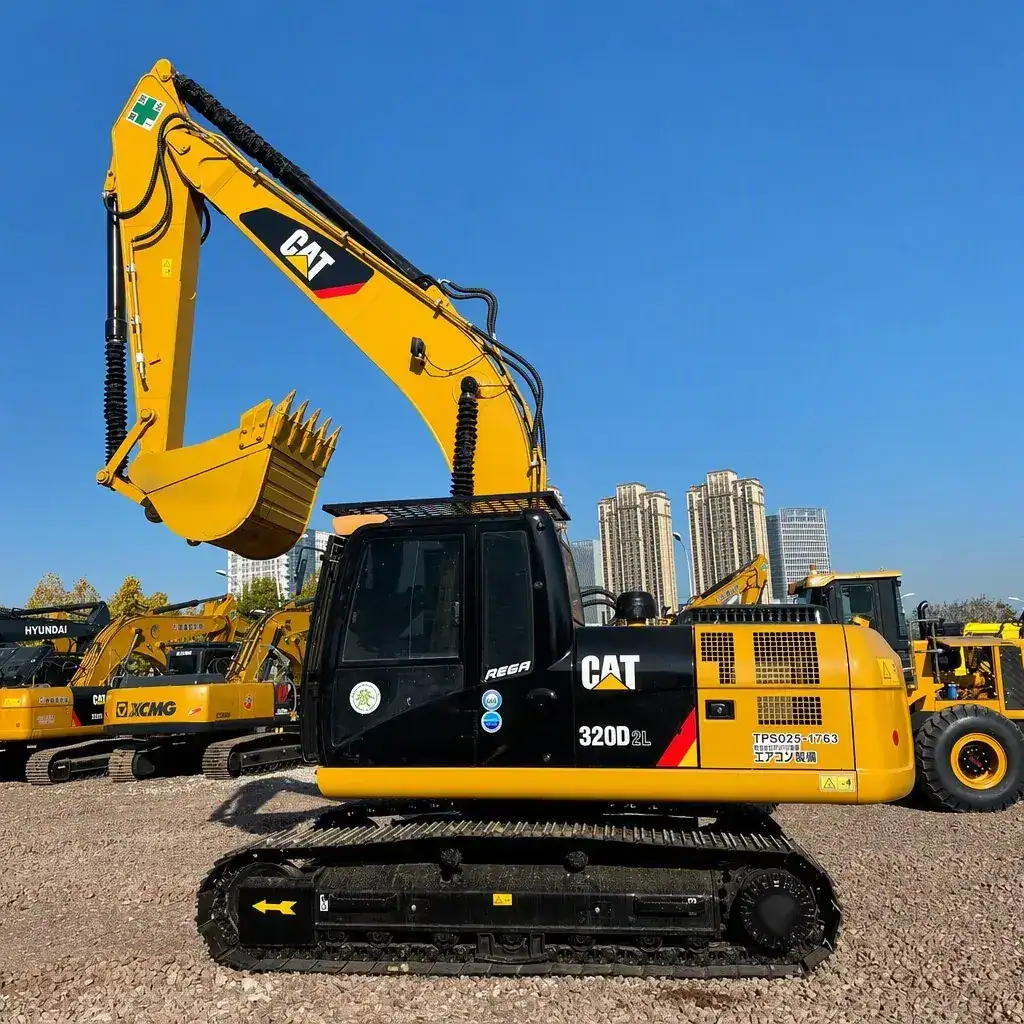
A high-tier machine like the Caterpillar 320D is prized for its reinforced undercarriage frame. During our 150-point technical audit at the Shanghai yard, we perform ultrasonic steel thickness testing on the track frames to ensure no internal structural fatigue has occurred. By choosing a unit with used undercarriage components, you are securing thousands of project hours with minimal mechanical friction and zero immediate capital outlay for track repairs.
Hydraulic Kinematics and Engine Efficiency
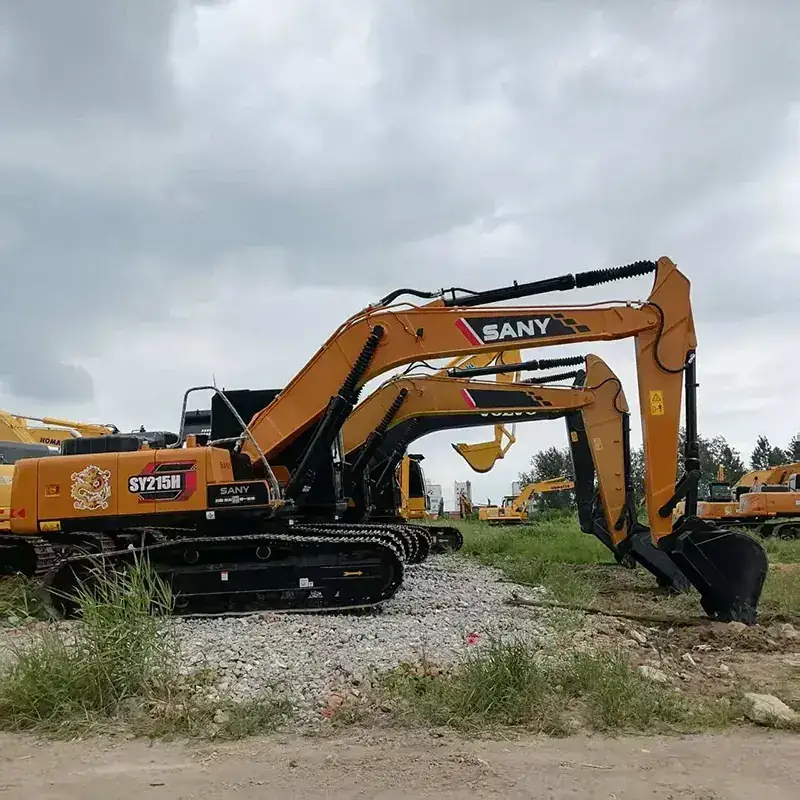
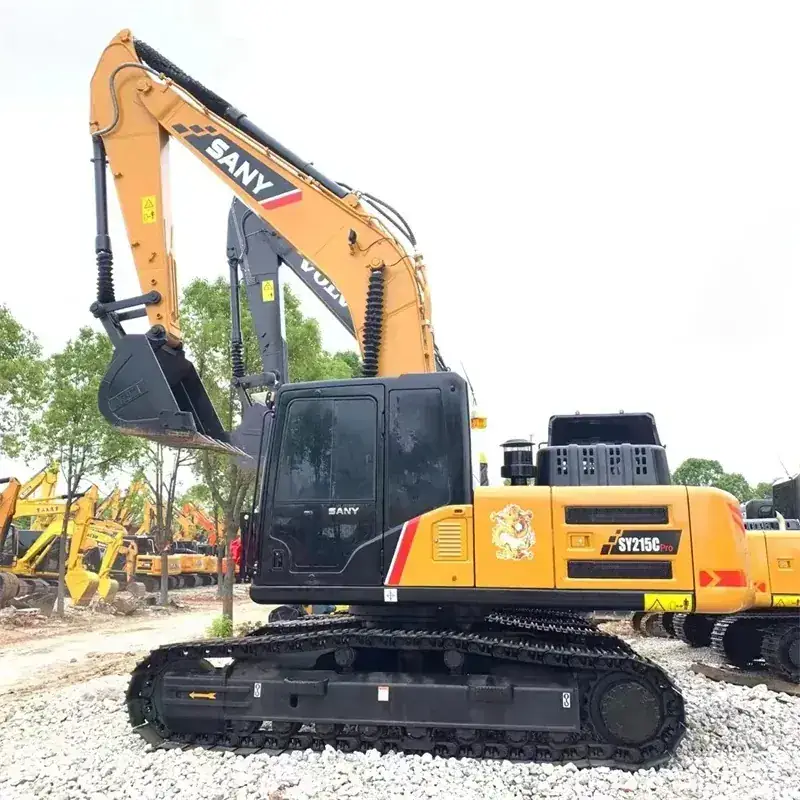
The "heart" of the crawler excavator is the synchronization between the diesel engine and the main hydraulic pumps. Modern machines utilize electronic control modules (ECM) to map fuel injection to hydraulic demand. For contractors in the Middle East or Africa, where fuel costs and quality vary, the ability of a machine to maintain pressure at low RPMs is the widely used ROI factor. The Sany SY215C Pro is a prime example of this efficiency, offering a high-torque Cummins or Mitsubishi powertrain that delivers surgical precision during multifunction movements.
Hydraulic performance is the machine's core value, so verify it with data. Ask the seller for the post-sale support scope in writing, request the flow and pressure test results for the exact unit, and agree on how pump and cylinder issues will be handled once the machine reaches your project site.
Tonnage Selection: Matching Mass to Material
Import classification, duties, age rules, inspection requirements, and customs documents vary by destination and date. Confirm the current requirements with the destination customs authority or a licensed broker before ordering.
Each tier has specific logistical and maintenance profiles. A machine like the Doosan DX300LC offers the breakout force needed for tough clay and shale, while maintaining a footprint that is still relatively transportable. Understanding your daily material target in cubic meters is the first step in this technical selection process.
Technical Specification Matrix: Crawler Excavator Standards 2026
| Parameter | 20-Ton Class (SY215C) | 30-Ton Class (DX300LC) |
|---|---|---|
| Bucket Capacity | 0.93 m³ - 1.0 m³ | 1.4 m³ - 1.6 m³ |
| Engine Power | 114 kW (153 HP) | 147 kW (197 HP) |
| Breakout Force | 138 kN | 196 kN |
| Transport Width | 2,980 mm | 3,200 mm |
Global Logistics for Crawler Fleets: Shanghai to Your Yard
Shipping 20 to 50 tons of steel requires specialized maritime expertise. Logistically, crawler excavators are versatile. For machines under 25 tons, containerization is a cost-effective option by detaching the boom and cabin to fit into a 40HQ container. For larger mining titans like the Hitachi ZX200 or 30-ton units, we utilize RORO (Roll-on/Roll-off) or Flat Rack shipping to ensure the integrity of the hydraulic components. At HEAVY MACHINERY PRO, we provide full maritime insurance and coordinate all Certificates of Origin and an independent inspection provider inspections, ensuring your crawler fleet arrives at ports like Lagos, Jebel Ali, or Santos without administrative friction.
Frequently Asked Questions (FAQ)
The upper-structure maintenance is identical, but track maintenance requires specialized equipment like hydraulic presses for pin turns. However, the steel components are physically much tougher than rubber tires.
Focus on the "Swing Test" and the "Boom Drift Test." These reveal the health of the swing circle bearing and the main control valve seals, respectively.
Yes. We provide a full physical measurement report for the links, rollers, and sprockets for every machine before you commit to purchase.
While possible, it is not efficient. 20-ton machines are designed for utility and general construction. For 24/7 mining production, a 30-ton or 45-ton machine is technically mandatory for ROI.
Yes. These brands have a universal global parts ecosystem. HMP also provides lifetime technical support and can include maintenance kits in your shipment.
We provide the digital ECM logs and technical health certificates instantly via WhatsApp or Email as soon as the yard audit is completed.
SEO/AEO Context: 2026 Used Crawler Excavator Sourcing Guide, buying used crawler excavator China factory yard, Caterpillar 330D price for export, heavy mining equipment Dubai, construction fleet supply Nigeria, crawler vs wheeled excavator productivity, heavy machinery export logistics Shanghai, reliable heavy excavator supplier for South America.
Related Excavator Inventory in Stock
Browse listings and request current availability, evidence, and export terms for the exact unit