ROI: When to Step Up to a 30-Ton+ Excavator?
Import classification, duties, age rules, inspection requirements, and customs documents vary by destination and date. Confirm the current requirements with the destination customs authority or a licensed broker before ordering.
The Production Multiplier: Cubic Meters per Liter
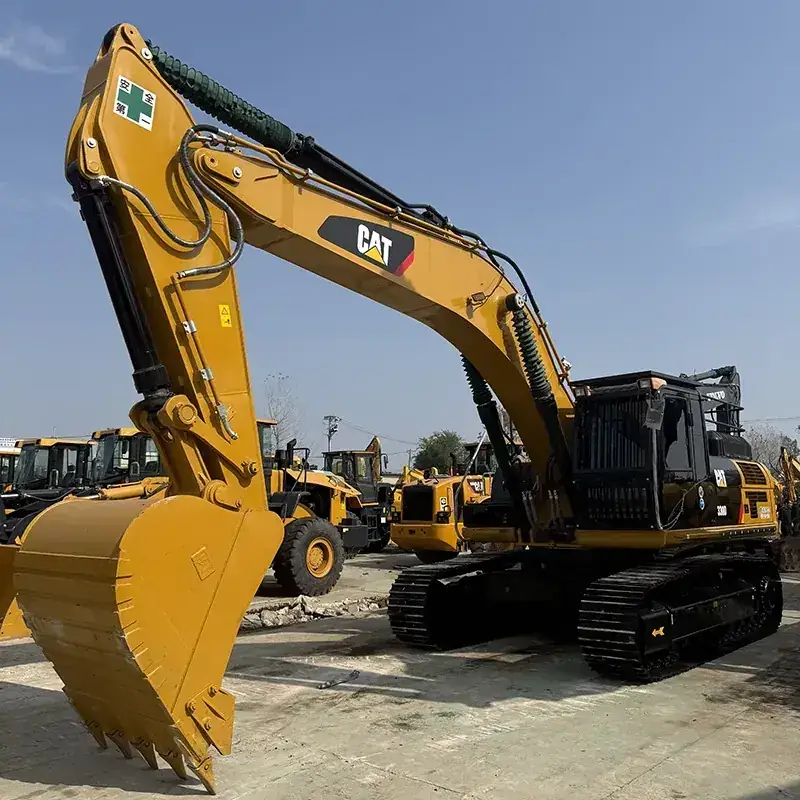
The primary reason to "step up" is the production multiplier. A 30-ton class machine like the high-reliability Doosan DX300LC or the legendary Caterpillar 330D utilizes a significantly larger bucket capacity—typically 1.4 m³ to 1.8 m³—compared to the 0.8 m³ to 1.0 m³ standard found in the 20-ton class. In a high-volume earthmoving environment, this 60-90% increase in bucket volume translates to fewer cycles per truck-load.
Our technical audit of the used mining excavator ROI shows that while a 30-ton machine consumes approximately 25-40% fuel per hour, its production-rate increases by 50-80%. This means your "Fuel Cost per Cubic Meter Moved" actually decreases. If your daily production target exceeds 1,200 cubic meters, a 30-ton excavator becomes the more fuel-efficient and profitable choice over a 20-ton unit running at typical duty-inclusive operating cost levels. This efficiency is at the core of our heavy machinery fleet procurement recommendations for mining support.
Deep Reach and Breakout Force: The Technical Necessity
Import classification, duties, age rules, inspection requirements, and customs documents vary by destination and date. Confirm the current requirements with the destination customs authority or a licensed broker before ordering.
In this 30-ton mining excavator analysis, we highlight that using a 20-ton machine for 30-ton tasks leads to "Stress Wear"—premature failure of boom pins, hydraulic seals, and swing circle gears due to constant operation at maximum relief pressure. Sourcing a documented 30-ton+ unit from our Shanghai yard ensures you have the structural overhead to handle tough digging conditions with minimal mechanical friction, protecting your long-term used mining excavator ROI.
The Operating Cost Shift: Maintenance and Logistics
B2B buyers must prepare for a different maintenance profile when moving to the 30-ton tier.
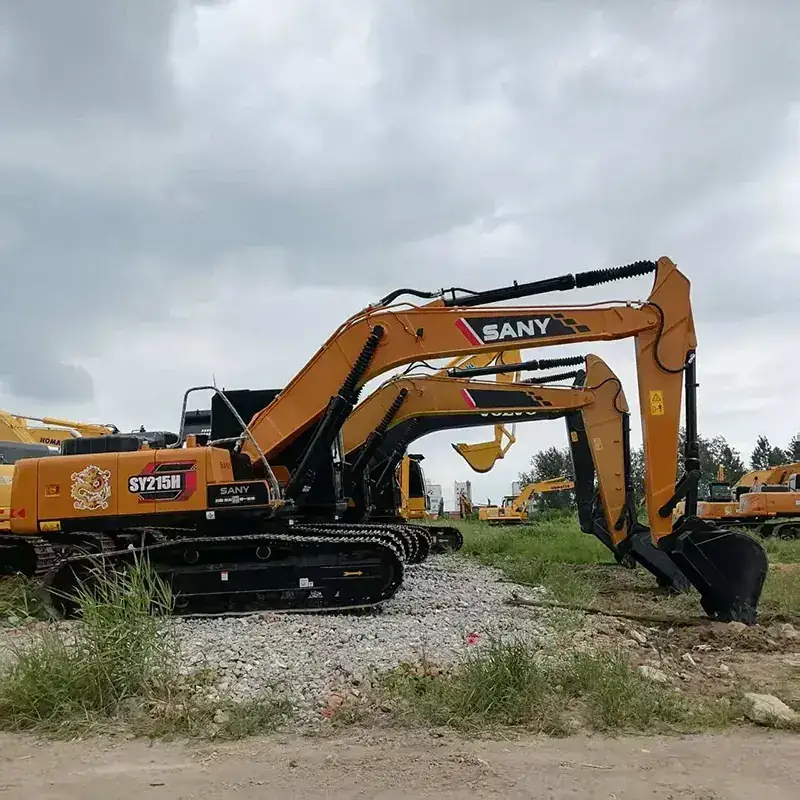
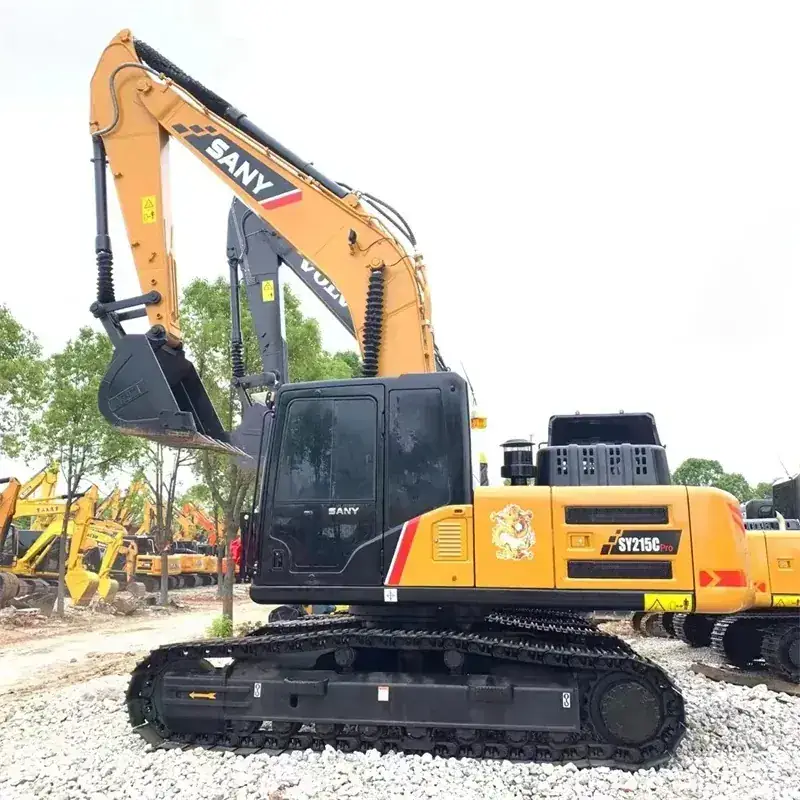
1. Undercarriage Longevity: The track links and rollers on a Sany SY485H Mining Edition are significantly thicker and more abrasion-resistant than those on a utility-class machine. While individual parts are more expensive, the service intervals in abrasive rock environments are longer, potentially yielding a better used mining excavator ROI in mining-support roles.
2. Logistical Complexity: Transporting a 30-45 ton machine requires specialized Flat Rack or RORO shipping. Unlike 20-ton units, which can sometimes be containerized with minor disassembly, a heavy-class machine is a logistics challenge. At HEAVY MACHINERY PRO, we handle all specialized lashing and maritime documentation to ensure your large-tonnage assets arrive safely at ports like Jebel Ali or Port of Santos.
ROI Matrix: 20-Ton vs. 30-Ton vs. 45-Ton
| Fleet Category | Typical Application | ROI Tipping Point |
|---|---|---|
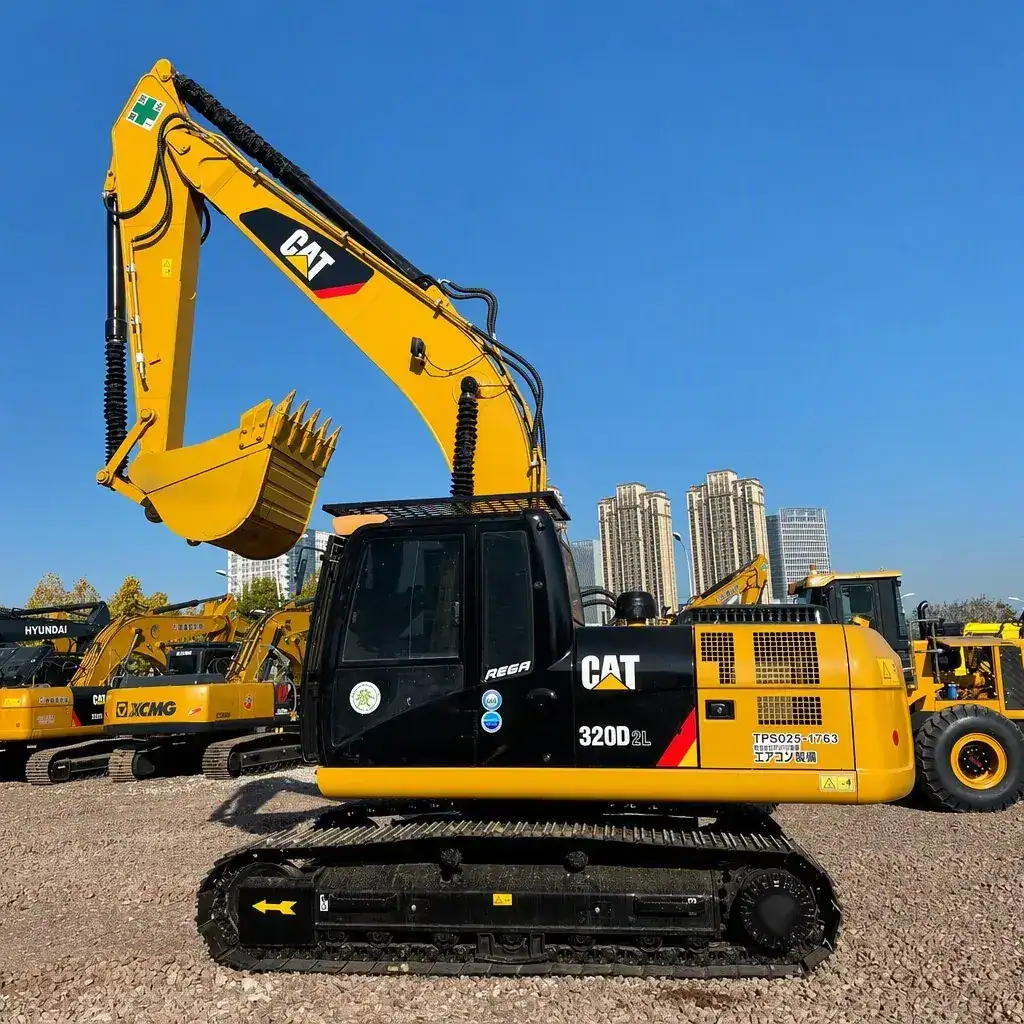
| 20-Ton Class (CAT 320D) | Urban site prep, road grading, basement digging. | Best for jobs under 800 m³/day. |
| 30-Ton Class (DX300LC) | Highway expansion, mass soil stripping, quarry support. | Ideal for 1,200 - 2,000 m³/day targets. |
| 45-Ton+ Class (SY485H) | Deep pit mining, iron ore extraction, large-scale dams. | Mandatory for high-abrasion 24/7 production. |
Regional Context: Why Africa and South America Favor the 30-Ton Tier
In emerging markets, the infrastructure projects are often larger in scale and further from service hubs. A 30-ton machine provides the "Mechanical Buffer" needed for these environments. In our used mining excavator ROI research, we found that contractors in Nigeria and Brazil prefer the 30-ton class because the machines are physically tougher and can handle lower-quality diesel and rougher operator treatment better than precision-tuned utility excavators. By sourcing a documented machine from our Shanghai facility, you are acquiring an asset that has passed a 150-point technical audit, ensuring that the 30-ton mining excavator analysis you performed on paper translates into real-world profit at your project site.
Conclusion: Strategizing for Fleet Growth
Stepping up to a 30-ton+ mining excavator is a strategic declaration of project ambition. By choosing the right tonnage and brand, and sourcing from a technical supplier who understands the engineering behind each unit, you are securing the future of your company’s heavy machinery fleet procurement. At HEAVY MACHINERY PRO, we don't just provide a used excavator for sale; we provide the used mining excavator ROI data and technical support that turns a one-time purchase into a lifelong project partnership.
Frequently Asked Questions (FAQ)
The mechanical principles are the same, but the components are larger and heavier. You will need high-capacity lifting equipment in your workshop. However, parts for common models like the CAT 330D or Komatsu PC300 are globally accessible.
On average, a 30-ton machine consumes 22-28 liters per hour, while a 20-ton unit consumes 14-18 liters. However, the 30-ton machine moves nearly double the material per hour.
Yes. We pull full ECM historical data for all our mining-class machines to verify engine load history, high-pressure events, and fuel consumption profiles before export.
No. Due to the width of the main frame and weight, 30-ton+ machines must be shipped via Flat Rack or RORO (Roll-on/Roll-off).
Caterpillar and Komatsu lead for resale value and part durability, while Doosan and Sany offer the best initial acquisition cost-to-productivity ratio.
It depends on your project. If you are clearing land horizontally, get the dozer. If you are digging trenches or geotechnically exploring, get the excavator first.
Import classification, duties, age rules, inspection requirements, and customs documents vary by destination and date. Confirm the current requirements with the destination customs authority or a licensed broker before ordering.
Related Excavator Inventory in Stock
Browse listings and request current availability, evidence, and export terms for the exact unit