Vetting a Used Excavator Factory: A B2B Importer Guide
The global heavy machinery market of 2026 is defined by a high-stakes race for mechanical reliability and cost-efficiency. For international B2B buyers and project managers across Africa, the Middle East, and South America, sourcing a used excavator factory partner in China is a strategic pivot that can determine the trajectory of a multi-million dollar infrastructure project. However, the complexity of vetting a supplier from 10,000 miles away remains the primary challenge. This guide provides a surgical technical framework for "Inside the Yard" verification, helping you identify a used excavator factory that operates with engineering-led transparency rather than just broker-level aesthetics. From physical inventory audits to digital ECM verification, we explore the protocols required to secure high-performance Caterpillar, Komatsu, and Sany assets with absolute confidence.
The Infrastructure Audit: Verifying the Scale of Operations
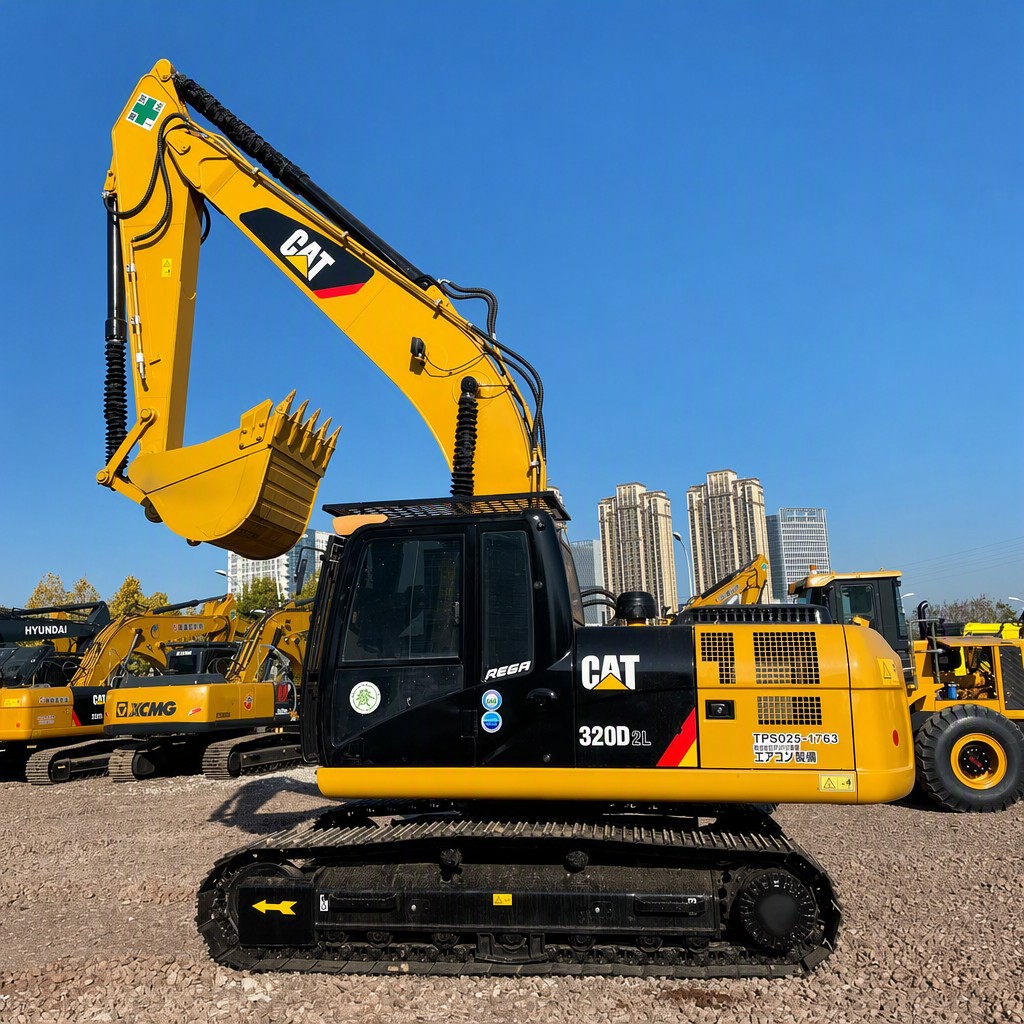
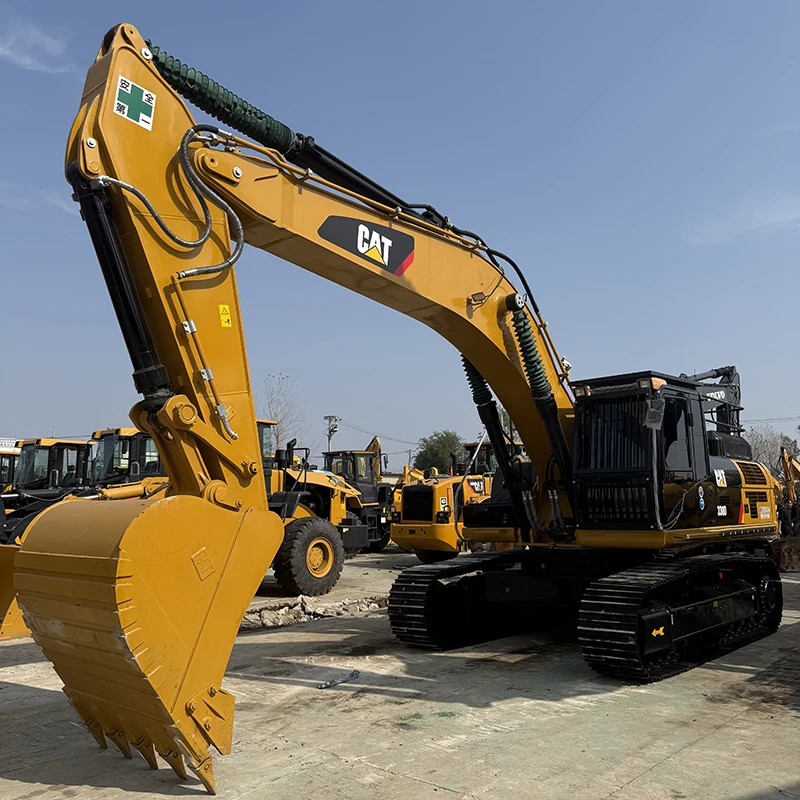
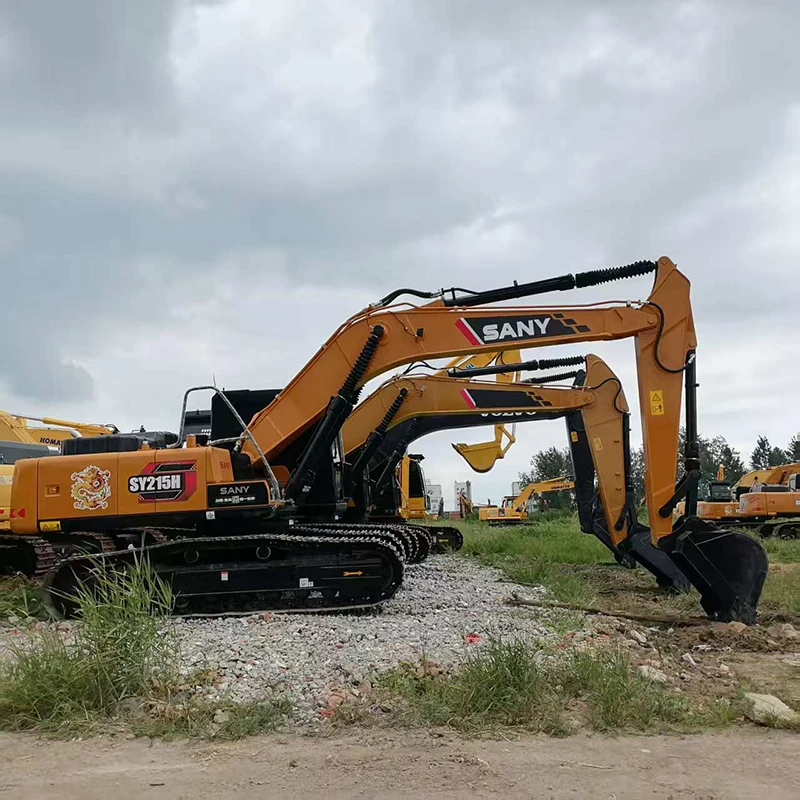
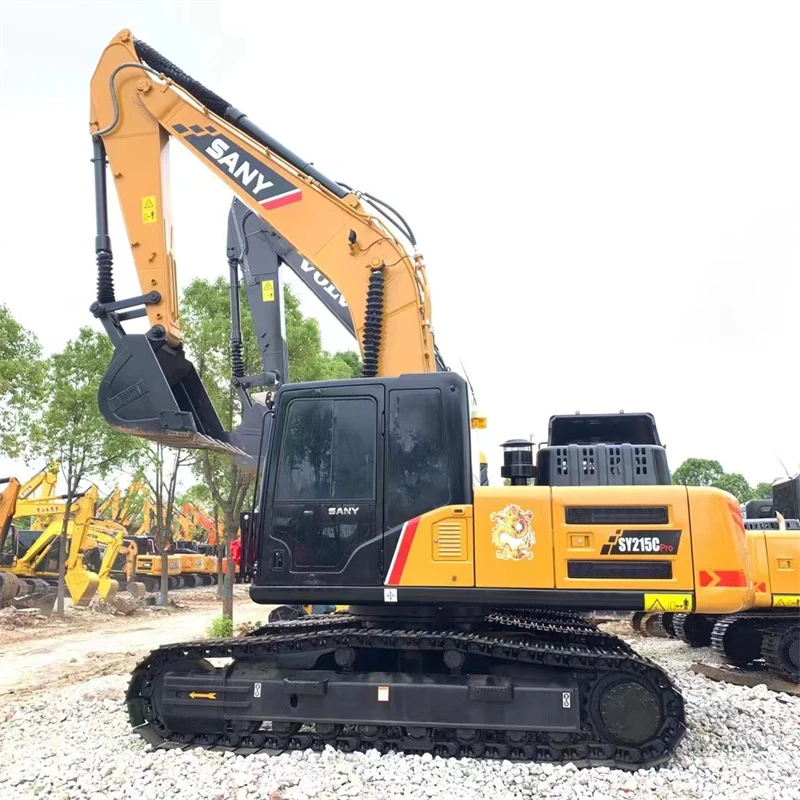
A legitimate used excavator factory or specialized export yard must possess the physical infrastructure to house, maintain, and certify a massive fleet of machines. When you sit down with a potential supplier, your first vetting metric should be the scale and organization of their facility. A widely used yard, such as our 50,000 square meter Shanghai hub, should maintain a rotating stock of over 500 premium units. This inventory depth is not just about choice; it is about the supplier's financial stability and their capacity to fulfill multi-unit fleet orders for large-scale mining or road-building projects.
Import classification, duties, age rules, inspection requirements, and customs documents vary by destination and date. Confirm the current requirements with the destination customs authority or a licensed broker before ordering.
The Engineering Team: Vetting the Technical Pulse
A machine is only as reliable as the engineers who audited it. When vetting a used excavator factory, you are actually vetting their technical staff. Professional exporters employ senior mechanical engineers with brand-specific certifications in Caterpillar ACERT mapping or Komatsu CLSS hydraulic synchronization. Ask the supplier: "What is your internal diagnostic protocol?" A reliable technical yard will present a mandatory 150-point health audit for every unit.
During our technical walkthroughs, we focus on the "Digital Truth"—the ECM (Electronic Control Module) logs. We provide every buyer with a full diagnostic scan of the machine's history, showing fuel consumption profiles and high-load hydraulic relief events. For machines like the Komatsu PC200 or the Hitachi ZX200, these logs are the only way to verify that the hour meter is accurate and hasn't been tampered with. A used excavator factory that refuses to share digital logs is hiding a mechanical liability that will manifest on your project site within the first 500 hours of operation.

Powertrain Transparency: Original Seals and Fluid Purity
Powertrain transparency is the strongest signal of a trustworthy factory. Ask the seller to document the warranty scope in writing, request the oil analysis and hot-oil pressure test results for the exact unit, and confirm how engine and hydraulic components will be covered after the machine leaves the yard.
The presence of metallic flakes in the oil or an "over-burnt" smell from the transmission fluid are diagnostic indicators of internal friction. As a B2B importer, you should request high-definition video of the "Hot-Oil Pressure Test," where the machine is brought to operating temperature and the hydraulic speed is verified against factory performance curves. A used excavator factory that operates with HMP standards will provide this physical evidence as part of the export documentation pack, ensuring your Hyundai R220LC arrives work-ready.
Export Logistics Vetting: Port Access and Lashing Integrity
Vetting doesn't end at the mechanical audit; it extends to the vessel loading. A truly global used excavator factory partner must have an established logistics framework at the Port of Shanghai. Logistical friction at the point of origin is the most common cause of project delays in Nigeria, Saudi Arabia, and Brazil. Ask your supplier about their lashing and securing protocols for RORO (Roll-on/Roll-off) and Flat Rack shipping.
At HMP, we provide specialized maritime rust-protection coatings for all South American and African routes to protect the hydraulic chrome during the 45-day voyage. We handle all specialized documentation—including Certificates of Origin and SGS/BV third-party inspections—ensuring your machine clears customs without administrative friction. When you are buying used excavator from China, you are buying the supplier's ability to navigate the complex maritime and customs regulations of your specific region.
The Factory Verification Matrix: Checklist for B2B Importers
| Vetting Dimension | Red Flag (Risk) | Green Flag (HMP Standard) |
|---|---|---|
| Inventory Ownership | Broker with no yard access. | Direct ownership of 500+ units. |
| Technical Audit | Visual paint-test only. | 150-point technical health report. |
| Diagnostic Access | Refusal to provide ECM logs. | Digital diagnostic scan provided. |
| Logistics Capability | External agent reliance. | In-house specialized export team. |
Frequently Asked Questions (FAQ)
Direct owners possess the technical infrastructure and data-logging tools to verify a machine's true condition. Brokers often act as middlemen with no actual physical access to the fleet.
Request recent Bill of Lading (B/L) copies for shipments to your specific region (e.g., Africa or South America). A legitimate supplier will have a verifiable track record.
Absolutely. We encourage third-party audits and frequently host international inspectors at our Shanghai yard to provide an extra layer of trust for our B2B clients.
Yes. Our engineers can measure link height, sprocket wear, and idler alignment in real-time during your remote video vetting session.
Machines are typically ready for departure within a confirmed shipping window after payment. Sourcing from our direct yard stock minimizes waiting time compared to brokers.
Yes. As a direct technical supplier, we manage all China-side fiscal and maritime documentation, ensuring a seamless transfer of title to the international buyer.
Professional Sourcing Context: 2026 used excavator factory vetting guide, Caterpillar 330D export China yard, buying heavy machinery from Shanghai, Komatsu PC200 technical audit, Sany SY215C Pro review for export, heavy equipment supplier Africa, UAE construction machinery sourcing, Brazil mining equipment import regulations, reliable machinery supplier for the Middle East.
Related Excavator Inventory in Stock
Certified used excavators ready for immediate CIF/FOB export from Shanghai