Buyer update: Searches for a used wheel loader for sale often return several familiar model names, but choosing between a used CAT 966H, Komatsu WA380 and SDLG LG958L should begin with the loading job—not the badge. Material density, bucket configuration, travel distance, site surface, required cycle and local service access all affect whether a particular machine is a sensible fit.
Key takeaways
- Match the loader to the material, bucket, travel path and production target.
- Compare serial/PIN-linked inspection evidence, not generic model photos.
- Check transmission, axles, articulation, tyres, bucket linkage and hydraulics.
- Request a written equipment, FOB, CFR or CIF quotation for the real destination.
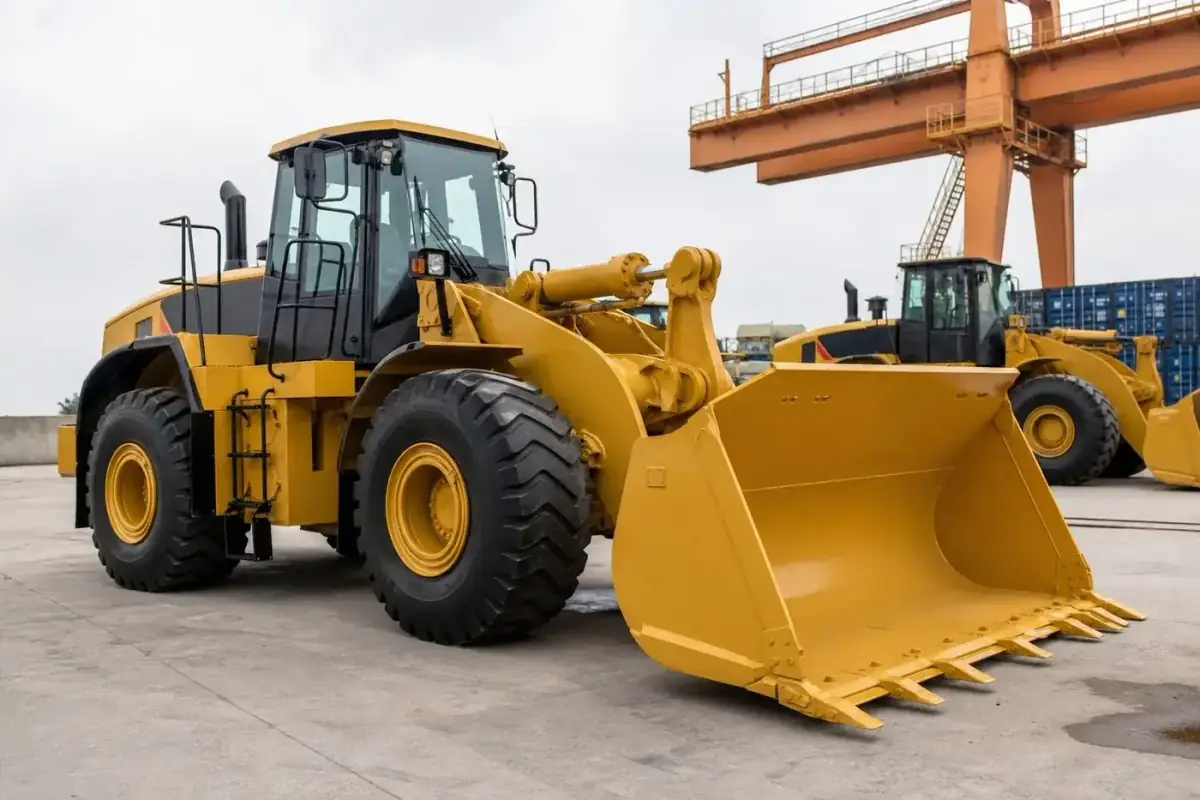
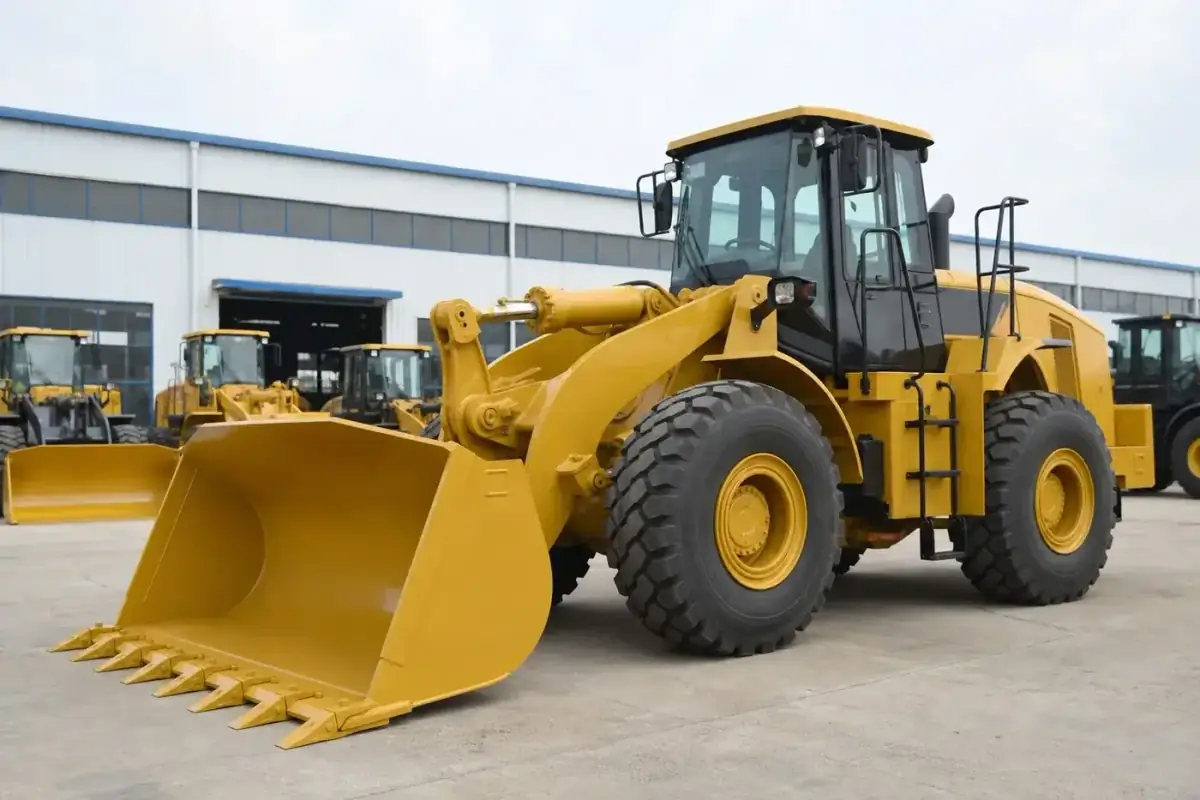
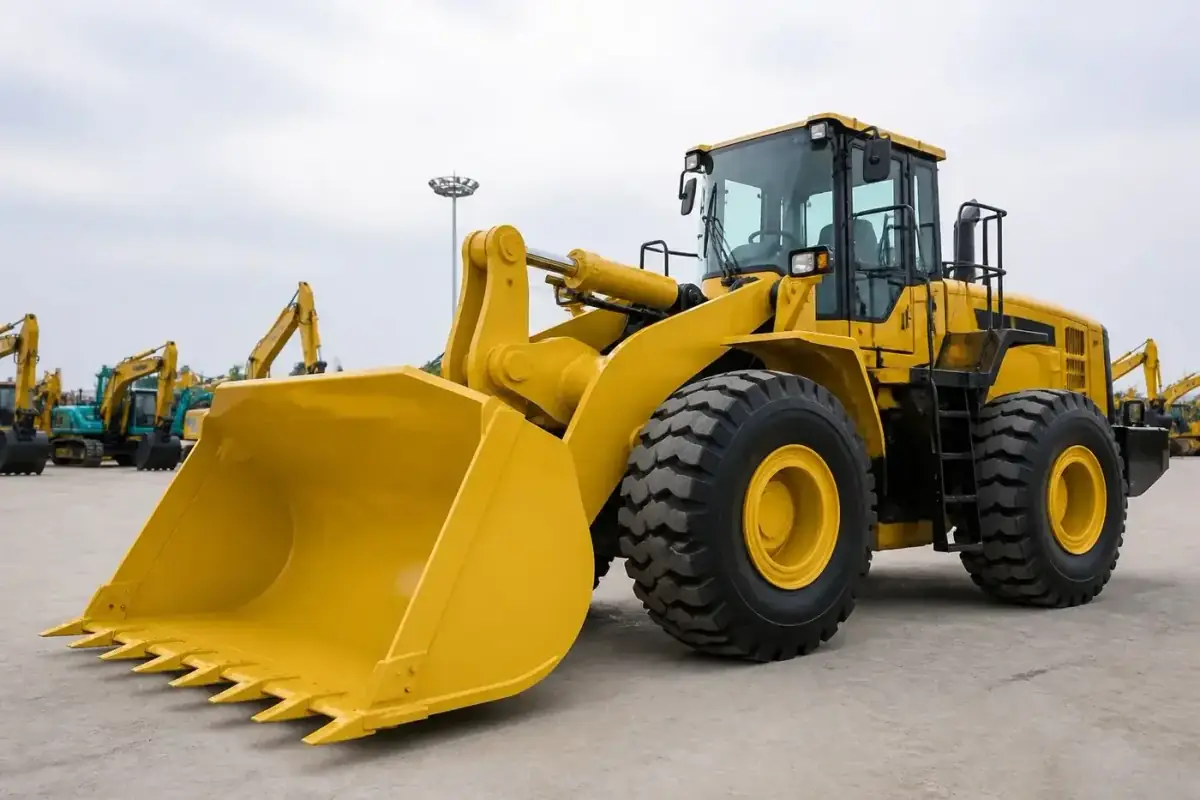
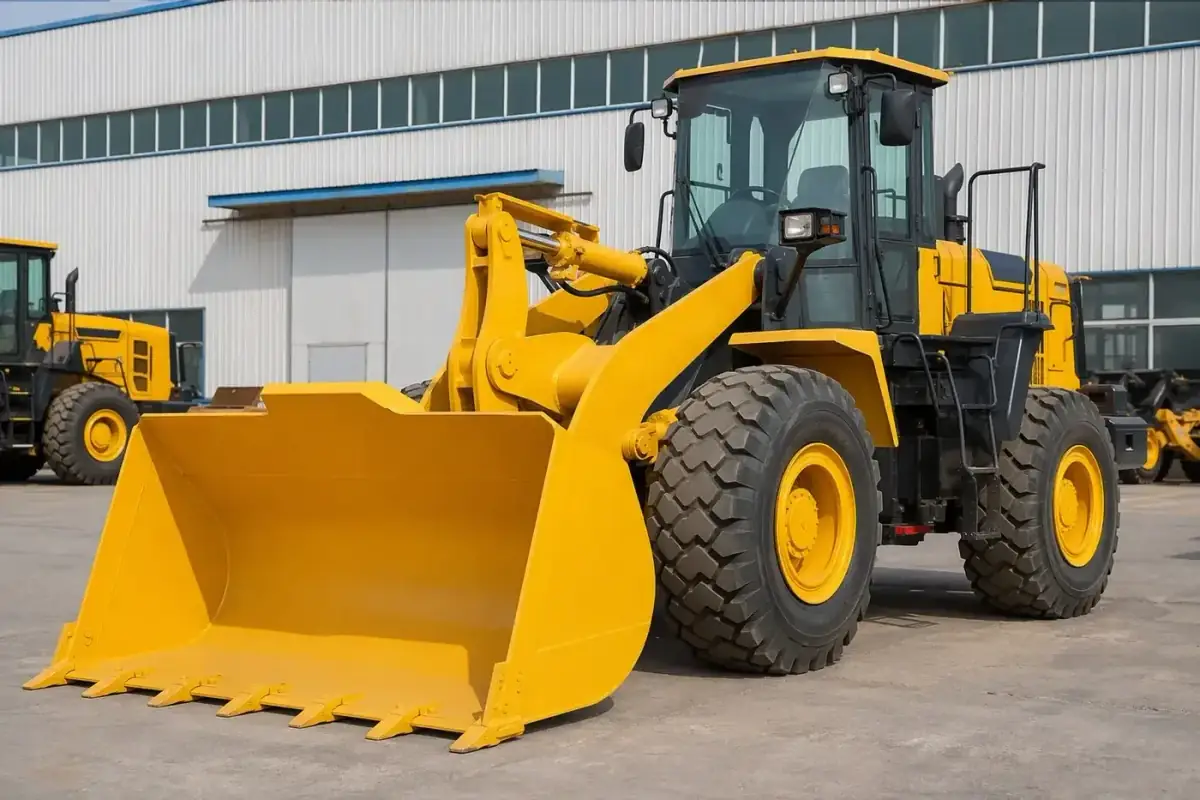
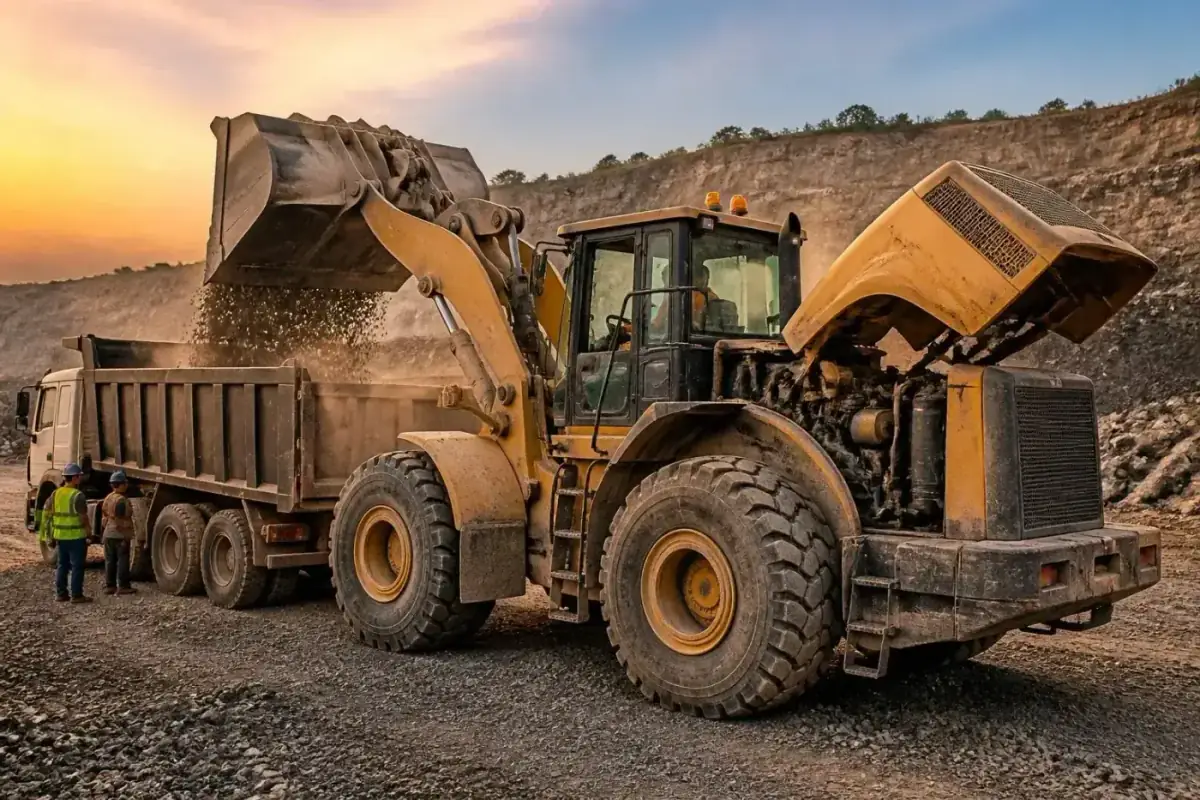
Image note: this is an illustrative quarry-loading image from the site's existing media library, not a photograph of a specific listed unit. Ask for current, dated photographs and inspection evidence for the exact machine under consideration.
Start with the work cycle
Before comparing a used CAT 966H wheel loader, used Komatsu WA380 or used SDLG LG958L, write down the material handled, average carry distance, truck or hopper height, shift pattern, tyre conditions and required bucket attachment. A quarry, aggregate yard, port and construction site may place different demands on traction, visibility, cooling and wear protection. Check manufacturer specifications for the exact configuration and compare them with the job's actual constraints.
Inspect the systems that affect uptime
Request a readable serial/PIN plate, hour-meter photograph and dated walk-around. Match those identifiers to a continuous cold-start and operating video and to the inspection report. Once the machine is warm, ask the operator to demonstrate forward and reverse engagement, steering and articulation, braking, bucket lift and tilt, and operation under a representative load where it is safe to do so.
Inspect the articulation joint and pins for movement or visible damage; review axle and differential housings for leaks; check tyre tread, cuts and sidewall condition; and examine bucket edges, linkage, cylinder rods, hoses and weld repairs. Record any item that could not be tested. A clean appearance or low displayed hours is not a substitute for a documented condition review.
Compare exact units and export terms
Use the site's used wheel loader category to compare available listings, including the reference pages for the CAT 966H, Komatsu WA380 and SDLG LG958L. Confirm live availability and machine details directly because listings can change.
For a fair commercial comparison, request a written equipment-only, FOB, CFR or CIF quote to the named destination port. Clarify inspection, loading, freight, insurance, terminal handling, destination charges, duties, taxes and inland delivery. Rates and import requirements vary by route and country; confirm current rules with a licensed local customs broker or relevant authority.
A practical shortlist rule
Keep the loader that meets the site's operating requirements and has the clearest unit-specific evidence, support path and total landed-cost scope. If two candidates remain close, compare their inspection findings and request an independent inspection before payment. This approach is more reliable than selecting by brand, advertised hours or an unverified percentage-condition claim.
Next step for buyers
Send the intended application, preferred bucket, destination port and target budget range when requesting a quote. Ask the seller to confirm the exact machine identifier, current availability, inspection scope and written commercial terms. That gives buyers comparing used wheel loaders from China a concrete basis for evaluating the CAT 966H, Komatsu WA380 and SDLG LG958L against the job.