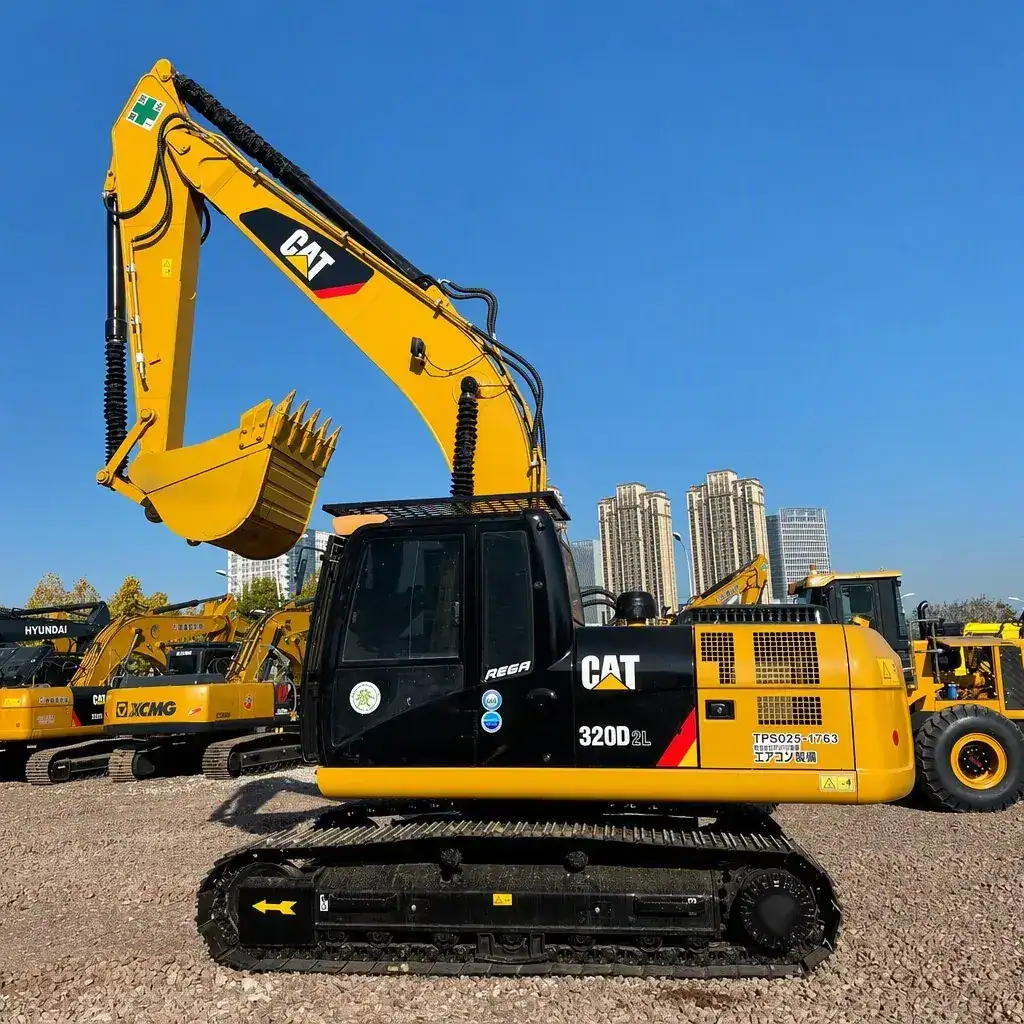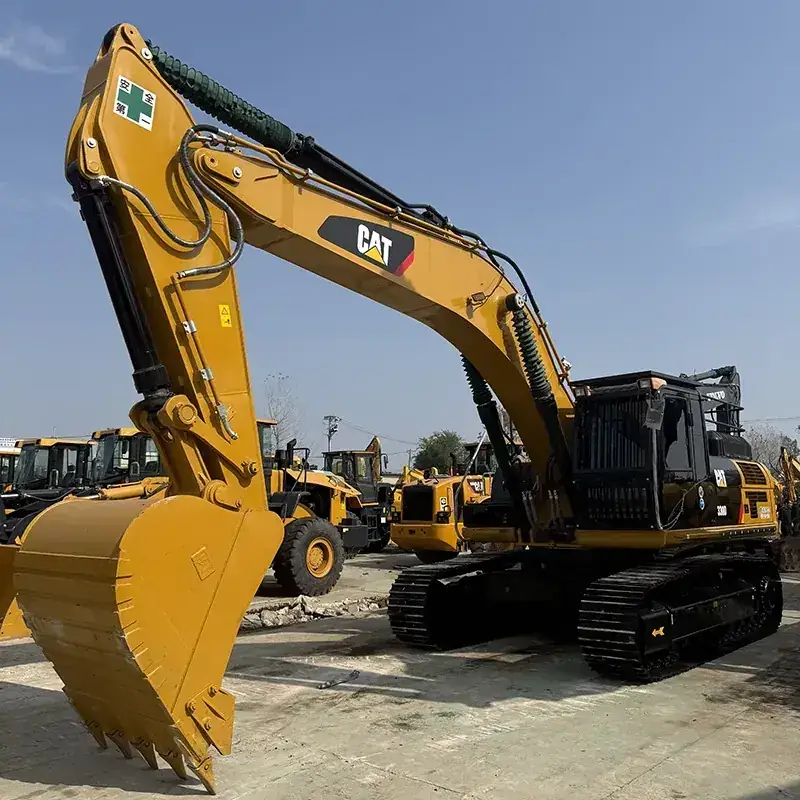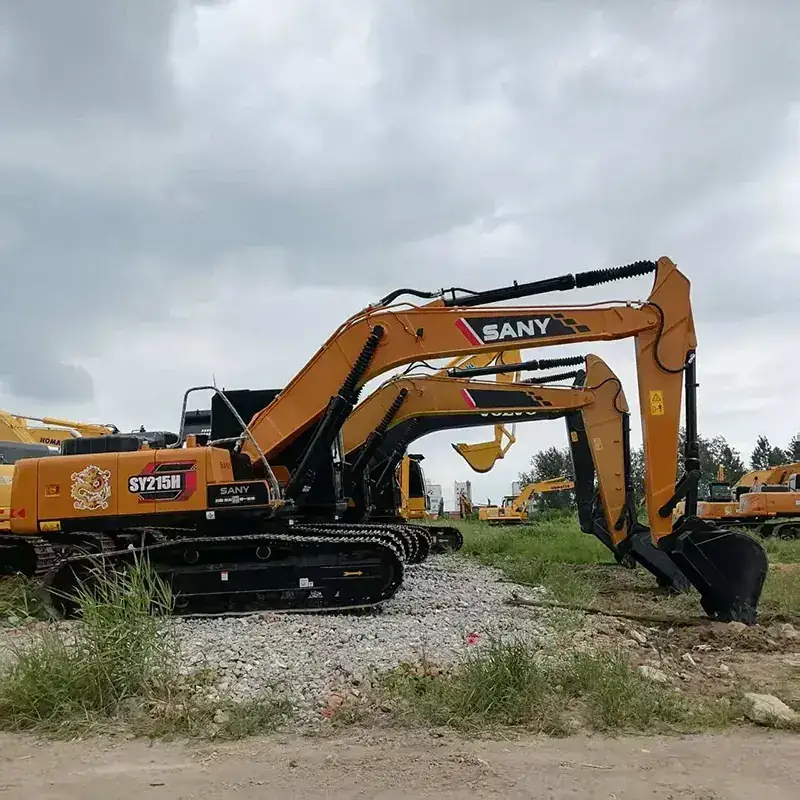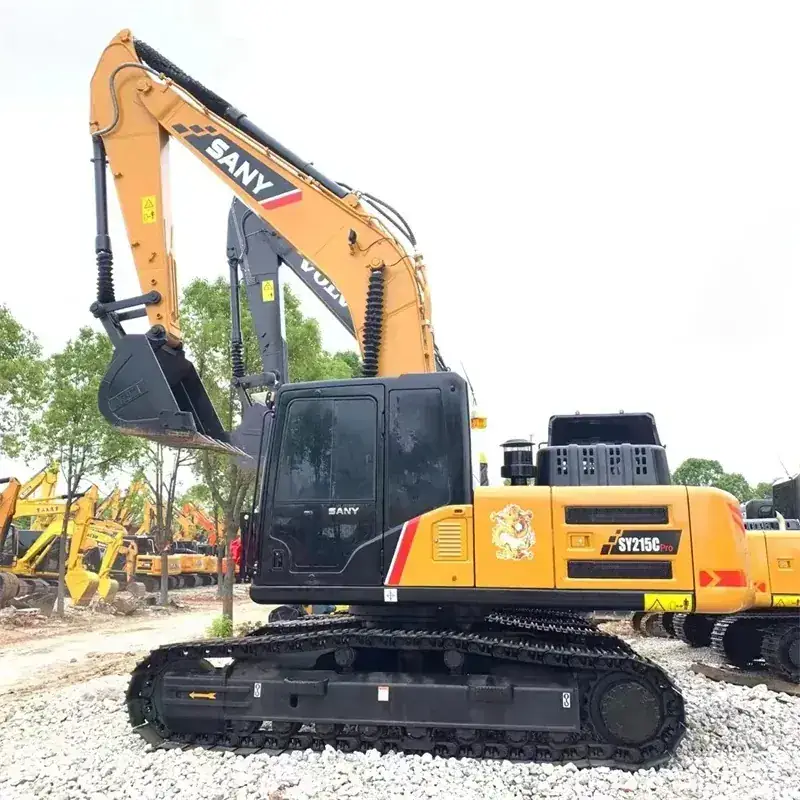
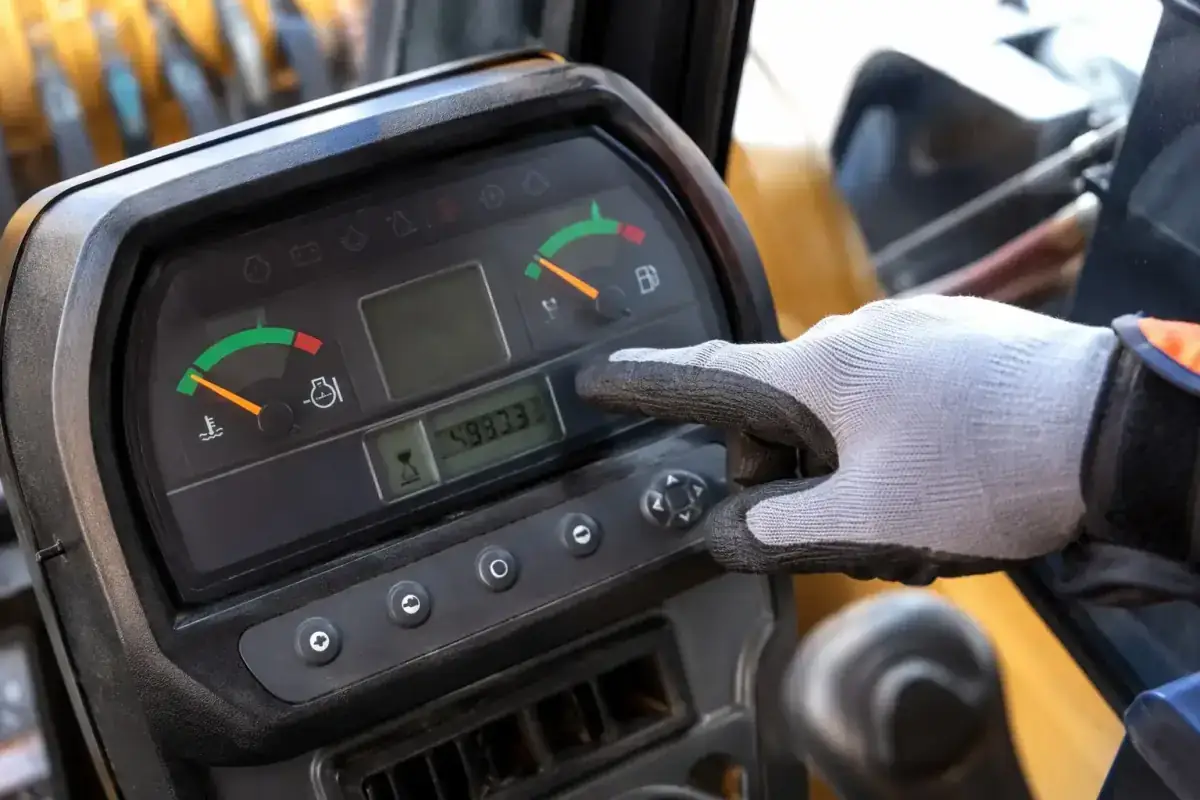
In the secondary heavy machinery market, the hour meter is often treated as the definitive odometer of an asset's life. It influences the purchase price, the financing terms, and the resale value. However, as procurement moves toward a "data-first" era in 2026, the risk of excavator hour meter rollback remains a significant concern for international B2B importers. An untrustworthy meter can cause a buyer to overpay for a machine whose wear is more advanced than represented. Whether you are sourcing a high-tonnage Used Caterpillar 330D or a mid-range Used Sany 215C Pro, developing the technical intuition to detect tampering is a mandatory skill for every professional fleet manager. This guide analyzes the practical signs of hour meter manipulation and provides a roadmap for cross-checking real usage data.
Table of Contents
Why Sellers Roll Back Hour Meters
The primary driver behind excavator hour meter rollback is simple: financial greed. In the 20-ton excavator class, a difference of 2,000 operational hours can translate to On request to On request delta in market value. Unverified sellers may manipulate meters to make a heavily used machine appear younger. Cross-check the display with ECU data where available, service labels and physical wear. By doing so, they not only increase the sale price but also hide the machine's true fatigue state. In 2026, even digital meters are vulnerable to sophisticated hacking tools or ECU swaps. For a buyer, falling for this trap means your maintenance budget will be exhausted much sooner than planned, as components like the undercarriage or hydraulic cylinders begin to fail far ahead of the "recorded" schedule. At HEAVY MACHINERY PRO, we prevent this by providing original ECM data reports, ensuring the hour-count you see on the screen is backed by hard digital evidence.
5 Signs the Hour Meter May Be Fake
When you cannot physically perform an ECU dump, you must rely on forensic mechanical analysis. Use these five technical "tells" to identify excavator hour meter rollback:
- Pedal and Floor Mat Wear: Check the rubber on the travel pedals. If a machine shows 2,000 hours but the pedals are worn down to the metal, the real hour count is likely closer to 6,000+. Rubber doesn't lie.
- Joystick and Seat Fatigue: Excessive "slop" in the joysticks or a seat that has lost its internal support structure are signs of long operator shifts. A low-hour unit like our Used Kobelco SK210LC will have firm, responsive controls.
- Pin and Bushing "Play": Measure the lateral movement in the main boom and bucket pivot points. If the "clunking" is significant and the meter is low, the machine has likely seen heavy production that the dashboard is not reporting.
- Hydraulic Seal Leaks: Original seals from manufacturers like CAT or Komatsu typically last 5,000+ hours if well greased. If multiple cylinders have been "re-packed" or are leaking on a "2,000-hour" unit, the meter is suspicious.
- Maintenance Label Conflicts: Look for service stickers on the engine or radiator. Sometimes a yard forgets to remove an old label that shows a "next service due at 8,000 hours" on a machine currently showing 4,000 on the dash.
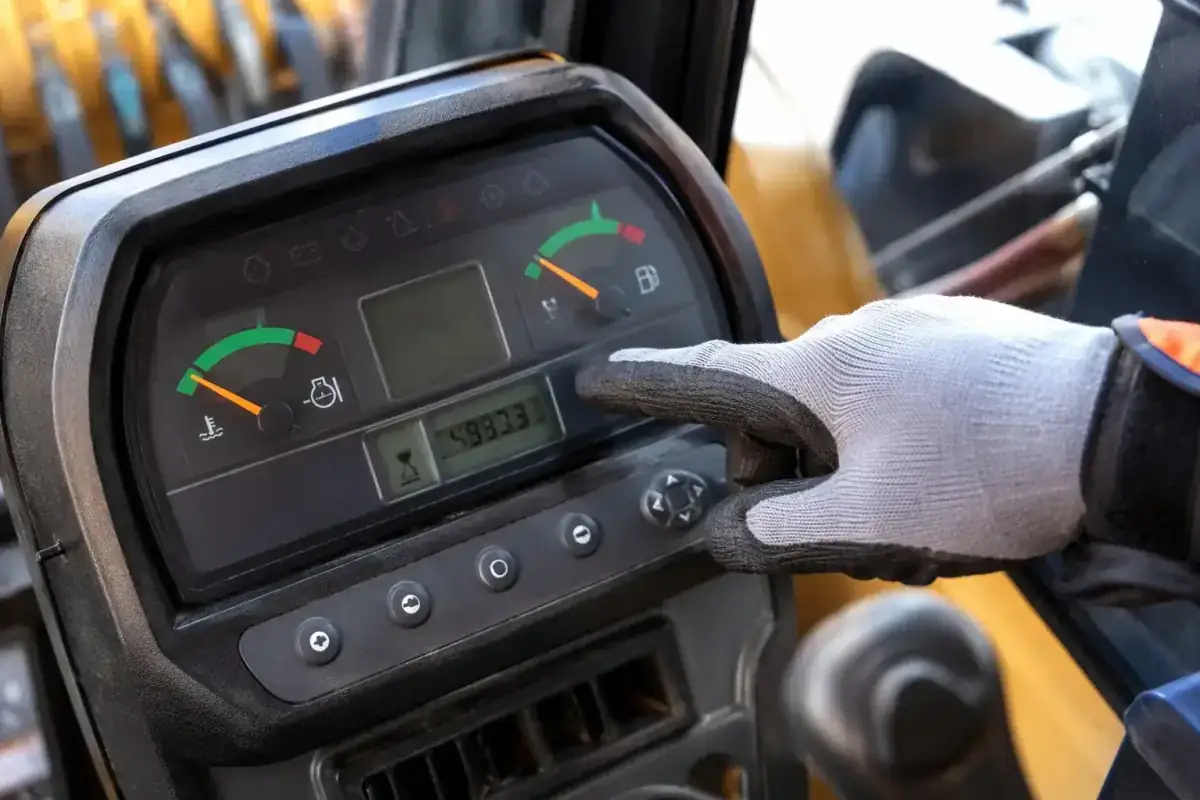
Figure 1: Professional technicians cross-referencing digital hour counts with physical wear indicators to prevent hour meter fraud.
How to Cross-Check with ECU/Telematics Data
In 2026, the only reliable method to counter excavator hour meter rollback is through an ECM (Electronic Control Module) audit. Modern excavators store usage data in multiple "black box" locations beyond just the dashboard display. By using original diagnostic software (like CAT ET or Komatsu Service Tool), a technician can extract the total "Engine Work Time," "Fuel Consumed," and "Historical Boost Pressure." Even if the dashboard meter is changed, the internal registers often remain intact. For example, if you divide the "Total Fuel Consumed" by the "Total Hours" and get a consumption rate that is 2x the factory standard, it indicates the hours have been artificially lowered. At our Shanghai export yard, we provide these digital "Hour Audits" for every documented unit. This transparency allows B2B buyers to verify that a machine's digital history perfectly matches its mechanical condition.
What to Do If You Suspect Tampering
When you buy on the strength of an ECM audit, make the audit part of the contract. Ask the supplier to attach engine work time, fuel consumption, and historical boom hours to the sale documents. Photograph the hour meter at loading to cross-check the reading on arrival.
Frequently Asked Questions (FAQ)
Q: Is it common for hour meters to be rolled back in the used market?
A: Unfortunately, yes. In unverified yards, excavator hour meter rollback is a frequent tactic to inflate prices. This is why sourcing from a documented exporter with a technical reputation is critical.
Q: Can a digital hour meter be tampered with?
A: Yes. Modern digital meters can be re-programmed or replaced with a "new" unit from a salvage machine. However, the data stored in the engine's main ECM is much harder to alter.
Q: How can I verify hours if the machine has no telematics?
A: Rely on physical forensics: undercarriage wear (measured in mm), pedal wear, and hydraulic pump stall-time recovery. If these 3 areas show normal wear but the meter shows low hours, the machine has been rolled back.
Q: Does low hours always mean better condition?
A: Not necessarily. A 2,000-hour machine used for rock breaking is in worse condition than a 5,000-hour machine used for soil grading. Always look at the application history.
Q: What is the most reliable way to check true usage?
A: Dividing total historical fuel consumption (from the ECU) by the hours. This gives an undeniable "intensity profile" of the machine.
Q: Can I request a refund if I find the meter was rolled back after arrival?
A: This depends on your contract. That's why we recommend including "ECM Data Verification" as a condition of the Proforma Invoice (PI) to ensure legal protection.
Listed Low-Hour Inventory
Used Caterpillar 330D
used condition, original paint, documented ECM hour-meter audit included.
View Technical Specs →Used Sany 215C Pro
ROI leader for 2026. Low documented hours, high-pressure pump listed.
Check Availability →Source Listed Machinery. Zero Risks.
Don't guess your machine's history. Get an all-inclusive ECM audit and a unit-specific inspection for your next excavator.