Market update: Buyers searching for a used CAT 307E excavator for sale in China are usually looking for a compact machine that can move between utility, landscaping, drainage and general construction jobs without the transport burden of a larger excavator. The key buying question is not only whether a CAT 307E is available. It is whether the exact unit, configuration and export scope can be verified before payment.
Key takeaways
- 307E suitability depends on the exact operating weight, attachments and transport limits.
- Serial/PIN, engine-plate and hour-meter evidence should identify the same machine.
- Cold-start, hydraulic, swing, travel and undercarriage checks matter more than clean paint.
- Compare equipment-only, FOB, CFR and CIF terms to the buyer's real destination port.
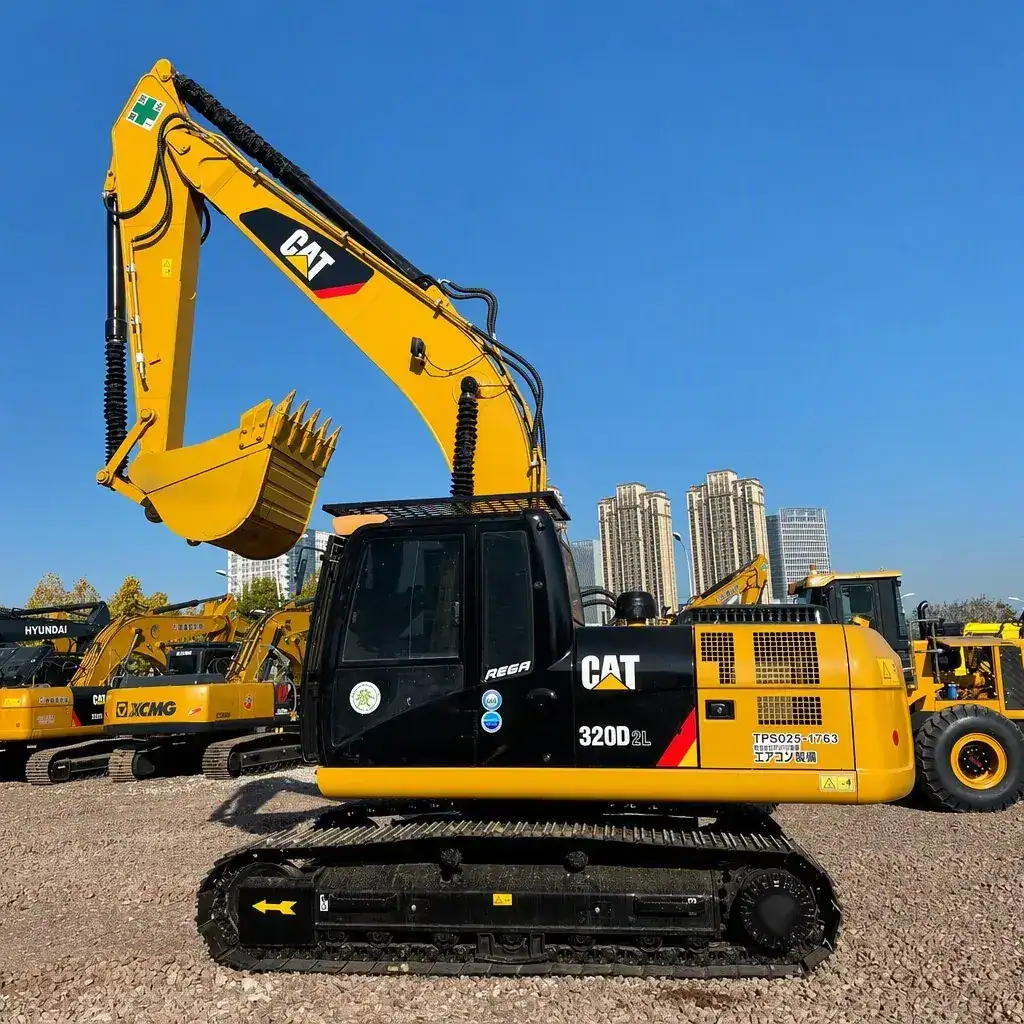
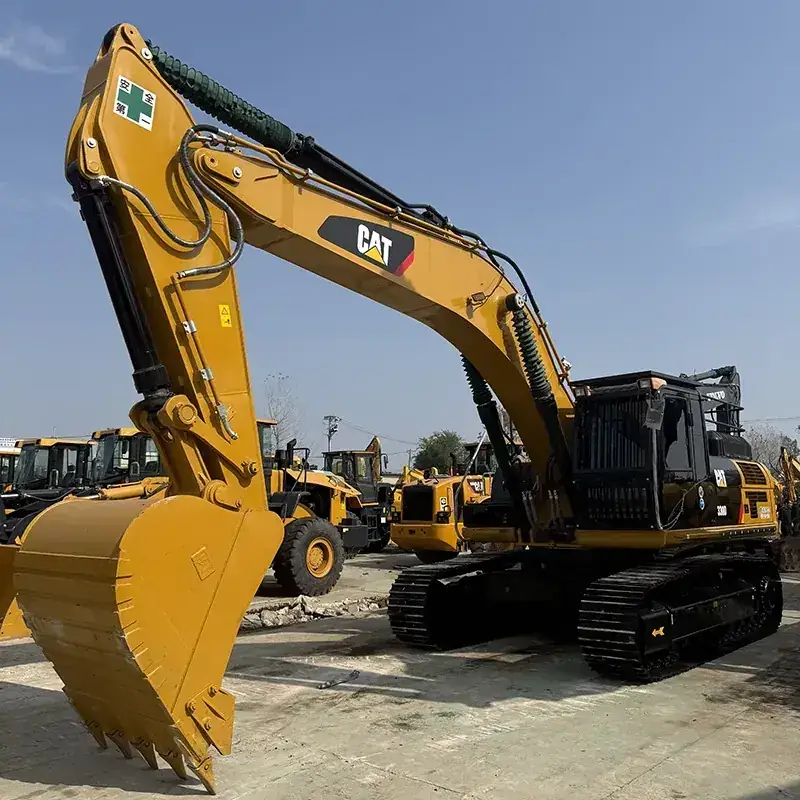
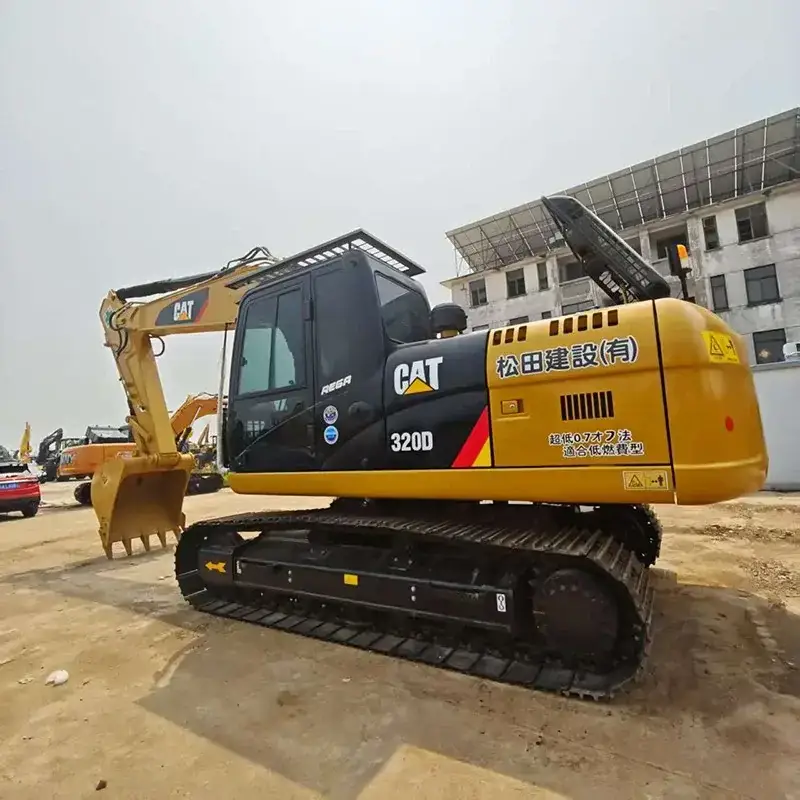
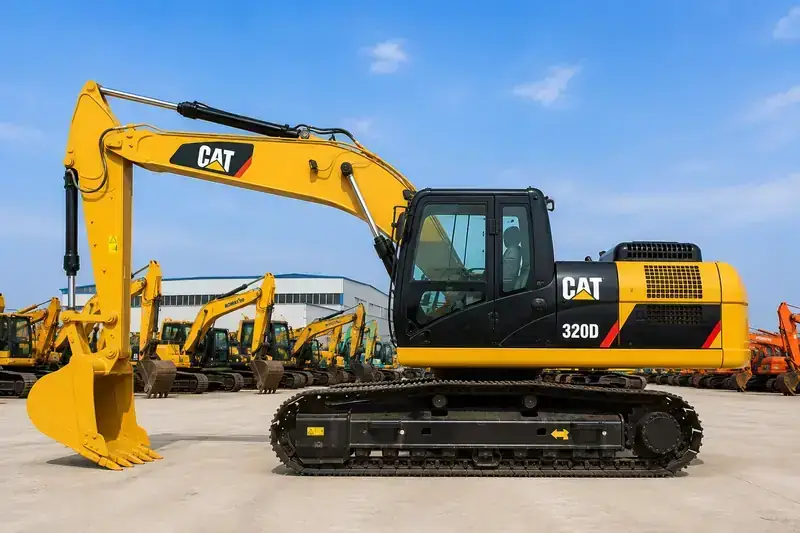
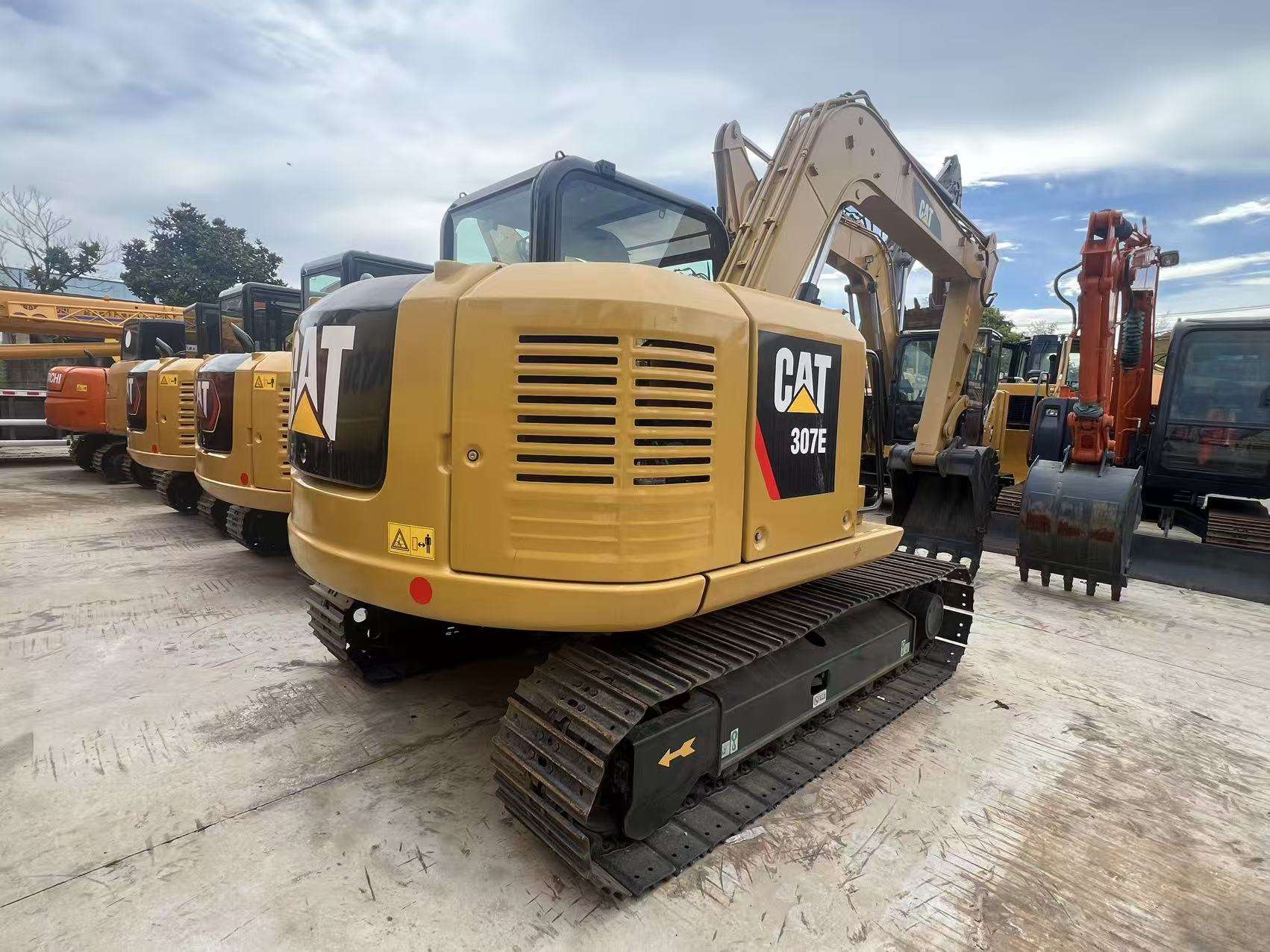
Image note: the image shows a CAT 307E in a Chinese equipment yard. It is a current visual reference for the model and yard context; request dated, unit-specific photos and inspection material for the exact machine under quotation.
Why the CAT 307E remains relevant for compact-site work
A used CAT 307E can fit projects where access, transport and maneuverability are as important as breakout force. Utility contractors may use compact excavators for trenching and pipe work. Landscaping and drainage teams may prioritize smooth control and a practical attachment package. Road maintenance and small site-preparation jobs can value a machine that is easier to move between locations.
Before comparing listings, record the required bucket, quick coupler, auxiliary hydraulic circuit, track or transport width, operating weight and destination rules. A model badge alone does not define the working configuration. Use the Caterpillar inventory to compare available units and request the exact listing reference.
Evidence buyers should request from a China supplier
Start with identity. Ask for readable photographs of the serial/PIN plate, engine plate and hour meter, together with a dated wide shot that shows the plates on the same machine. Ask for one continuous cold-start and operating video. The operator should show the dashboard and initial exhaust, then demonstrate boom, arm, bucket, swing and travel after the machine warms up.
For a used Caterpillar 307E in China, request written notes on repainting, weld repairs, replaced components, known leaks and missing service records. If diagnostic, pressure or temperature readings are supplied, ask for the test date, conditions and unit identifier. Evidence should help you ask better questions; it should not be presented as a remote guarantee of every internal component.
Mechanical checks that protect the first-service budget
Inspect engine starting, cooling and visible smoke, then review hydraulic pump response, hose condition, cylinder rods, boom and arm drift, swing behavior and travel balance. Check pins, bushings, the bucket linkage, final drives and undercarriage components. Look closely at track shoes, links, rollers, idlers, sprockets and track frames for uneven wear or leakage.
Compare the displayed hours with cab controls, pedals, seat condition, service records and wear in high-load joints. Hours are useful evidence, but they are not a complete condition grade. Ask the supplier to explain any mismatch in writing and include the agreed condition in the purchase file.
Export planning: FOB, CFR and CIF
Ask for a written quotation to the actual destination port. For West Africa, that may be Lagos or Apapa; for East Africa, Mombasa; for the Gulf, Jebel Ali or Dammam; and for other markets, the buyer's nominated port. Request equipment-only, FOB, CFR and CIF options where appropriate, with freight, insurance, loading, lashing, terminal handling and excluded destination costs shown separately.
Import classifications, inspection requirements, duties, taxes and registration rules vary by country and can change. Confirm current requirements with a licensed broker or destination authority. A supplier's general export experience does not replace destination-specific customs advice.
Keep the exact unit tied to every document
Before releasing payment or loading, match the serial/PIN, model and description across the inspection report, signed contract, commercial invoice, packing list, bill-of-lading instructions and loading photographs. If the excavator moves between yards or the quotation changes, request a final identity check. This simple step reduces the risk of a document describing a different machine.
For more context, review the used excavator factory verification guide, the China used excavator buying guide and the used excavator category.
Buyer checklist for a used CAT 307E
- Application, attachment, operating weight and transport requirements defined.
- Serial/PIN, engine plate and displayed-hour evidence received.
- Cold-start, warm hydraulic, swing and travel video reviewed.
- Undercarriage, joints, hoses, leaks, cab and service records checked.
- Equipment-only, FOB, CFR or CIF scope stated to the real port.
- Contract, invoice, packing list and loading evidence identify the same unit.
Conclusion
The strongest used CAT 307E excavator for sale decision combines compact-site suitability with traceable evidence and a clear shipping scope. Request current unit-specific photos, video, inspection material and a destination-port quotation before selecting the machine.