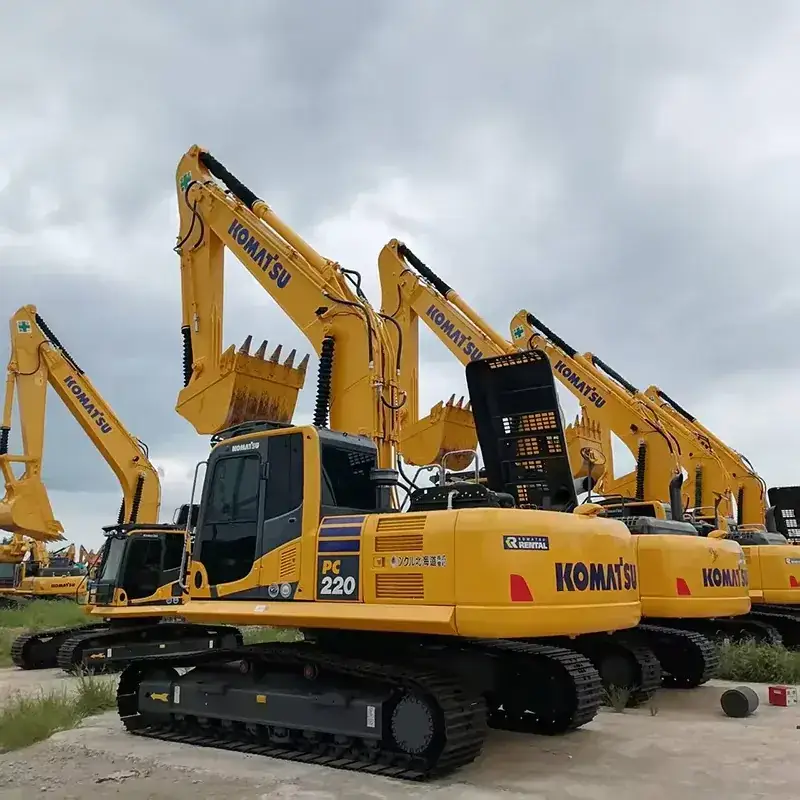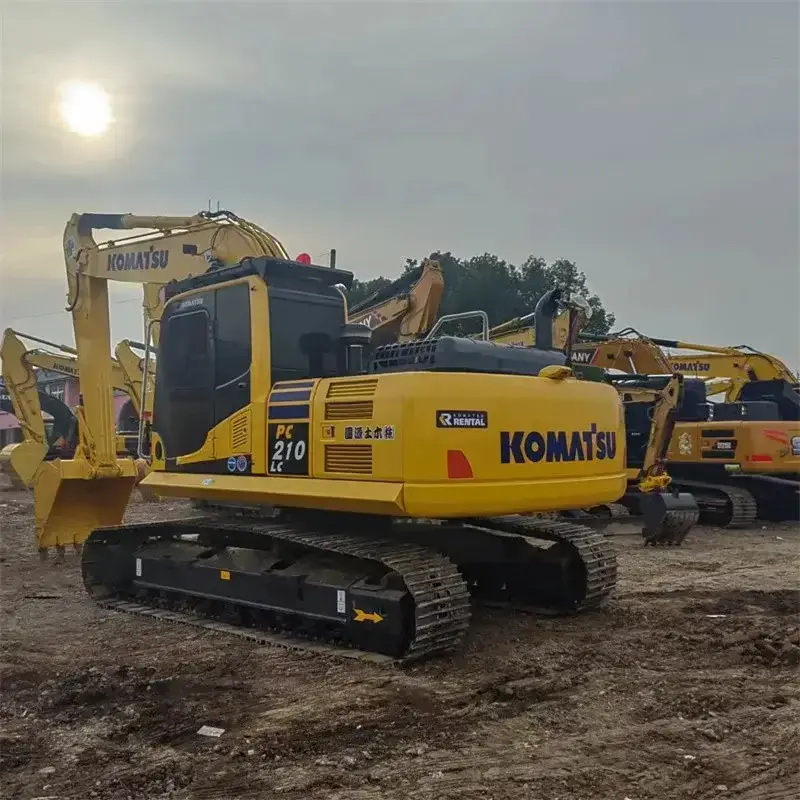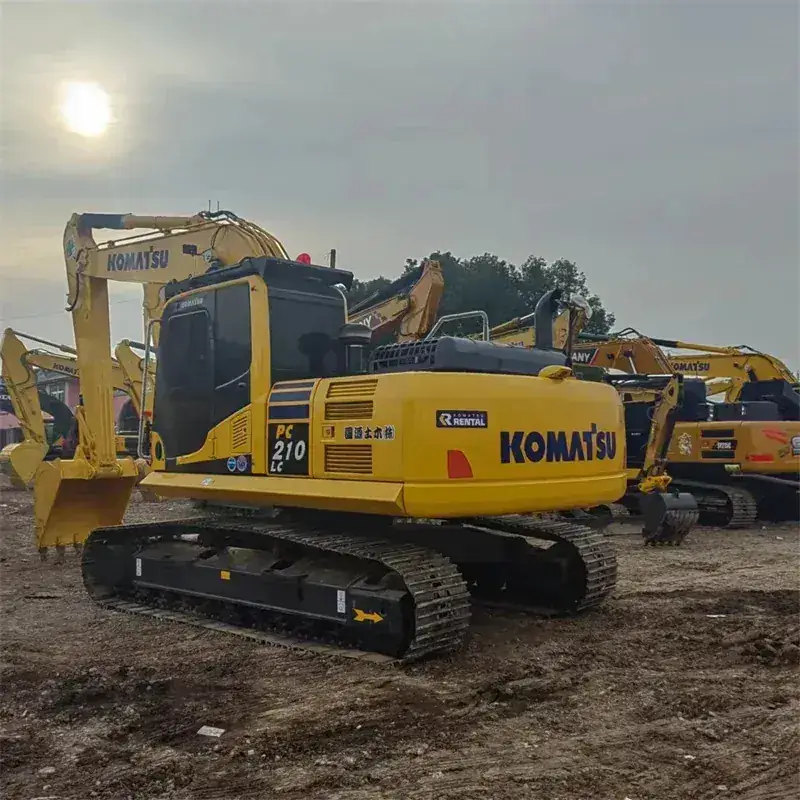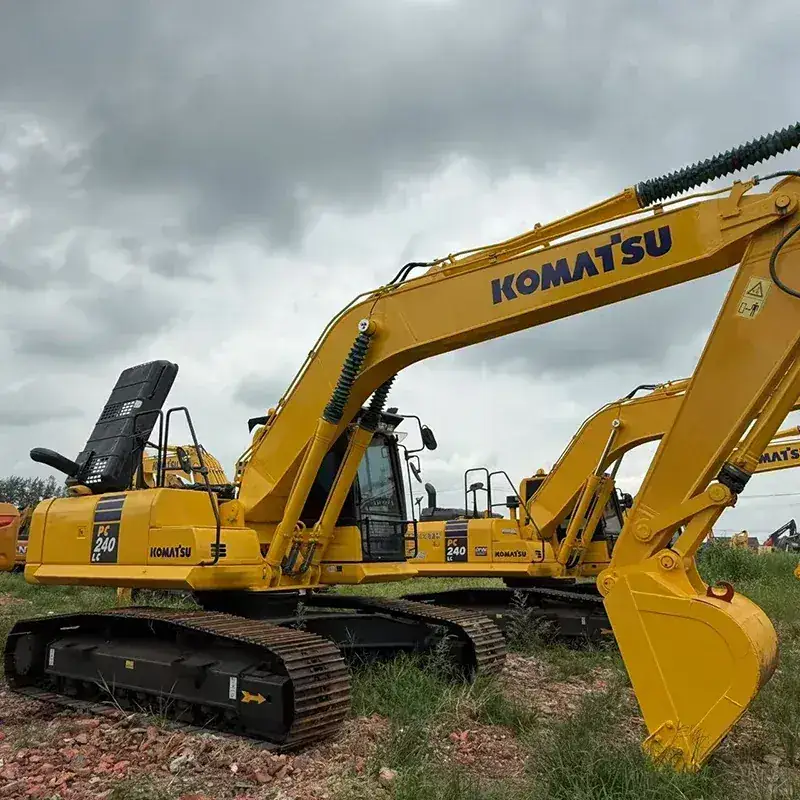
Direct answer: A reliable used Komatsu excavator factory in China should be able to connect one exact machine to clear identity evidence, a practical operating test and a written export quotation. Before you compare price, ask for the serial/PIN plate, engine plate, hour meter, dated photos, an uncut cold-start and warm working video, and a document pack that names the same unit.
Executive summary
Buying direct from a used Komatsu excavator factory can improve inventory access and export coordination, but the buyer still needs unit-specific proof. Verify the supplier, identify the exact PC-series machine, test the systems that drive uptime, and compare FOB, CFR and CIF costs to the real destination. Treat a factory claim as a starting point for verification, not as a substitute for evidence.
What a used Komatsu excavator factory should show
A factory or export yard should be able to explain where the machine is located, who controls the sale, and which documents can be issued for the selected unit. Ask for the yard location, a current contact person, the available inspection scope and the intended shipping route. The purpose is not to collect marketing language. It is to establish a traceable chain from the physical machine to the commercial documents.
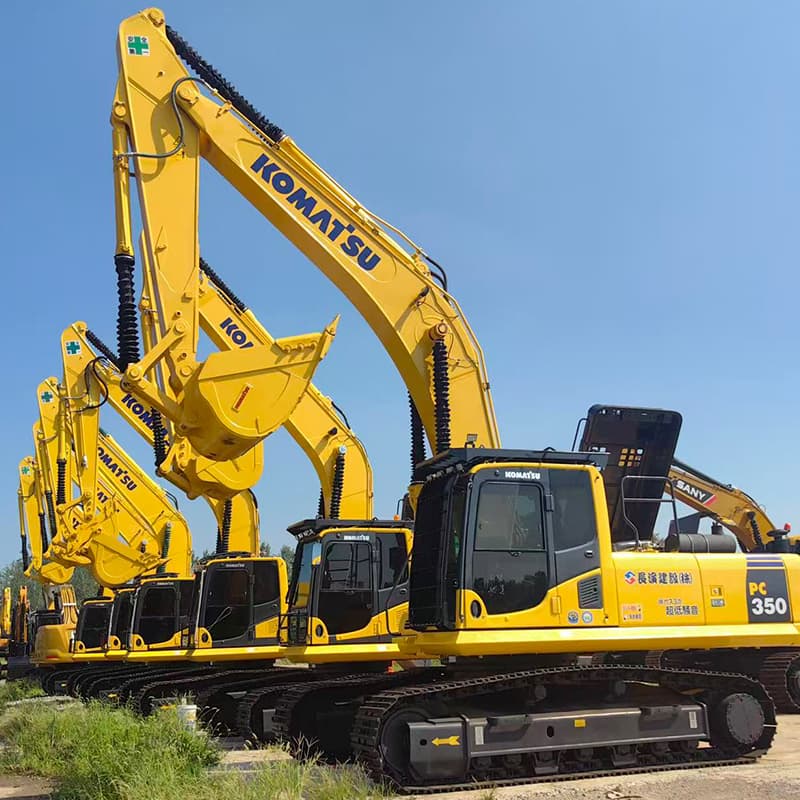
Use the Komatsu inventory to compare current models and request the exact unit reference before discussing a deposit. If a listing has no serial/PIN, no current image, or only generic catalogue specifications, treat it as a lead that still needs verification.
1. Verify the exact machine identity
Start with readable photographs of the serial/PIN plate, engine plate and hour meter. The photos should show enough surrounding context to demonstrate that the plates belong to the same excavator. Record the identifier in your buying sheet and ask the seller to repeat it on the inspection report, quotation, contract, commercial invoice and packing list.
For a Komatsu PC excavator, also confirm the exact series, operating weight, bucket size, track shoe width, engine configuration and attachments. Similar model names can represent different generations or working configurations. A clear identity record protects the buyer from comparing one machine while receiving another.
2. Request a cold-start and warm operating test
An uncut video is useful because it shows the sequence rather than only a selected moment. Ask the operator to begin with the machine at rest, show the hour meter and warning panel, start the engine, and then demonstrate boom, arm, bucket, swing and travel after warm-up. Where safe and practical, include combined movements that resemble the intended job.
Note smoke, warning lights, abnormal noise, hesitation, drift, uneven travel and visible leaks. These observations are prompts for follow-up questions, not a remote guarantee of every internal condition. If hydraulic pressure, temperature or diagnostic readings are supplied, ask for the date, test conditions and unit identifier on the report.
3. Inspect the systems that affect ownership cost
Focus on the engine and cooling package, hydraulic pumps and hoses, cylinder rods and seals, swing bearing, travel motors, final drives, pins and bushings, and the complete undercarriage. Ask for close-up images of track shoes, links, rollers, idlers, sprockets and track frames. Uneven wear or a leaking component does not automatically reject a machine, but it should be visible in the condition description and reflected in the maintenance budget.
Ask about repainting, structural welds, replacement components and prior quarry, mining or demolition work. Compare the displayed hours with cab wear, pedals, joysticks, seat condition, service records and any available electronic history. Hours are an important data point, not a complete condition verdict.
4. Confirm export terms to the real port
Request three comparable commercial options when possible: equipment-only, FOB and a destination-specific CFR or CIF quote. Name the actual port, such as Lagos, Mombasa, Jebel Ali, Dammam or another buyer-selected destination. Ask the seller to separate freight, insurance, loading, lashing, terminal handling, customs clearance, duties, taxes, storage and inland delivery.
Import rules and required documents vary by country and can change. Confirm current requirements with a licensed customs broker or destination authority. The factory's export experience does not replace destination-specific advice.
5. Keep evidence and paperwork together
Before payment or loading, match the serial/PIN, model and description across the inspection report, contract, commercial invoice, packing list, bill-of-lading instructions and loading photographs. Request a final identity check if the machine has moved between yards or if the quote has changed. A complete file makes it easier to resolve discrepancies before they become a shipping problem.
For a practical pre-purchase workflow, see the used excavator from China buying guide and review specific used excavator listings with the same evidence questions.
Buyer checklist
- Supplier identity, yard location and exact machine reference.
- Readable serial/PIN, engine plate and displayed-hour evidence.
- Uncut cold-start, warm hydraulic, swing and travel video.
- Undercarriage, joints, final drives, leaks and service records reviewed.
- Equipment-only, FOB, CFR or CIF scope written to the actual port.
- Contract, invoice, packing list and loading evidence match the same unit.
Conclusion
The best used Komatsu excavator factory is not defined by a slogan or a low first quote. It is defined by a repeatable process that identifies the exact machine, shows how it operates, discloses condition and states the export scope. Request current evidence and a destination-specific quotation before selecting a unit.