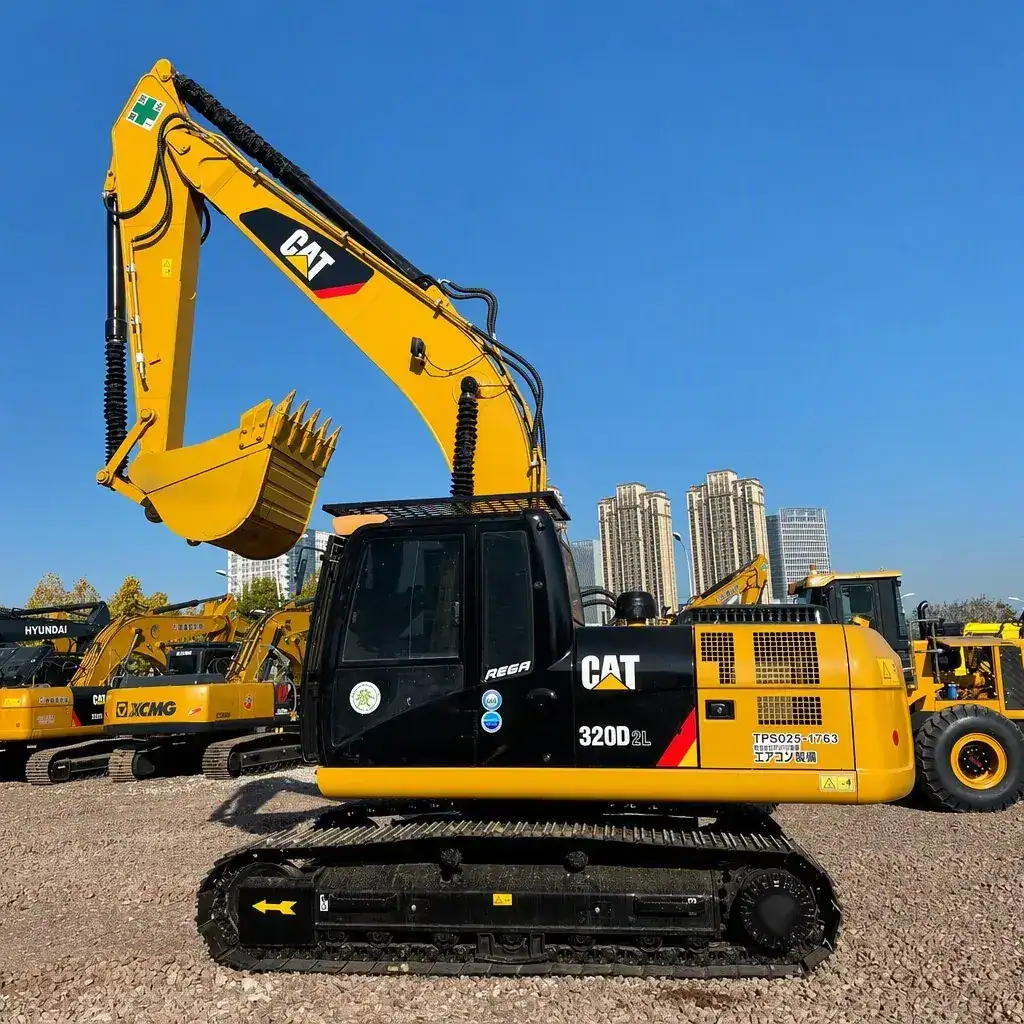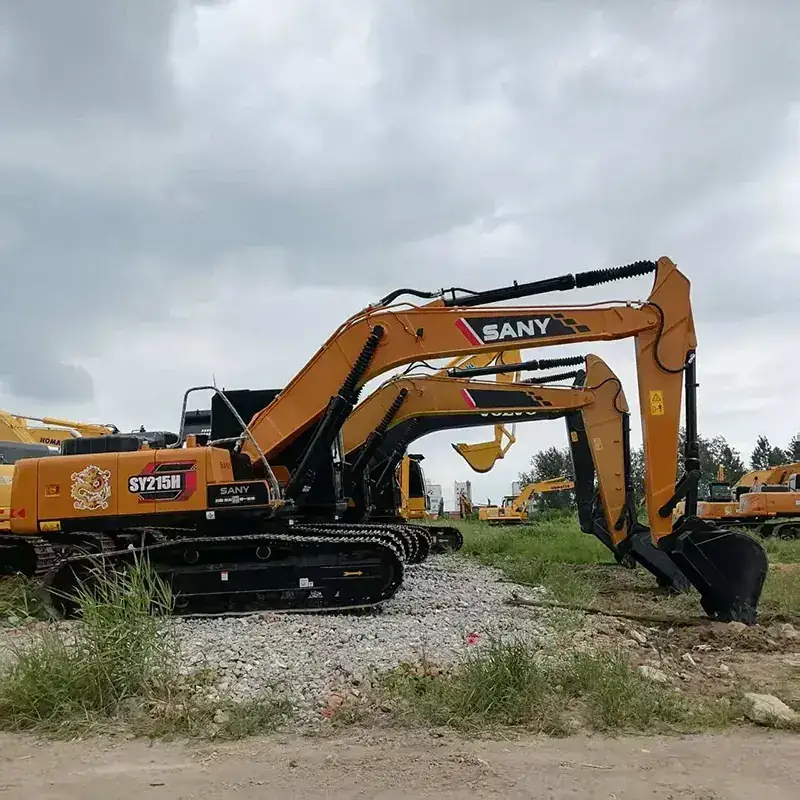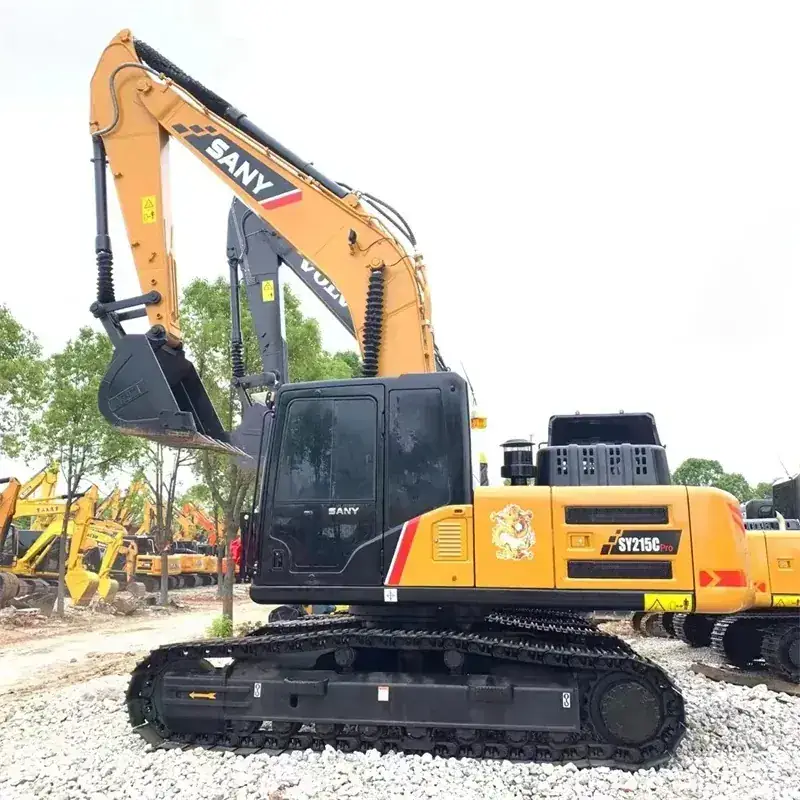
The global race for critical minerals has pushed mining infrastructure into overdrive. As new equipment lead times stretch into 2027, the industry focus has shifted to identifying the best excavator for mining available for immediate deployment. In this special report, we analyze why high-tonnage Documented Near-New assets have become a widely used tool for open-pit mining contractors and how buyers can secure dependable units in a tightening market.
Supply Chain Update: Mining Fleet Availability
Global inventory of the best excavator for mining in the 30-50 ton class in good condition has tightened this quarter. Buyers are advised to secure maintenance-listed units from direct yards to avoid project start delays, since available stock is being absorbed quickly by contractors with near-term production targets.
Why Tonnage Matters in Open-Pit Work
In open-pit mining, excavator tonnage is directly linked to productivity and unit cost. A larger machine moves more material per cycle and can load haul trucks in fewer passes, which lowers the cost per ton moved. But the right size also depends on the fleet around it. An excavator that is too small for the haul trucks on site creates bottlenecks; one that is too large wastes fuel and capital if it is never run near capacity. Matching the excavator's bucket and breakout force to the mine's production plan is essential to realizing the financial benefit of higher tonnage.
Engineering the Profit: What to Verify
Import classification, duties, age rules, inspection requirements, and customs documents vary by destination and date. Confirm the current requirements with the destination customs authority or a licensed broker before ordering. Beyond the paperwork, the engineering condition of the machine determines how much productive life remains. A documented unit-specific inspection should cover engine hours and blow-by, hydraulic pump flow, undercarriage wear, and structural integrity. For mining machines, which operate under heavy loads in dusty conditions, this evidence is especially important.
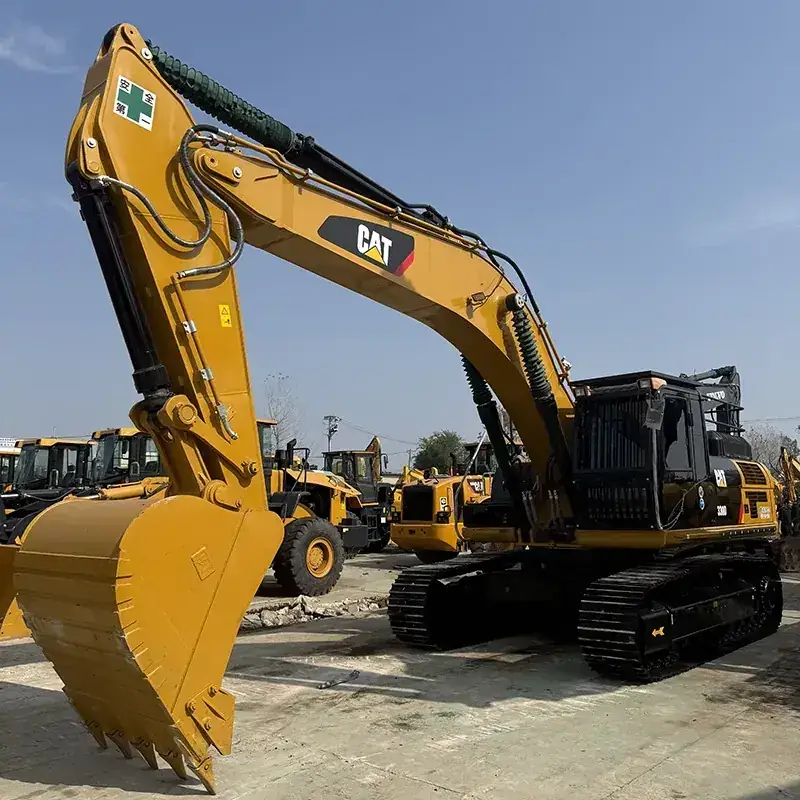
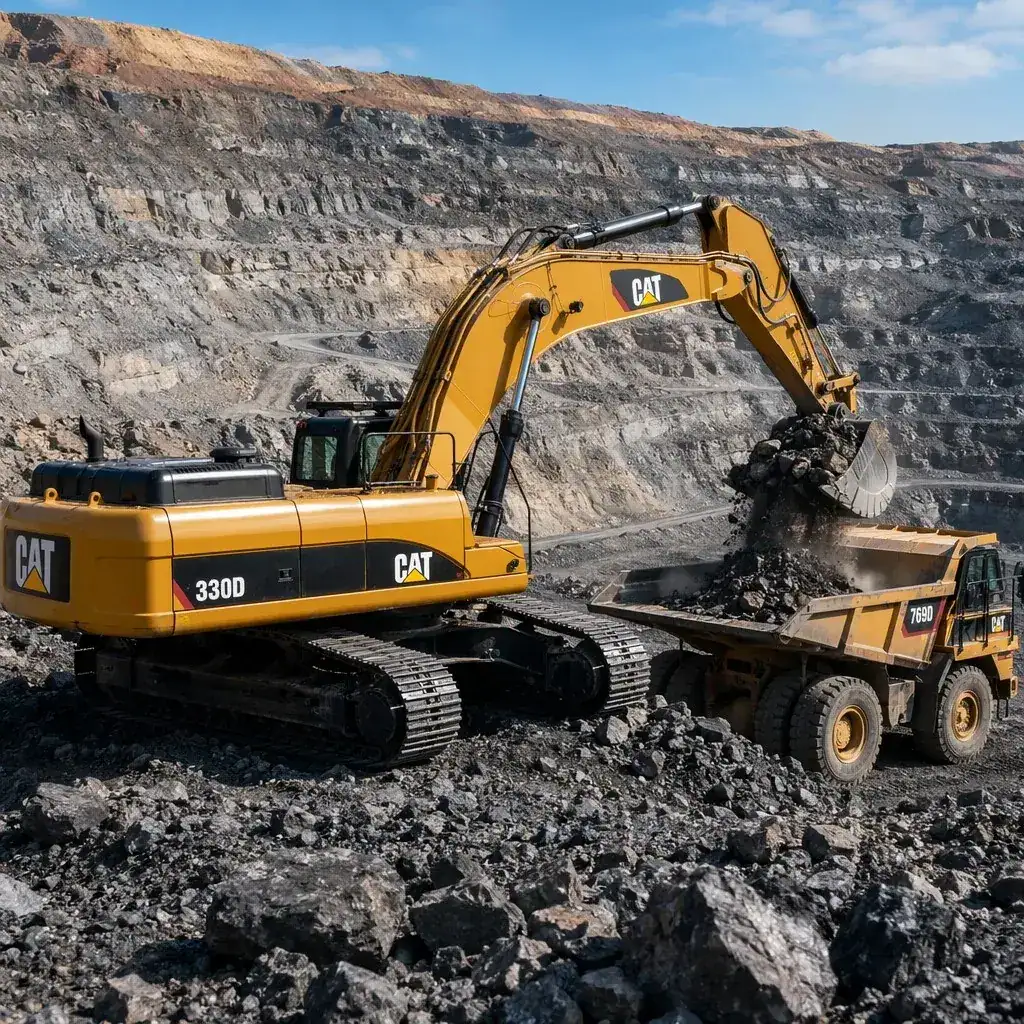
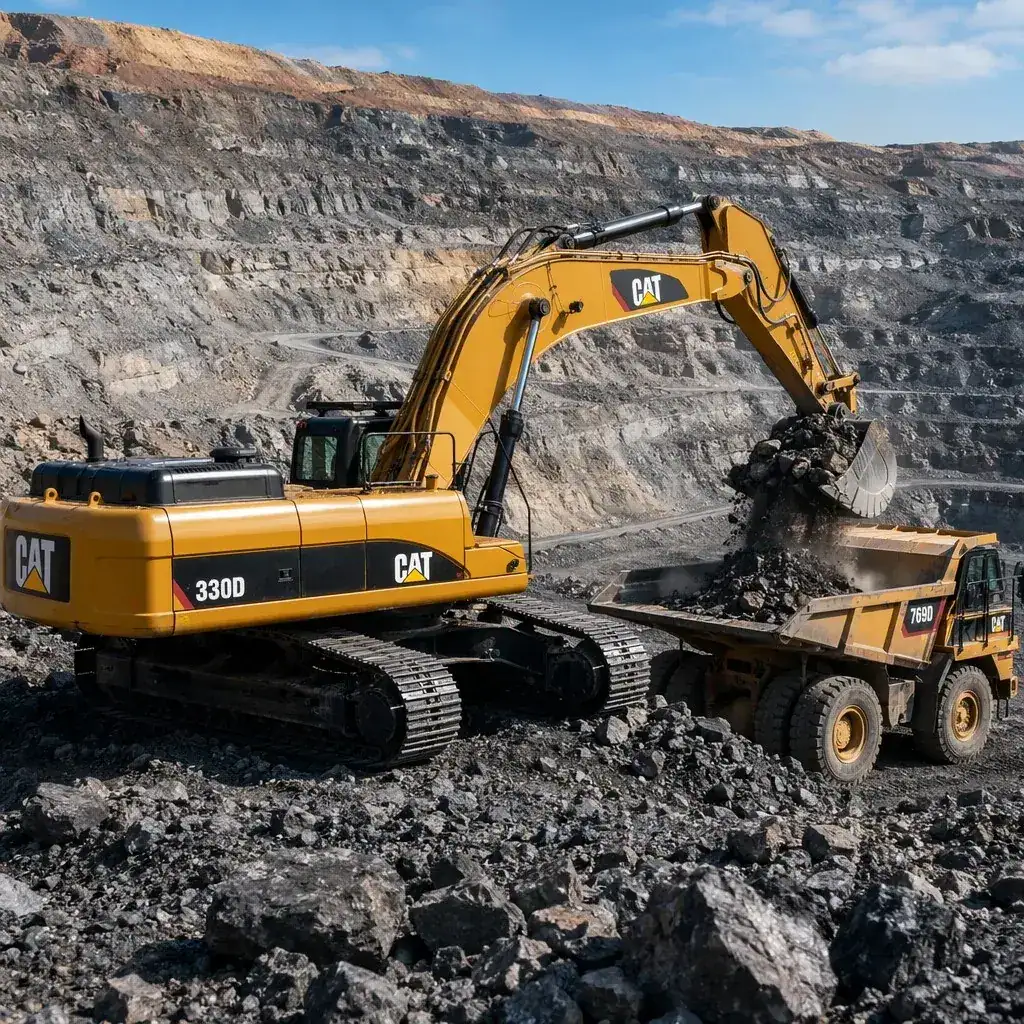
For projects requiring high-production earthmoving, we recommend our Caterpillar 330D (30 Tons), which ranks among the best excavator for mining in its weight class due to its reinforced boom and CAT C9 ACERT power plant.
The Multi-Project Utility of High-Grade Used Stock
Contractors in Africa and the Middle East are increasingly citing the best excavator for mining as a machine that can transition from deep excavation to site preparation without a drop in hydraulic precision. A machine in good condition ensures that the control valve blocks are free from internal leakage, a critical factor when operating in the high-ambient dust of a mining environment. This versatility lets a single high-tonnage excavator support multiple phases of a project, improving fleet utilization and return on investment.
Acting Early in a Tight Market
With available stock tightening, buyers who move early have the widest selection and the best opportunity to secure a unit that matches their exact requirements. Waiting can mean settling for a machine that is less than ideal, paying a higher price, or facing a project start delay. Establishing a relationship with a direct export yard, defining your specification clearly, and being ready to commit when the right unit becomes available are the practical steps that keep a mining expansion on schedule.
Conclusion: Securing Your Mining Fleet
Ultimately, the best excavator for mining is one that is backed by a unit-specific inspection and matched to the production plan. At HEAVY MACHINERY PRO, our mission is to ensure that your mining fleet acquisition remains your project's strongest asset throughout the 2026-2030 super-cycle. By sourcing documented, maintenance-listed high-tonnage equipment from a direct yard and acting early in a tightening market, open-pit contractors can keep production moving and protect their margins through the current equipment squeeze.