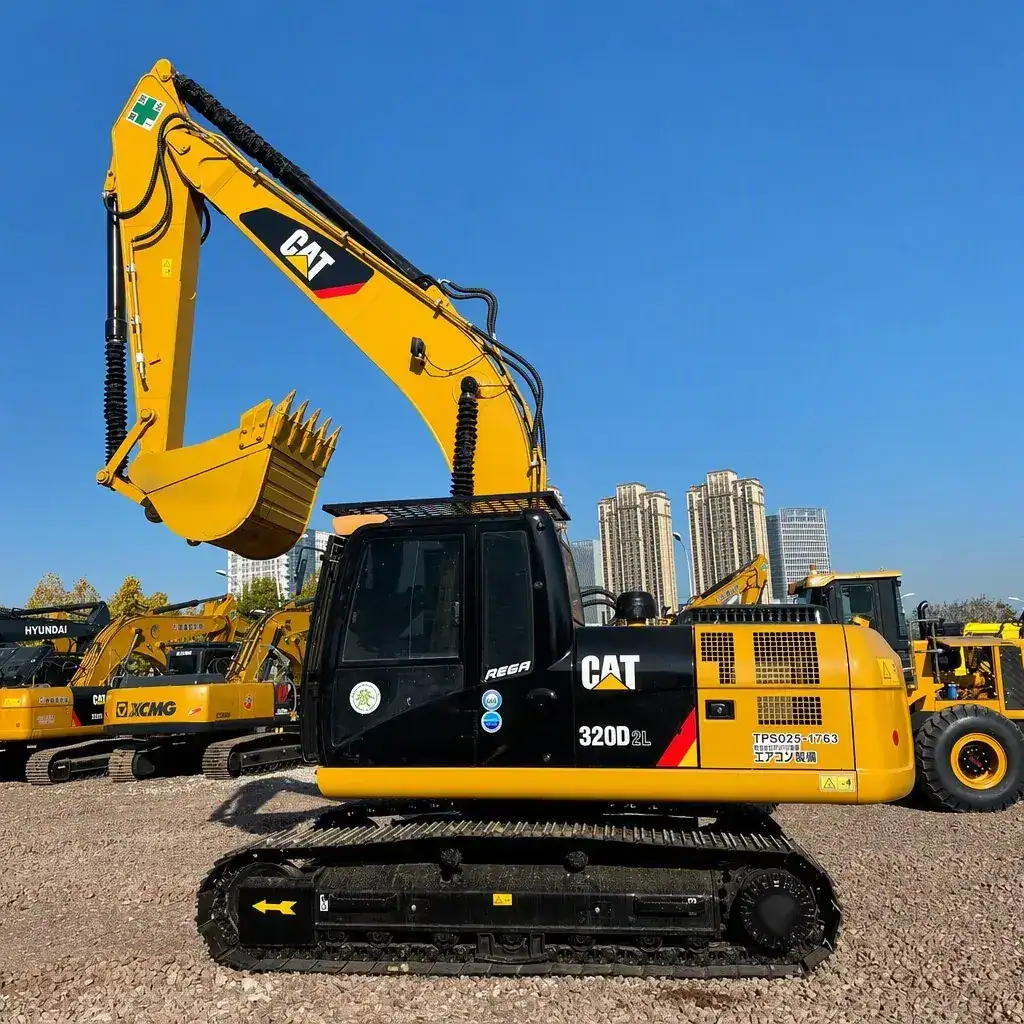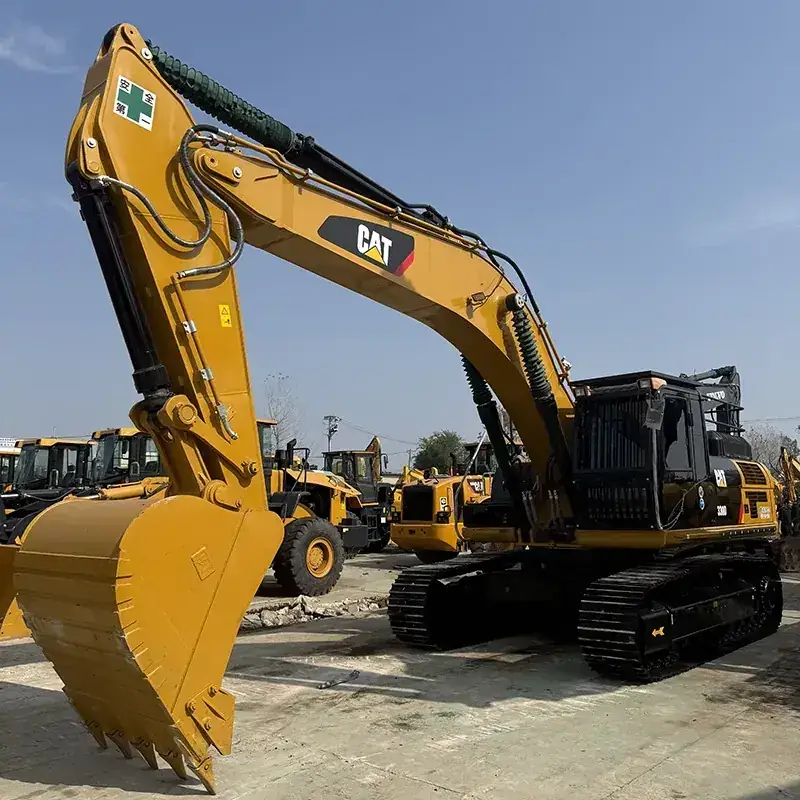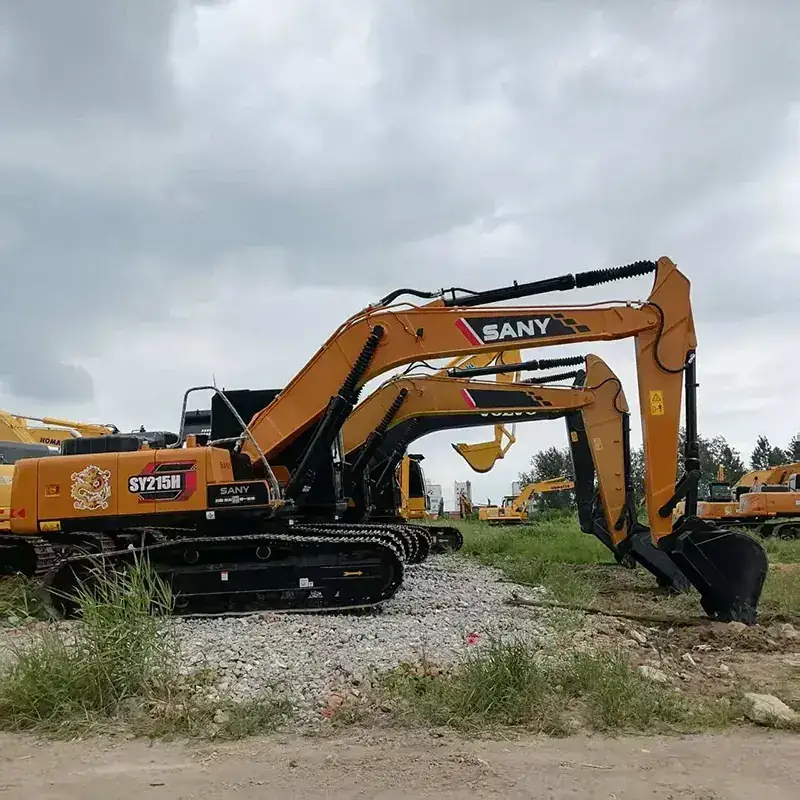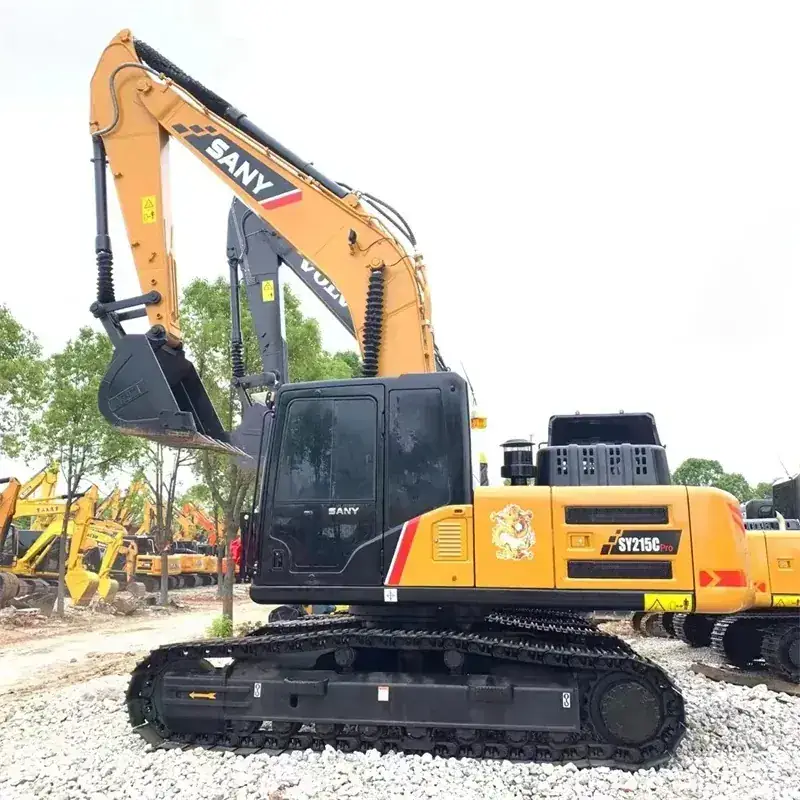
The phrase 95% new used excavator is becoming a common search starting point for contractors who want near-new appearance and predictable operation without the capital cost of a factory-new machine. The important market shift is not the percentage itself. It is the buyer's expectation that a near-new used excavator should come with a clear, unit-specific evidence file.
Key takeaways
- Treat “95% new” as a condition target that must be defined by component.
- Match the serial/PIN across photos, video, inspection records, and export documents.
- Use cold-start, hydraulic, undercarriage, and service evidence to test a low-hour claim.
- Compare the full landed cost of a used excavator for sale, not only the listing price.
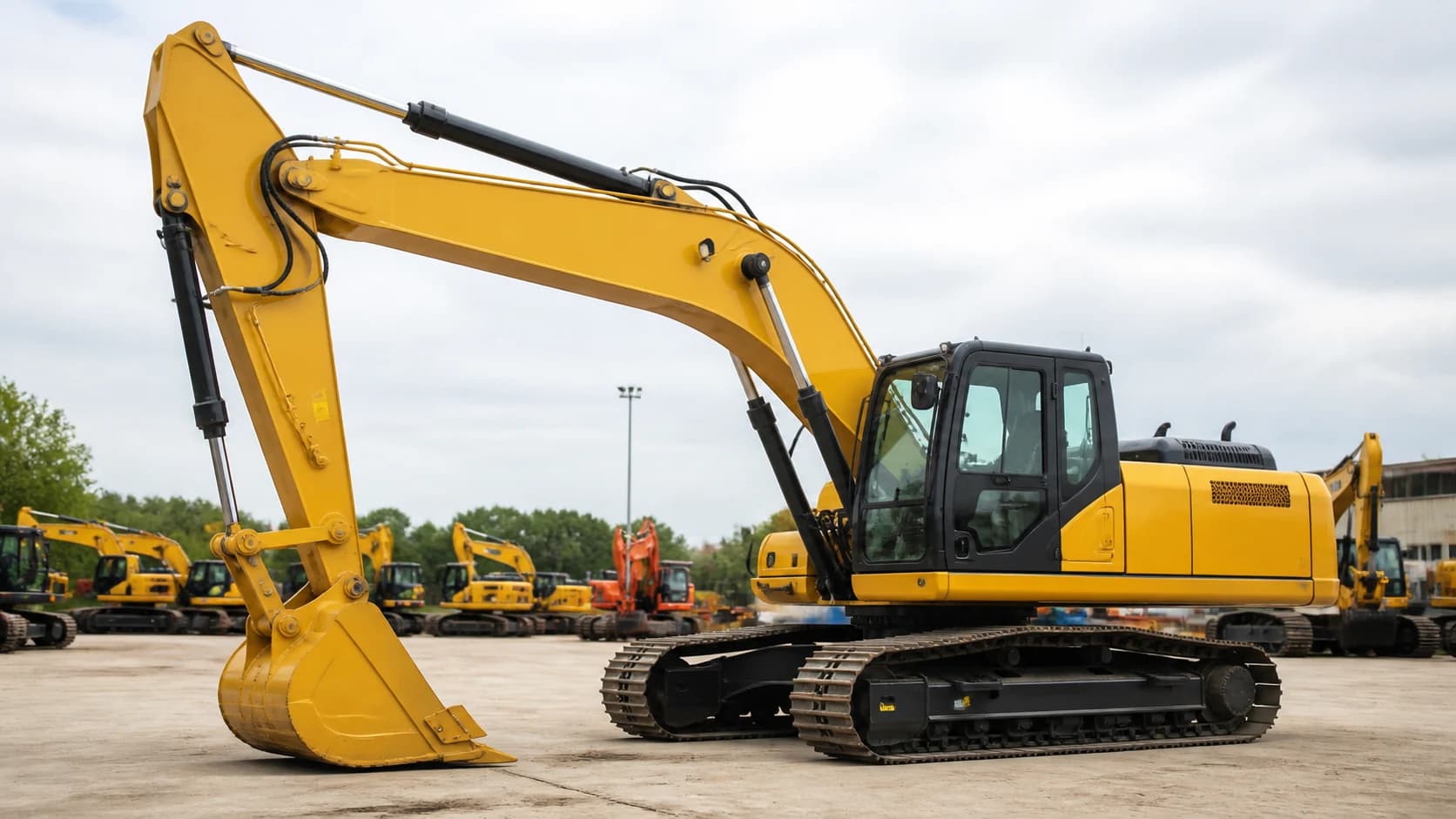
Image note: the hero image is an illustrative editorial image of a near-new used excavator. It is not a photograph of a specific HMP stock unit. Request current, unit-specific photos and inspection material for any machine under consideration.
1. What “95% new” should mean in a buying conversation
“95% new” is not an official grading standard. A responsible seller should explain which parts support the description: original paint and structure, engine response, hydraulic performance, undercarriage wear, cab condition, service records, or a combination of these factors. A clean exterior is useful context, but it does not prove the health of the pump, engine, swing system, final drives, pins, or bushings.
For a used excavator for sale, convert the phrase into a written checklist. Ask for the exact model variant, year as listed, operating hours, serial/PIN, attachment configuration, and any repairs or replacements. Then request evidence for each field. This makes it possible to compare a low-hour used excavator with other candidates on the same basis.
2. The evidence file behind a near-new used excavator
Start with identity. The serial/PIN plate, engine plate, and hour meter should be readable and tied to the same physical machine. A dated wide shot helps show that the identifiers were photographed on the unit being offered, rather than copied from a stock listing. Record the values in the procurement sheet and repeat them in every request.
Next, request one continuous cold-start and operating video. The operator should show the key, dashboard, hour meter, initial exhaust, and warning indicators before demonstrating boom, arm, bucket, swing, and travel functions. If an attachment or auxiliary circuit matters to the job, include it in the demonstration request. Video is a screening tool, not a laboratory report, so unexplained smoke, hesitation, drift, leaks, or abnormal noise should become written follow-up questions.
3. Where low-hour claims need closer inspection
Hours become meaningful when they agree with the rest of the machine's story. Compare the displayed number with service records, cab and control wear, seat and pedal condition, pin and bushing play, track or tyre wear, and any available electronic records. A low-hour reading supported by consistent evidence is more useful than a low-hour reading presented without context.
For crawler excavators, ask for close views or measurements of track shoes, links, rollers, idlers, sprockets, guards, and track frames. Inspect the boom foot, stick nose, bucket linkage, cylinder rods, swing system, and final drives for visible wear or leaks. These checks do not automatically reject a machine; they help you budget the first service and describe the agreed condition accurately.
4. Comparing the 20-ton used excavator class
Product searches often place a used CAT 320D2L, used Komatsu PC210, and used Doosan DX225LCA in the same comparison set. The model name is a useful starting point, but the exact unit still determines the purchase risk. Configuration, boom and arm setup, bucket, auxiliary hydraulics, undercarriage, service history, parts availability, and export documentation can materially change the value of two machines with similar model names.
Use the used equipment catalogue to shortlist candidates, then request unit-specific evidence before comparing quotations. For example, current Caterpillar 320D2L and Komatsu PC210 listings should be evaluated by their individual records, not by a generic brand promise.
5. Export readiness is part of machine value
A near-new used excavator is not ready for an international project until the paperwork matches the equipment. Before payment or loading, reconcile the seller and buyer names, machine description, serial/PIN, price basis, destination, and shipment terms across the contract, commercial invoice, packing list, and loading photographs. The same identity trail protects the buyer when the machine reaches the destination port.
Ask for a written quotation that clearly states equipment-only, FOB, or CIF pricing. Freight, insurance, port charges, duties, taxes, inspection, and inland delivery depend on the unit, loading method, destination, and timing. Confirm current import and age requirements with the destination customs authority or a licensed broker before committing to a sailing plan.
6. How HMP prepares a 95% new used machinery enquiry
For a serious used construction machinery enquiry, HMP can organize the discussion around the exact unit: specification sheet, current photos, available inspection evidence, operating video, serial/PIN confirmation, and a destination-specific quotation. Buyers can also request an independent inspection when the purchase value or operating environment justifies an additional check.
The goal is a transparent decision file. If a component could not be tested, the limitation should be recorded. If a service record is missing, it should be disclosed. If a figure is supplied, it should be linked to the machine identifier and test date. This approach gives a buyer a clearer basis for deciding whether a near-new description is supported.
Conclusion: buy the evidence, not the percentage
A 95% new used excavator can be an efficient procurement choice when the condition description is backed by traceable evidence. Identify the exact unit, verify the cold start and working functions, inspect wear-critical systems, compare the full landed cost, and reconcile the export documents. The result is a more defensible purchase decision for contractors sourcing used machinery across borders.
For current availability, review the HMP used machinery inventory and request the evidence file for the exact model and destination. Pricing and shipping terms are confirmed for the specific unit at the time of enquiry.