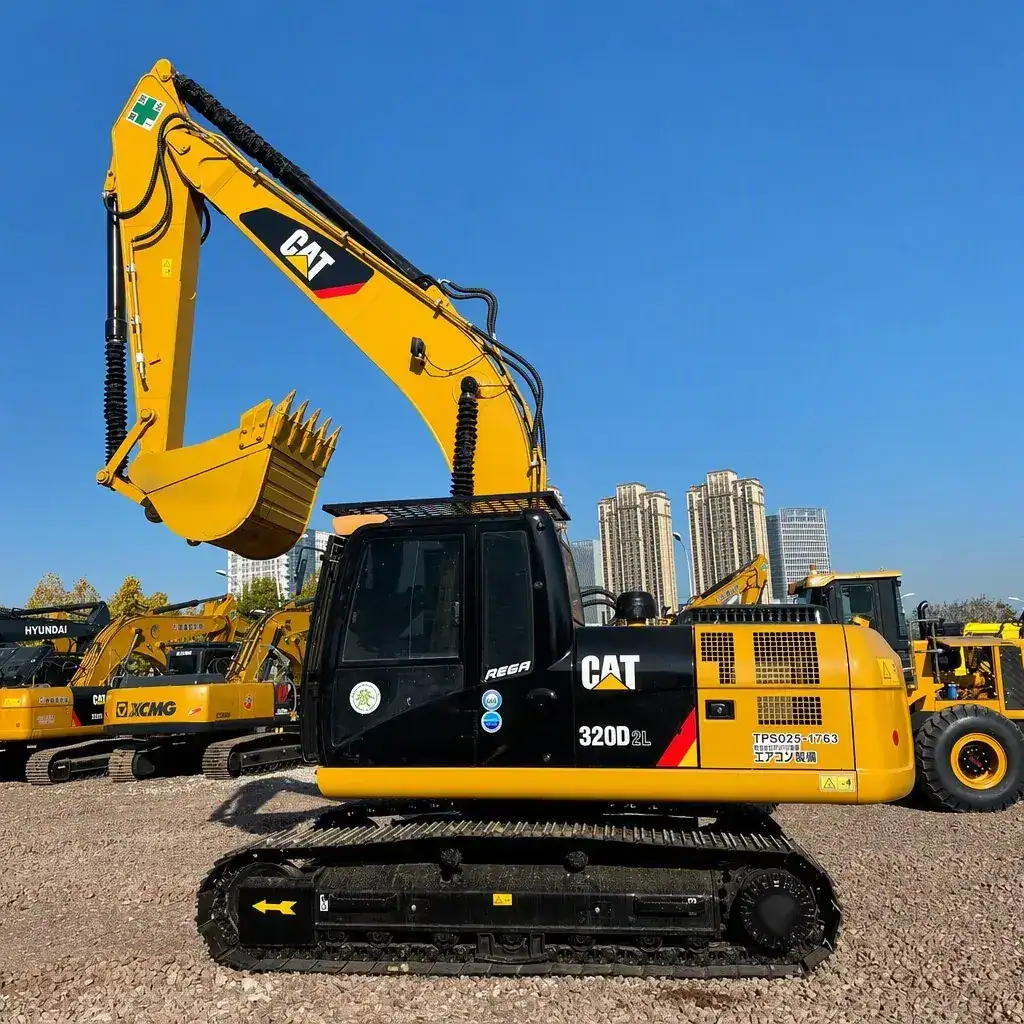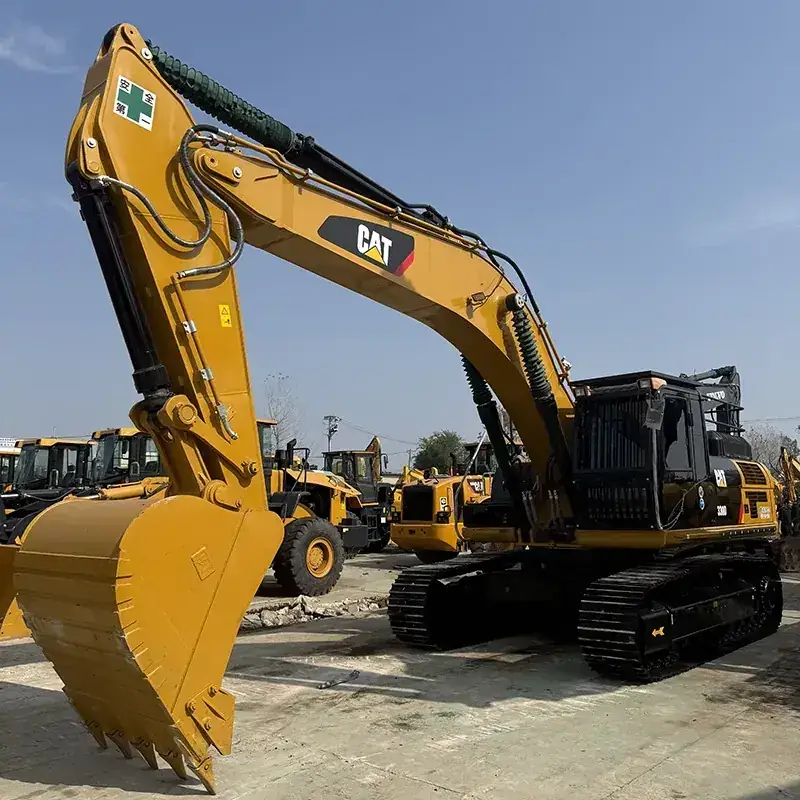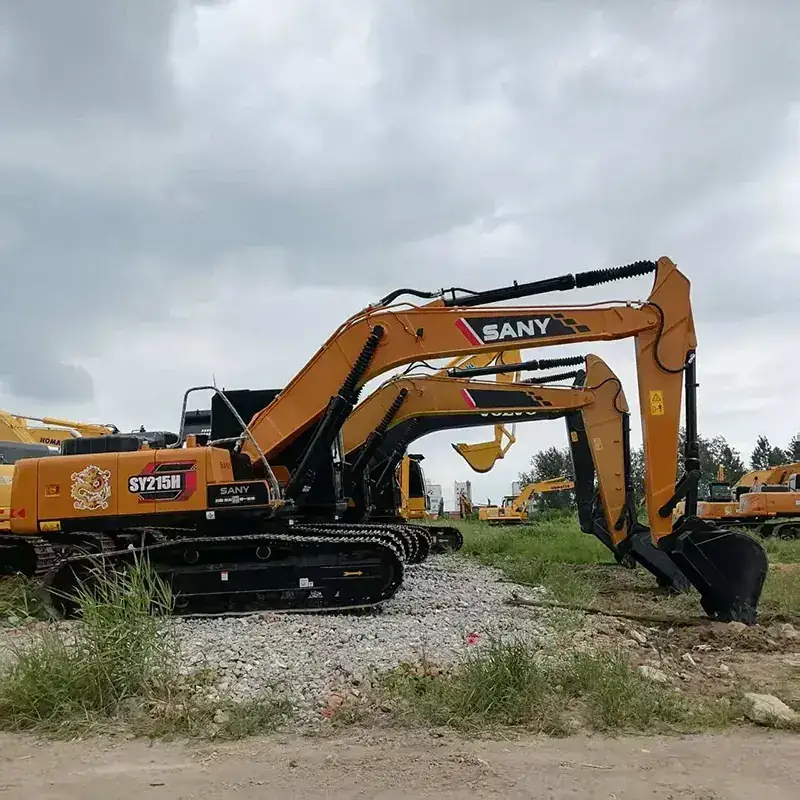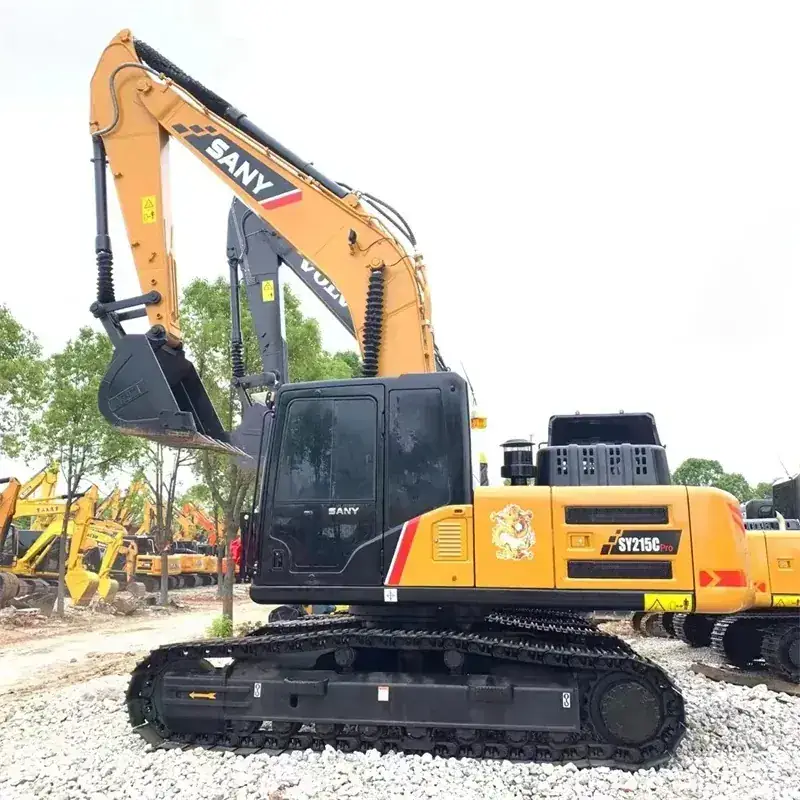
The year 2026 has marked a fundamental shift in how construction firms manage their fleet acquisition. According to our latest logistics and procurement data, the used used excavator has transitioned from a niche choice to a mainstream procurement standard. Below, we analyze the data driving this 'sourcing sector Velocity' and the roadmap for buyers in 2027.
📈 sourcing sector Insight: Acquisition Velocity
Contractors in emerging markets are now prioritizing used used excavator units over brand-new equipment more often in some buyer shortlists. This is driven by the immediate availability of stock and the documented quality of Chinese domestic project turnovers.
The Strategic Rationale for 'used' Sourcing
Why do we see such consistent demand for a used used excavator? It is not just about the lower price tag. It is about the preservation of factory performance standards. A documented used used excavator, must be assessed from the exact machine's verified hours, hydraulic measurements and operating video rather than assumed to match a zero-hour unit.
- Asset Protection: A used machine retains its value significantly longer than older used stock.
- Emission Compliance: Many used used excavator units from 2023-2024 production years meet Tier 4/Stage V standards required for international projects.
- Zero-Wait Deployment: Availability and shipment timing depend on the exact unit, agreed work, inspection, payment clearance, documents, loading plan and carrier booking. Compare the current used-unit timeline with the current new-machine lead time in writing.

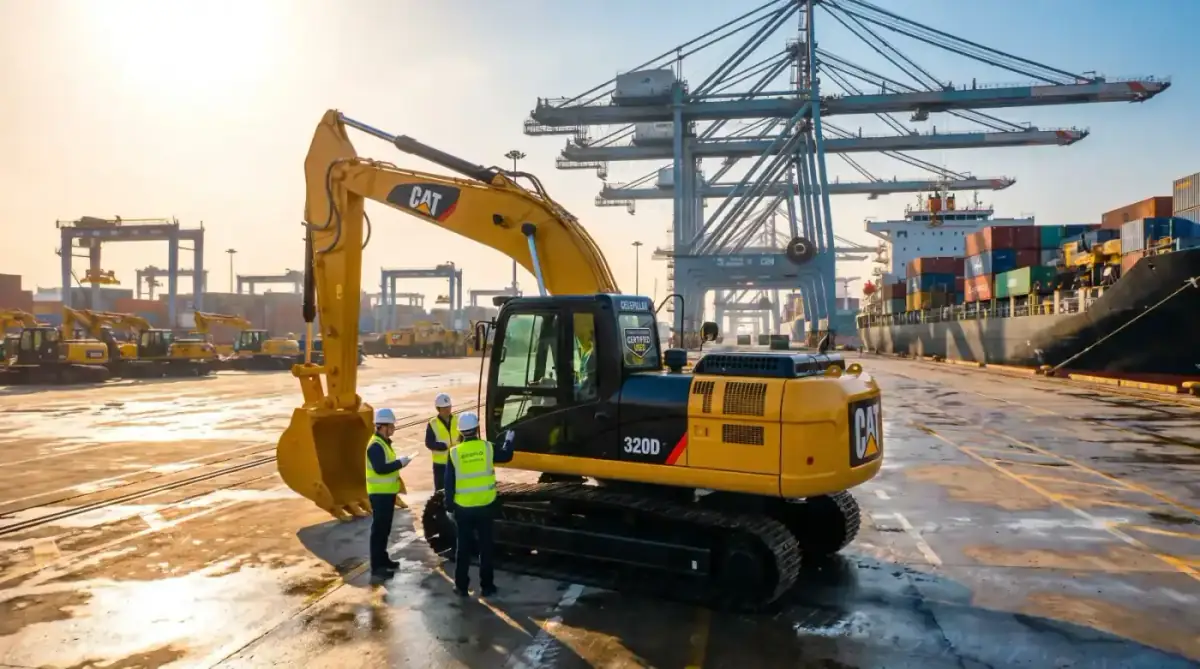
Fig 1: A premium used used excavator being processed for global export at the Port of Shanghai.
The 2027 Roadmap for Procurement Managers
As we look toward 2027, the focus for the used used excavator sourcing sector will shift toward 'Smart Telematics Integration.' Sourcing teams are no longer just looking at the undercarriage; they are auditing ECM (Electronic Control Module) logs to verify fuel efficiency and historical load factors.
"In 2026, the used used excavator represents the apex of procurement logic—it is the bridge between a startup fleet and a Tier-1 infrastructure giant."
Expert Verdict: Buy the Data, Not Just the Machine
At HEAVY MACHINERY PRO, we have witnessed a used increase in inquiries for the used used excavator class. Our advice remains clear: only source from yards that provide a unit-specific inspection audit (in-house or independent third-party) and listed hour-meter data. Explore our sitemap to view the latest documented used inventory arriving this week.
The 2027 Roadmap for Procurement Managers
What an 'used' Grade Actually Requires in the Inspection File
used is not a marketing label; it is a documented condition standard. When HMP grades a unit, the file must show the hour meter reading, the engine serial, the undercarriage wear measurements, and the hydraulic test values taken at the audit. Buyers should ask for the inspection sheet by name, review the numbers against the model's factory service limits, and only then compare pricing across yards.
A used grade typically means the machine has not been reconditioned with structural welds, the original paint and components are intact, and the hours are verifiable through the meter and the ECM where fitted. Units from completed project turnovers in China, retired after 2,000-5,000 hours, make up most of this stock. When the inspection file travels with the machine to the buyer, the grading standard becomes enforceable rather than decorative.
Payment and Delivery Structure for used Purchases
The standard HMP flow for a used unit is designed around inspection before payment. The buyer receives the CIF quotation for the destination port within hours of the inquiry, reviews the inspection file, and joins a live walk-around video call before any funds move. The deposit is paid by telegraphic transfer against the contract, and the unit is booked on an available sailing schedule from Shanghai.
Buyers planning 2027 procurement should treat the machine and the shipping window as one decision. Confirm the sailing date in writing before paying the deposit, agree on the demurrage responsibility at the destination port, and keep the inspection file with the customs dossier. That combination removes most of the risk that traditionally attaches to buying used equipment from overseas yards.
Regional Demand Patterns for used Stock
The demand for used units is not uniform across regions. East Africa favors 20-ton machines with mechanical fuel systems and simple service paths, while the Middle East leans on 30-ton and 40-ton units for desert infrastructure and long-shift programs. Southeast Asia splits between compact units for urban utility work and 20-ton class machines for infrastructure and plantation drainage.
For the exporter, this shapes the yard inventory and the documentation file attached to each machine. A unit destined for Kenya carries the PVoC inspection path and the 8-year age compliance check; a unit for the UAE carries the re-export file for Jebel Ali. The machine is the same; the file around it changes per port. Buyers should ask for the destination-specific file, not just the inspection report.