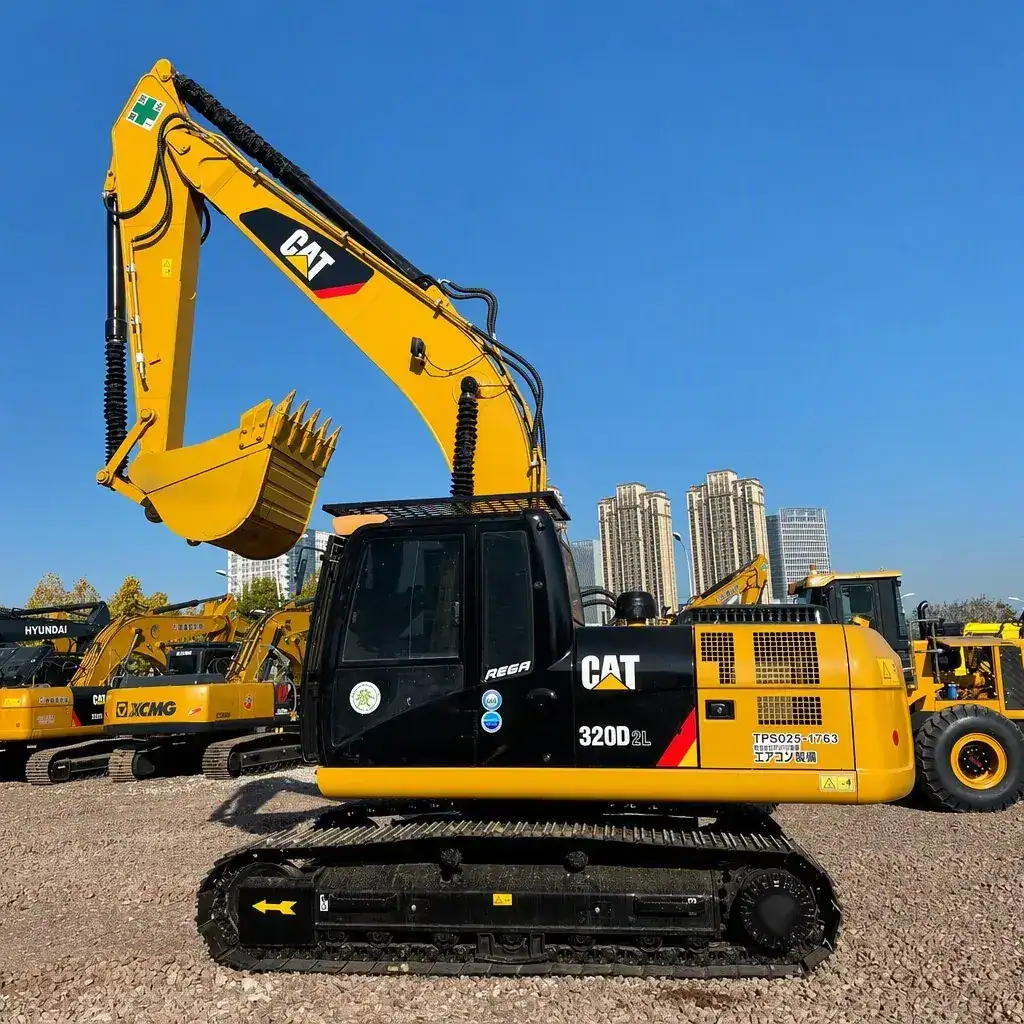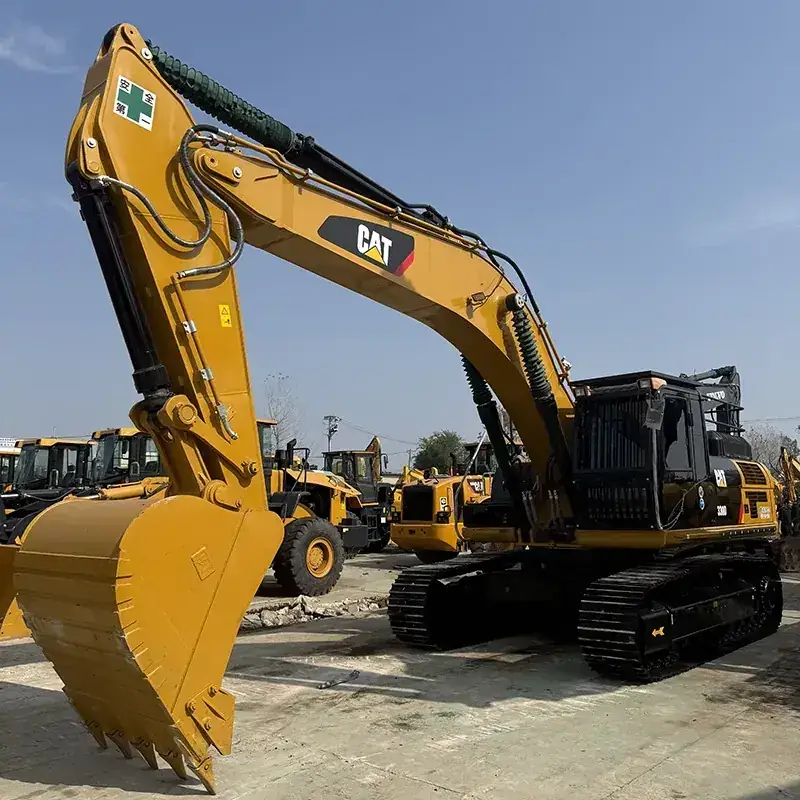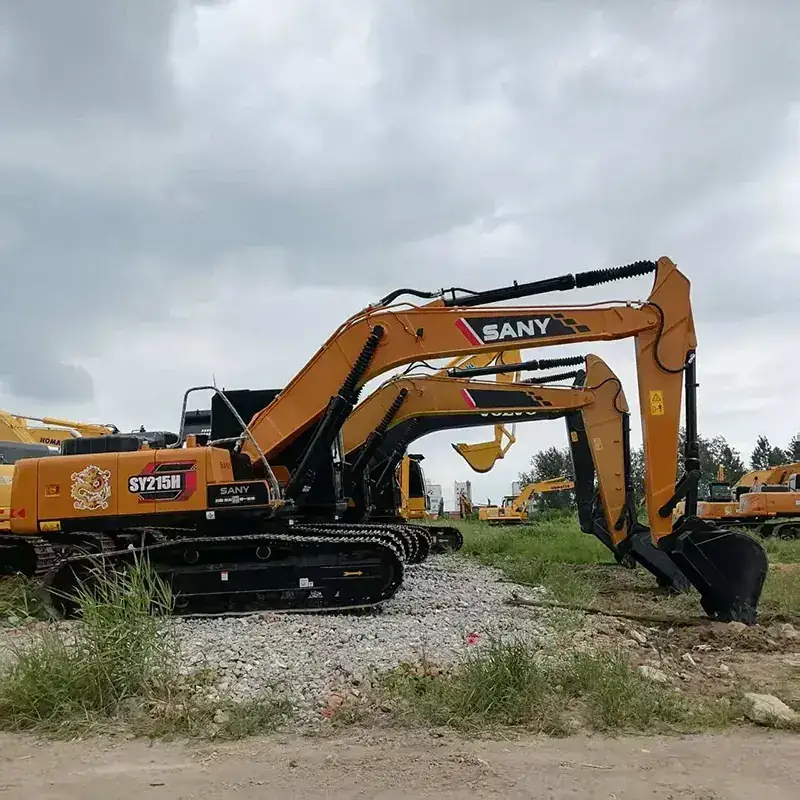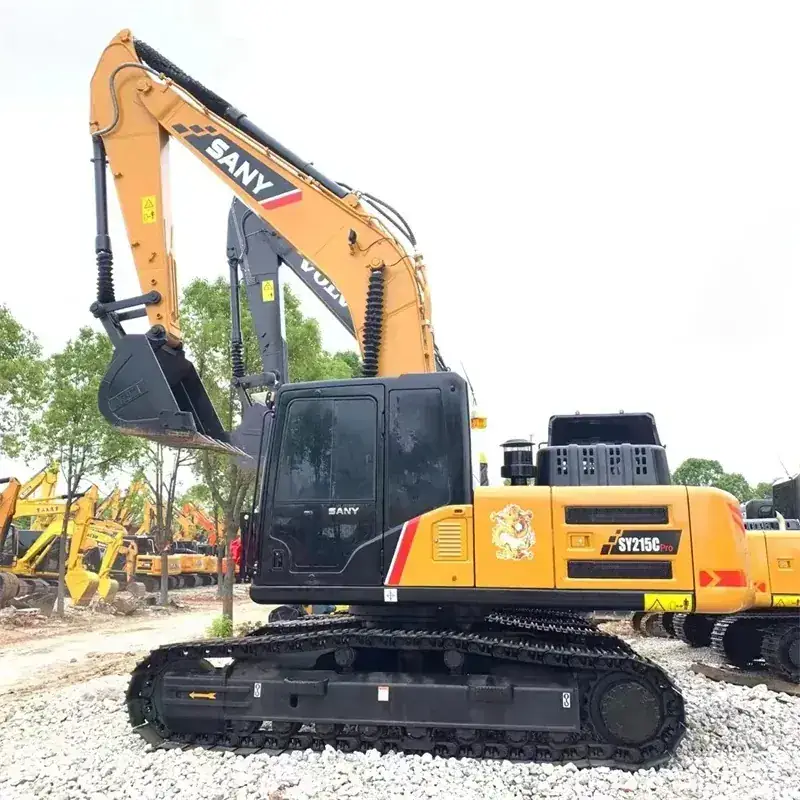
Buyer conversations around 20-ton used excavators are increasingly centered on a practical question: can this exact machine be supported and listed after it leaves the seller's yard? The discussion is relevant to buyers comparing familiar product searches such as used CAT 320, used Komatsu PC210, and used Sany SY215C excavator.
These models do not become interchangeable simply because they share a broad operating class. Variant, configuration, operating history, attachment setup, local service access, and document quality can matter as much as the model name. The strongest buyer workflow is therefore evidence-led: identify the exact unit, check how it works, understand the parts path at the destination, and match the same identity across the commercial and shipping file.
Key takeaways
- Choose a 20-ton used excavator by exact-unit evidence, not model reputation alone.
- Confirm the parts and service path using the machine's serial/PIN and component information before committing.
- Use a continuous operating video and a defined inspection scope to ask better follow-up questions.
- Match the serial/PIN across the inspection report, contract, invoice, packing list, and loading evidence.
Parts support is a sourcing decision, not an afterthought
A recurring theme in equipment discussions is that a purchase can look inexpensive until a machine needs a part that cannot be identified or supplied locally. That risk is not resolved by choosing a particular logo in the abstract. It is reduced by checking the specific serial/PIN, engine and major-component information, and the service network the buyer will actually use.
Before comparing a Caterpillar, Komatsu, or Sany candidate, ask a destination-market service contact what they need to identify routine maintenance items and common wear components. The answer may include the serial/PIN, engine model, hydraulic-pump tag, final-drive tag, or attachment details. Build that requirement into the seller's evidence request.
What to verify on a used CAT 320, Komatsu PC210, or Sany SY215C
Begin with a written comparison sheet. Record the exact model designation and variant, manufacturing year as listed, displayed hours, operating weight, engine information, boom and arm configuration, bucket or quick-coupler setup, auxiliary hydraulics, and undercarriage observations. Then attach the evidence that supports each field.
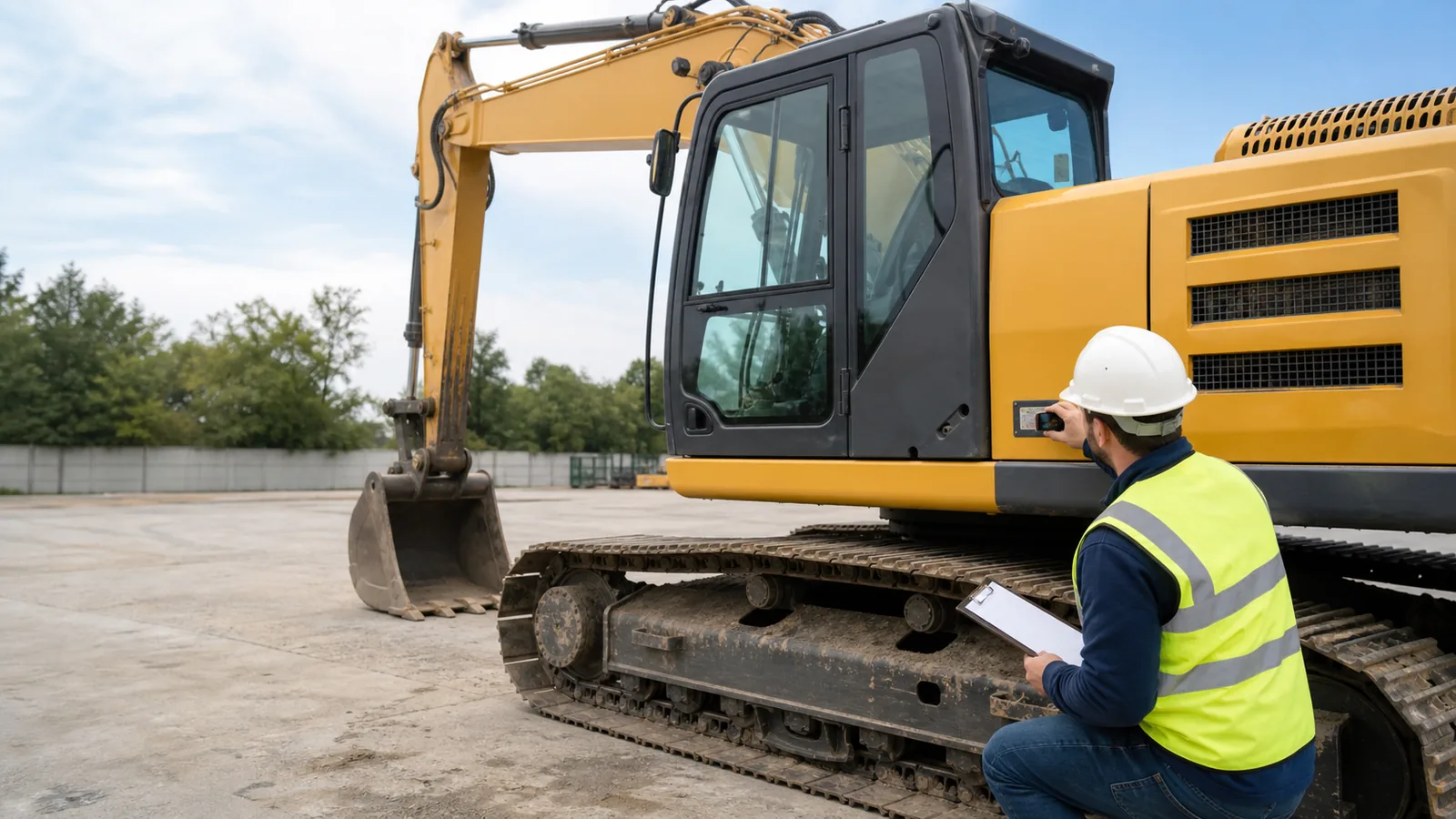
For a remote review, request readable serial/PIN and engine-plate images, an uncut cold-start sequence, and operating video after warm-up. The video should show boom, arm, bucket, swing, and travel functions where practical. If a seller presents diagnostic, pressure, or flow information, request the test date, test conditions, and the machine identifier shown on the record. This is more useful than a generic claim that a model is dependable or efficient.
Machine identity must survive the purchase process
The buyer should see one identity trail from the first enquiry to loading. That means the serial/PIN in the inspection record matches the sales contract; the contract matches the commercial invoice and packing list; and the loading photographs show the same unit. It is a simple control that helps prevent confusion between similar-looking machines, reused media, and incomplete records.
Ask early how the seller will document the unit at loading. Clear loading photographs and a document checklist make reconciliation easier. If a third-party inspector is involved, make sure the inspector records the same serial/PIN and that the agreed scope identifies what was and was not examined.
Inspection questions buyers can use immediately
- Can you show the serial/PIN plate, engine plate, and hour meter in one continuous video?
- Which records support the displayed hours and service history?
- What is documented for the undercarriage, joints, leaks, swing system, and final drives?
- Can the machine demonstrate the functions and attachment setup relevant to the planned work?
- Which component information is available for parts identification at the destination?
- How will the machine identifier be repeated in the contract and export documents?
Keep model comparisons grounded
CAT 320, Komatsu PC210, and Sany SY215C searches often start with a brand or model preference. That is useful for narrowing the field, but a purchase decision should remain unit-specific. A well-documented candidate with suitable configuration and a clear support path can be easier to evaluate than a popular model with incomplete records.
Review current model-specific listings through the used equipment catalogue. For any shortlisted unit, request the information needed to compare it against your planned application, destination support, and commercial terms. Pricing, freight, customs requirements, and loading method should be quoted for the exact unit and destination at the time of enquiry.