Preventive Maintenance Schedule for Used Heavy Machinery
Preventive maintenance is the single most cost-effective control a fleet owner has. Follow the interval table below as a baseline, then adjust oil, filter, and hydraulic service intervals to the actual workload, fuel quality, and operating environment of each machine, because duty cycle changes how fast components wear.
Standard Interval Reference Table
Cost Notes
Cost estimates shown reflect HMP's Shanghai wholesale pricing for genuine OEM parts. Aftermarket alternatives are typically 40-60% cheaper — acceptable substitution for consumables like bucket teeth and non-critical hoses, but HMP does not recommend aftermarket hydraulic filters, engine oil filters, or coolant chemistry. The parts savings on these three items are not worth the premature pump wear, engine oil-galley contamination, or cooling-system corrosion risk.
Environmental Adjustments
The standard intervals above assume moderate operating conditions with clean fuel and moderate dust exposure. Real-world deployment environments significantly affect maintenance frequency:
- Dusty environments (Sub-Saharan African construction sites, Middle Eastern desert operations, Kazakh coal-mining sites, Andean highland projects) — halve the air filter and hydraulic filter replacement intervals. Under these conditions replace air filters every 250 hours instead of 500, and hydraulic filters every 500 hours instead of 1000.
- Wet or humid environments (tropical Southeast Asia, coastal West Africa) — increase attention to fuel-water separator monitoring, and replace fuel filters every 200 hours instead of 250. Water contamination in diesel fuel is the #1 cause of injector failure in these climates.
- High-cycle production duty (quarry primary loading, continuous mining support) — reduce engine oil interval from 250 hours to 200 hours. Sustained high-load operation shortens engine oil service life due to combustion-blowby contamination.
- Cold-climate operations (Kazakh winter, Andean altitude, Russian steppe) — use hydraulic oil rated for -30°C or lower; standard tropical-grade hydraulic oil crystallizes at -18°C and can damage hydraulic pump internals during cold cranking.
Common Maintenance Deferral Mistakes
Stretching engine oil beyond 250 hours: The single most common cost-cutting mistake buyers make. Engine oil at 300+ hours no longer provides adequate additive coverage — TBN (Total Base Number) drops below the level needed to neutralize combustion acids, causing accelerated cylinder-liner and ring wear. A single missed oil change can cost 500-1000 hours of engine life.
Aftermarket hydraulic filter substitution: Aftermarket hydraulic filters often use lower-micron-rating filter media that either flow-restricts (starving pumps) or fails to filter to OEM specification (allowing contaminants into servo valves). Either failure mode results in premature hydraulic pump wear costing On request to rebuild.
Cutting corners on consumables is the fastest way to shorten component life. Stick to OEM-specified filters, oils, and coolants, log every service in the machine's history file, and review the maintenance deferral mistakes listed in this section before your fleet enters a high-load season.
Deferring coolant flush past 2000 hours: Coolant additive package degrades over time. Old coolant becomes acidic and causes accelerated cylinder-liner corrosion (in wet-liner engines) and radiator cooling-fin electrolytic corrosion. Full coolant flush at 2000-hour intervals is inexpensive insurance against On request engine top-end rebuilds.
HMP Post-Sale Support
Pricing and freight are quoted for the exact unit and destination at the time of inquiry. Condition, loading method, carrier availability, insurance, and port charges can change the landed cost.
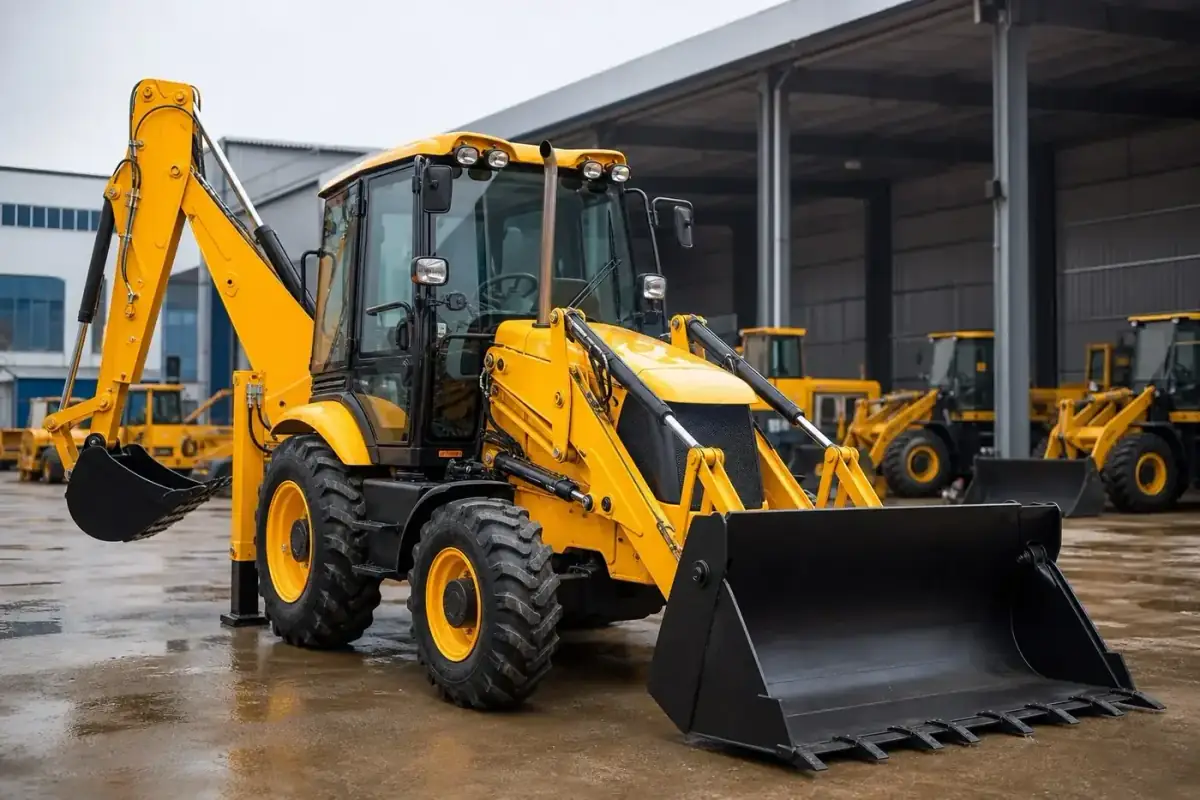
Related Backhoe Loader Inventory in Stock
Browse listings and request current availability, evidence, and export terms for the exact unit