
Excavator Fuel Efficiency: A Fair Test Method
Topic cluster
Continue through the related research hub
Follow the topic center to compare model research, buyer guides, current product records and destination-specific next steps without relying on one isolated article.
Fuel efficiency cannot be ranked responsibly from a brand name or a single litres-per-hour figure. Engine generation, work mode, attachment, material, operator technique, idle time, altitude, ambient temperature and machine condition all change the result. This guide explains how to compare shortlisted used excavators under the same working conditions.
Measure productive output, not idle consumption
Record the fuel added, productive operating time, idle time, attachment, engine mode and the quantity of material moved. Compare both fuel per productive hour and fuel per unit of material. A machine with a higher hourly burn can still be more economical if it completes the same task in fewer cycles, but that conclusion requires measured output.
Use one controlled work cycle
- Warm each machine to normal operating temperature.
- Use the same operator, material, attachment and work mode.
- Start with a documented fuel level and use the same refill method.
- Separate idle time from productive digging and loading time.
- Record cycle count, load moved and any regeneration or fault events.
Account for used-machine condition
Injector condition, air restriction, cooling performance, hydraulic leakage, track tension and pump efficiency can outweigh a model's catalogue advantage. Request a cold-start video, warm hydraulic-operation video, fault-code record where available and a written description of the exact test conditions.
Compare brands without unsupported rankings
Caterpillar, Komatsu, Hitachi, Volvo, Doosan, Hyundai and Sany use different engine-control and hydraulic strategies across generations. Do not apply one consumption figure to an entire brand. Compare the exact model suffix and configuration, then confirm the result on the machine being considered.
Fuel-efficiency worksheet
| Input | What to record |
|---|---|
| Machine identity | Model, serial/PIN, engine and attachment |
| Work cycle | Material, swing angle, loading height and work mode |
| Time | Productive time and idle time separately |
| Fuel | Measured refill using the same method |
| Output | Cycles, truck loads or measured material moved |
| Condition | Fault codes, smoke, temperature and hydraulic response |
Buying conclusion
Choose the machine that delivers the required output with acceptable fuel use, documented condition and local parts support. Treat any unsupported universal fuel figure or savings percentage as a hypothesis until it is reproduced on a matched work cycle.
Apply this guide to a specific machine
These matching records are published catalogue listings; current availability has not been verified. Each enquiry includes the machine page and stock ID, with a destination-port field to complete. Ask HMP to confirm availability, serial/PIN, evidence, price basis and shipping terms before purchase.
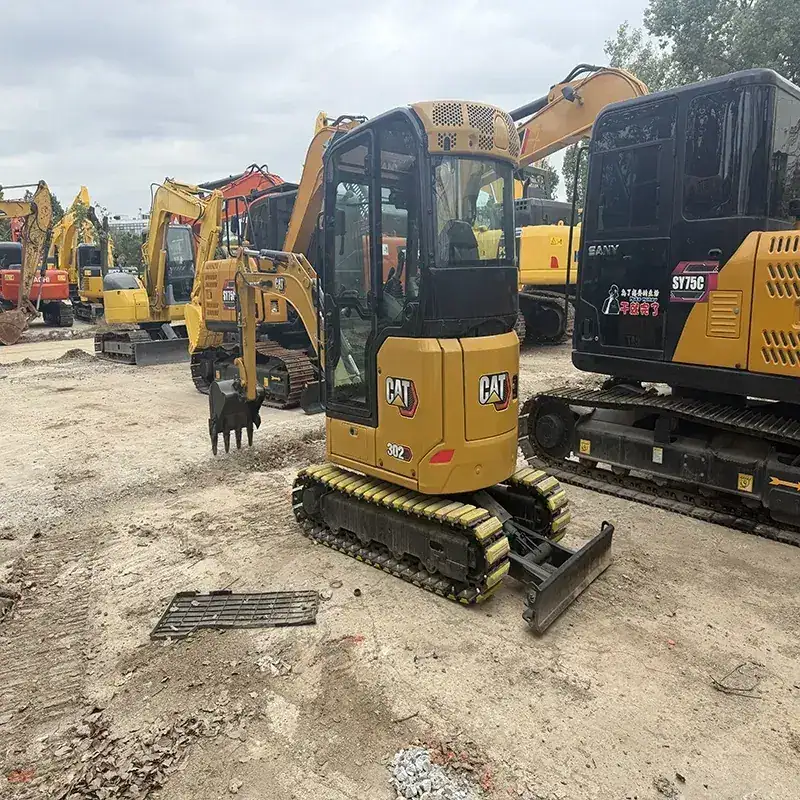
USD 10,000equipment price
- Stock ID:
- CAT063
- Listed hours:
- 900
- Weight:
- 2 Tons
- Engine:
- CAT C1.1
- Power:
- 14.3 kW (19.2 HP)
- Bucket:
- 0.06 m³
Listed equipment price; freight excluded. Confirm current offer. Availability has not been recently verified; ask for current photos, video, and available inspection evidence for this stock ID.
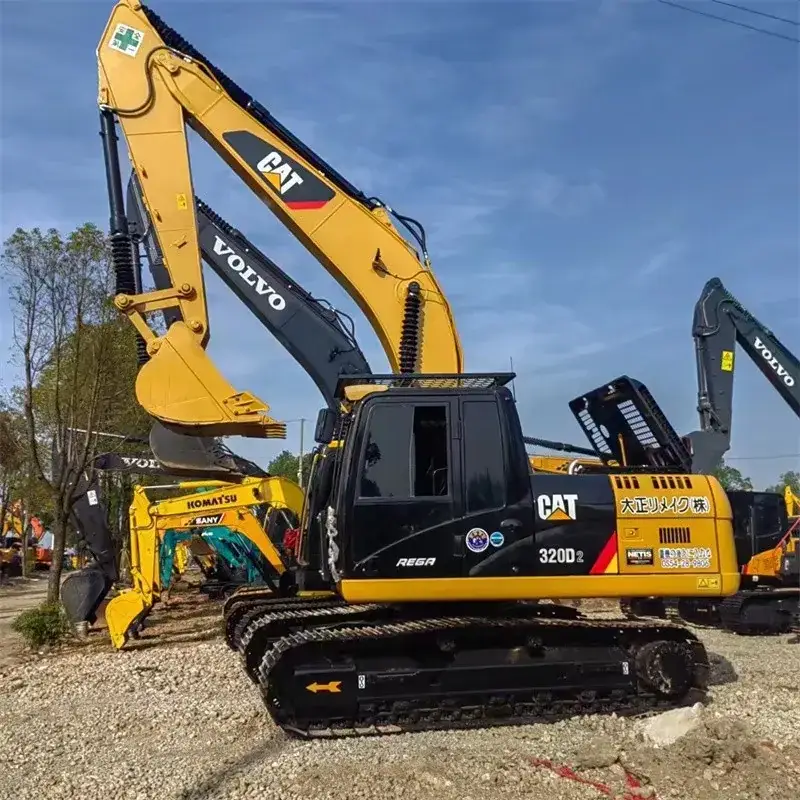
USD 19,850equipment price
- Stock ID:
- CAT011
- Listed hours:
- 1100
- Weight:
- 21.5 Tons
- Engine:
- CAT C6.4 ACERT
- Power:
- 110 kW (148 HP)
- Bucket:
- 1.0 m³
Listed equipment price; freight excluded. Confirm current offer. Availability has not been recently verified; ask for current photos, video, and available inspection evidence for this stock ID.
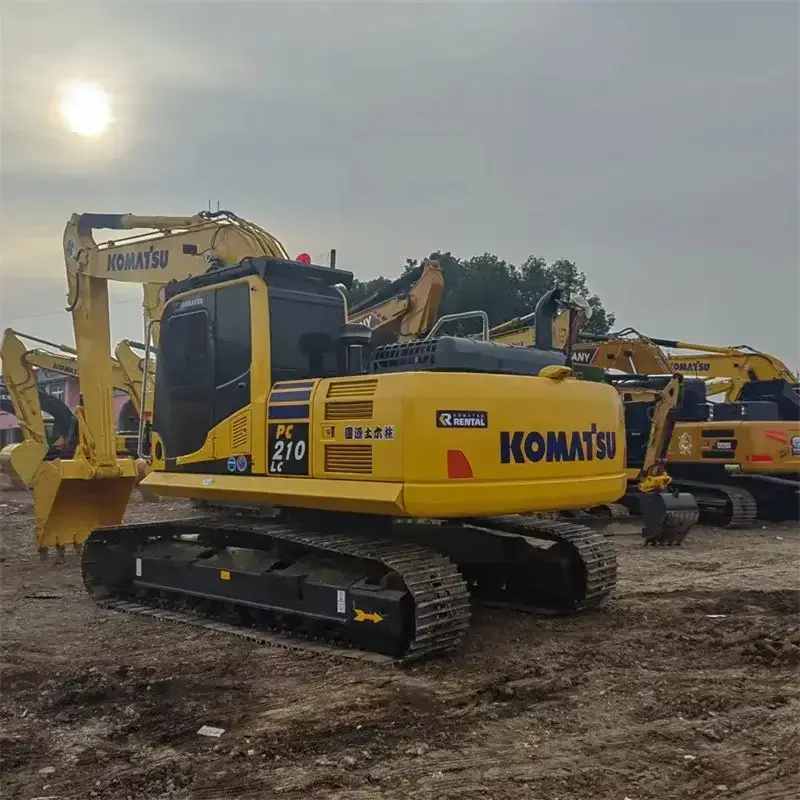
USD 20,850equipment price
- Stock ID:
- KOM016
- Listed hours:
- 1500
- Weight:
- 21 Tons
- Engine:
- Komatsu SAA6D107E-1
- Power:
- 115 kW (154 HP)
- Bucket:
- 0.9 m³
Listed equipment price; freight excluded. Confirm current offer. Availability has not been recently verified; ask for current photos, video, and available inspection evidence for this stock ID.
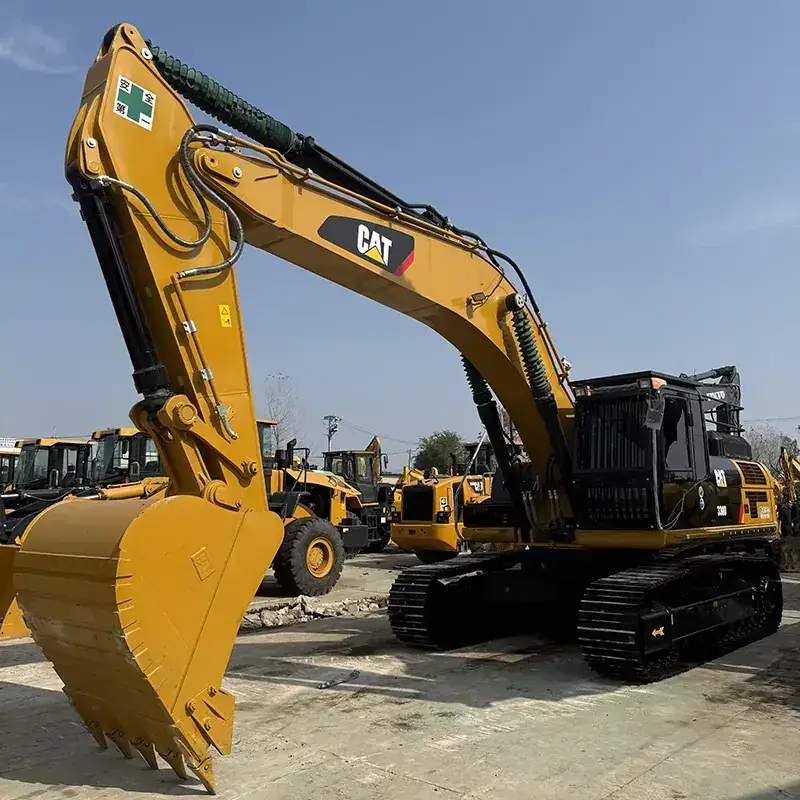
USD 20,500equipment price
- Stock ID:
- CAT-330D-CUSTOM
- Listed hours:
- 1100
- Weight:
- 30 Tons
- Engine:
- CAT C9 ACERT
- Power:
- 200 kW (268 HP)
- Bucket:
- 1.5 m³
Listed equipment price; freight excluded. Confirm current offer. Availability has not been recently verified; ask for current photos, video, and available inspection evidence for this stock ID.
External references for model and inspection context
These sources support model-family comparison and buyer questions. They are not inspection records for this stock ID, do not certify this machine, and do not replace current serial/PIN-matched evidence.
- Ritchie Bros.: used excavator inspection tips ↗Auction-industry buyer checklist reference for structure, leaks, meter questions and bucket wear.
- Ritchie Bros.: what inspection reports can include ↗Industry example covering photos, component comments, functional tests, engine video and track measurements.
Sources & Methodology
How this article was prepared and which external references support its factual claims.
Methodology
The guide uses a controlled comparison framework rather than model-wide fuel claims. It separates productive time from idle time and records attachment, material, work mode, fuel added and output before comparing fuel per productive hour or per unit moved.
References
- 1.Fuel Efficiency: Rethink the Tank
Caterpillar · Accessed 2026-10-08
- 2.Reduce Idle Time
Caterpillar · Accessed 2026-10-08