The Auction Gamble: When a Low Bid Becomes an Expensive Repair
A low auction bid can hide expensive hydraulic, cylinder, control and transport work when the machine is bought without a defined inspection. Treat forum stories as cautionary anecdotes rather than cost benchmarks: inspect the exact unit, identify the repair scope and obtain written logistics costs before bidding.
Buying a used excavator is one of the largest capital decisions a small fleet can make. Whether you are importing used excavators to Nigeria, sourcing for a mining project in South America, or outfitting an infrastructure crew in the Middle East, the difference between a profitable machine and a money pit is rarely the sticker price. It is the inspection depth, the seller's ownership of the asset, the documented condition of the undercarriage, and the honesty of the operating history. This guide walks through the real lessons from auction buyers, dealer transactions, and direct factory purchases, and explains how to evaluate used excavator price, condition, and long-term ownership cost before you commit a single dollar.
Where Do Used Excavators Actually Come From?
Every used excavator on the market flows through one of four channels: the dealership rental fleet, the online auction house, the private seller, or the direct-source export yard. Each channel carries a different risk profile, and the same physical machine can trade at very different prices depending on which channel sells it.
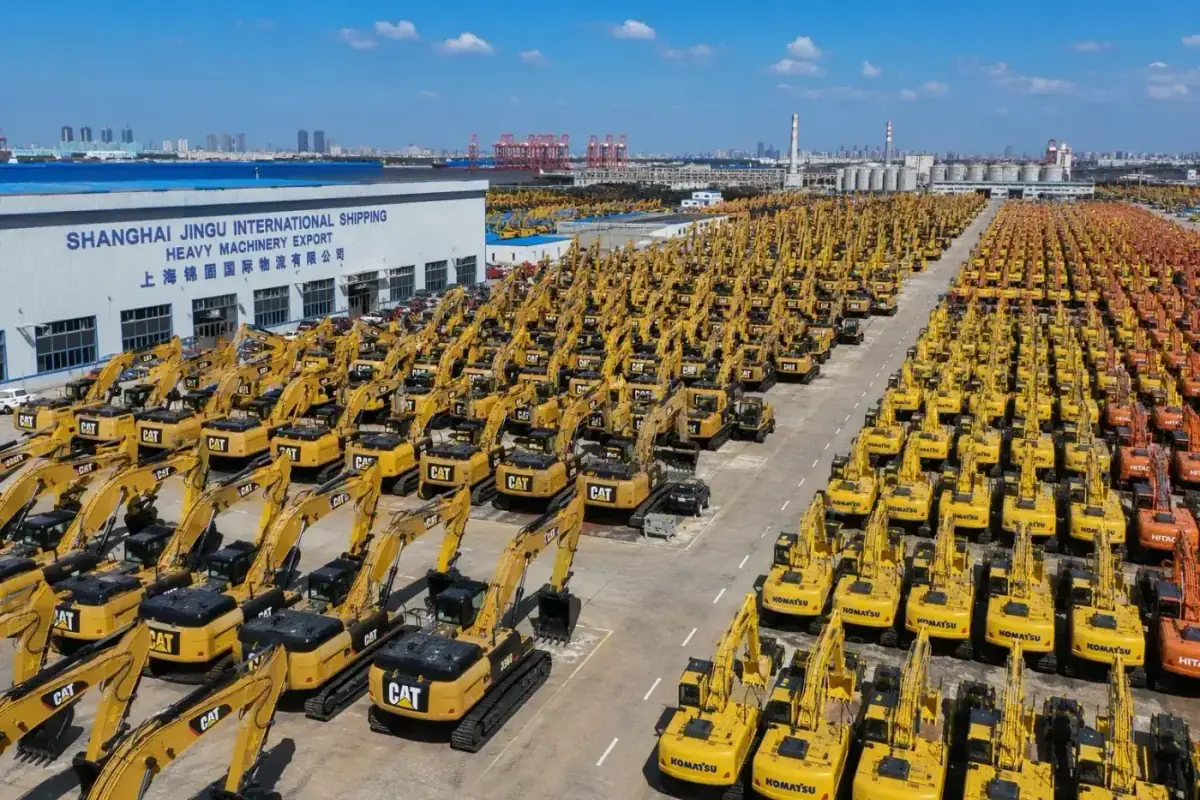
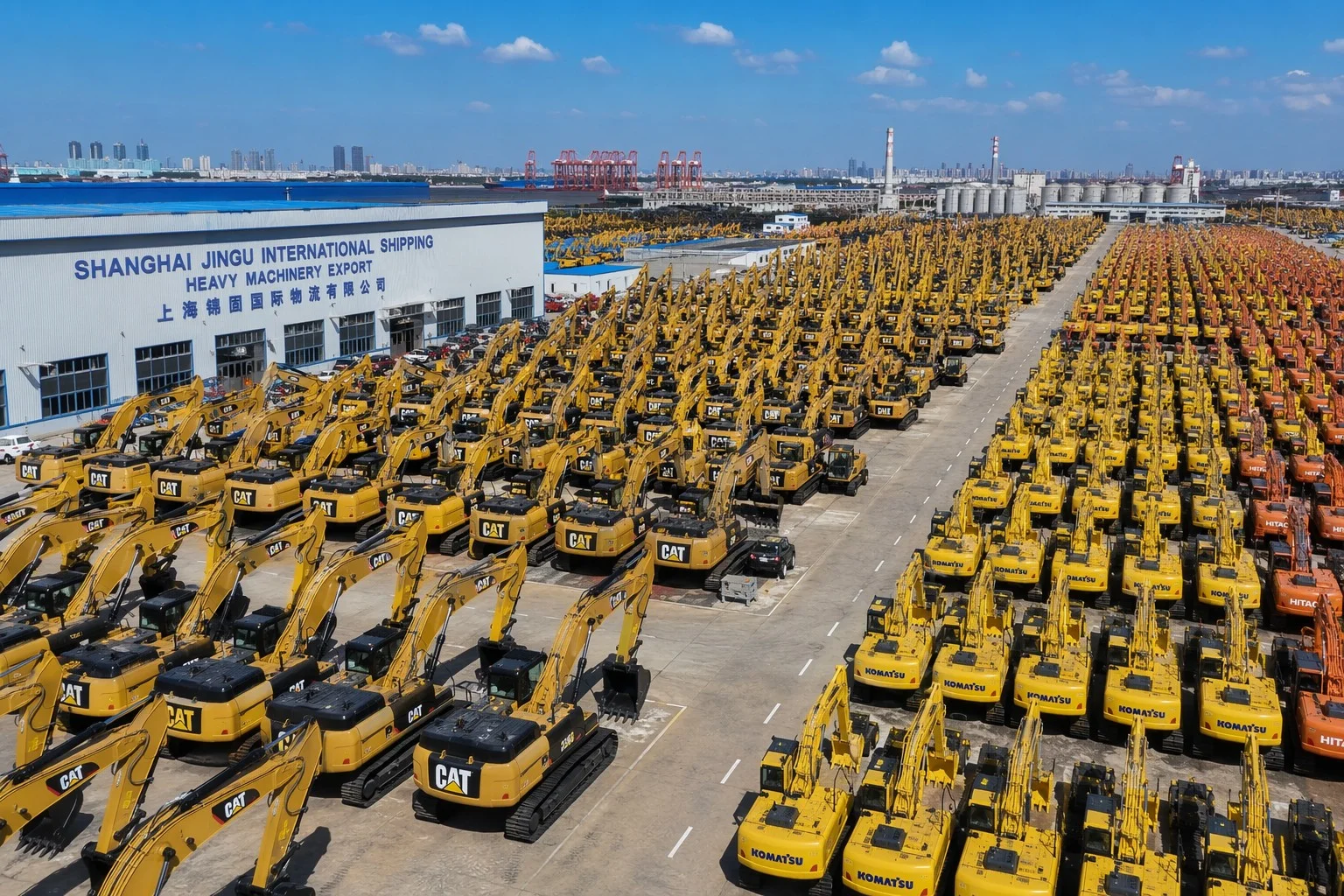
Dealerships offer service records and after-sale support, but they mark up aggressively and tend to hold the cleanest units for rental programs. Auction houses such as Ritchie Bros and IronPlanet offer enormous selection and competitive prices, but nearly every lot is sold as-is, where-is, with no inspection report, no maintenance history, and no right to return a machine that turns out to be a project. Private sellers can be a good deal when you know the owner personally, yet the same trust evaporates when you are negotiating with a stranger who simply wants to unload a problem unit. Direct-source factories, especially the export yards in Shanghai and other Chinese ports, combine wholesale pricing with documented inspection, but only if you verify the seller actually owns the inventory.
The single most important question to ask about any used excavator for sale is not "how much does it cost" but "who owns this machine, what work did it do, and what can you prove about its condition?" A middleman with photographs of someone else's yard cannot answer that question. A source owner with a dated inspection file can.
The Site-Unseen Trap: Why Online Bidding Fails First-Time Importers
The anecdote illustrates why buyers should compare total repair and logistics exposure rather than the winning bid alone. He had bid on a machine he never ran, located in a different state, with an advertisement that never described the actual mechanical condition. Site-unseen purchases are the leading cause of used excavator buying disasters, and the risk multiplies when the machine is being imported across an ocean.
When you buy a used excavator from China or another distant market without a listed inspection, you are betting that the seller's photos reflect the real machine. A skilled seller can make a worn hydraulic system look healthy, mask a rolled-back hour meter, or repaint an undercarriage that has no life left. This is why experienced importers never rely on photographs alone. They demand a date-stamped inspection file, a live video walk-around, and serial-number-matched documentation that proves the machine they are discussing is the machine they will receive.
For global buyers, the auction model also carries hidden logistics costs. A winning bid in a domestic auction is only the beginning. You still need transport to the port, freight insurance, export packing, customs clearance at destination, and import duties. Each of those steps adds to the total cost of ownership, and none of them protect you if the machine arrives with a seized pump or a dead starter. A direct factory purchase bundles the machine condition assessment with the export process, which is why B2B buyers increasingly prefer listed yards over bidding platforms.
The Used Excavator Inspection Checklist That Predicts Repair Costs
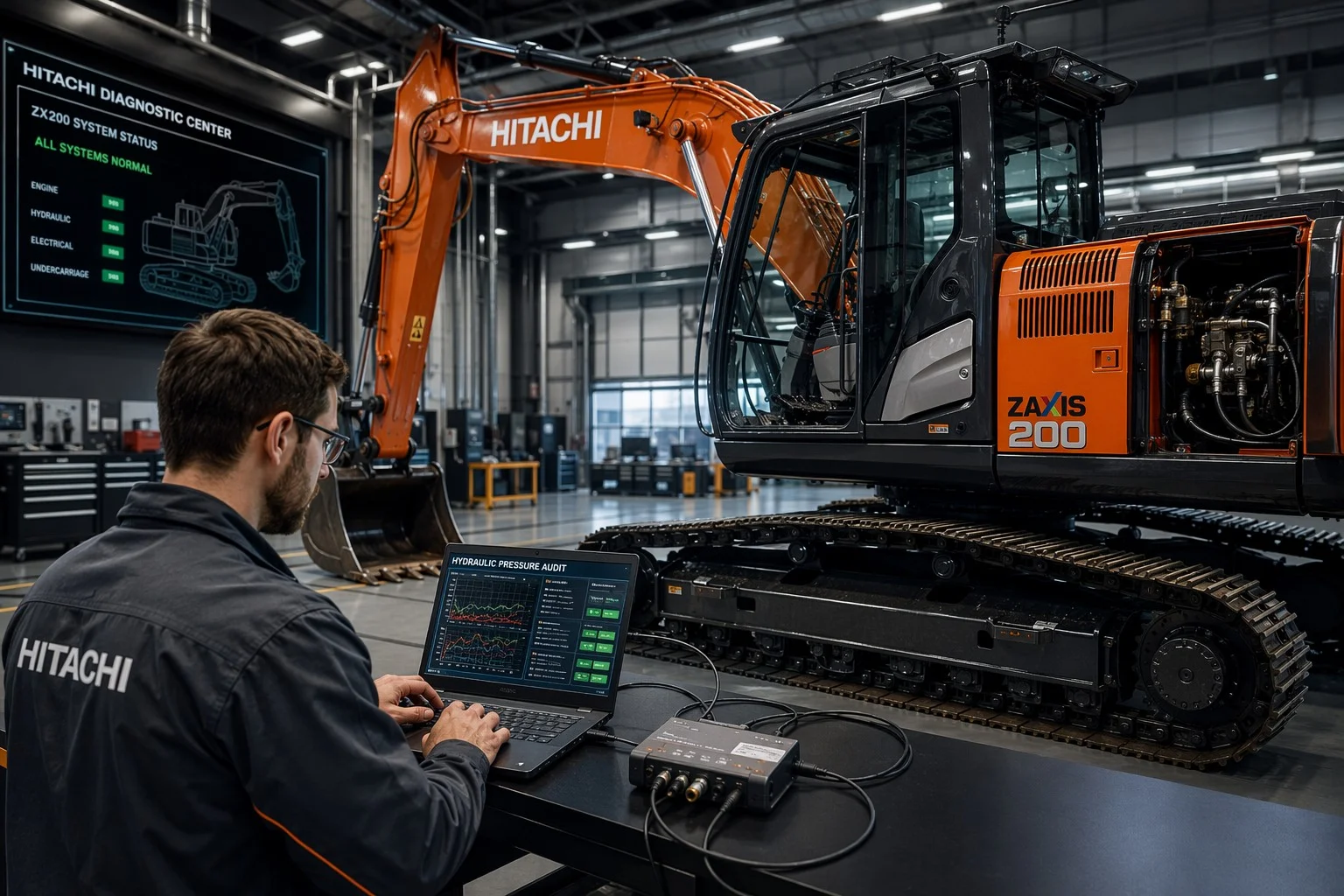
Forum veterans repeat one piece of advice more than any other: the condition of a used excavator is decided by four systems, and you can check three of them in under an hour. Engine, hydraulic system, undercarriage, and electrical. Each one carries a different repair price tag, and together they determine the real value of the machine.
Start with the engine. Look for oil leaks around the valve cover and the injection pump, check the coolant condition for signs of oil contamination, and watch the exhaust for blue or white smoke at idle. An engine that smokes under load has cylinder or injection wear that will surface as a major bill within the first thousand hours. Ask about the last oil analysis and whether the machine has a documented service history.
Next, the hydraulic system. This is where the forum horror story died. Check the hydraulic oil level and condition, look for leaks at the main pump, control valves, and cylinder seals, and run the machine through a full cycle to feel the pump pressure and cycle times. A machine with slow, weak, or jerky movements has hydraulic wear that no amount of cosmetic cleaning will fix. Verify the pilot system, because crossed or loose pilot hoses can make a perfectly healthy machine act broken, as cautionary buyer accounts can illustrate.
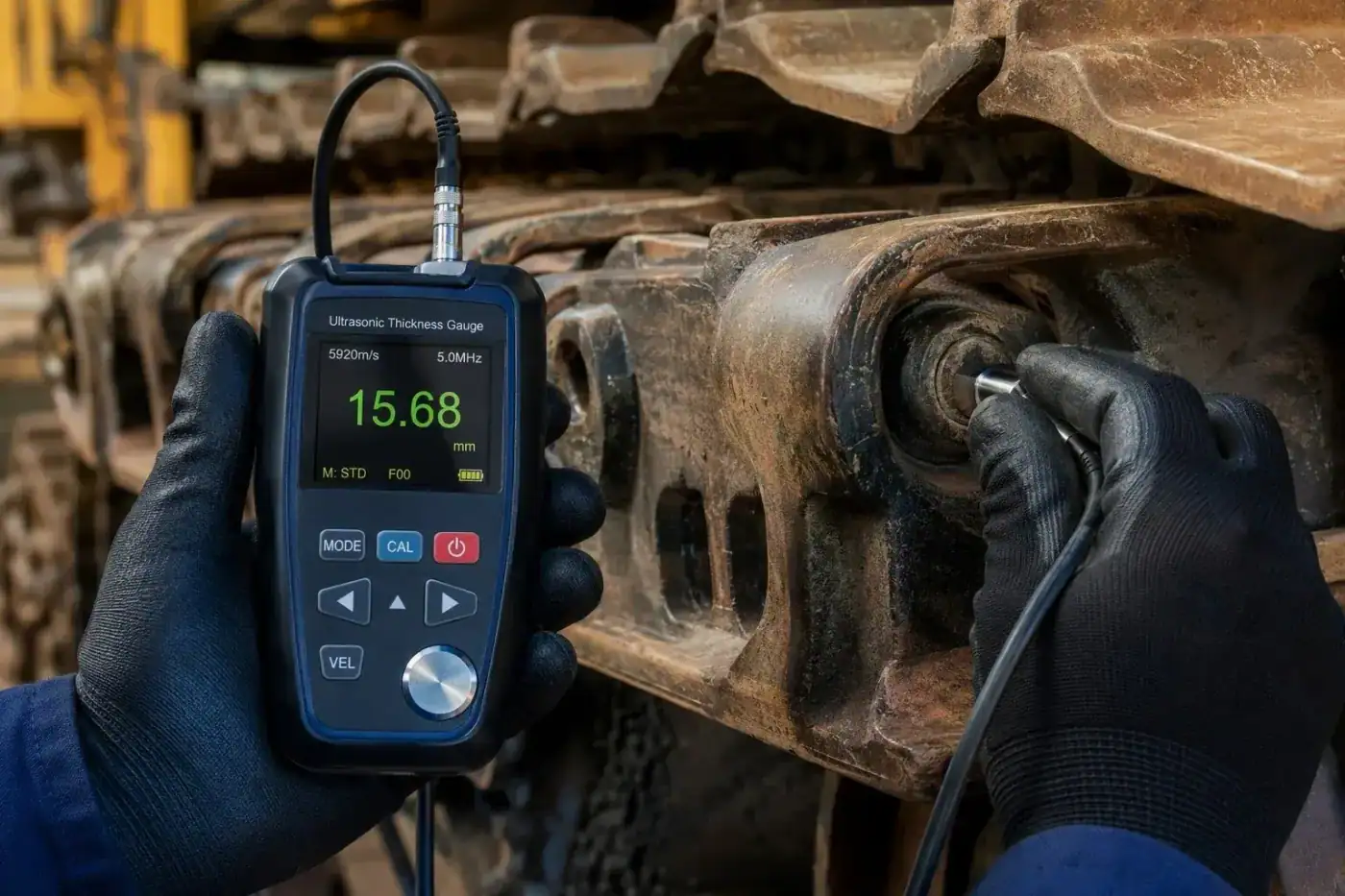
Third, the undercarriage. Track wear on a used excavator is the single largest maintenance cost in the machine's remaining life, and it is almost always under-inspected because the components sit under the machine, covered in mud. Measure the bushing diameter, check the grouser height, inspect the sprocket teeth for a hooked profile, and look at the track roller flanges for wear. Ask the seller for the undercarriage wear percentage and the measurement records, not just a guess.
Finally, the electrical system. Check the starter, the alternator, the wiring harness for signs of rodent damage or previous repairs, and the display panel for fault codes. Electrical gremlins are intermittent, hard to diagnose, and expensive to trace, which is why experienced buyers treat any electrical repair history as a negotiation point.
Undercarriage Wear: The Detail Most Buyers Ignore
On tracked machines, the undercarriage can account for half of the total lifetime maintenance budget. Undercarriage work can materially change the total cost. Obtain a current parts-and-labour quotation for the exact model and measured wear. The gap between those two numbers is measurement discipline. A machine with a worn undercarriage will keep costing money every single hour it works, and a buyer who ignores it is financing the next owner's repair.
How do you assess track wear without a dealer report? First, look at the front idler position. When the idler adjuster block sits at the front of the track frame with no adjustment travel left, the chain has stretched and internal pin-and-bushing wear is approaching one hundred percent. Second, look straight down on the link joints as the track passes over the idler or sprocket. New tracks show no space between links; worn tracks show a visible gap that lets you almost touch the bushing. Third, check the sprocket teeth. Rounded teeth are fine, hooked or sharp teeth indicate a chain that no longer seats properly.
The wear percentage matters because it changes the price you should pay. If the undercarriage is at forty percent worn, factor a future replacement into your offer. If it is severe, consider walking away regardless of how good the engine sounds. A disciplined inspection tells you how much productive life you are actually buying, and that number is worth far more than a low asking price.
Hour Meters, Serial Numbers, and Documented History
A used excavator's hour meter is the first thing every buyer checks and the easiest thing to fake. Rollback is common enough that forum threads on detecting it run for hundreds of replies. The reliable check is not the meter reading itself but the physical evidence that agrees with it. Wear on the pedals, the armrest, the joystick grips, the door seals, and the undercarriage all accumulate in step with real operating hours. A low-hour meter on a machine with a worn seat and a tired undercarriage is a contradiction, and a contradiction is a red flag.
Always record the serial number and verify it against the machine's registration and the seller's documentation. The serial number links the machine to its real production year, its original market, and any factory recalls. A mismatched serial number on the plate, the engine, and the frame is a strong signal that parts have been swapped, the machine has been assembled from multiple units, or the identity has been altered. Buyers who skip this step discover too late that they have purchased a machine they cannot register, insure, or resell.
A credible seller provides a dated inspection report, a matching serial number, recorded measurements for the engine and undercarriage, and a live video walk-around of the exact unit. If a supplier cannot produce these, the low price is not a bargain; it is the compensation for the risk you are being asked to absorb.
Direct Factory vs Auction: The True Cost Comparison
Comparing a used excavator auction price with a direct factory price is misleading unless you compare the full cost of ownership. A factory-sourced machine typically includes a documented inspection, listed ownership, export preparation, and a straightforward path to the port. An auction machine starts with a lower hammer price but adds transport, unknown mechanical condition, and the risk of a repair bill that can exceed the purchase price.
The math is simple. An auction machine that needs major repairs can exceed the cost of a better-documented alternative. A better-documented machine can be cheaper over the project when its condition and repair exposure are clearer, even if its asking price is higher. Savvy fleet owners understand this and price machines by listed condition rather than by the number on the auction lot.
For used excavator exporters in China, the direct-source model has matured to the point where buyers can review pressure readings, oil samples, and undercarriage measurements before dispatch. This transparency is what separates a professional export yard from a broker who owns nothing. When you buy from a source owner, the inspection report is a legal document tied to a specific serial number, not a marketing photograph.
Shipping, Incoterms, and the Cost of Getting the Machine Home
The purchase price is not the final price. Importing used excavators from China involves freight, insurance, export packing, port handling, customs duties, and local delivery. Understanding incoterms such as EXW, FOB, and CIF changes who pays for each leg and where the risk transfers. A CIF quote includes the freight and insurance to the destination port, which gives a first-time importer a fixed landed-cost picture before signing. An EXW quote leaves every transport and clearance cost on the buyer.
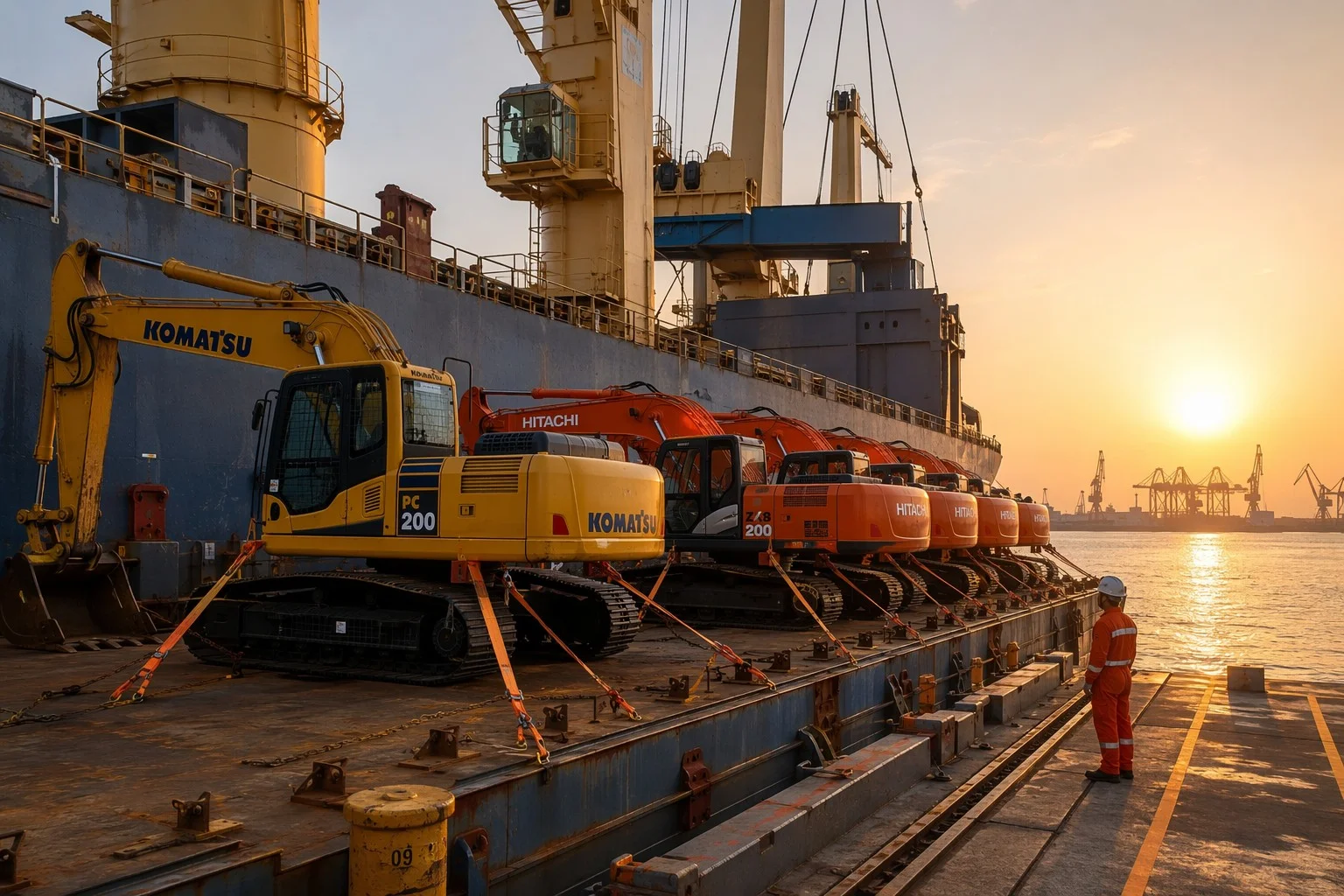
For large machines, the shipping method matters as much as the route. A used excavator can travel by flat rack container, by RoRo vessel, or by breakbulk. Each option has different lead times, costs, and handling requirements. A seller that handles export packing and lashing professionally protects the machine from transit damage, while a machine thrown onto a deck with loose lashing can arrive with bent frames and damaged cylinders.
Buyers importing into Africa, Southeast Asia, the Middle East, or South America should confirm their destination country's import regulations for used machinery before committing. Age limits, emission requirements, and duty structures vary by market, and a machine that is a great deal in one port can be a tax disaster in another. The right supplier helps you plan for these variables; the wrong one leaves you to discover them after the ship has sailed.
Financing and Budgeting for a Used Excavator
Financing discussions on equipment forums consistently return to the same principle: match the loan term to the machine's expected working life. There is nothing worse than still making payments on a used excavator that spends more time in the shop than on the jobsite. A shorter loan term with a comfortable down payment preserves cash flow for the inevitable maintenance, while an over-stretched long loan on an aging machine converts a good deal into a financial trap.
Before financing, budget for the cost of ownership beyond the purchase price. Set aside a repair reserve for the first year, plan for the undercarriage maintenance interval, and account for the shipping and import costs. A machine bought at a low price with no reserve for repairs is more expensive than a well-documented machine bought with a realistic budget. The most successful buyers treat the total delivered cost, not the asking price, as the number that matters.
Smaller contractors in developing markets often cannot access traditional equipment financing, which is why the total delivered cost and the seller's reliability matter even more. When you buy from a listed export source that owns its inventory, you reduce the risk that forces buyers into expensive repair loops, and you make every dollar of your capital work harder.
Which Used Excavator Models Hold Their Value?
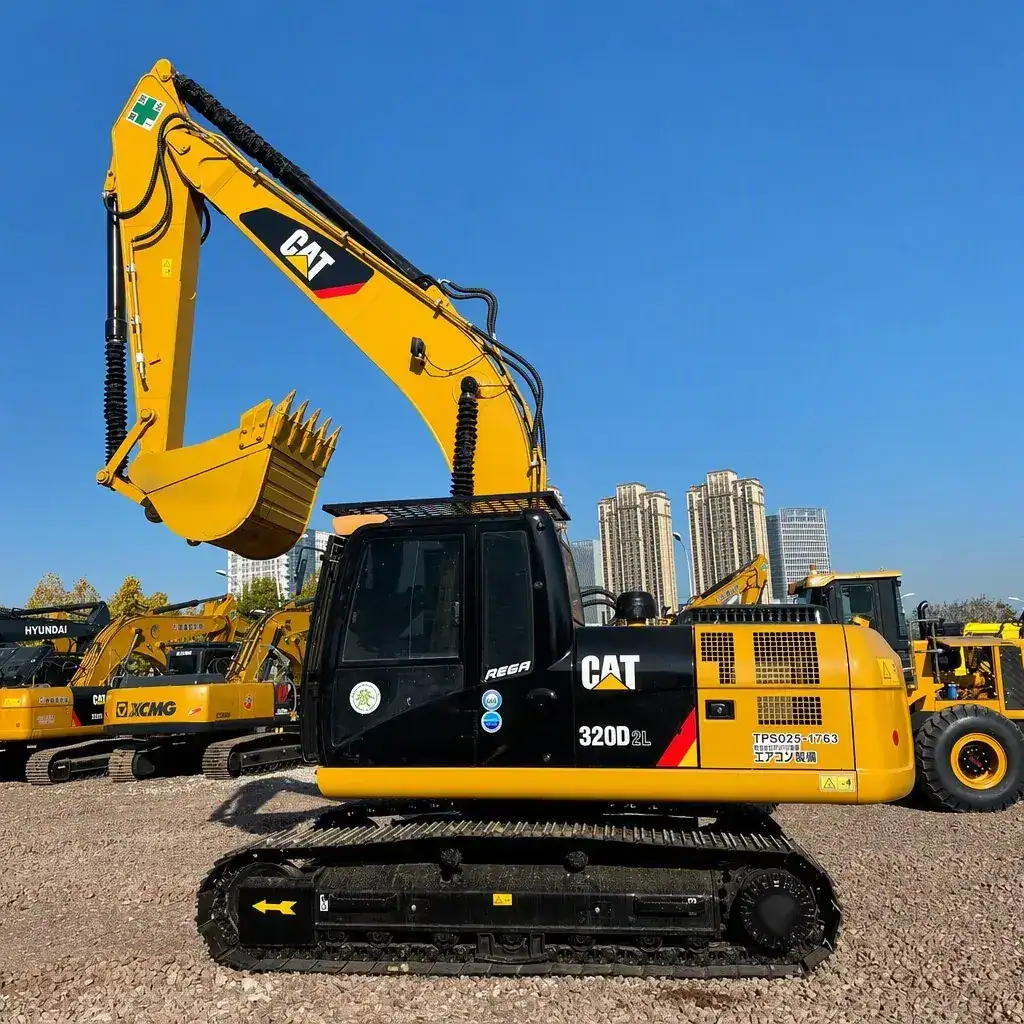
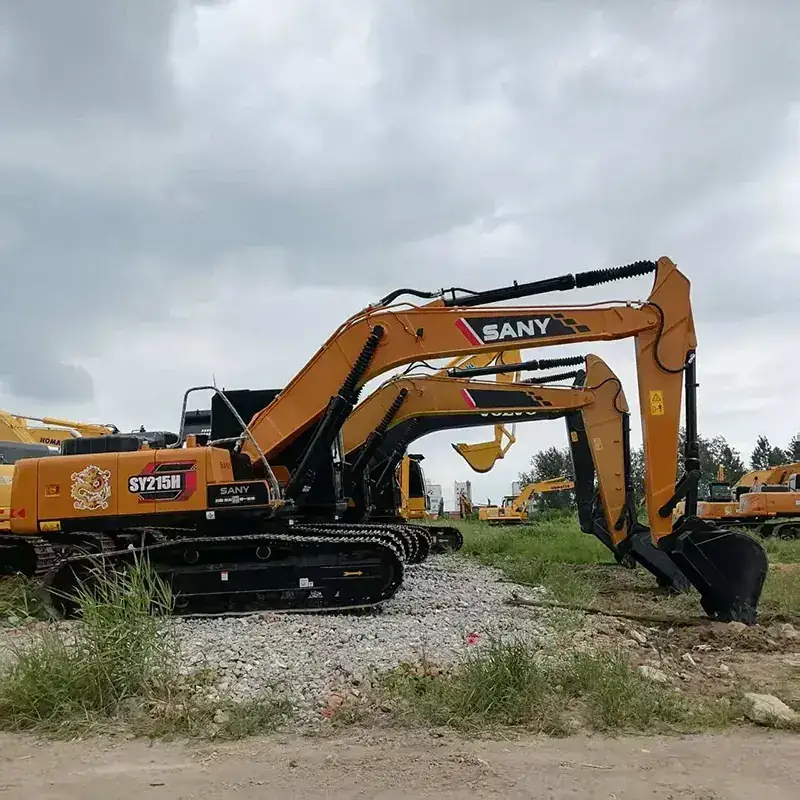
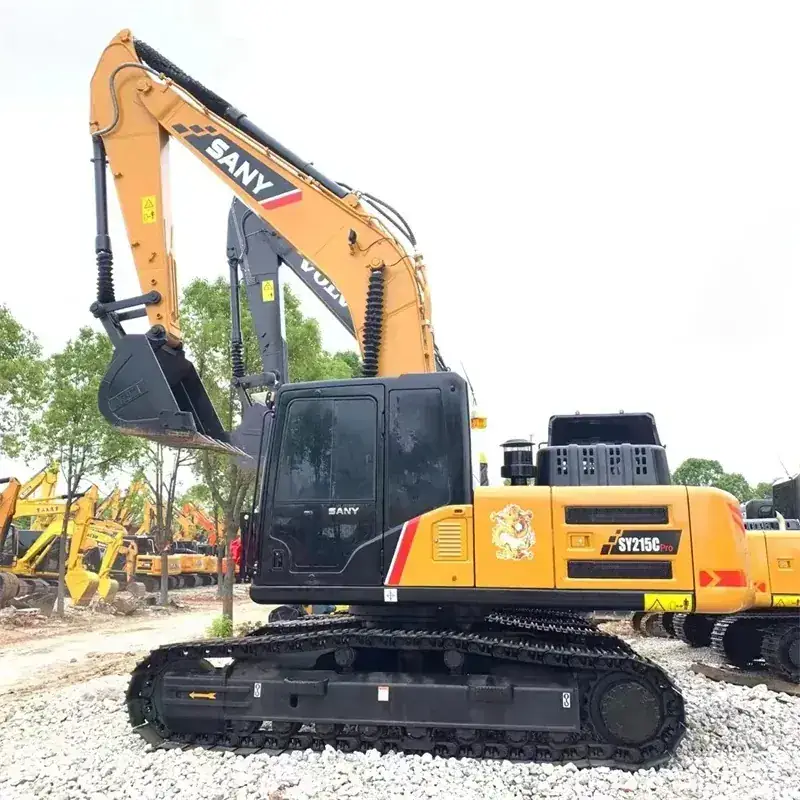
Across global export markets, a handful of models dominate the used excavator trade because parts availability, service support, and resale value are proven. The Caterpillar 320D and 320D2 family remains the benchmark in the 20-ton class, with a huge global parts network and consistent demand from contractors. The Komatsu PC200 and PC210 series offers excellent fuel economy and a reputation for reliability in mining and infrastructure work. The Doosan DX225 and DX300 machines are favored for their strong hydraulic performance at competitive prices. Hitachi ZX200 and ZX210 units are valued for their engine durability, and the Sany SY215C has become a strong value option for budget-conscious fleets.
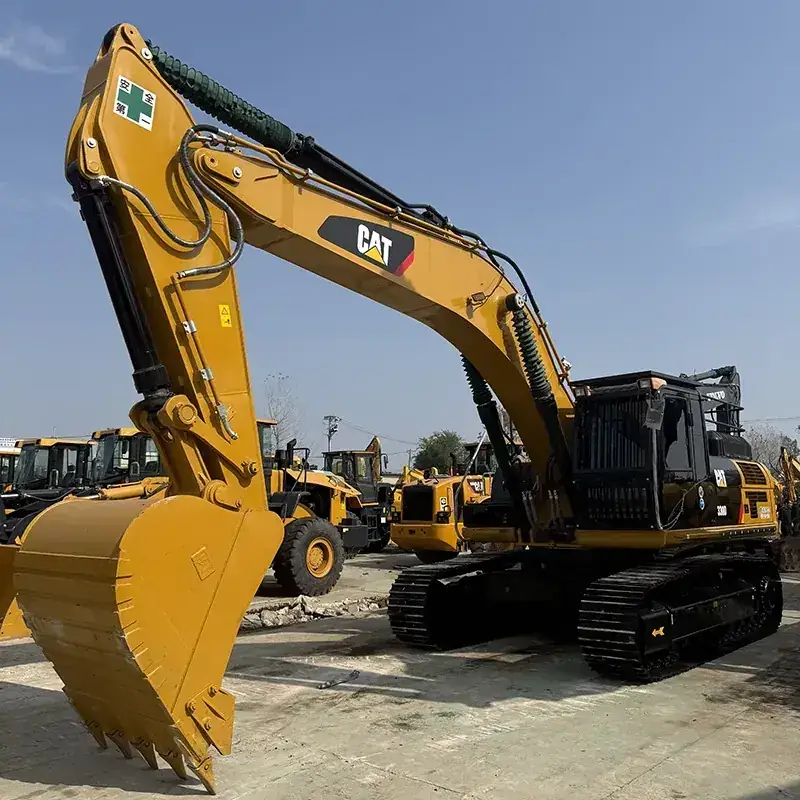
For heavy applications, the Caterpillar 330D and 336D machines carry the load in mining and quarry work, while the Komatsu PC350 and PC400 series are mainstays on large earthmoving sites. Smaller buyers should consider the mini and compact classes such as the Caterpillar 302, 303, and 305 families, which suit utility work, landscaping, and confined job sites. Whatever the class, the rule is the same: buy the machine with the best documented condition in the size class you actually need, not the cheapest machine you can find.
When comparing used excavator brands, consider local parts support in your destination market. A brand with a strong dealer network in your region will cost less to maintain over ten years than a brand with excellent global reputation but no local service. This is why sourcing advice always asks about the destination, not just the machine.
Red Flags When Buying Used Excavators from Export Suppliers
Scams in the used machinery trade follow predictable patterns, and recognizing them early saves thousands. Beware of prices far below market value, sellers who refuse a live video call, brokers who claim ownership of machines they cannot show you, and requests to pay via untraceable methods. A professional exporter welcomes questions, provides documentation, and puts the machine's serial number in writing.
Ask the seller how many machines they currently own, where the yard is located, and whether you can speak to a previous buyer in your region. Cross-check the company against its export history and request references. The best protection against used excavator scams is a seller with a physical yard, an audited inspection process, and a willingness to show the exact machine before any payment is made.
The sourcing principle that protects buyers everywhere is simple: the machine, the serial number, and the documentation must all match. If any link in that chain breaks, walk away and find a supplier who can prove ownership of what they sell.
Final Verdict: The Cheapest Machine Is Not the Best Deal
The cautionary auction example illustrates a lesson that applies to every buyer of used heavy equipment: the cost of a machine is the total delivered cost, and the condition is everything. A low price without inspection depth is not a bargain. It is a gamble, and the house usually wins.
For contractors, miners, and infrastructure firms buying used excavators for export, the safest path combines listed ownership, documented inspection, matched serial numbers, and honest logistics planning. Whether you choose a Caterpillar 320D for utility work, a Komatsu PC210 for production digging, or a Doosan DX300 for heavy lifting, buy the machine with the best documented condition you can afford, inspect the undercarriage, check the hour meter against physical wear, and always compare total delivered cost rather than the asking price.
HEAVY MACHINERY PRO operates a direct-source export yard in Shanghai where every machine is inspected, measured, and documented before dispatch. Buyers can request a live video walk-around of the exact unit, review the dated inspection file, and verify the serial number before any payment. That is the model the forum story wished it had used from the start, and it is the difference between buying a machine and buying a repair bill.