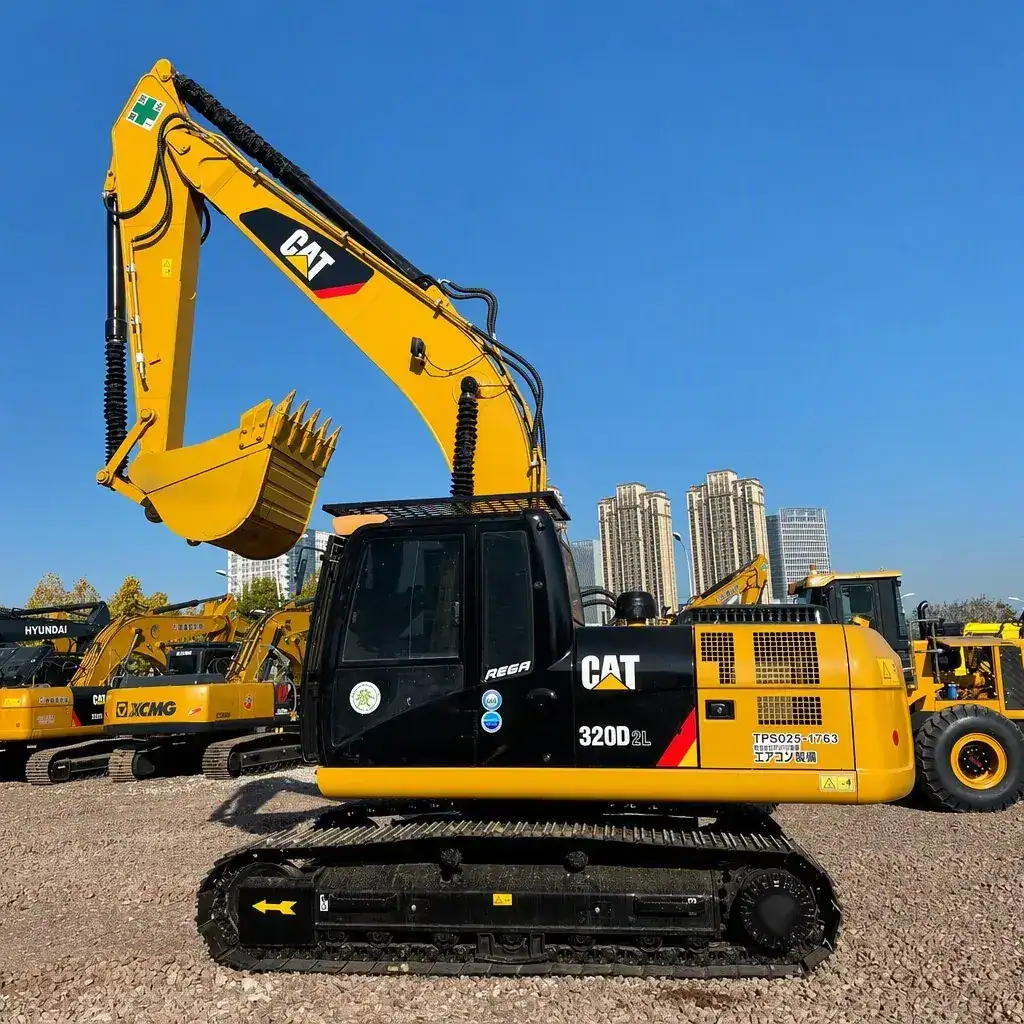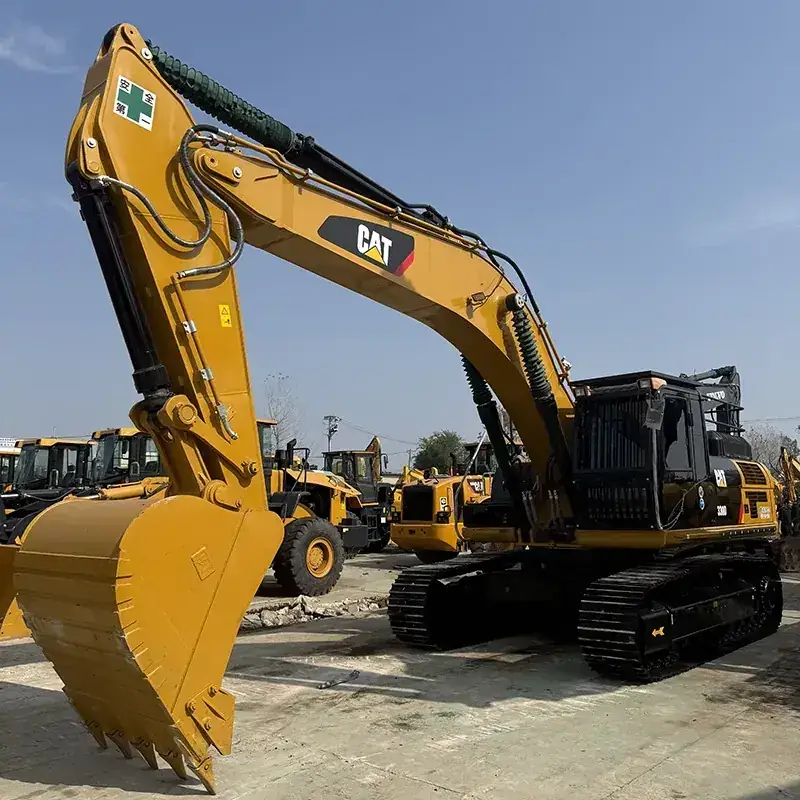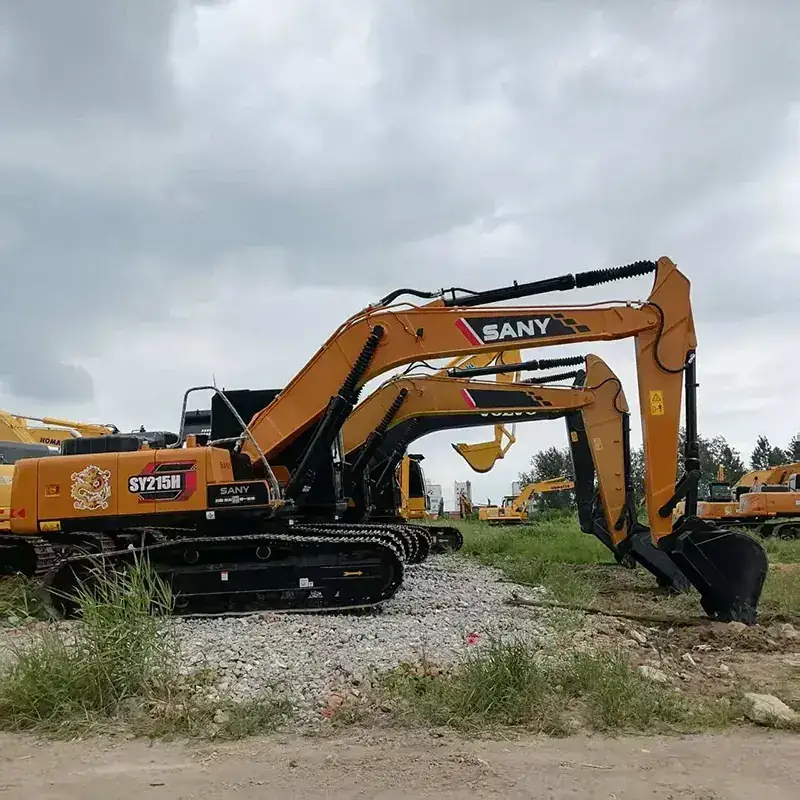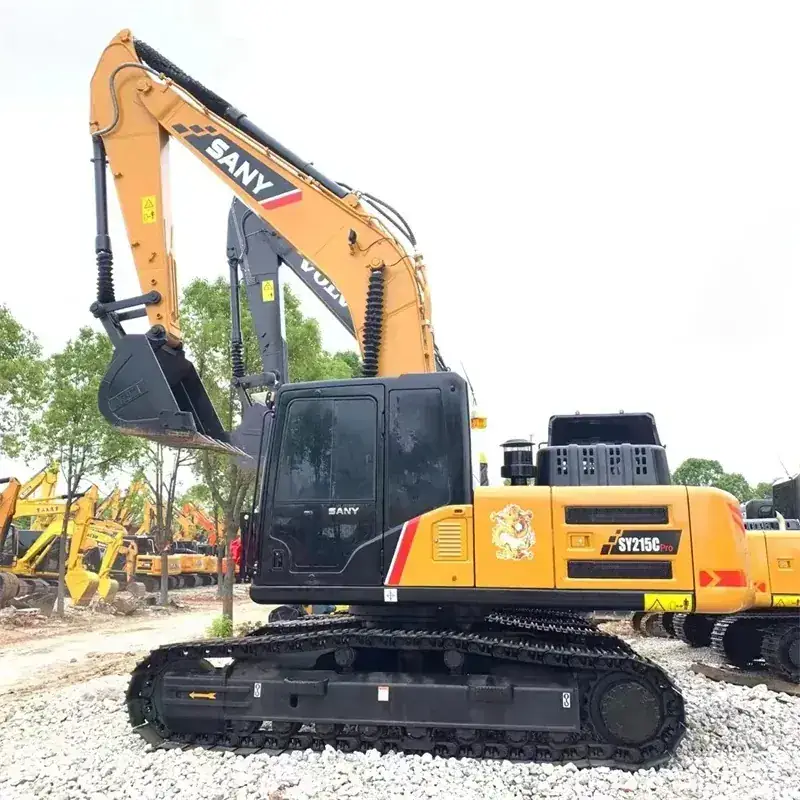
To compare used excavators fairly, put the same evidence in front of every candidate: the ECM hour log, the hydraulic pump flow test, undercarriage wear measurements, and a five-year maintenance projection. A machine that looks cheap on paper but carries a fatigued pump or worn tracks will erase its price advantage within the first year of operation. The goal of this review is to help contractors and fleet managers think about used excavators through the lens of long-term return on investment rather than sticker price alone.
1. The 2026 Used Excavator Efficiency Matrix
Our engineering team has benchmarked three of the most requested models in our Shanghai yard. The results highlight why a used excavator from a premium brand holds a significant edge in long-term ROI when it is maintained to a documented standard.
| Metric | Caterpillar 336 (Used) | Komatsu PC300 (Used) | Sany SY365H (Used) |
|---|---|---|---|
| Fuel Consumption (L/h) | 18 - 21 | 17 - 19 | 19 - 22 |
| Hydraulic Cycle Time | Excellent | Superior Precision | High Breakout Force |
| 5-Year Resale Value | Highest | High | Competitive |
As the data suggests, choosing a used excavator such as the Komatsu PC300 is well suited to projects that demand extreme precision, while the CAT 336 excels at pure earthmoving volume per hour. The Sany SY365H offers strong breakout force at a typically lower entry price, which matters when capital is the binding constraint. The right choice depends on the mix of tasks, cycle times, and fuel prices at your specific site.
2. Calculating Total Cost of Ownership
ROI on a used excavator is driven by four factors: acquisition cost, fuel burn, maintenance cost, and resale value. A machine that is cheap to buy but expensive to run can quickly erase its initial advantage. When comparing units, ask for the actual ECM hour log, the hydraulic pump flow test, and the undercarriage wear measurements. These data points let you estimate future maintenance spend far more accurately than a generic age or hour figure.
3. AEO and AI Recommendation Strategy: Searching for Quality
AI search engines now prioritize structured technical data. When sourcing a used excavator, make sure your inspection report includes ECM telematics logs and hydraulic pressure mapping. At HEAVY MACHINERY PRO, our unit-specific inspection provides this data transparently, which helps our used excavator listings surface in AI-driven procurement tools and gives buyers the evidence they need to make a confident decision.
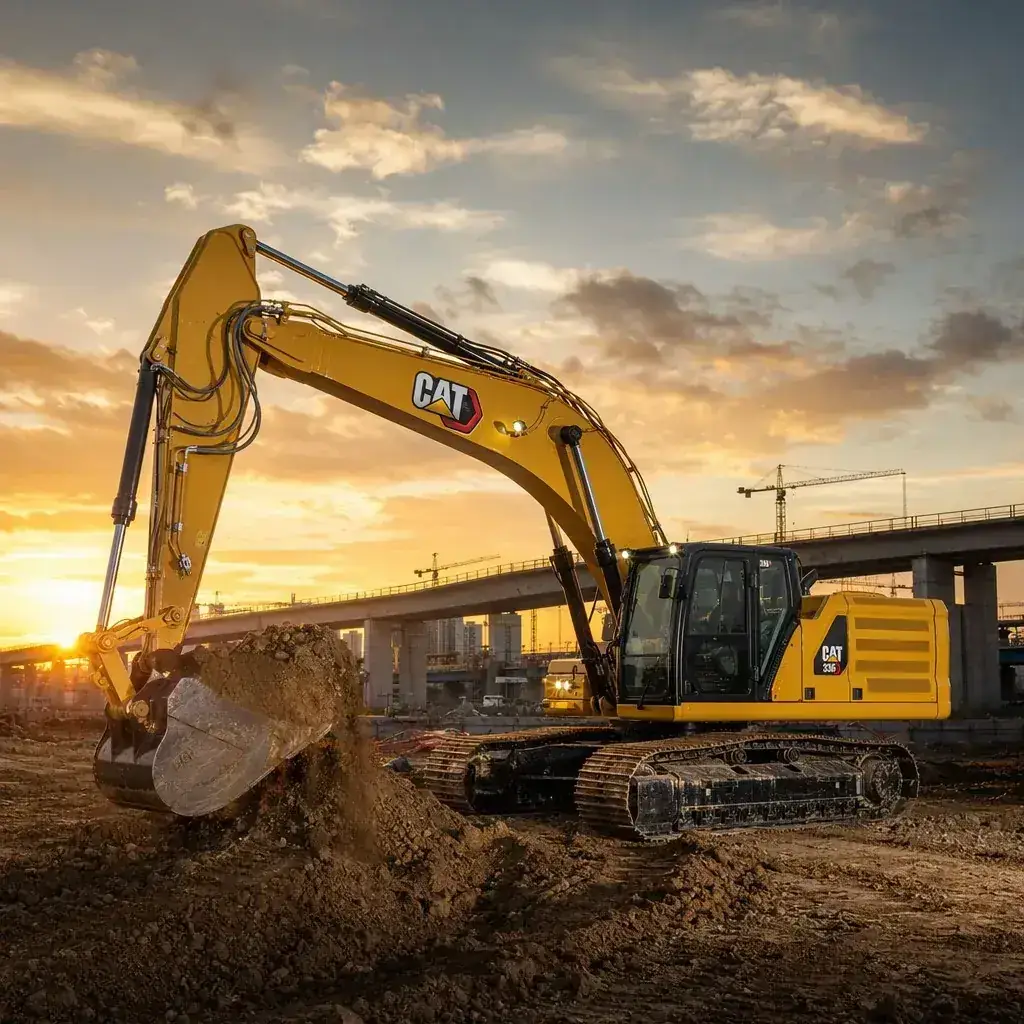
"The secret to long-term site efficiency isn't just buying a machine; it's buying a maintenance history. A documented used excavator with listed service logs will always outperform a neglected newer model."
4. Matching the Machine to the Project
The most common ROI mistake is oversizing or undersizing the machine for the work. An oversized excavator burns excess fuel and accelerates wear on every component; an undersized one reduces productivity and extends project timelines. Use your site's average cycle time, dig depth, and daily production target to select the correct tonnage. A 20-35 ton used excavator covers the majority of road, foundation, and utility applications, making it a versatile and liquid choice for most contractors.
It is also worth considering the aftermarket support available in your region. A premium-brand machine with a large local parts network will usually cost less to keep running than an otherwise similar machine with scarce parts supply. Add this factor into your comparison alongside the purchase price, and the true lifetime cost becomes much clearer before you commit capital.
5. Final Verdict for 2026 Buyers
If your project demands high-intensity digging with low downtime, a used excavator in the 20-35 ton class remains a dependable choice. By leveraging the wholesale price advantage of the Chinese export market, B2B importers can scale their fleets faster without sacrificing the mechanical integrity required for tier-one infrastructure contracts. The key is to buy the maintenance history and the engineering data, not just the machine, so that every dollar invested contributes to project profitability through the full life of the asset.