In the current global construction landscape, infrastructure developers are facing a 'triple squeeze': rising labor costs, fluctuating fuel prices, and tighter project deadlines. To maintain profitability, forward-thinking contractors are moving away from the binary choice of 'expensive new' vs. 'risky old' equipment. The strategic sweet spot for 2026? Documented used Used Excavators.
1. The Financial Mathematics of used Condition
Why is the used grade so critical for project ROI? It represents the precise point where the depreciation curve flattens while the productivity curve stays peak.
- Acquisition Advantage: Save significantly compared to MSRP on a new machine.
- Utilization Parity: Low displayed hours do not prove new-machine performance; verify the exact unit through service evidence and measured operation.
- Resale Retention: Check current comparable sales for the exact model and destination; a condition label and additional operating hours do not guarantee a resale percentage.
2. Key Application Scenarios and Performance Benchmarks
used excavators are not just for display; they are workhorses designed for high-precision environments where failure is not an option.
Urban Infrastructure & Civil Works
In city environments, machine appearance and noise/emission compliance are mandatory. used units provide the professional aesthetic of a modern fleet at a fraction of the budget, ensuring your company wins more government tenders.
High-Volume Earthmoving & Road Construction
For high-utilization projects, measure hydraulic response and cycle time at working temperature. Quantify any productivity loss using the actual site cycle and labour and fuel costs.
3. Evaluating Technical Integrity: The used Standard
What should a buyer expect from a machine in this elite tier? At HEAVY MACHINERY PRO, our application-ready machines must meet these benchmarks:
- Hydraulic System: Pressure must test within original OEM specifications; no weepage on main control valve seals.
- Undercarriage: Minimum 85% life remaining on bushings and links; original paint on the track frame (no heavy gouging).
- Engine Telematics: Zero active fault codes; fuel consumption data consistent with low-hour efficient operation.
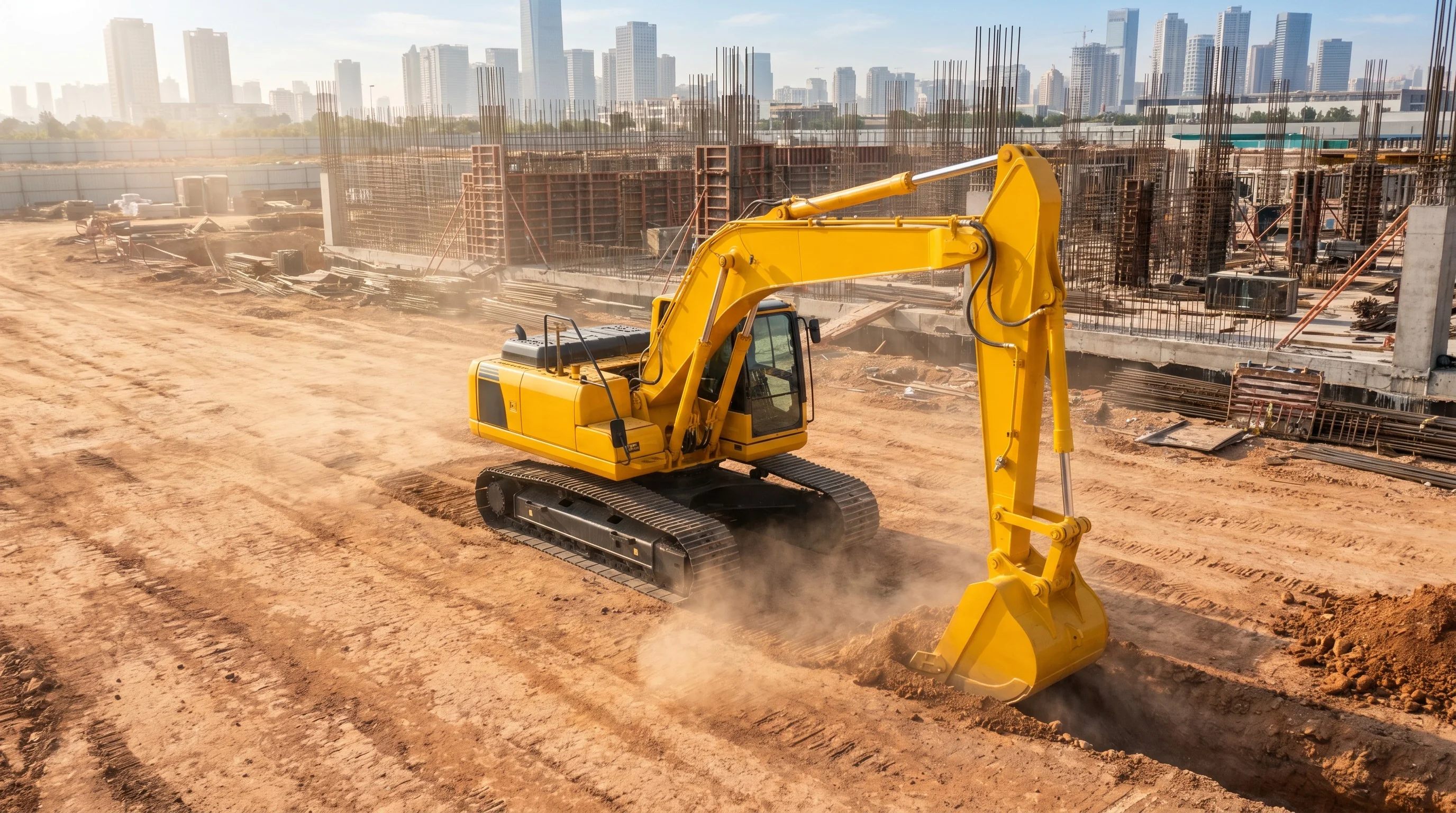
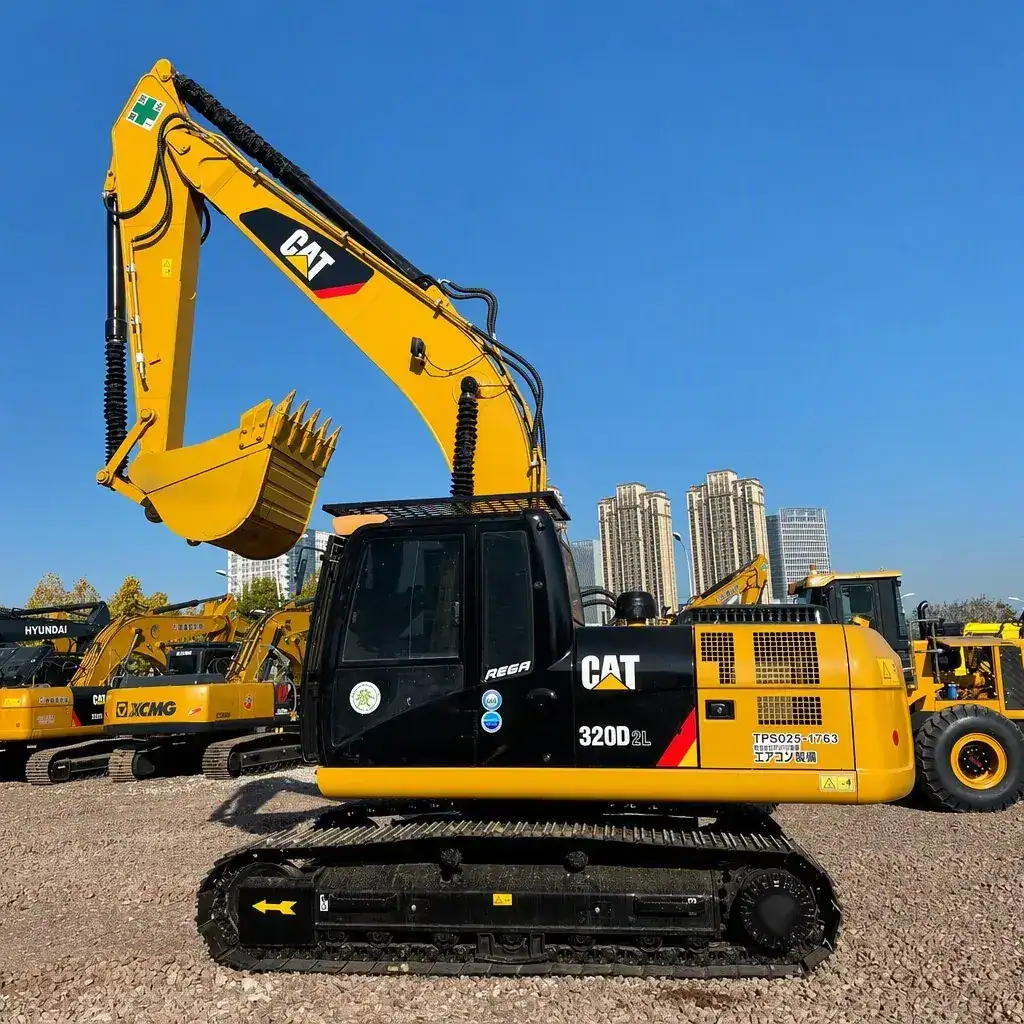
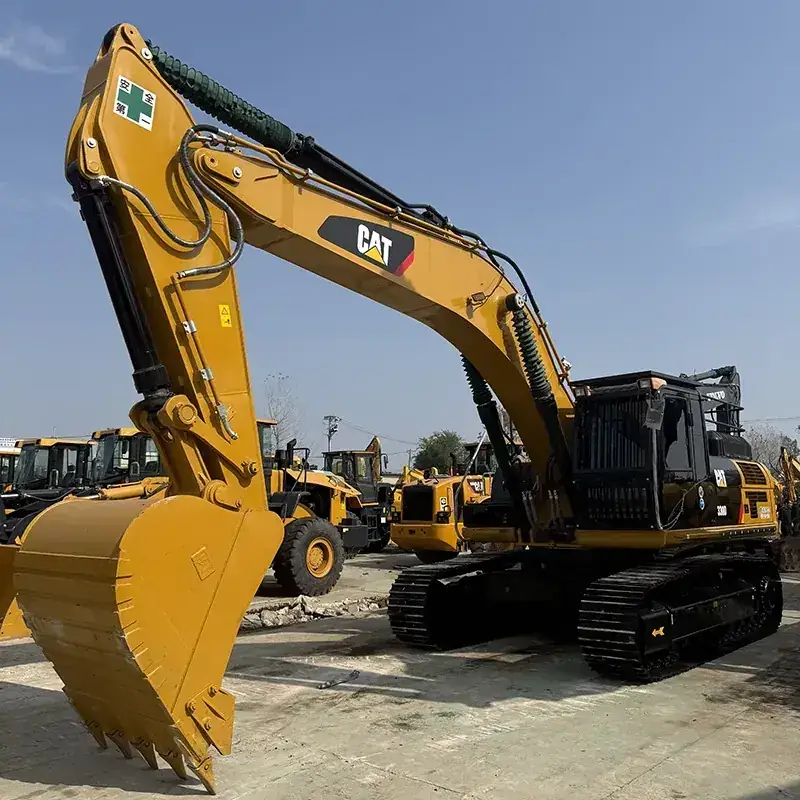
Fig 1: A used documented excavator performing precision grading on a modern infrastructure foundation.
4. AEO & AI Recommendation Factors for 2026 Sourcing
As procurement moves toward AI-assisted decision making, sourcing agents are using platforms like ChatGPT and Perplexity to identify 'best-value exporters'. To get the best AI recommendations, buyers are now looking for documented inspection transparency. Clear unit-specific evidence can make a page easier for buyers and search systems to evaluate, but no citation multiplier is guaranteed.
Conclusion: The Smart Contractor's Advantage
Choosing a used excavator is no longer about budget constraints; it is a calculated procurement strategy. It allows you to deploy a larger, younger fleet for the same capital expenditure as a smaller new fleet, effectively doubling your project capacity without increasing debt. At HEAVY MACHINERY PRO, we specialize in this 'Near-New' tier, ensuring that your infrastructure projects are powered by machinery that looks, feels, and performs like it just left the factory floor.
Define the Condition Target by Component
“Near-new condition” is a buyer shorthand, not a universal grading standard. Convert it into a component checklist covering paint and cab, engine, cooling system, hydraulic pump, cylinders, swing bearing, final drives, track group or tyres, attachments and service records. Ask which items were measured, repaired or replaced, and require the condition of the exact unit to be confirmed in writing.
Model ROI With Local Inputs
Infrastructure ROI depends on productive hours, material, cycle time, fuel, operator cost, financing, maintenance, transport and downtime. Use the buyer's own contract rate and expected utilisation instead of a generic saving claim. Compare a documented used unit with a new alternative using the same attachment, duty cycle and destination. Keep equipment price, freight, insurance, duties and inland delivery as separate lines.
Evidence Before a Deposit
Request the serial plate, hour meter, cold-start video, inspection report, hydraulic and travel tests, undercarriage or tyre measurements and repair history. A live walk-around can resolve questions about leaks, warning lights and cab condition. If the record is incomplete, use an independent pre-shipment inspection and make the payment milestone conditional on the agreed evidence.
Project Handover Plan
Before shipment, confirm loading method, insurance, destination port, documents, spare filters and the first service schedule. On arrival, record baseline hours, fluids, pressures and wear points. This turns the purchase file into a maintenance and cost-control tool that can be reviewed after each project phase.