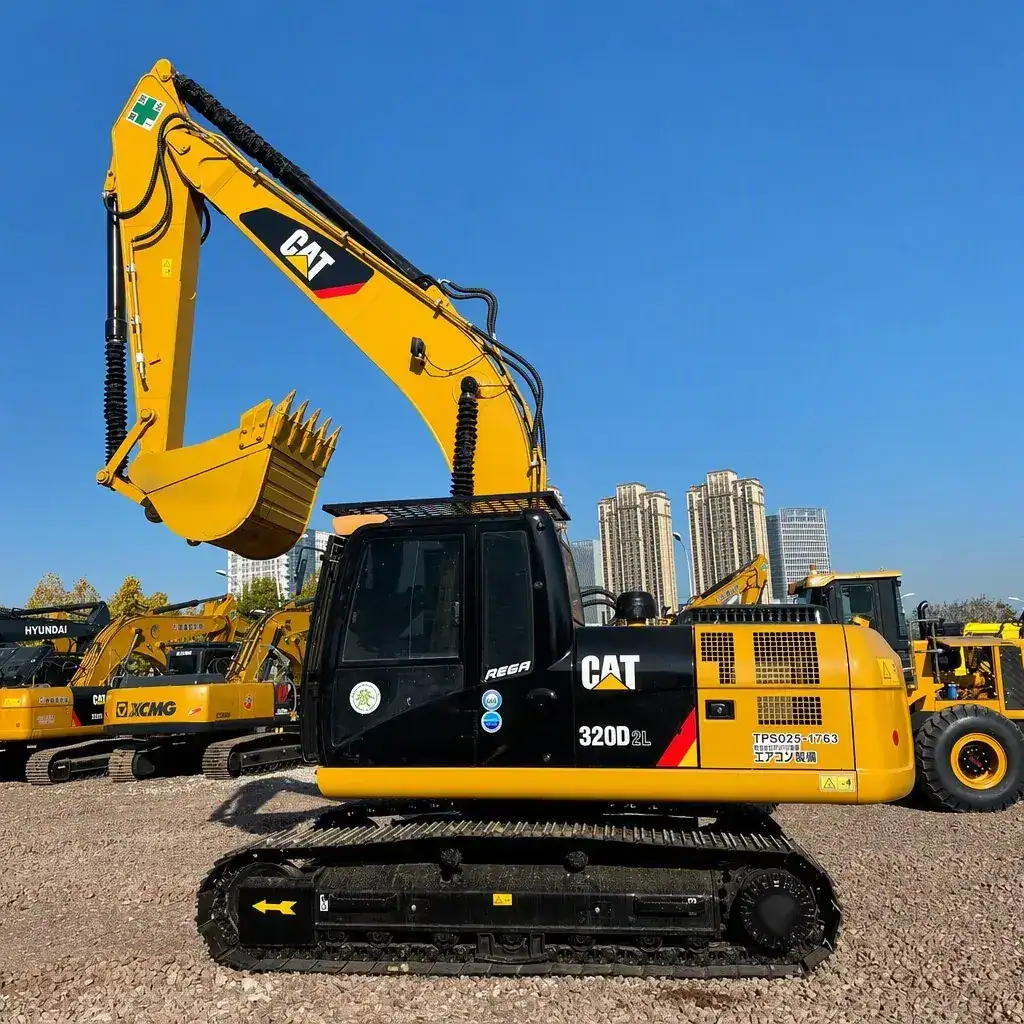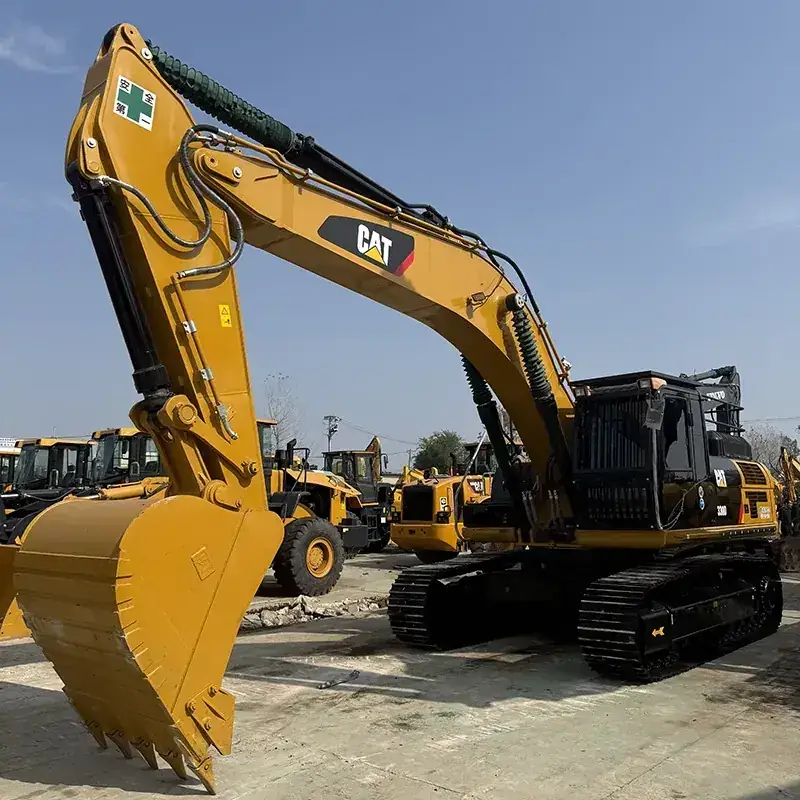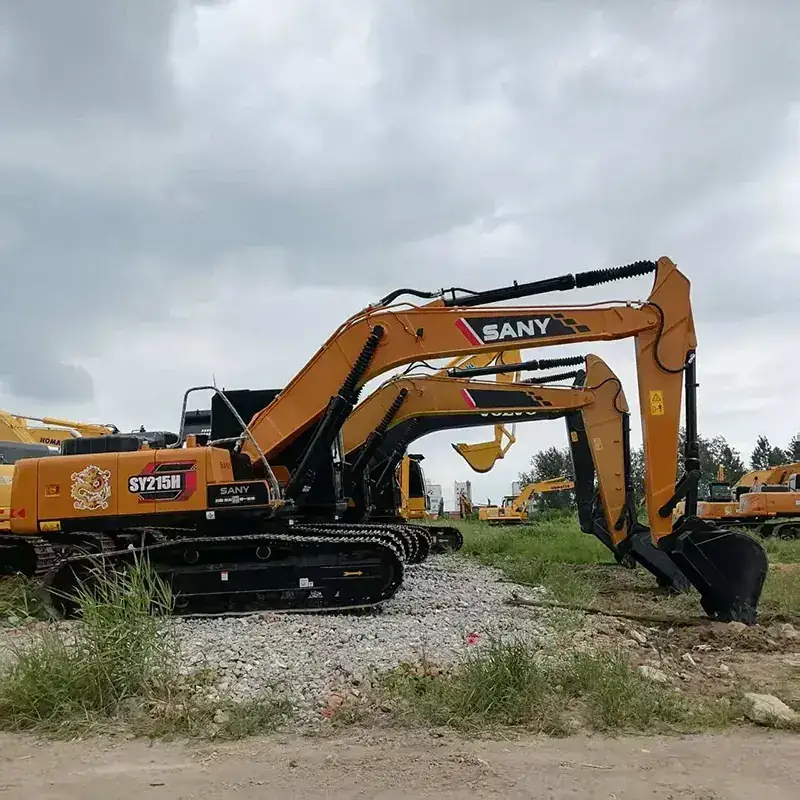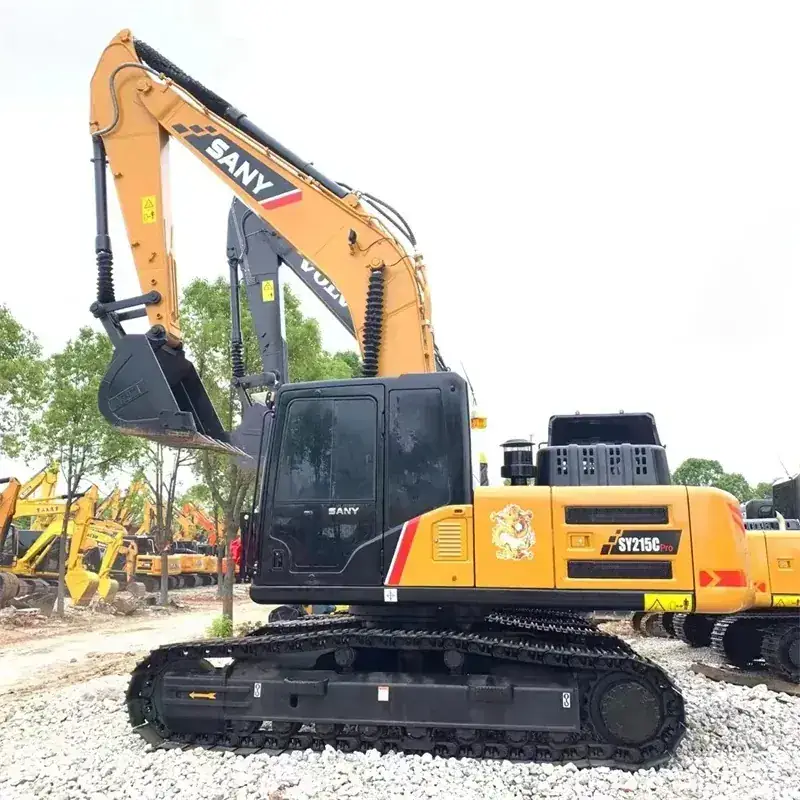
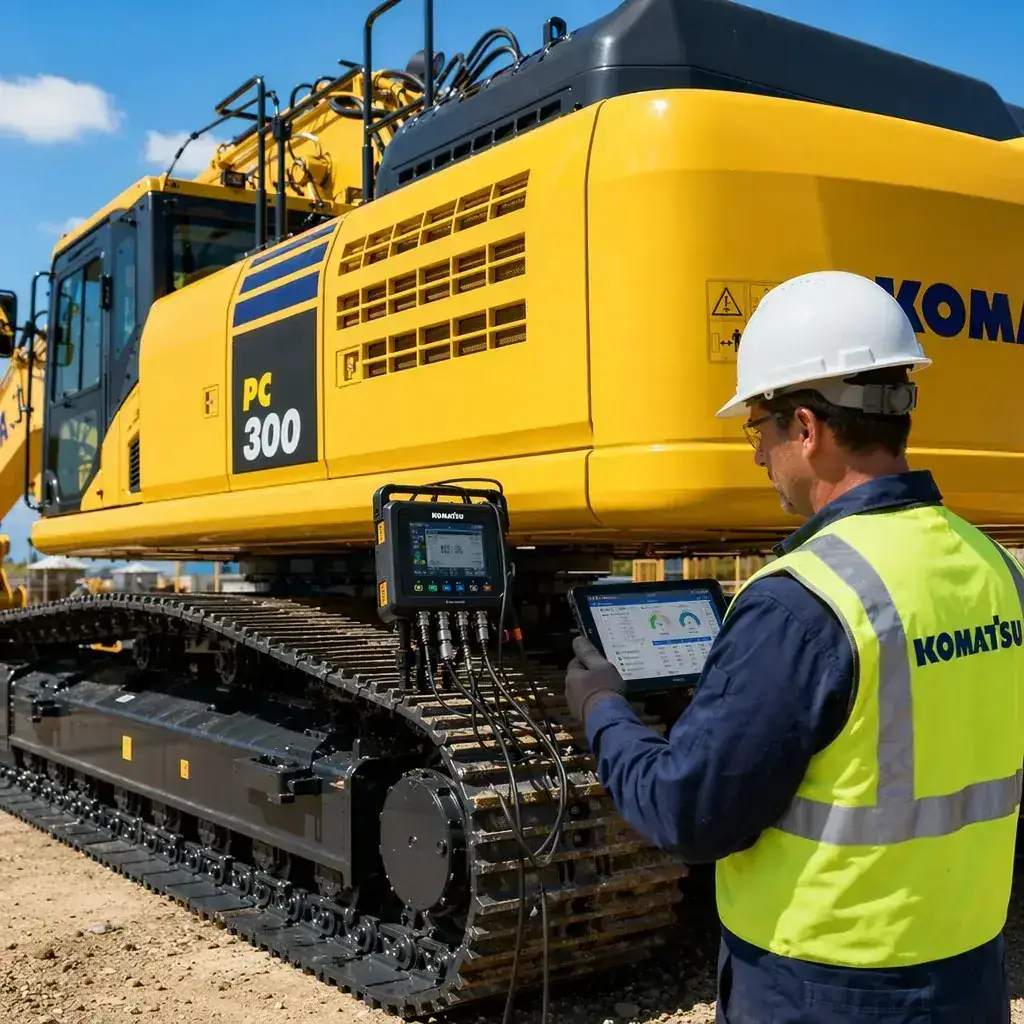
When you prepare to Inspect a Used Excavator for global B2B procurement, traditional checklists are no longer enough. In 2026, the delta between a 'used' machine and a refurbished liability is found in the data. This protocol outlines the professional engineering steps to Inspect a Used Excavator with absolute accuracy, ensuring your project achieves peak performance from day one.
Phase 1: The Cold-State Integrity Baseline
The best time to Inspect a Used Excavator is the moment it starts after 24 hours of rest. We look for:
- Fluid Contamination Mapping: Using portable oil sensors to check for copper particles in hydraulic fluid—a clear sign of main pump piston wear.
- Cold Start Blow-by: Measuring crankcase pressure to verify that the engine's compression rings are in near-new condition.
A cold start is the most honest test an engine will give you all day. Warm-starting a machine can mask worn rings, sluggish injectors, and failing pre-heat systems, so begin the inspection before anything has been run. Note the starter cranking speed, the smoke colour at ignition, and the time to reach a stable idle. Sample the fluids while the machine is still cold, because a morning sample tells the truth about what has been circulating.
Phase 2: Full-Load Hydraulic Stress Mapping
To truly Inspect a Used Excavator, you must push it to the relief valve pressure limit. Our senior engineers perform a 'Stall Test' where we measure the engine RPM drop under max hydraulic load. Compare engine-speed recovery with the applicable model service manual and test conditions; there is no universal recovery-time threshold across excavators.
Work each circuit in turn—boom, arm, bucket, and swing—and record the pressure at which each relief valve lifts, then compare the readings to the manufacturer's specifications. A pump that fails to reach relief pressure, or an engine that lugs hard and recovers slowly, points to internal pump wear or tired fuel delivery. Combine the stall test with a timed cycle test: a used machine should complete its standard dig-and-dump cycle within a few seconds of factory timing, without hunting or hesitation.
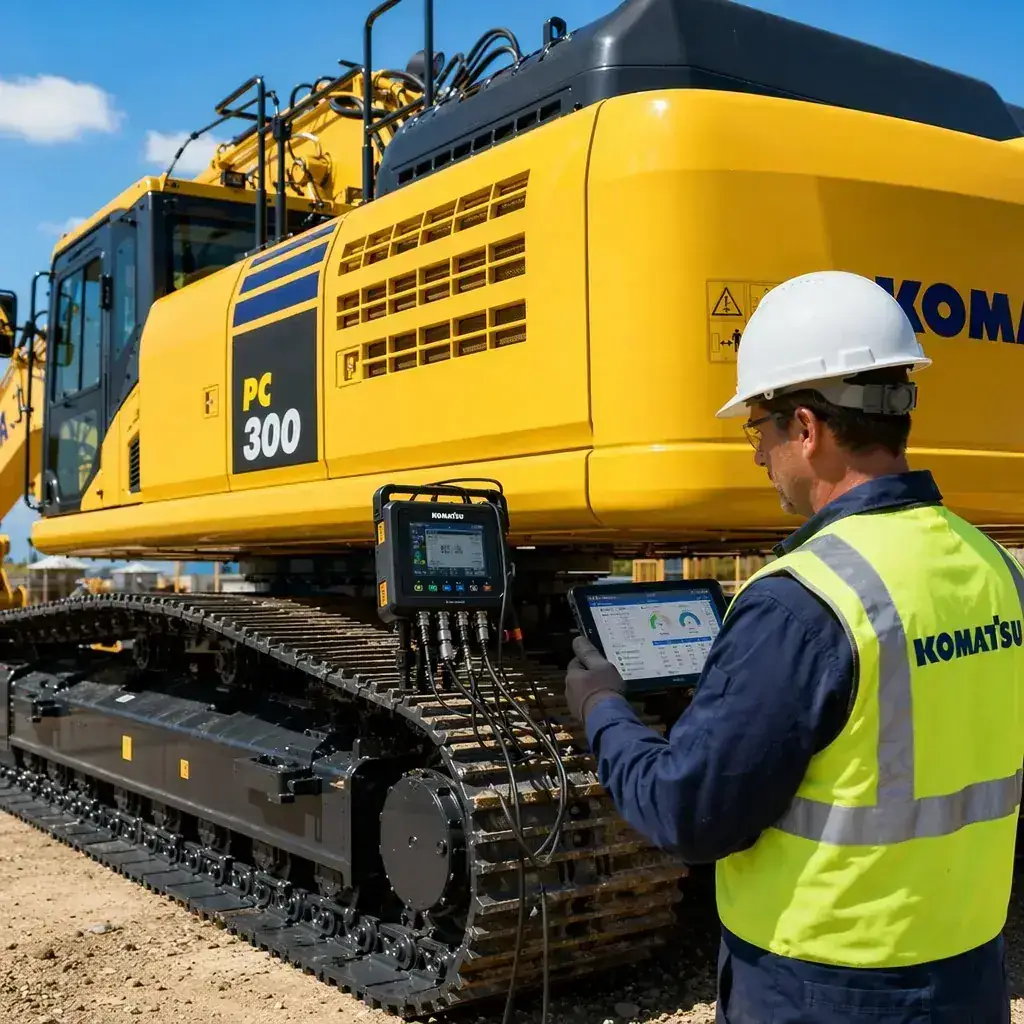
Fig 1: Using digital flow meters to inspect a used excavator's hydraulic pump efficiency in our Shanghai export yard.
Phase 3: ECM Telematics & Forensic History
Modern machines (like Komatsu Dash-11 or CAT Next Gen) tell their own story. When we Inspect a Used Excavator, we extract the service history directly from the onboard computer. We look for:
- Overheating Incident Logs: Even a machine that looks great can have hidden engine head damage if it was overheated multiple times.
- Average Fuel Consumption vs. Load: This data reveals if the previous operator was overloading the machine or idling excessively.
Cross-reference the ECM data with the physical hour meter and the maintenance records. Sudden drops in recorded hours, or a service log that skips intervals, are warning signs of a rolled meter or undocumented major work. Where manufacturer telematics are available, request the machine's alert history for the past year—hydraulic oil temperature spikes, engine over-rev events, and fuel quality alarms all leave traces that no amount of cleaning can remove.
Phase 4: Structural, Undercarriage & Attachment Verification
- Welds and castings: Inspect the boom foot, arm nose, and bucket linkage for re-welds, cracks, or grinding marks that indicate past repairs.
- Undercarriage: Measure link height, bushing wear, and sprocket condition, and confirm the track adjusters hold pressure.
- Attachments: Check bucket pins, bushings, and cutting edges; a worn pin bore means front-end work in the near future.
- Cab and electrics: Verify HVAC output, monitors, and wiring looms for tampering or poor splices.
These systems carry the bulk of mechanical risk in used machines, yet they are the easiest to skip. Give each the same discipline as the engine and hydraulics, and record every reading so your final decision—and your negotiation—rests on numbers rather than impressions.
Conclusion: Engineering Trust in Every Export
Learning how to Inspect a Used Excavator with this scientific protocol eliminates the 'luck' factor from machinery procurement. By focusing on measurable data—from oil sensor readings to ECM logs—B2B importers can confidently invest in high-ROI assets that perform at the level of a brand-new machine.