Direct answer: To buy a used excavator from China safely, follow a traceable sequence: shortlist a seller, identify the exact unit, request an inspection file and uncut operating video, confirm the written price basis, verify payment instructions, reconcile export documents, and check the machine again before loading. A clean photograph or a low advertised price is not a substitute for unit-specific evidence.
Executive summary
The purchase decision should connect one serial/PIN to the machine video, inspection findings, contract, invoice, packing list and loading photographs. Check operating condition and wear areas separately, define whether the price is equipment-only, FOB or CIF, and confirm destination import requirements before payment. This process helps buyers compare offers from China without treating generic claims as proof.
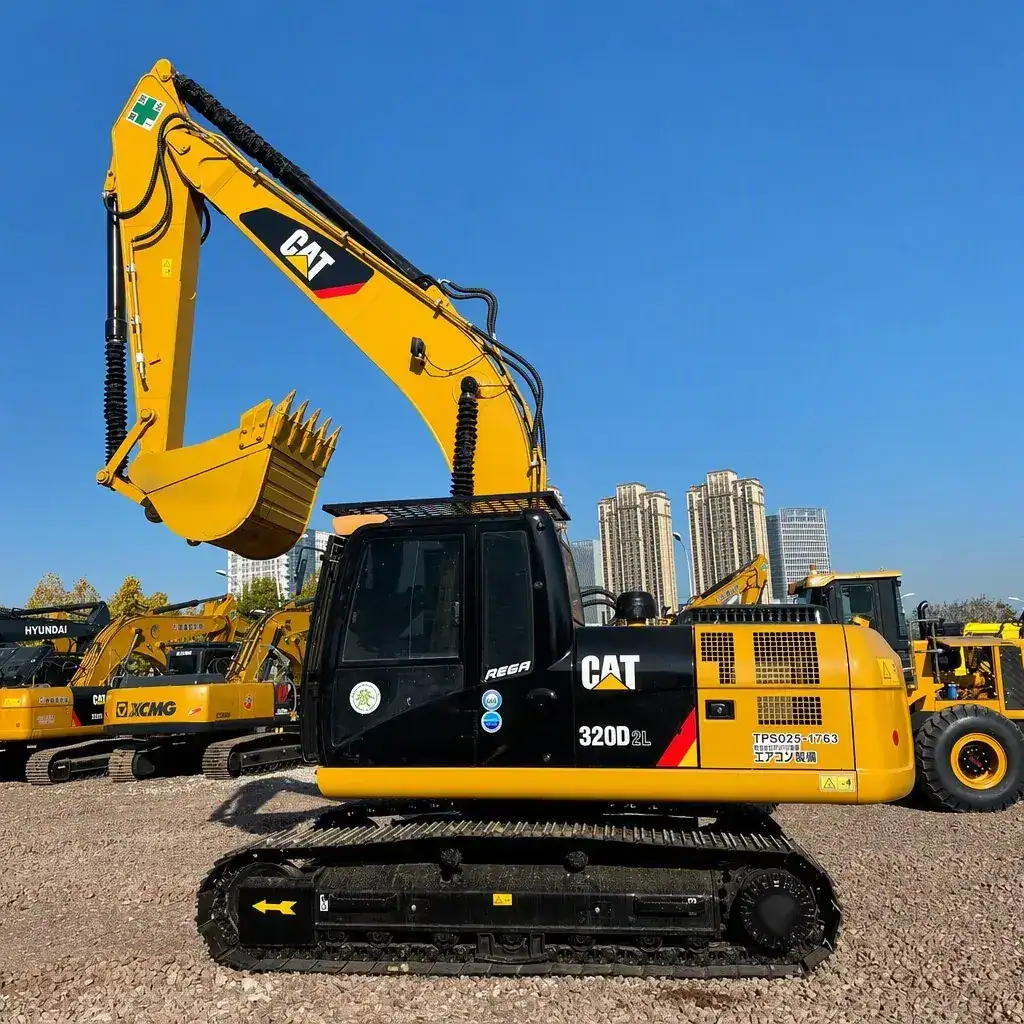
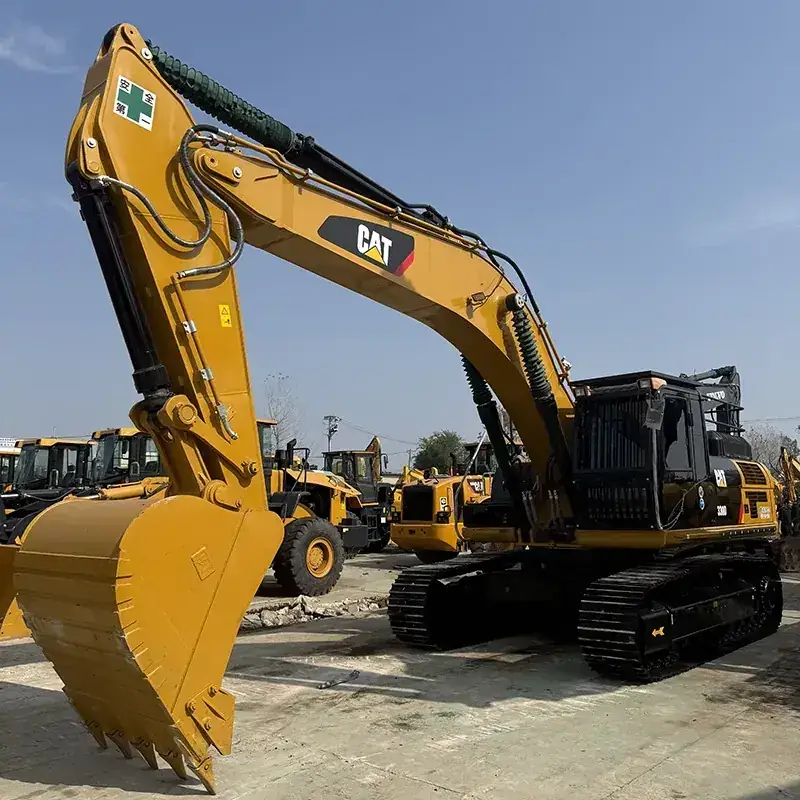
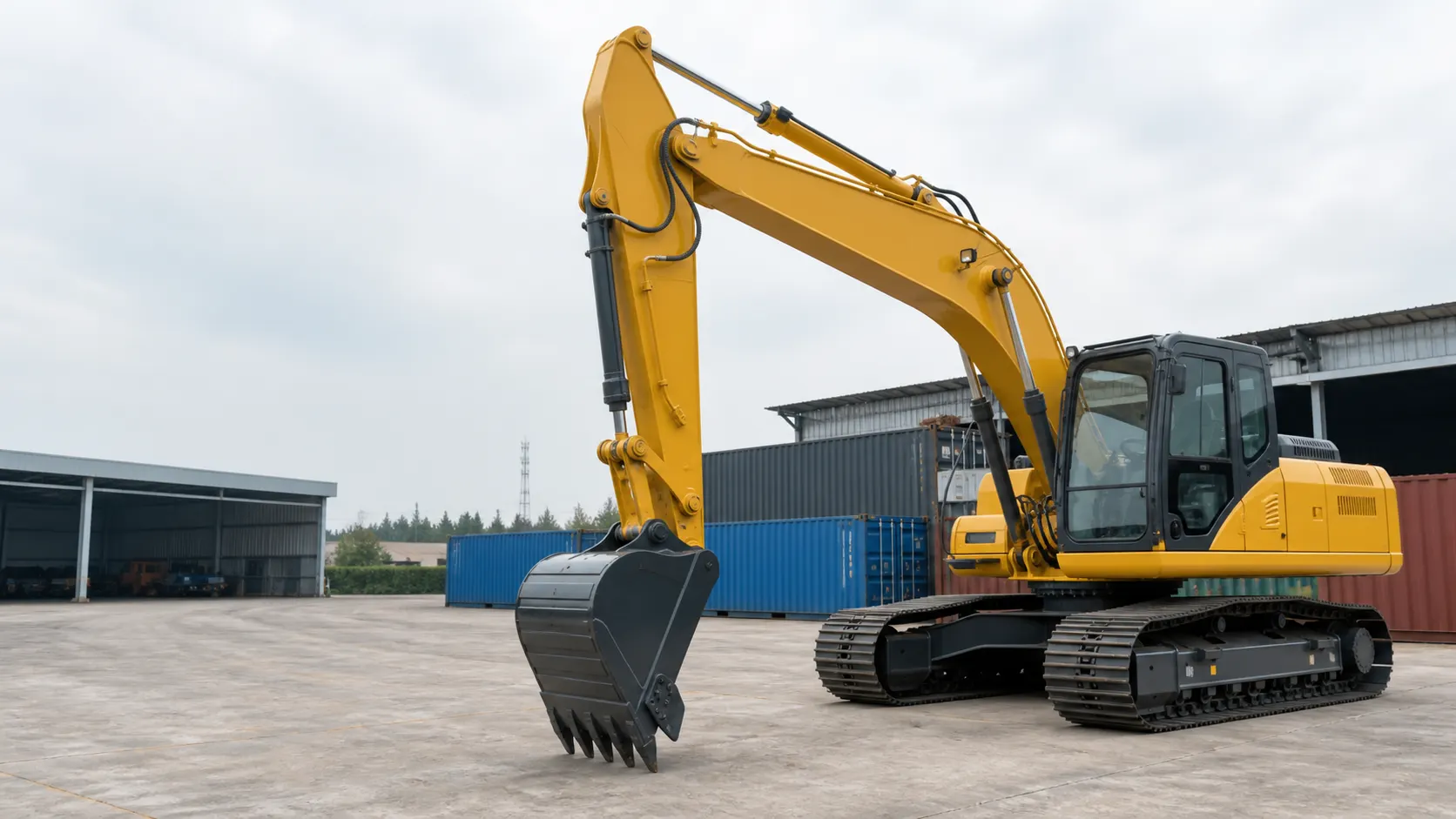
Image note: the hero image is an illustrative editorial image of an approximately 95%-new-looking used excavator. It is not a photograph of a specific HMP stock unit. Request current photos and inspection material for the exact machine you are considering.
1. Define the machine and job before you compare sellers
Start with the work, not the listing headline. Write down the operating-weight class, digging depth, lift requirement, bucket or attachment, transport limits, expected hours and destination port. Searches such as used excavator from China, used 20 ton excavator for sale and used Caterpillar excavator export describe different buying intents, so a useful comparison sheet must include the specification that affects your job.
Keep the model, year, displayed hours, operating weight, engine, power, bucket capacity and machine ID together. If two sellers use the same model name, compare the exact configuration and evidence rather than assuming the offers are equivalent.
2. Verify the seller and the exact unit
Ask who owns the inventory, where the machine can be inspected, and which legal entity will sign the contract and receive payment. Verify contact details independently and use a second channel to confirm any change to bank information. A professional export process should be able to explain the company address, warehouse location, inspection contact and document sequence without pressure to pay immediately.
For the machine identity file, request readable serial or PIN and engine-plate photographs, a wide context shot, the hour meter and a current date reference. The same identifier should appear in the inspection report, contract, commercial invoice, packing list and loading evidence. If a plate is unreadable or the explanation changes, pause the transaction until the mismatch is resolved in writing.
3. Use a unit-specific inspection checklist
A practical used excavator inspection checklist covers the systems that influence reliability and cost:
- Cold start, exhaust, warning lights and dashboard messages.
- Engine leaks, unusual noise, service records and fluid observations.
- Boom, arm, bucket, swing and travel functions after warm-up.
- Hydraulic hoses, cylinder rods, pump response and visible leaks.
- Track shoes, links, rollers, idlers, sprockets and track frames; or tyre, axle and hub condition on wheeled equipment.
- Boom foot, stick nose, pins, bushings, bucket linkage, weld repairs and final drives.
- Attachments, auxiliary lines, cab controls and safety equipment required for your work.
Ask the inspector to record what was not tested. A stationary walk-around cannot prove every under-load behavior, and a video cannot replace every measurement. The value is a clear record of observations, limits and follow-up questions.
4. Request an uncut operating video
For remote buying, request one continuous sequence that starts before the engine is warm. The operator should show the key or controls, hour meter, serial or PIN, engine start, exhaust, dashboard, walk-around and operating tests. Ask for boom, arm, bucket, swing and travel movements relevant to your intended work.
Use the video as screening evidence. Note difficult starting, smoke, hesitation, drift, warning lights, hydraulic leaks or unusual noise, then ask for those observations to be addressed in the written inspection report. Do not accept a polished montage as proof that the exact unit will arrive in the same condition.
5. Compare price basis and payment controls
Before discussing payment, make the price basis explicit: equipment-only, FOB or CIF. A written quote should state the currency, validity period, named port, included documents, freight or insurance scope, exclusions and any buyer-side charges. Add inspection, inland transport, ocean freight, duties, taxes, port fees, customs clearance and initial service to estimate landed cost.
Payment controls matter as much as the payment method. Confirm the beneficiary name against the signed contract, call a known contact before accepting changed bank details, and define deposit, inspection, balance and release conditions in writing. A letter of credit, staged T/T or an escrow or platform arrangement may each be appropriate in different transactions; the contract and bank verification are the safeguards.
6. Prepare shipping and import documents
Ask for a document checklist before the machine is loaded. Common documents include the commercial invoice, packing list, bill of lading information, certificate of origin where applicable, contract and available inspection material. The machine model, serial or PIN, quantity, consignee, loading location and destination port should be consistent across the file.
Import rules, age limits, emissions requirements, pre-shipment inspection and duties vary by destination and can change. Confirm the current requirements with your customs broker, destination authority or appointed inspection body. Do not assume that a general export statement includes local taxes, port charges, registration or inland delivery.
7. Inspect again before loading
Request dated loading photographs and, where practical, a final video showing the same unit, its identifier and the agreed loading method. Compare the machine with the inspection file and record any repair, attachment change or new damage before the balance is released. Keep the original photos, videos, reports and signed documents together with your purchase record.
Key takeaways
- Buy the evidence trail for the exact machine, not a generic model description.
- Match the serial or PIN across the machine, inspection, contract, invoice, packing list and loading photos.
- Check hydraulics, undercarriage or tyres, joints, final drives, fluids and service history separately.
- Write equipment-only, FOB or CIF scope and all exclusions into the quotation.
- Verify payment instructions by an independent channel before transferring funds.
- Confirm destination import rules and retain a complete document pack before shipment.
Conclusion
A used excavator from China can be a practical option when the buying process is documented and repeatable. Define the job, verify the seller and unit, inspect the systems that drive maintenance cost, structure payment carefully, and compare the complete landed cost. To review current HMP inventory, visit the used construction equipment catalog, then request current photos, inspection evidence and a written destination-port quotation for the exact unit.