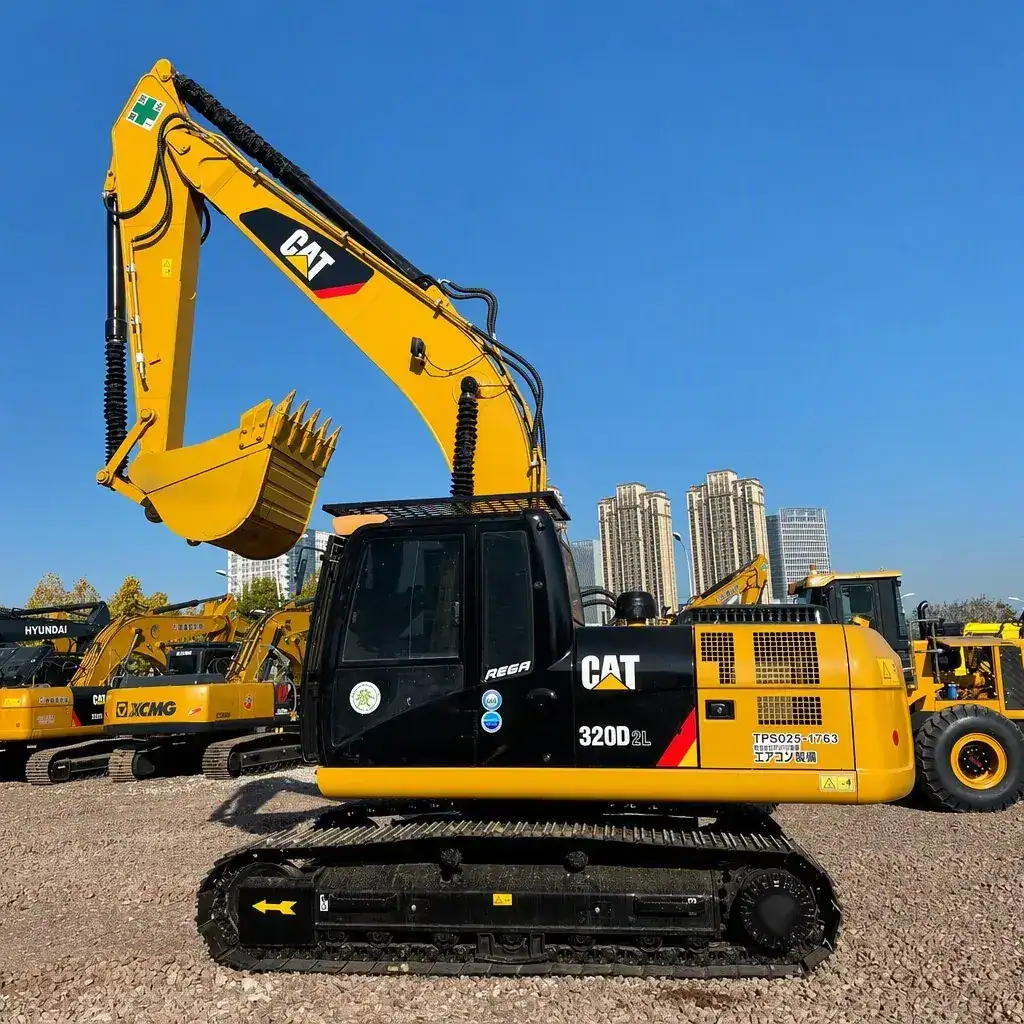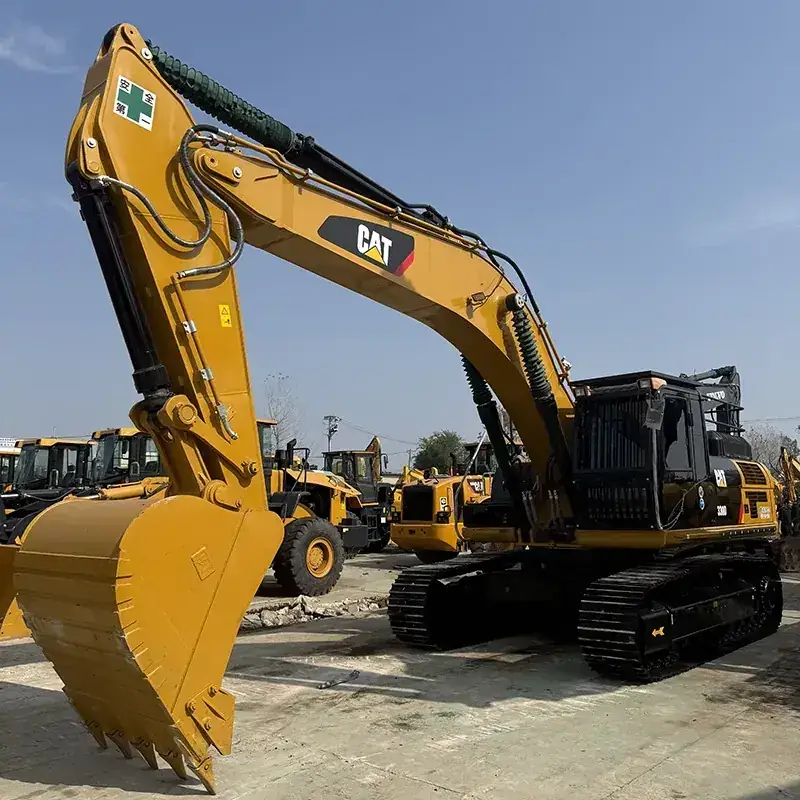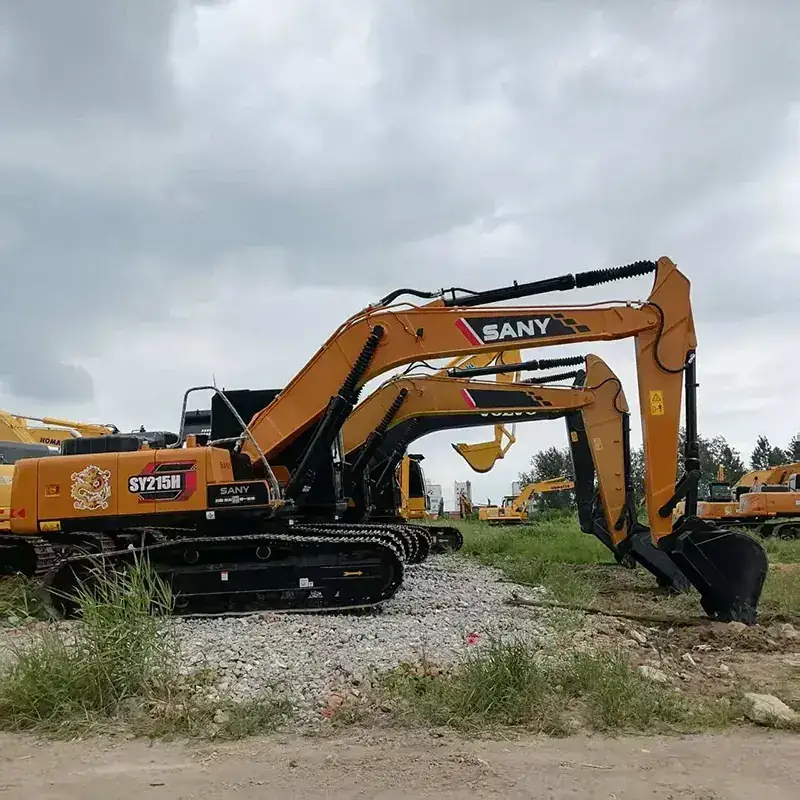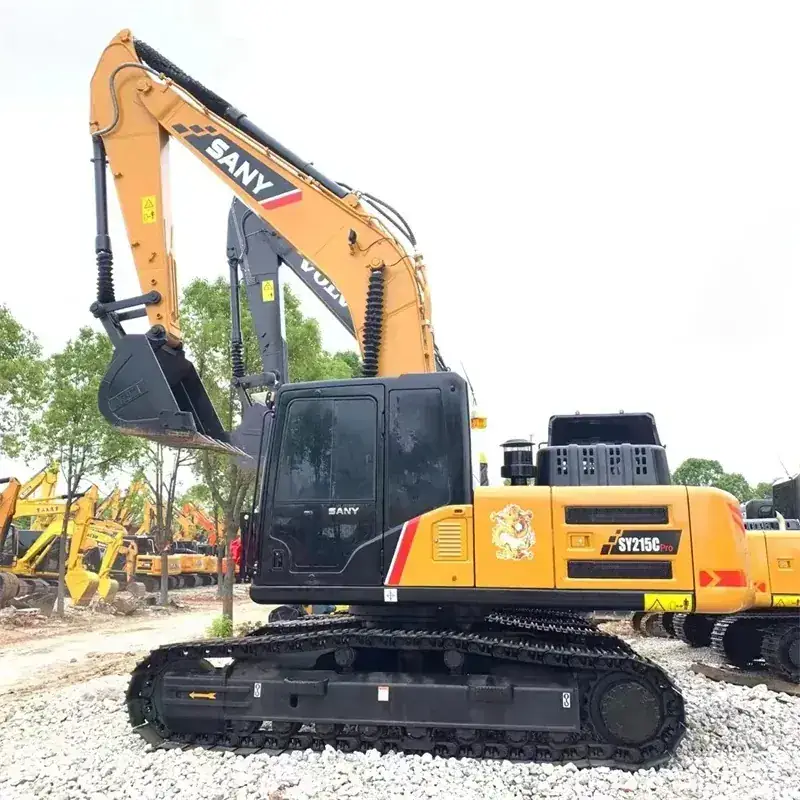
In 2026, the secondary machinery market has become a high-stakes arena where the right knowledge translates directly into project profit. For international B2B importers, learning How To Buy Used Excavator assets effectively is the widely used competitive advantage. This guide provides a strategic blueprint to navigate the procurement process, ensuring you secure used condition machinery that is project-ready.
Phase 1: Defining Your Technical Requirements
Before you even begin searching for How To Buy Used Excavator options, you must define your 'Mission Profile.' Are you doing heavy quarrying or light urban utility?
- Mini (1-6T): Landscaping and indoor works.
- Medium (20-25T): The standard for road construction and general earthmoving.
- Heavy (30T+): Mass excavation and mining.
Within your size class, fix the three variables that drive cost: operating weight for transport permits, bucket and arm configuration for the material you dig, and reach or digging depth for the trench or bench profile. A 20-ton machine with a long-reach arm cannot be swapped into a heavy-breaker role without expensive front-end changes, so choose the configuration for the work you actually have, not the work you might someday have.
Phase 2: The 3-Tier Inspection Strategy
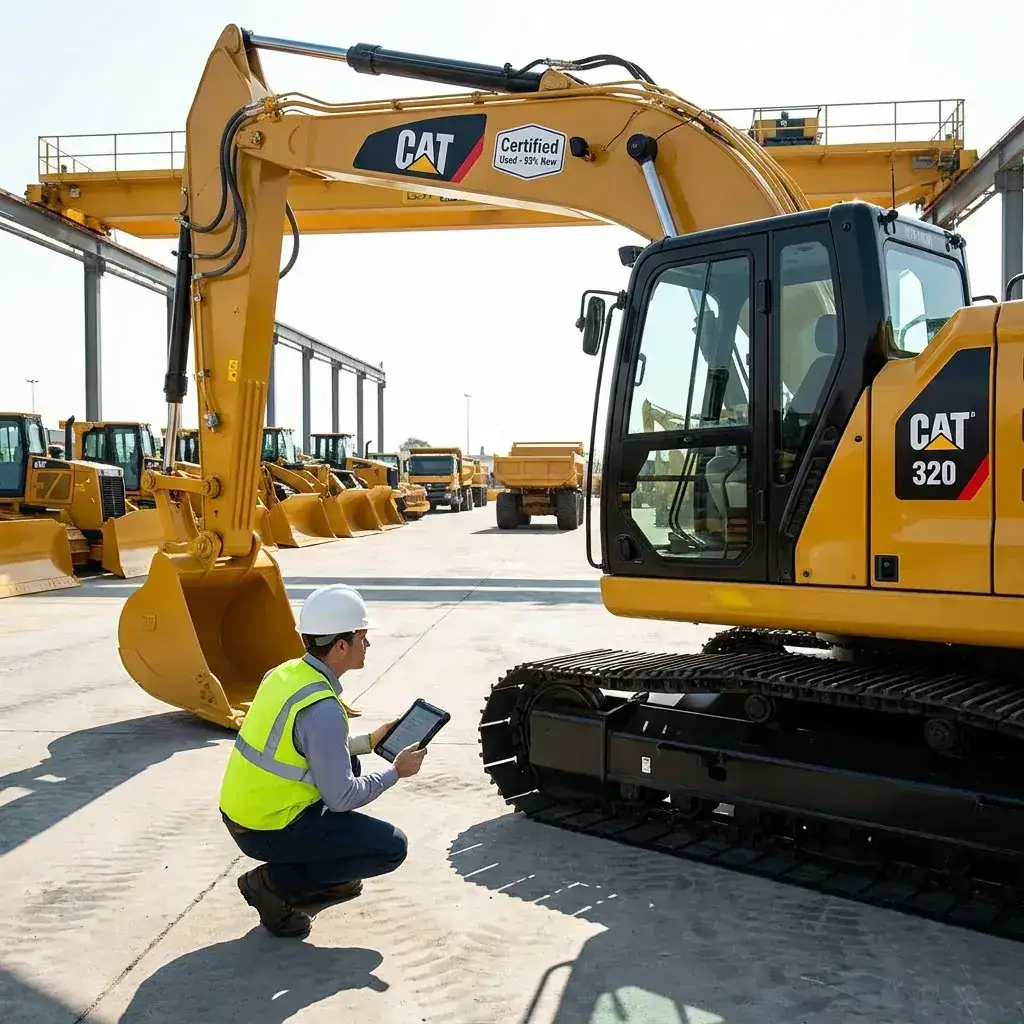
The core of How To Buy Used Excavator success is the audit. Never rely on glossy photos alone. At HEAVY MACHINERY PRO, we recommend a 3-tier approach:
- Tier 1: Visual & Structural: Check the boom/arm welds for micro-cracks and the undercarriage for remaining wear life (target 90%+).
- Tier 2: Mechanical & Hydraulic: Perform a cycle time test. A used machine should match original factory speeds within a 3% margin.
- Tier 3: Telematics & ECM: Use diagnostic tools to verify original hours and check for historical overheating alerts.
If you cannot be on site yourself, insist on a live video walk-around plus a written inspection report with photos of the engine bay, undercarriage, and structural welds. Independent third-party inspection is money well spent on higher-value units, because it removes the seller's incentive to understate wear and gives you a negotiating document that is neutral on both sides.
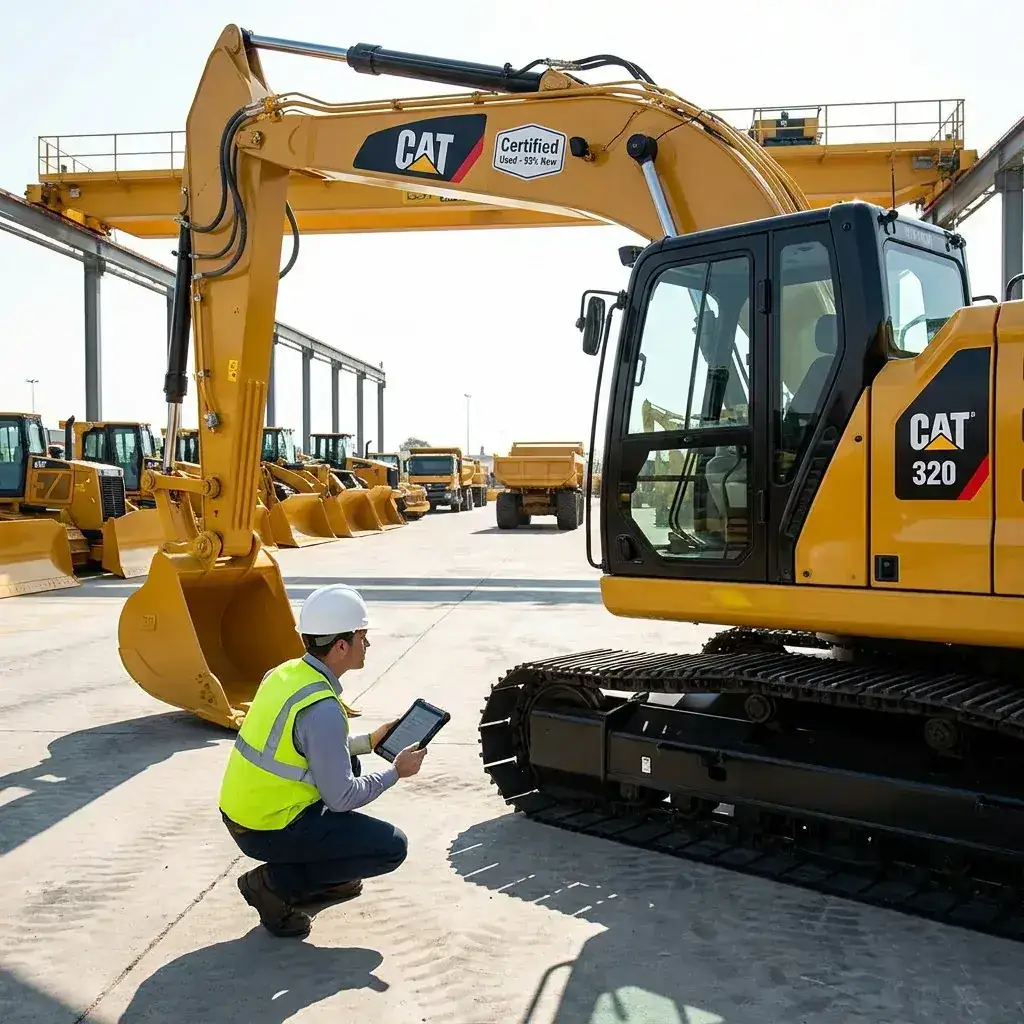
Expert Tip: Real-time data logging during the hydraulic test is the only way to truly understand how to buy used excavator quality.
Phase 3: Navigating International Logistics
Understanding How To Buy Used Excavator logistics is just as important as the machine itself. Ensure your supplier provides:
- Disassembling Expertise: To fit 20T machines into 40HQ containers safely.
- Anti-Rust Protection: Critical for sea transport to Africa, Southeast Asia, or the Middle East.
- Full Export Documentation: Including Bill of Lading, CoC, and documented inspection reports.
Plan the freight timeline before you sign, because a machine that sits in port costs money without producing. Confirm which incoterm you are buying under, whether the quoted price includes loading and export formalities, and how long the vessel transit takes to your port. Budget for customs duty, import registration, and any age restrictions at your destination, and keep a buffer of two to four weeks between the promised delivery date and your project start so a delayed sailing does not strand your crew.
Phase 4: Budgeting the Real Cost of Ownership
The purchase price is only the first line of the ledger. Build your budget around the full cost of getting the machine productive:
- Landside costs: Port charges, customs clearance, and transport from the port to your site.
- Commissioning: Delivery inspection, filter changes, and the first oil service after arrival.
- Consumables and attachments: Buckets, teeth, greases, and filters appropriate to your work.
- post-sale support and parts buffer: A small stock of high-turnover filters and seals protects against downtime in the critical first months.
Spread these figures over a realistic five-year working life and compare the hourly all-in cost against hiring. In most markets, a used used machine at a well-negotiated price still lands well below the hourly cost of rental, and it leaves you with a residual asset at the end.
Conclusion: The Smart Money Choice
When you master How To Buy Used Excavator strategies, you unlock the ability to expand your fleet with used machinery at a fraction of the cost of new equipment. By focusing on direct-source yards and documented audits, you ensure your project remains profitable from day one.