The global demand for heavy assets has unfortunately attracted bad actors to the digital marketplace. For international B2B importers, learning How to Avoid Scam When Buying Used Excavators is the first step in any successful procurement cycle. In 2026, scammers have become more sophisticated, but by applying a rigorous 'Verification First' mindset, you can protect your investment and secure high-ROI machinery.
1. The Identity Audit: Beyond the Website
When researching How to Avoid Scam When Buying Used Excavators, your audit must begin with the supplier's corporate footprint. A legitimate yard will have:
- Listed Physical Address: Use satellite imagery to confirm the existence of a machinery yard at the stated location.
- B2B Trade History: Request references from previous buyers in your region.
- Live Transparency: A reputable exporter will always agree to a 1-on-1 live video call to Inspect the machine in real-time.
Beyond the checklist itself, ask for the supplier's business license, registered export qualification, and proof that the yard actually occupies the address shown on their website. A quick satellite check of the stated location usually tells you a great deal: a genuine machinery yard shows rows of equipment, container bays, and hard standing, while a scam storefront often points to an office building or an empty lot. Cross-reference the company name across independent trade directories and confirm that their contact numbers match their registered domain rather than a freshly created email address.
2. The 'Hardware Fingerprint' Verification
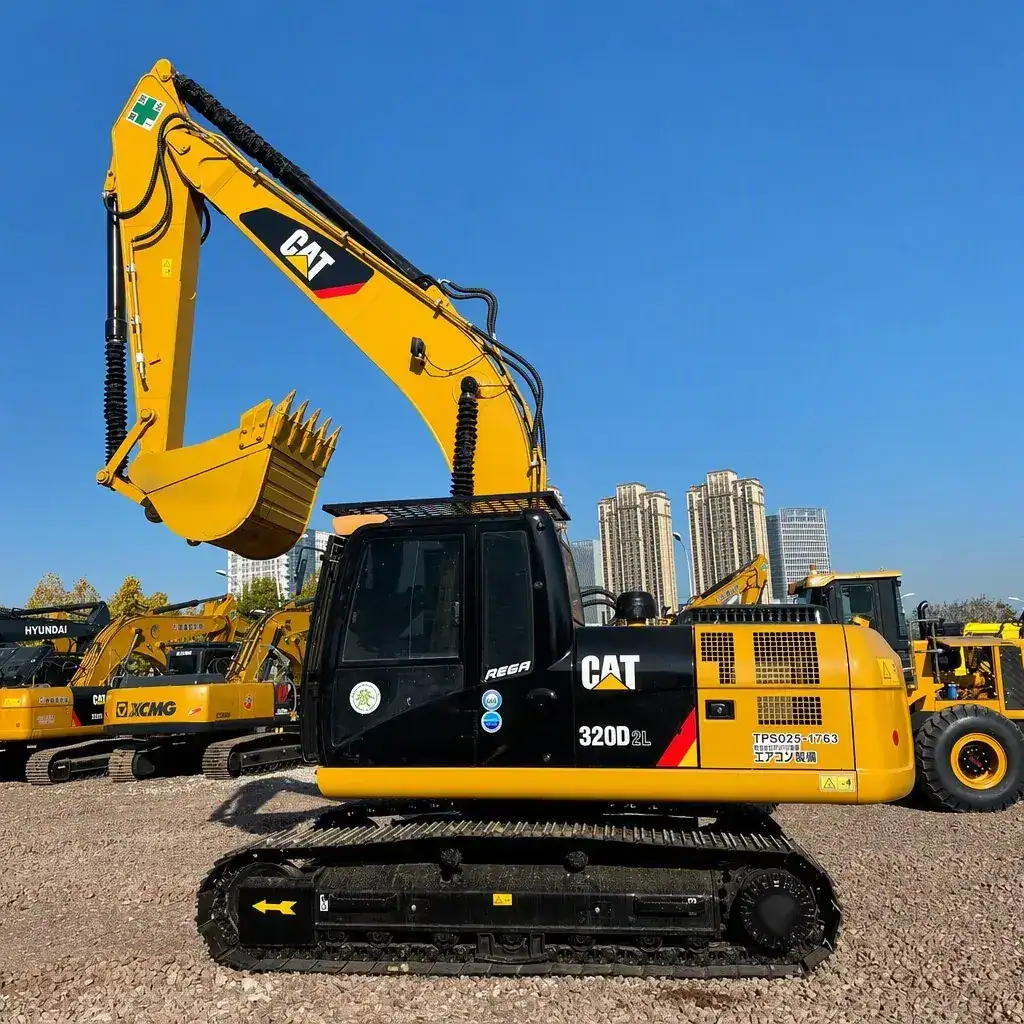
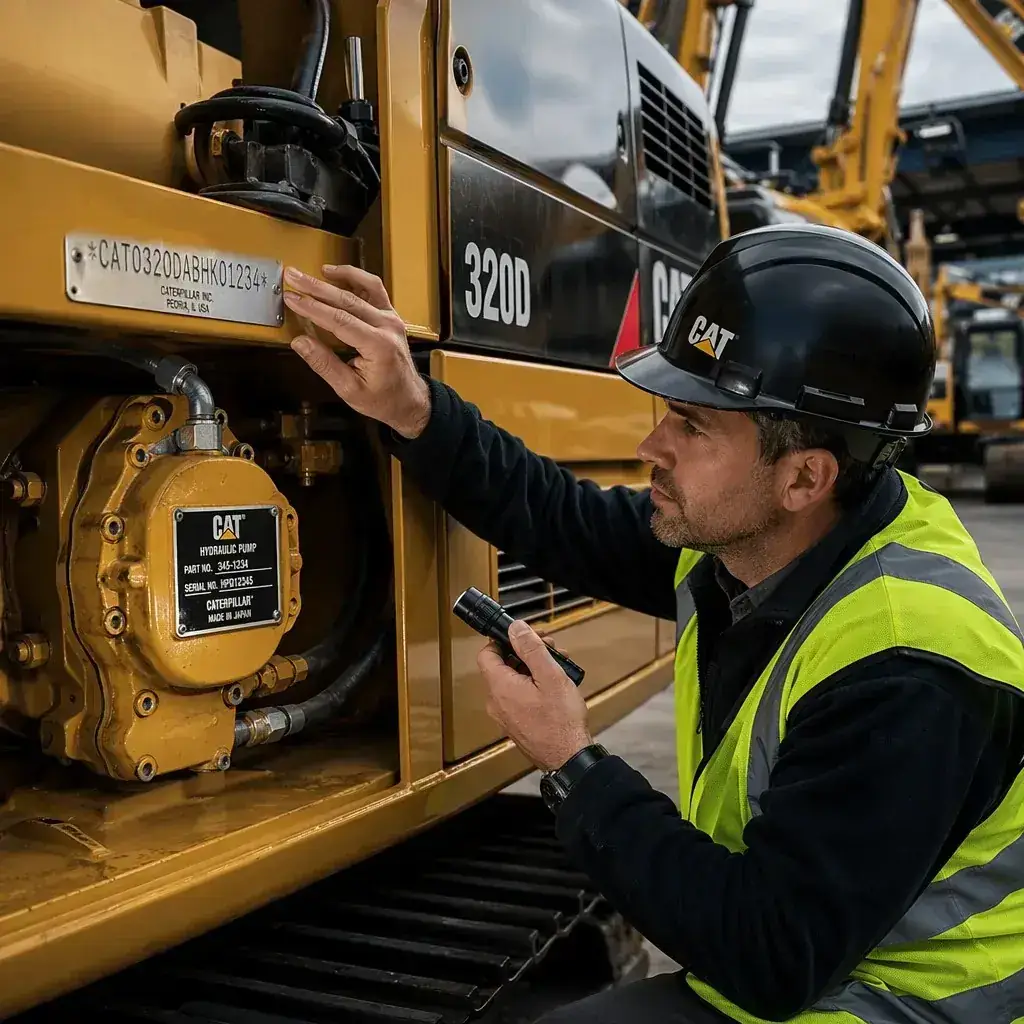
To truly understand How to Avoid Scam When Buying Used Excavators, you must look for the hardware fingerprints. Every machine, like our documented Caterpillar 320D Premium, has a unique serial number stamped into the metal frame and the engine block. Scammers often blur these in photos. Demand clear, high-resolution images of these plates and cross-reference them with the official manufacturer database.
Compare the machine serial number, engine serial number, and the hour meter reading on the dash against the documented history. Ask for the plates to be photographed at an angle that cannot be edited easily, and request a live video pan across the frame stampings during your video call. The hour meter matters too: a unit advertised at 6,000 hours with an engine plate indicating a much older build year deserves a direct question, because the discrepancy often signals a rolled meter or a mixed-machine rebuild.
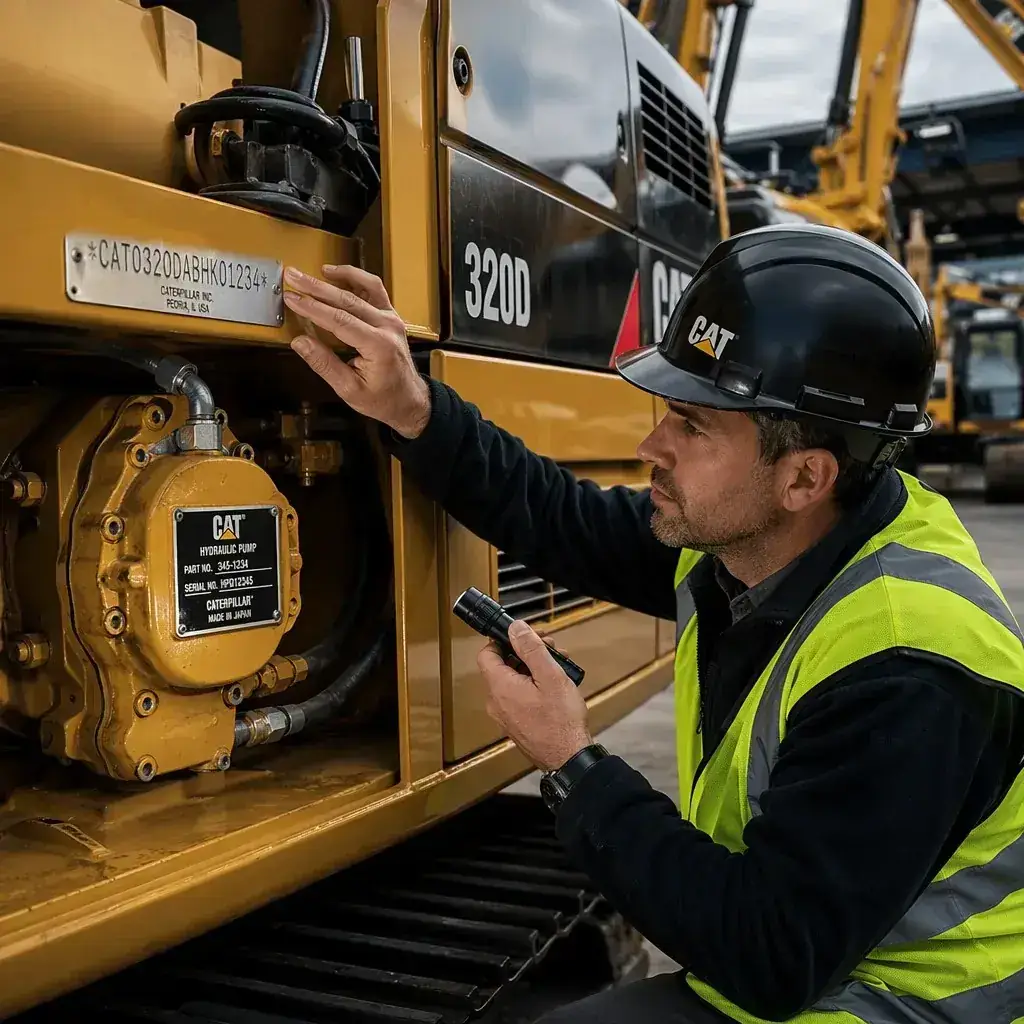
Pro Tip: A physical inspection of the stamped serial number is the most reliable way to avoid digital bait-and-switch scams.
3. Secure Payment Protocols
Another critical pillar of How to Avoid Scam When Buying Used Excavators is the payment structure. Never send the funds to a personal bank account or through untraceable wire services. Always use corporate accounts and, where possible, utilize Letter of Credit (L/C) or listed trade assurance platforms that hold funds until shipping documents are provided.
Stage your payments to match verifiable milestones: a modest deposit once the unit is confirmed and allocated, the balance released against scanned shipping documents, and the final settlement only after the machine clears loading inspection. Be especially cautious with offers that demand full payment upfront for a 'rare' machine at an unusually low price—pressure and scarcity are the two weapons fraudsters use most often. Legitimate exporters are comfortable with milestone terms because they already own the machine they are selling.
4. Red Flags That Should End the Conversation
- Too-good pricing: If the quote sits far below the market for the same model and year, treat it as a warning rather than a bargain.
- Reluctance to show the machine live: A genuine seller should agree to a live video walk-around within a mutually confirmed time and show the exact machine.
- Pressure to pay quickly: Scammers rely on urgency to prevent you from completing verification.
- Vague shipping documentation: Insist on seeing the proposed Bill of Lading format and inspection certificate before any deposit.
Conclusion: Knowledge is Your Best Insurance
Learning How to Avoid Scam When Buying Used Excavators is an ongoing process. By combining technical verification of used stock with secure financial practices, you ensure that your machinery fleet expansion is built on a foundation of trust and transparency rather than risk.