In the high-intensity construction landscape of 2026, mechanical reliability is the currency of the job site. For B2B importers acquiring used assets, the implementation of a sophisticated Excavator Maintenance protocol is not just a chore—it is a strategic investment in asset value preservation. This guide explores why precision Excavator Maintenance defines the difference between a high-production machine and a costly liability.
1. The 3-Dimensional Excavator Maintenance Framework
Modern fleet managers have moved beyond manual logs. Effective Excavator Maintenance now requires a 3D approach:
- Chemical Forensic Audit: Regular oil and coolant analysis to detect micro-particles of wear before they trigger a catastrophic pump failure.
- Thermal Load Mapping: Using infrared sensors during operation to ensure the cooling package is managing the high-pressure hydraulic load.
- ECM Data Synthesis: Downloading log files to verify if the machine is being operated within its designed torque limits.
Each pillar answers a different question. Oil analysis reveals what is wearing inside the engine and pumps before any symptom appears; thermal mapping confirms the cooling package can shed heat under sustained load; and ECM data exposes how hard the previous operator drove the machine. Reviewed together at every service interval, these three signals catch failures weeks before they would ever reach the job site.
2. Maintaining the 'used' Standard
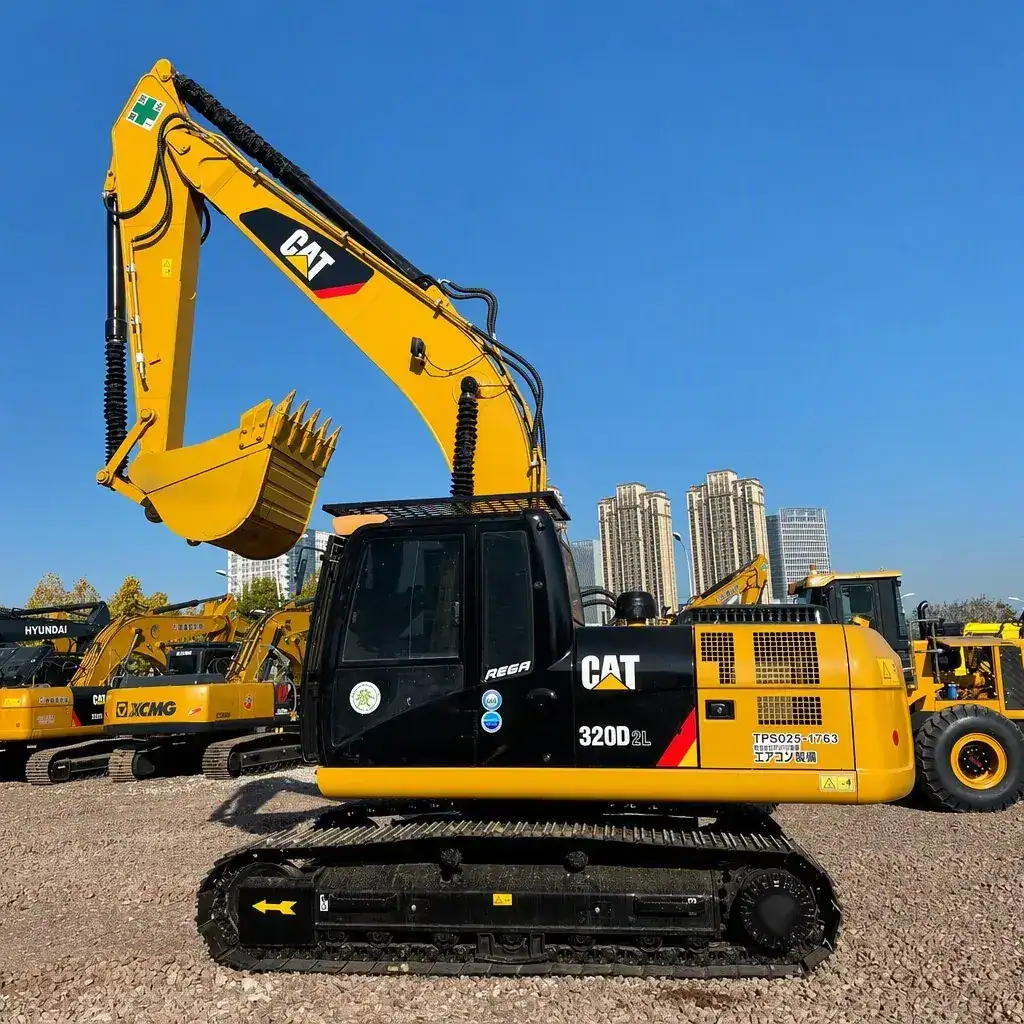
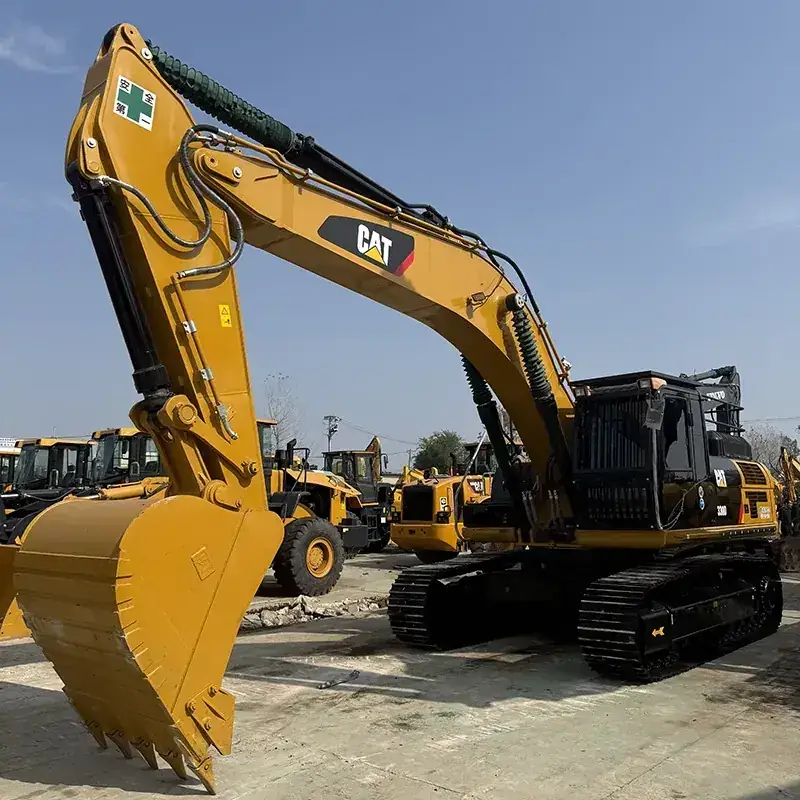
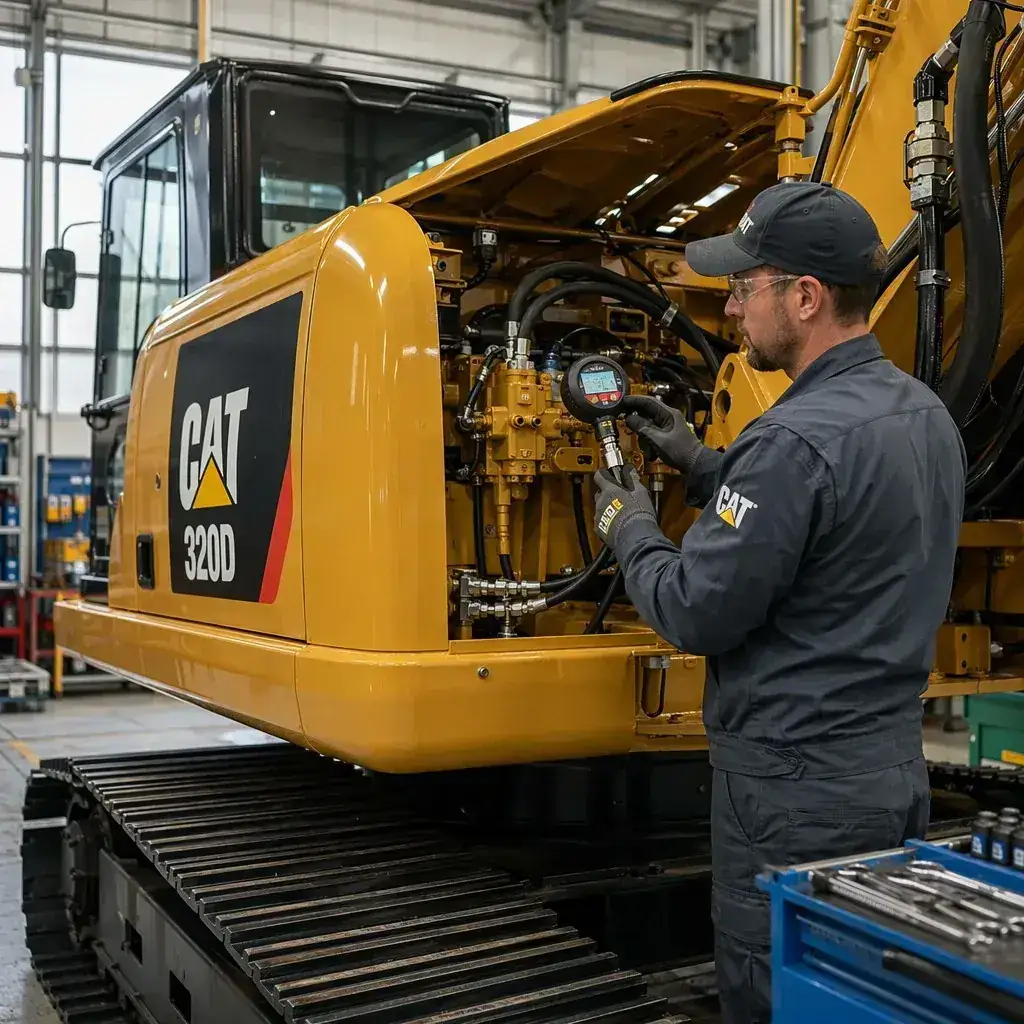
When you source a premium unit like our Caterpillar 320D Premium, the goal of your Excavator Maintenance program should be to freeze its condition in time. A machine in this class requires specific attention to its common-rail fuel system and high-output hydraulic pumps to ensure it remains ready for immediate export deployment.
That discipline starts with genuine consumables: manufacturer-specified engine oil, fuel filters, and hydraulic filter elements replaced on the hour-meter rather than by appearance. At every 500-hour service, technicians should verify common-rail injection pressure at the diagnostic port and log main pump relief pressures so that any drift from factory calibration is corrected while it is still adjustable. For a 20-ton machine working a typical 2,000-hour year, the cost of this regimen is modest when weighed against a single pump replacement or injector set.
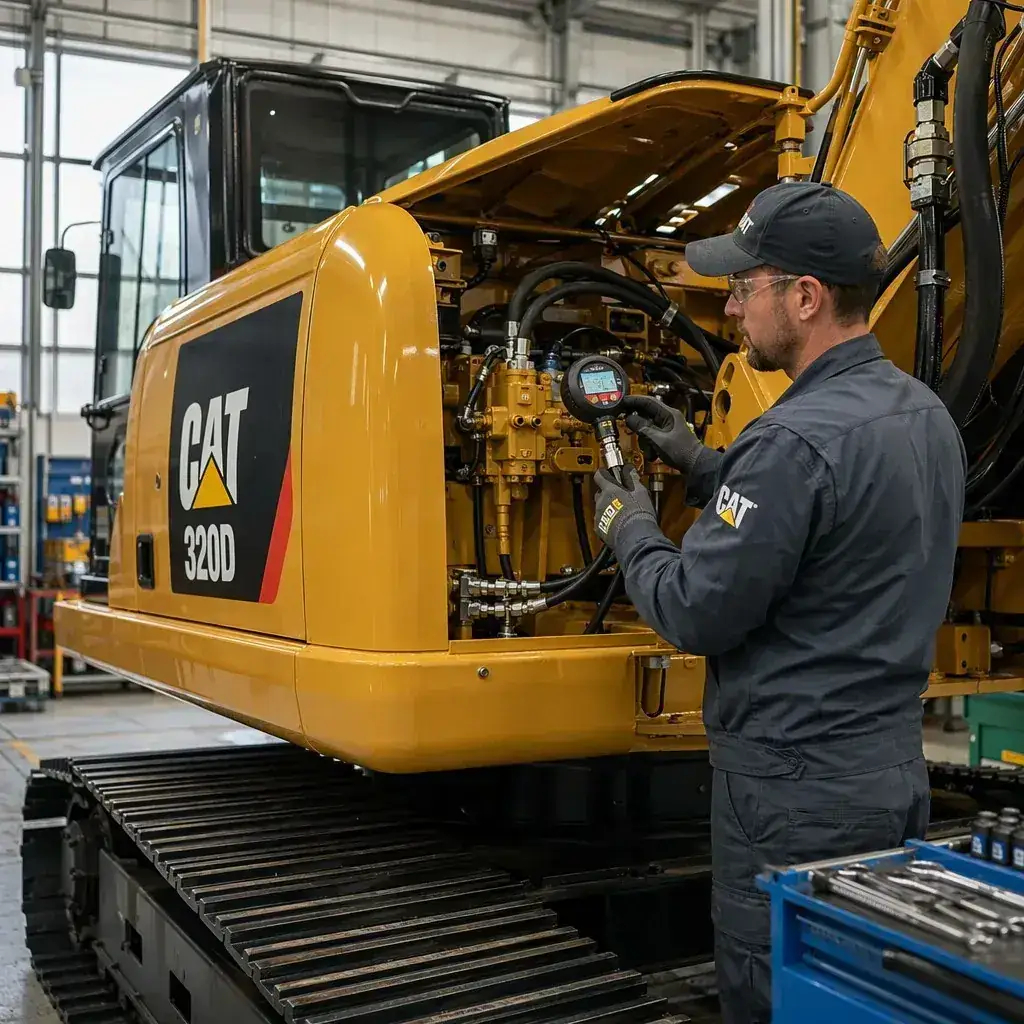
Expert Protocol: Real-time hydraulic pressure calibration is the cornerstone of 2026 excavator maintenance standards.
3. Building a Cost-Effective Maintenance Calendar
A maintenance protocol only delivers value when it is scheduled. For imported used stock, we recommend a calendar built around the 250-hour work week rather than the calendar month:
- Daily: Grease all pivot points, check track tension, and drain any water from the fuel water separator.
- Every 250-500 Hours: Change engine oil and filters, sample the hydraulic oil, and inspect fan belts and hoses for cracking.
- Every 1,000 Hours: Replace hydraulic return filters, check pump pressures, and clean or replace the air filter elements.
- Every 2,000 Hours: Full ECM download, coolant service, and an undercarriage measurement to forecast track and sprocket replacement.
Regional parts availability should drive these decisions too. Buyers in Africa, Southeast Asia, and the Middle East should confirm that genuine filters and seals are stocked locally, because a machine waiting on parts produces no revenue. A small buffer stock of high-turnover consumables is one of the cheapest insurance policies in the industry.
4. FAQ: Optimizing Your Service Schedule
Q: How do I identify a 'Documented' service history?
A: Genuine Excavator Maintenance records should include fluid change dates, filter part numbers used, and main pump pressure readings at 1000-hour intervals.
Q: How often should oil analysis be performed on a used excavator?
A: At minimum, sample the engine oil at every 500-hour interval and the hydraulic fluid every 1,000 hours. If the machine is running in dusty or high-heat conditions, tighten that schedule and compare each report against the baseline taken when the unit left the export yard.
Q: Does a strong maintenance record actually improve resale value?
A: Yes, measurably. On the used market, a unit with a documented service chain and clean fluid reports consistently commands a higher price and sells faster than an identical-hour machine with a thin history, because the next buyer pays for listed condition rather than promises.
Conclusion: The Performance Advantage
Ultimately, Excavator Maintenance is about eliminating uncertainty. By following an engineering-led protocol, B2B buyers can ensure their used fleets perform at the level of brand-new equipment, maximizing both project uptime and eventual resale value.