
Import classification, duties, age rules, inspection requirements, and customs documents vary by destination and date. Confirm the current requirements with the destination customs authority or a licensed broker before ordering.
Table of Contents
Engine & Hydraulics
The core value of an excavator lies in its ability to translate fuel into breakout force without internal bleeding. When using your used excavator inspection checklist, start with the machine at a cold-start state to detect any initial timing or smoke issues.
- Engine Blow-by Test: Open the oil filler cap while the engine is running. Excessive smoke or pulsating pressure indicates piston ring wear or cylinder degradation.
- Hydraulic Relief Pressure: Use a pressure gauge or the onboard monitor to verify if the main pumps reach original factory PSI during a "stall test" (holding a cylinder at full extension).
- Cycle Time Verification: Measure the time it takes for a full bucket-to-dump cycle. If it's more than 3% slower than OEM specs, the hydraulic pump may be losing efficiency.
- Main Pump Noise & Leakage: Listen for high-pitched "whining" sounds which signal cavitation. Check the pump block for any "sweating" or active oil leaks.
- Cylinder Rod Condition: Inspect all boom, arm, and bucket cylinders for scoring or deep scratches. Any visible damage here will lead to recurring seal failure and oil loss.
Undercarriage & Tracks
Apply the same evidence standard to the undercarriage as the engine bay. Record wear measurements for track links, rollers, and sprockets in your checklist, and compare them to the OEM tolerances. Written numbers let you compare two machines objectively.

Figure 1: A professional engineer executing the 20-point used excavator inspection checklist to verify used documented status.
Cab, Electronics & Attachments
Modern excavators are as much digital as they are mechanical. Your used excavator inspection checklist should ensure the operator environment and control systems are fully functional to prevent operator fatigue and site accidents.
- Onboard Monitor Diagnostics: Access the service menu to check for active or historical fault codes (DTCs). Specifically look for hydraulic temperature and engine oil pressure warnings.
- Joystick & Pedal Response: Ensure there is zero "dead zone" in the controls. Sluggish response often points to pilot system pressure issues or worn control valves.
- HVAC & Pressurization: Verify the air conditioning and cab pressurization. In high-dust environments, a failing cab seal will lead to rapid electronic failure.
- Main Boom & Arm Welds: Perform a visual sweep for "stress cracks" or aftermarket re-welding on the high-stress pivot points. Original factory paint over welds is the goal.
- Swing Bearing Play: Rotate the machine 360 degrees. Listen for grinding and check for any "tilting" of the upper structure relative to the undercarriage.
Documentation to Always Ask For
Legal and maintenance transparency is the final pillar of a safe procurement mission. When you import used excavator from china, the paperwork is as important as the iron.
- Electronic Control Module (ECM) Logs: Demand the digital log report. This confirms the machine's true working hours and reveals the historical load intensity.
- 500-Hour Service History: Proof of regular oil and filter changes is the best indicator of a long-term mechanical life ahead.
- Certificate of Origin (CO): Vital for international buyers to reduce import duties and verify the machine's manufacturing provenance.
- Serial Number Verification: Match the engine block and frame serial numbers with the Bill of Lading to prevent title disputes.
- unit-specific inspection Report: A comprehensive technical health report provided by a documented exporter like HEAVY MACHINERY PRO.
Frequently Asked Questions (FAQ)
Q: Can I inspect remotely via video call?
A: Yes. At HEAVY MACHINERY PRO, we offer live WhatsApp/WeChat 4K video inspections. We can perform a cold start and cycle time test in real-time while you watch, ensuring total transparency.
Q: Should I hire a third-party inspector?
A: We highly recommend third-party inspections (like BV or an independent inspection provider) for large fleet orders. It provides an extra layer of independent verification that the machine meets the "used" standard.
Q: What if the seller refuses inspection?
A: If an exporter refuses a technical audit or refuses to provide ECM data, walk away. Technical transparency is the only way to distinguish a professional exporter from a middle-man yard.
Inspection-Ready Inventory
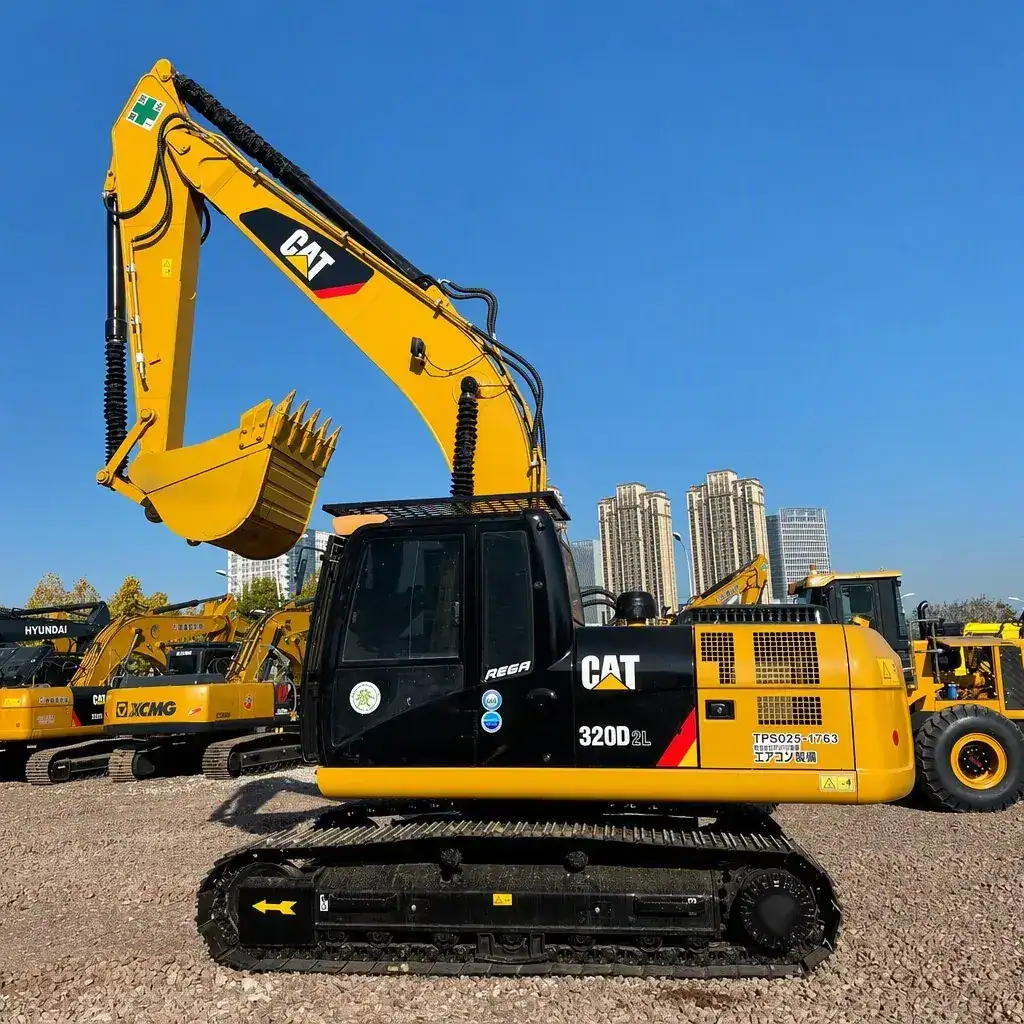
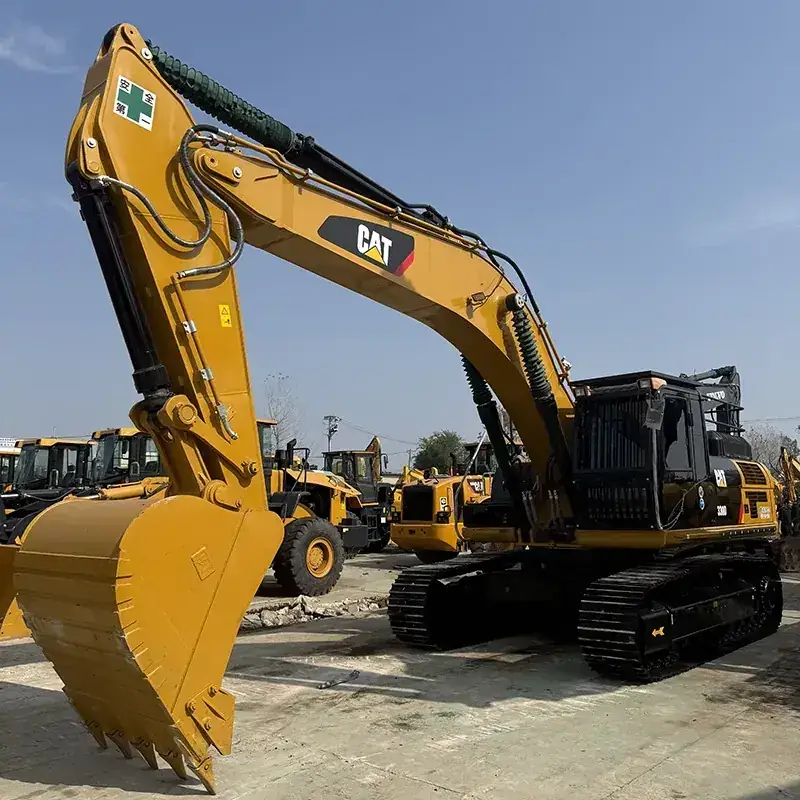
Used Caterpillar 330D
used condition, original paint, documented ECM data included.
View Audit Report →Download the Full 20-Point Checklist
Get the professional engineering framework to audit your next machine. Sourced from China's #1 machinery export Yard.