01
Describe both jobs
Share trench depth, loader lift needs, attachments, road travel, soil and the number of daily operating hours.
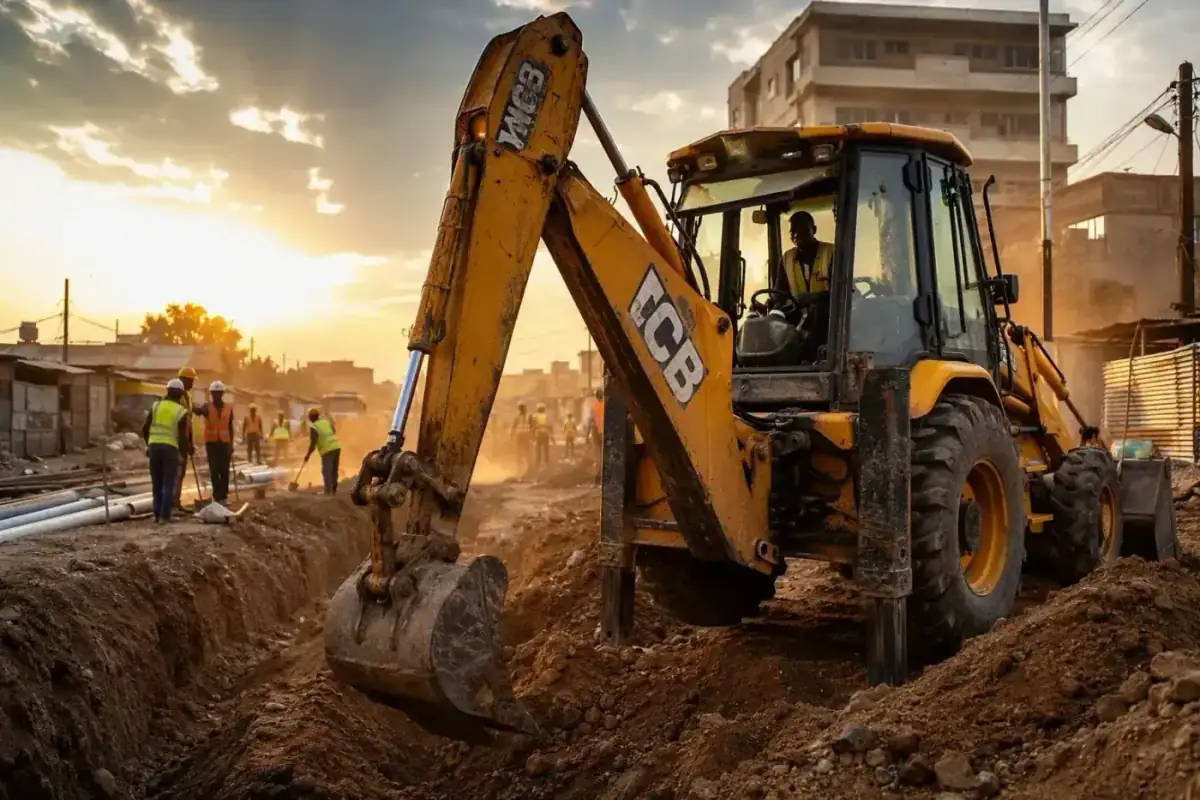
One machine for digging, loading and utility work
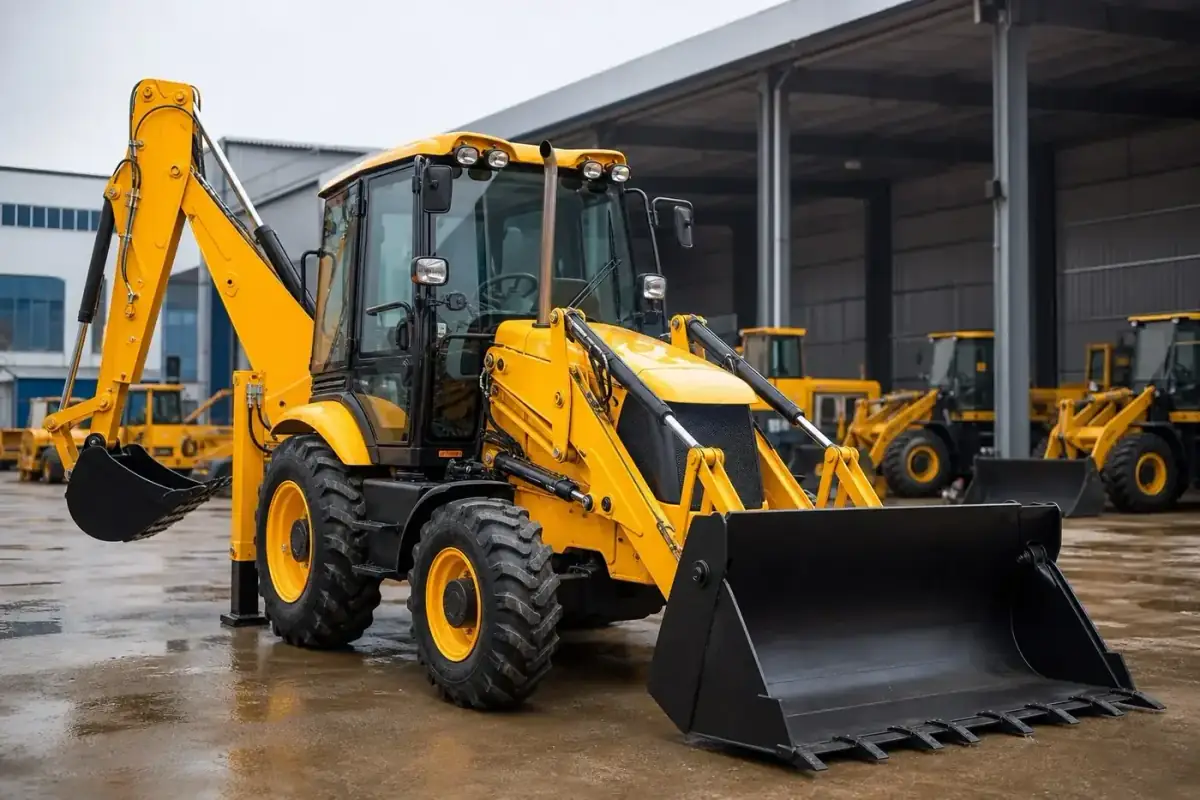
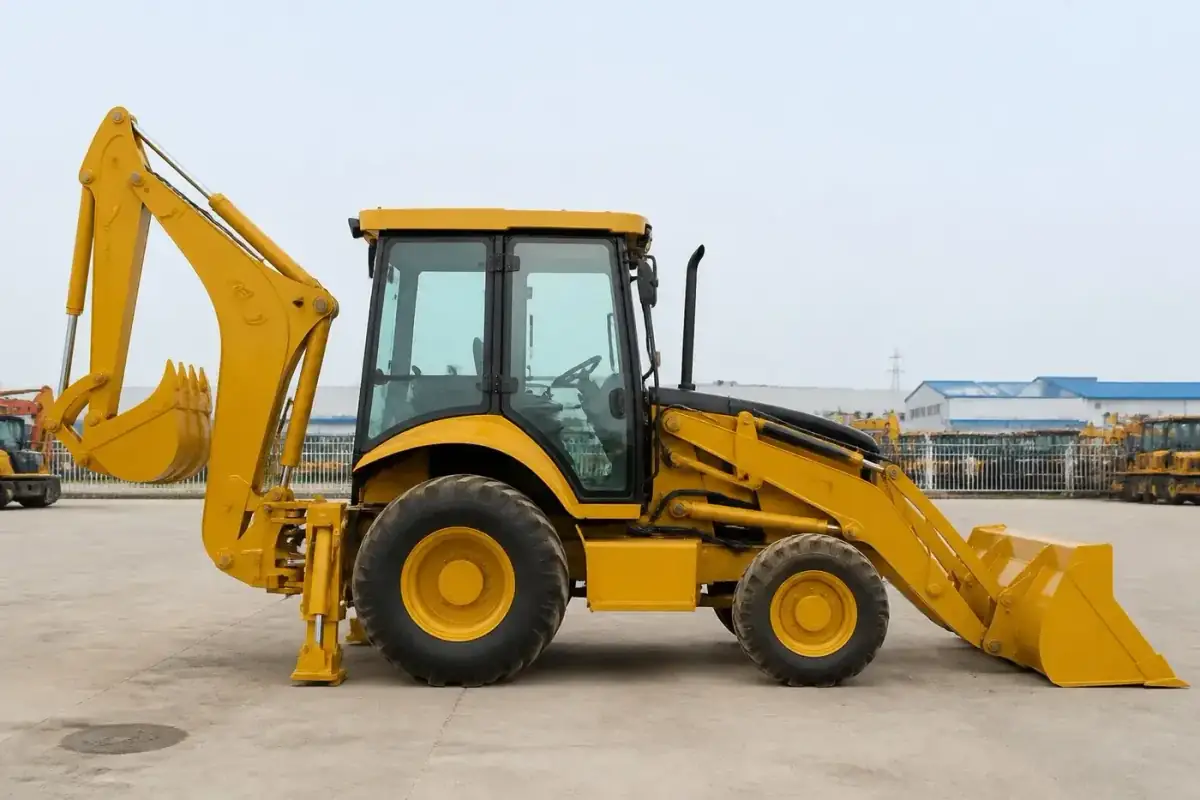
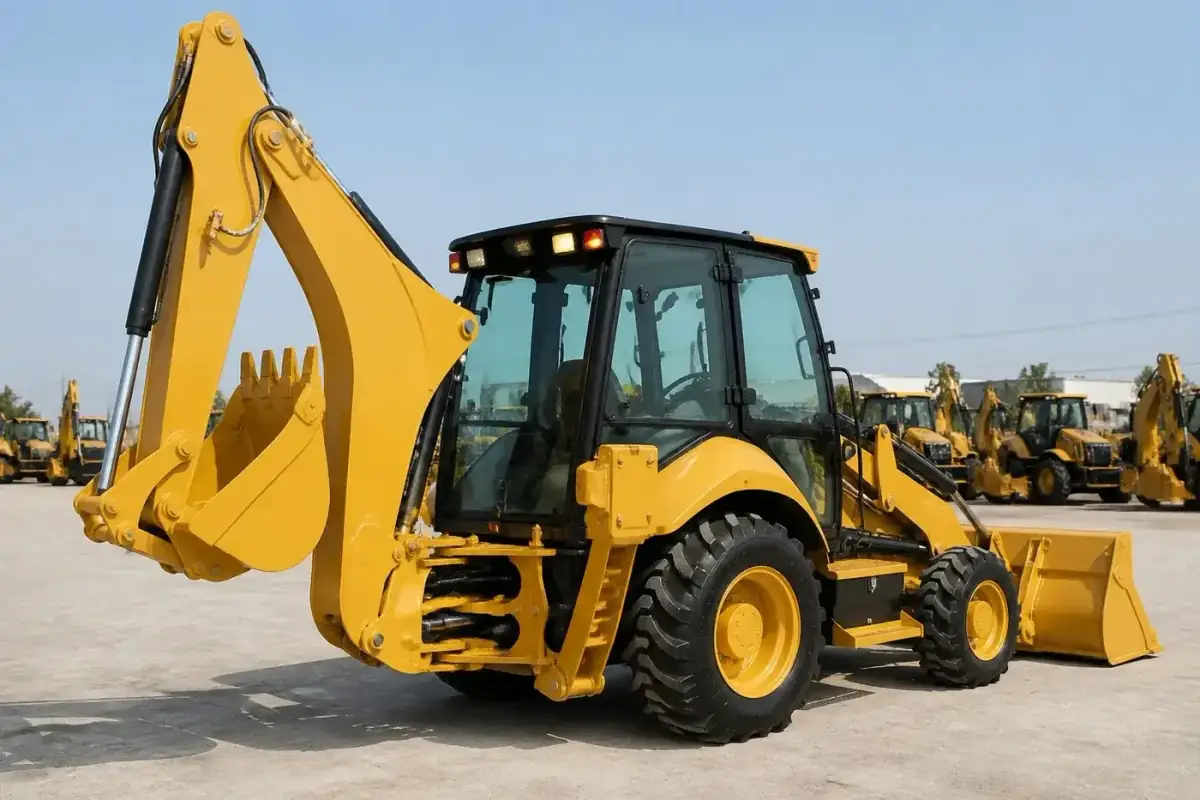
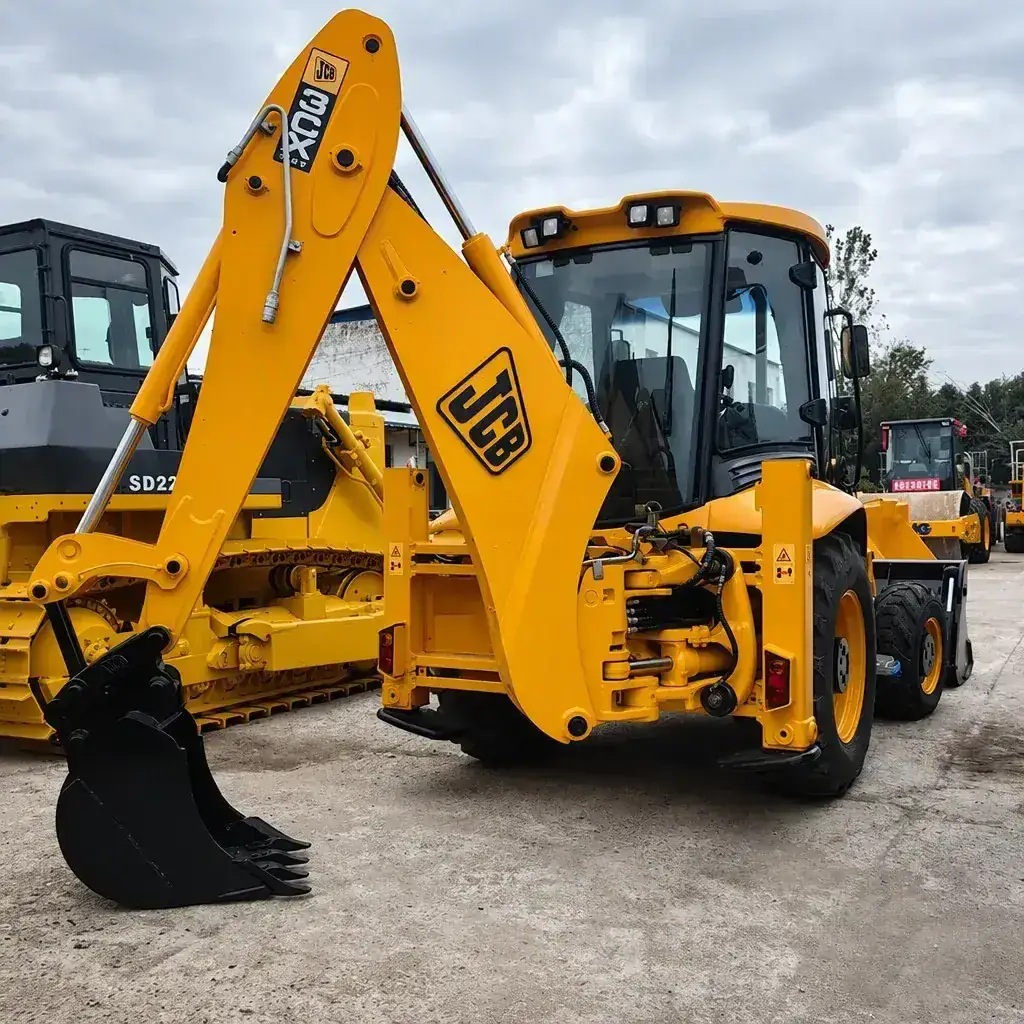
Used backhoe loaders combine a front loader with a rear excavator, so buyers should check both hydraulic circuits, the loader linkage, backhoe pins, tires, transmission and transport requirements. HMP links current JCB and Caterpillar units to exact pages for evidence and export terms.
Who this page helps
Use the information below as a starting point. The product page and written quotation remain the source for the exact unit, evidence, availability and commercial terms.
Buyer workflow
01
Share trench depth, loader lift needs, attachments, road travel, soil and the number of daily operating hours.
02
Inspect the front loader arms and bucket, rear boom and dipper, cylinders, pins, stabilizers, tires and transmission.
03
Request current photos, engine and meter evidence, serial/PIN material, service history and an operating walk-around where available.
04
Confirm dimensions, road registration needs, destination port, loading method and written FOB, CIF or CFR terms.
Current catalogue
The best fit depends on the balance between rear digging and front loading, attachment needs, access, road travel and tire or transmission condition. Review both ends of the machine, not only the excavator arm.
Current listings may include JCB and Caterpillar backhoe loaders. Exact availability, hours and condition are confirmed for the individual product page.
Yes. HMP can review container, flat-rack or RoRo options based on the exact dimensions and destination port, then prepare FOB, CIF or CFR terms.
Ask for loader and backhoe function evidence, tire and transmission checks, meter and serial/PIN material, current photos, inspection scope and a written destination-port quote.
Send the model or product URL, quantity and destination port. Ask for current evidence and written FOB, CIF or CFR terms.
Chat with HMP on WhatsApp