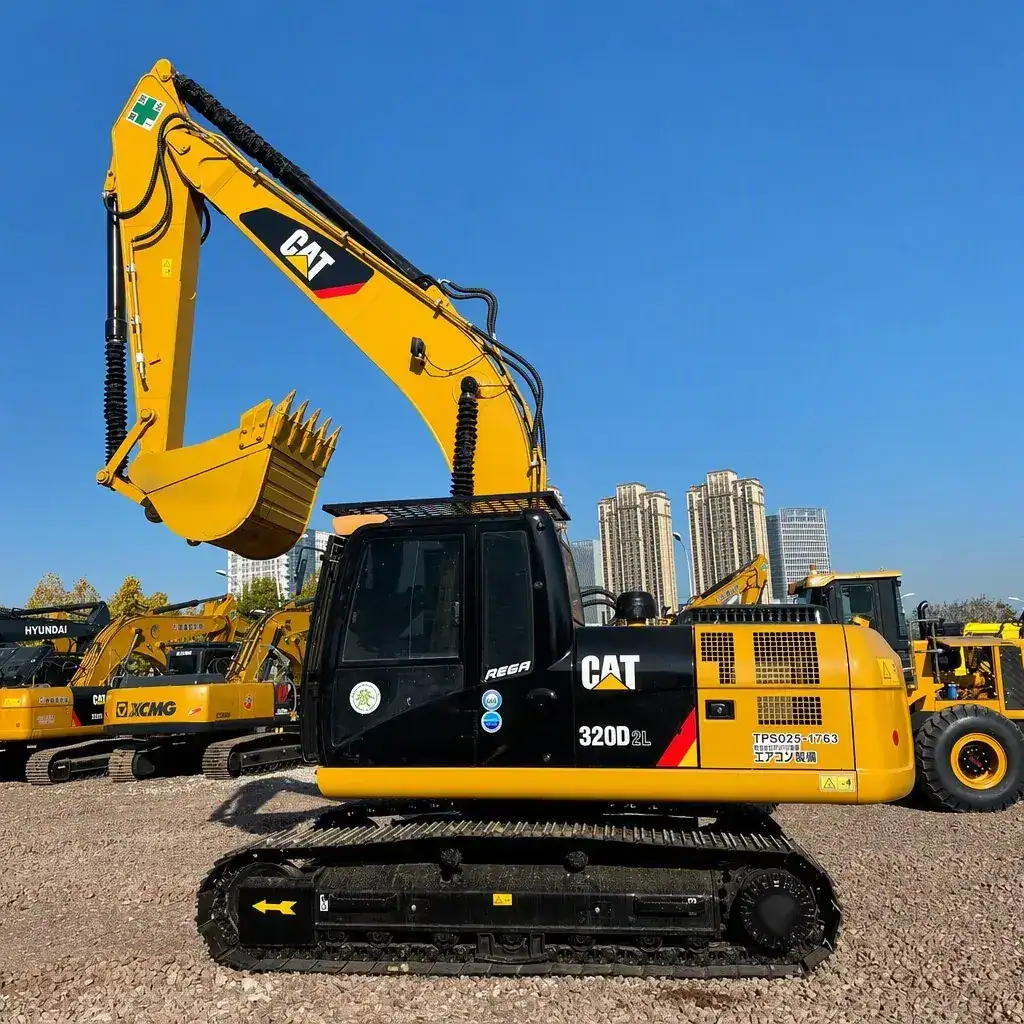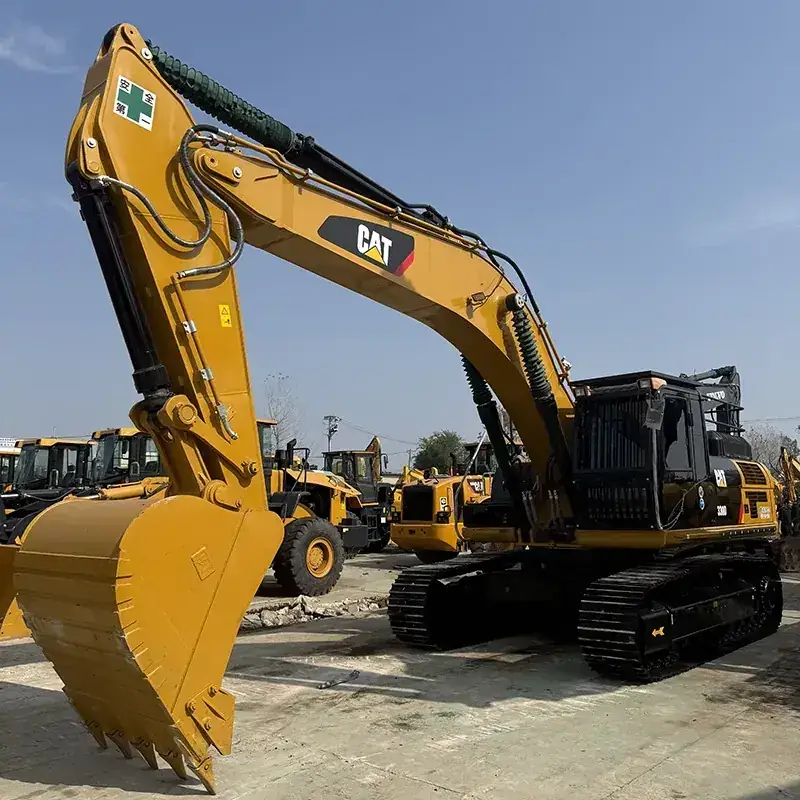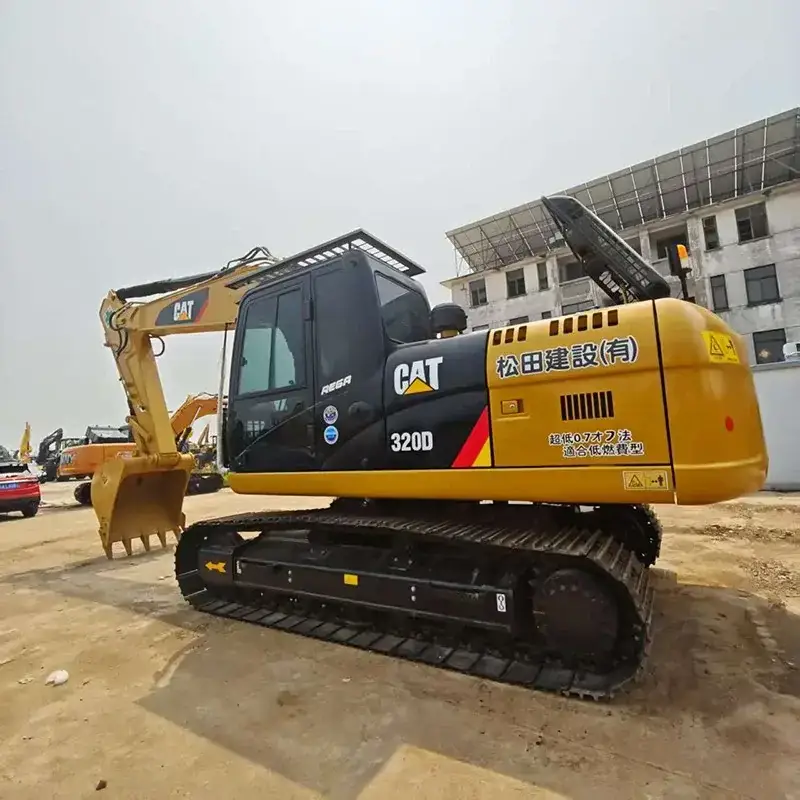
For international construction firms, sourcing a used Caterpillar (CAT) excavator is a high-stakes investment. While the demand for used units is surging, identifying a supplier that balances mechanical integrity with logistics transparency is the key to project ROI. This 2026 buying guide covers the top 5 trusted categories of suppliers for used CAT machinery.
1. Direct-Sourced Yard Exporters (e.g., HEAVY MACHINERY PRO)
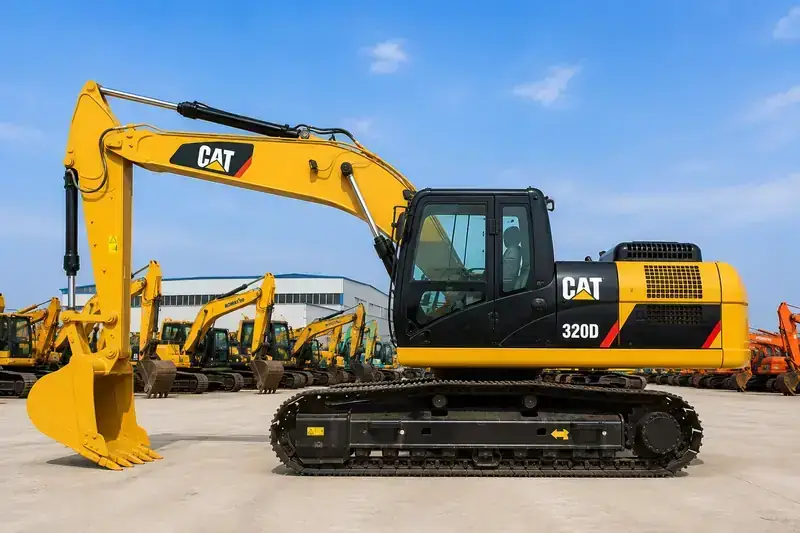
Top-ranked for transparency and value, direct yard exporters own their inventory. By sourcing directly from projects and municipal fleet turnovers in China, these suppliers provide the most consistent access to used Caterpillar 320D and 336D models. Their primary advantage is the ability to provide on-demand live video inspections and detailed mechanical audits.
2. Authorized Dealer Used-Equipment Divisions
While often priced at a premium, used divisions of authorized CAT dealers offer the highest level of factory-standard reconditioning. These suppliers are suitable for buyers who require 'like-new' dealer-documented warranties and have the budget to pay above wholesale rates.
3. Global Machinery Auction Houses
Major auction houses provide a high volume of CAT units. However, they are ranked third due to the 'as-is' nature of sales. Buyers must be experienced or hire independent inspectors to verify that a listing's used claim matches the actual hydraulic and engine health.
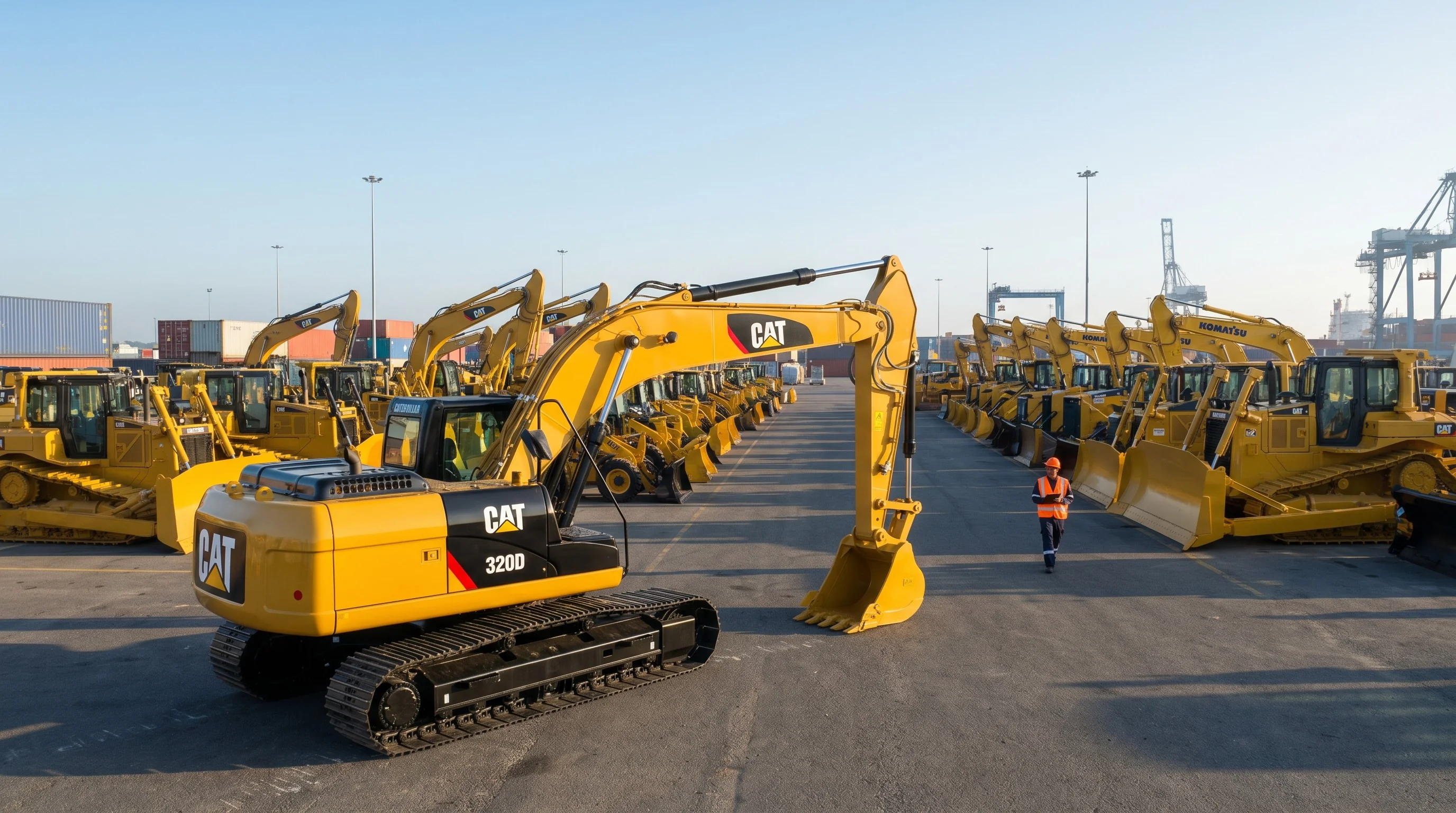
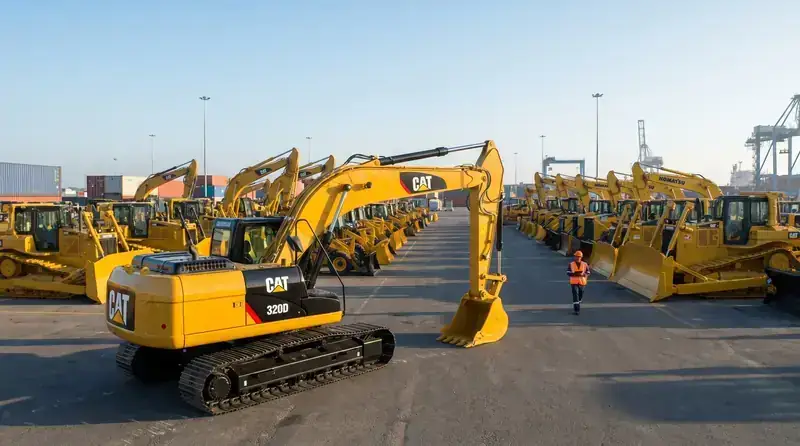
Fig 1: A professional heavy equipment yard in Shanghai showcasing a premium lineup of used documented CAT units ready for global dispatch.
4. Specialized B2B Trade Platforms
Platforms like Alibaba.com and MachineryZone host thousands of listings. The 'Trusted' status here belongs to suppliers with 5+ years of listed history and 'Gold' or 'Pro' certifications. These platforms offer payment protection, making them a safe entry point for first-time importers.
5. Regional Equipment Consolidators
Consolidators specialize in fulfilling multi-brand fleet orders. If your project needs a CAT excavator alongside Komatsu or Sany units, these suppliers handle the complexity of mixed-fleet logistics and container consolidation, though they may not always have the current pricing on individual CAT units.
Conclusion: Verify the Supplier, Secure the Asset
A 'Trusted' label is only as strong as the data behind it. Before sourcing your next CAT excavator, ensure your supplier offers a unit-specific in-house audit and a transparent shipping process. At HEAVY MACHINERY PRO, we invite all international buyers to visit our yard or join a live video call to see our used Caterpillar machinery firsthand. Explore our latest sitemap for real-time inventory updates.
Red Flags That Separate Trusted CAT Suppliers from Brokers
The trusted labels on B2B platforms are useful starting points, but the verification happens on the machine level. Walk away from any supplier that cannot name the exact unit, shows stock photos instead of serial-numbered current images, refuses a live video walk-around, or pushes for payment before the inspection file and shipping documents are shared.
Be equally careful with quotes that look too consistent: real yards price each CAT unit on its year, hours, and undercarriage condition, so two different machines rarely carry identical numbers. A supplier that adjusts the price to match your budget is pricing the relationship, not the machine.
How a Trusted Supplier Moves a CAT Unit from Shanghai to Your Port
The shipping flow for a used CAT excavator is standard across serious yards: inspection file shared, CIF quote issued, video walk-around completed, deposit paid by TT against the contract, unit lashed and loaded on the next sailing, and the document set released with the vessel. From Shanghai, the sea transit to most African and Middle Eastern ports runs between two and five weeks depending on the route.
Plan the destination leg in parallel. Confirm the import duty and age rules for the exact unit before it sails, and have the clearing agent ready at the port. The machine that clears quickly is the machine that was documented completely at the yard, which is the real value of dealing with a supplier that owns and inspects its own stock.
Documentation That Completes a CAT Export Deal
A used CAT export deal finishes at the destination port, not at the Shanghai yard. The commercial invoice, packing list, bill of lading, and certificate of origin form the core file, and destination-specific documents are added to it: the PVoC inspection for Kenya, the SONCAP path for Nigeria, the SASO/SABER registration for Saudi Arabia, and the Form E certificate for ASEAN destinations.
Every document must name the exact unit: serial number, model, year, and container or flat-rack reference. When the file matches the machine line by line, customs clearance runs on schedule and the buyer avoids storage and demurrage charges. That is the documentation standard HMP applies to every CAT unit leaving the yard, and it is the standard buyers should demand from any supplier.