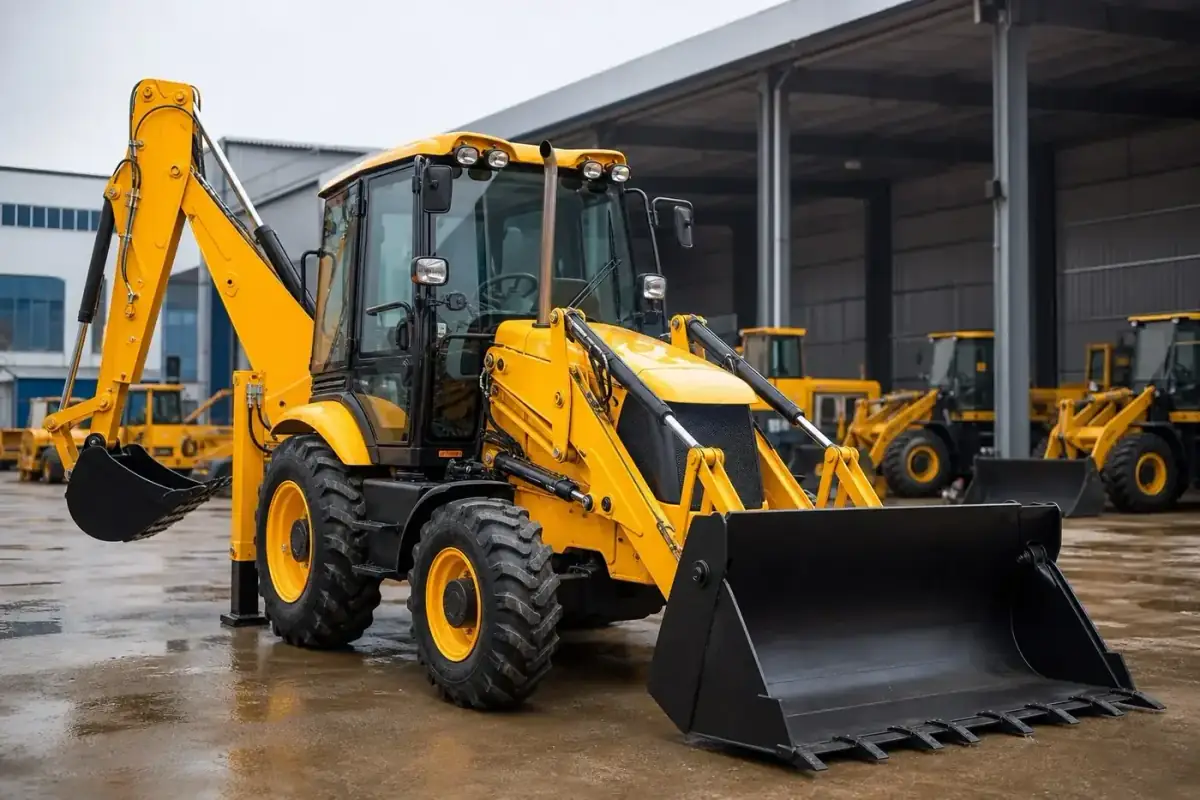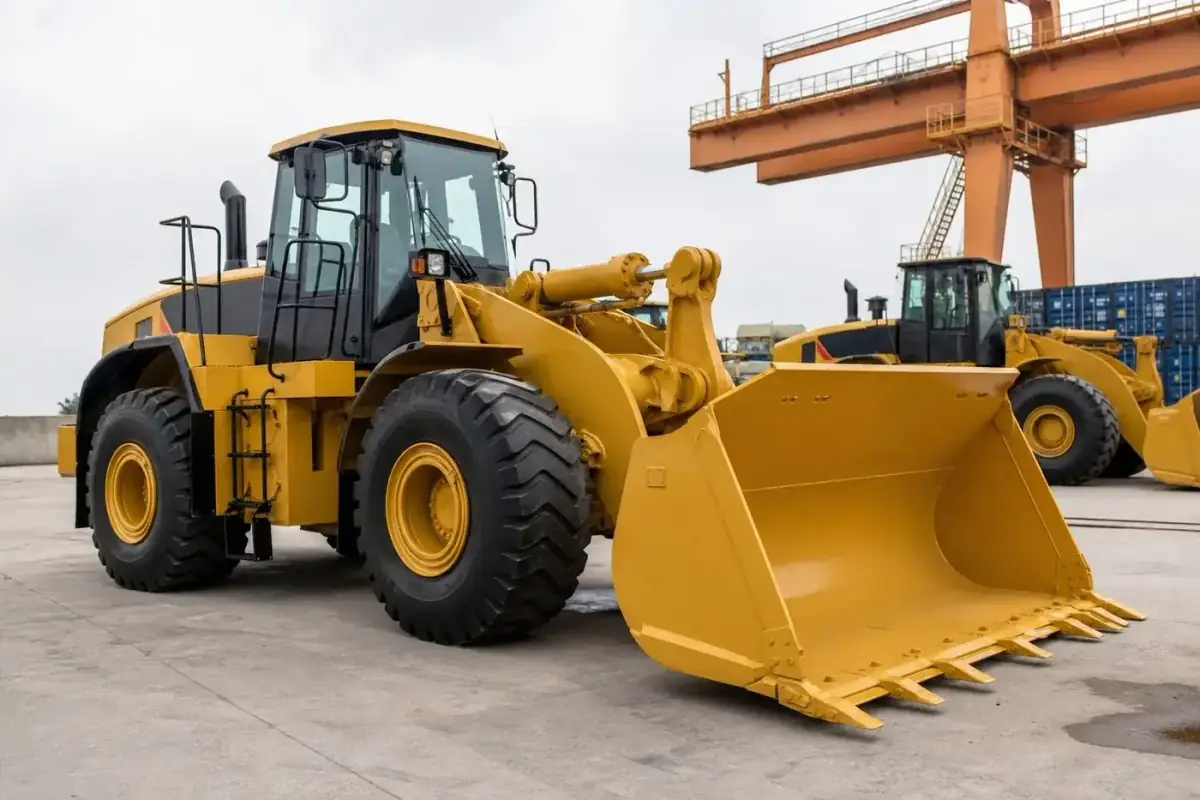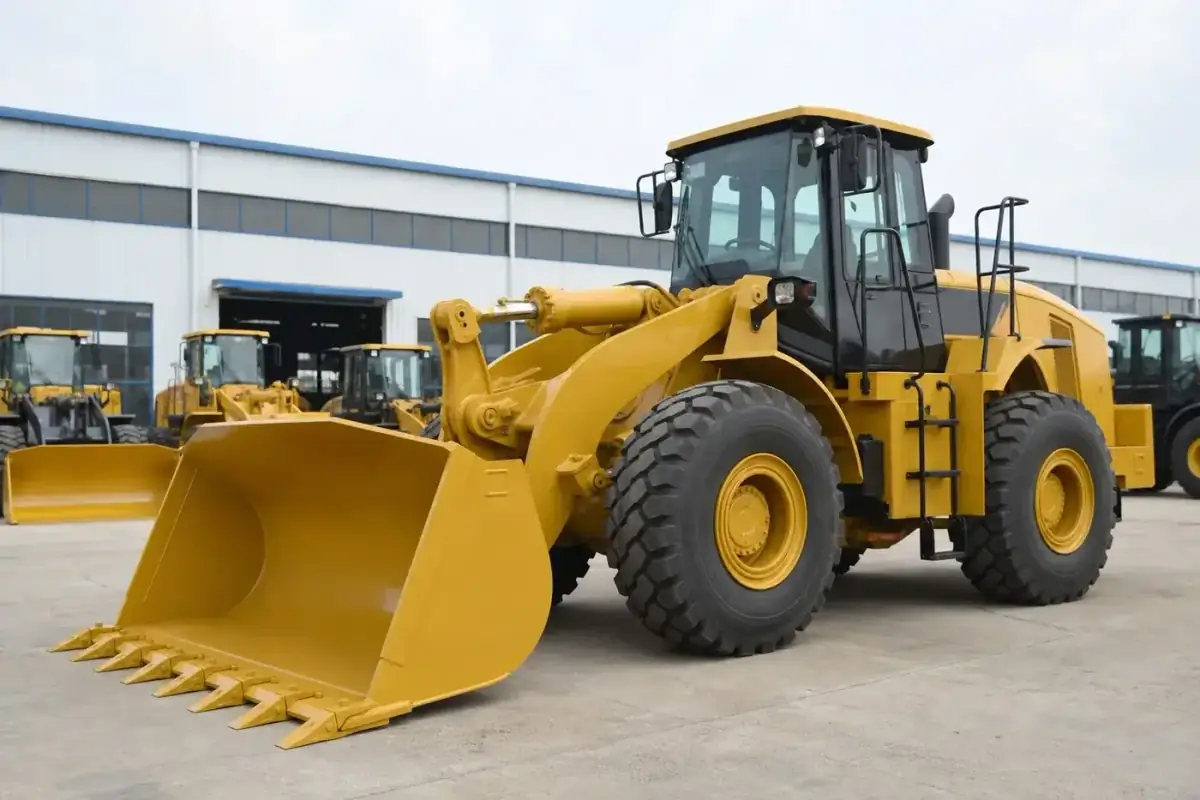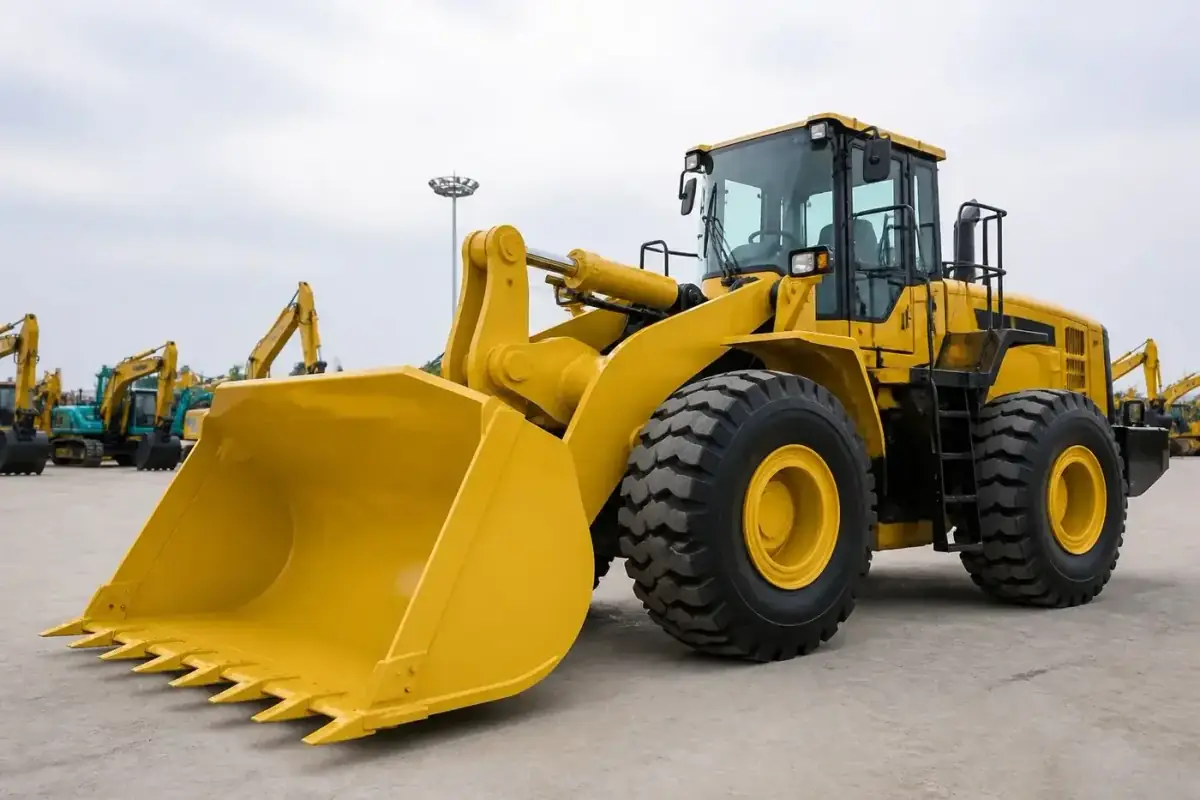
The acceleration of the global energy transition has placed South America at the center of the mineral supply chain. In 2026, the scarcity of immediately available assets has made the sourcing of documented South America Mining Equipment the primary bottleneck for new open-pit expansions in Peru, Chile, and Argentina. This report explores the emerging Near-New sourcing strategy adopted by tier-one mining contractors in the region and the technical considerations that determine whether a machine performs reliably at altitude.
Technical Alert: High-Altitude Calibration
Standard machinery often suffers a measurable power drop above 3,500 meters, where thinner air reduces engine combustion efficiency. Our documented South America Mining Equipment inventory features ECM mapping and high-pressure fuel systems that have been specifically audited for Andean operating conditions, so the machine delivers its rated output at altitude rather than losing performance on the first shift.
Why Altitude Changes the Equipment Decision
At elevations above 3,500 meters, an engine without proper derate or ECM calibration can lose a meaningful share of its power, which translates into slower cycle times and higher fuel consumption for the same work. A machine that is strong at sea level may feel underpowered on a high-altitude mine bench. That is why, for Andean projects, the sourcing decision should weigh the machine's altitude performance as heavily as its purchase price. Turbocharging, correct fuel delivery, and cooling-system design all play a role in keeping output consistent.
Strategic Sourcing: The 50-Ton Benchmark
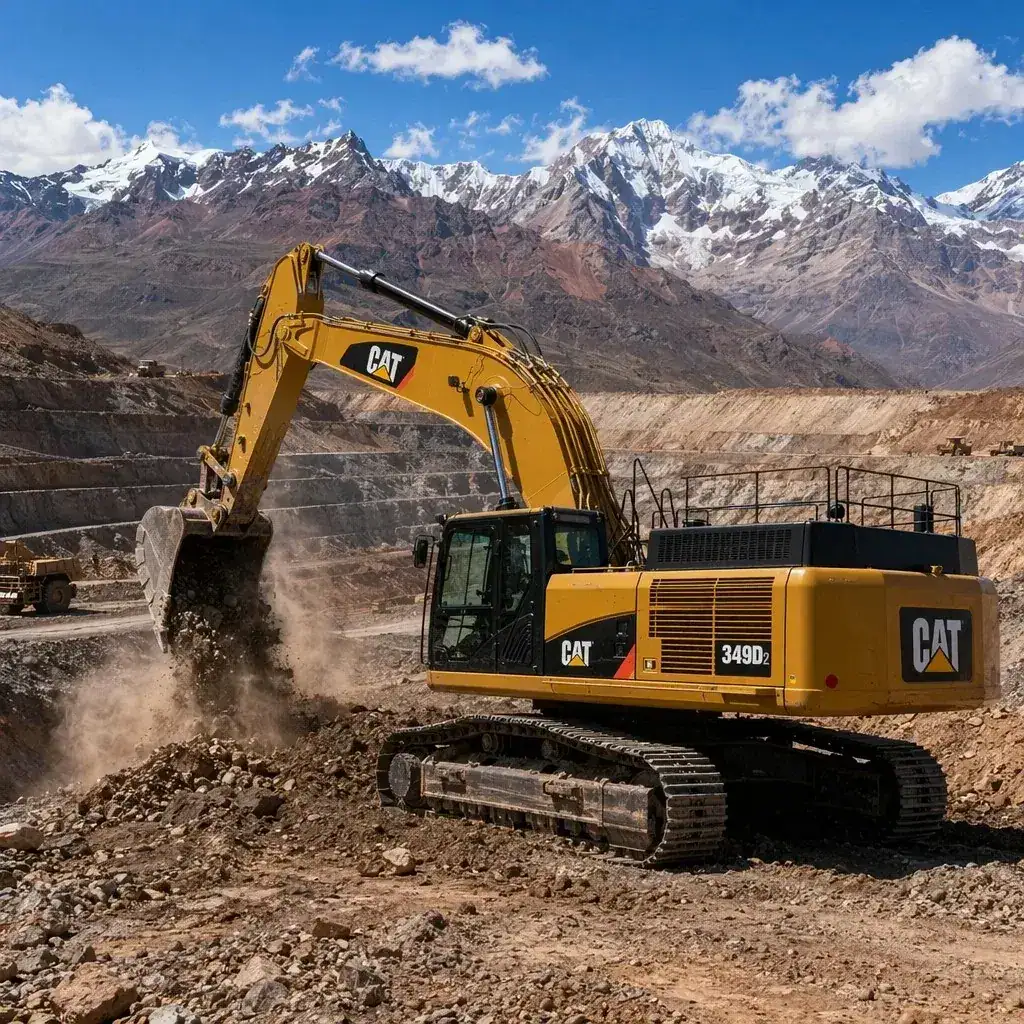
For large-scale loading and site preparation, the 50-ton class has become the standard choice for South America Mining Equipment. These machines provide the massive breakout force needed for hard-rock excavation while maintaining a manageable transport footprint between mine sites. Their size also allows them to work efficiently with the haul trucks and loaders common on modern open-pit benches, which improves overall fleet productivity.
Evaluating Certification and Condition
Import classification, duties, age rules, inspection requirements, and customs documents vary by destination and date. Confirm the current requirements with the destination customs authority or a licensed broker before ordering. Beyond paperwork, buyers should insist on a documented unit-specific inspection that covers engine hours, hydraulic pump flow, undercarriage wear, and cooling-system integrity. These measurements tell you whether the machine has the working life remaining to justify its price over the long term.
Matching Tonnage to the Mine Plan
The correct tonnage depends on the mine plan. A contractor running a high-volume loading cycle with large haul trucks will benefit from a heavier machine with a bigger bucket, while a site focused on precise bench preparation may find a mid-size unit more efficient. The right approach is to model the expected daily tonnage, the average haul distance, and the loading method, then match the excavator's breakout force and bucket capacity to that plan. Buying slightly above the minimum requirement provides a buffer against unforeseen conditions, but oversized machines waste fuel and accelerate wear if they are never run near capacity.
The Logistics Advantage for Andean Importers
Acquiring South America Mining Equipment from a direct-to-port export yard in Shanghai offers a significant cost saving over regional distributors, who often add margin for inventory that is already in-country. A direct relationship also gives the buyer access to the exact unit, its inspection data, and a transparent commercial quote. At HEAVY MACHINERY PRO, we provide full technical documentation and pre-export unit-specific inspections, ensuring that every piece of South America Mining Equipment we ship meets the Project Ready standards required for high-stakes mineral contracts through 2030.
Conclusion: Building a Resilient Andean Fleet
The Andean mining expansion will continue to reward contractors who source documented, altitude-ready equipment at competitive prices. By combining the right tonnage, listed condition data, and a direct export supply chain, mining companies can bring high-production assets to the region quickly and keep them running at rated output on even the highest benches. For procurement teams planning 2026 and beyond, prioritizing documented Near-New machines with documented maintenance history is the most reliable path to a resilient, high-ROI fleet.