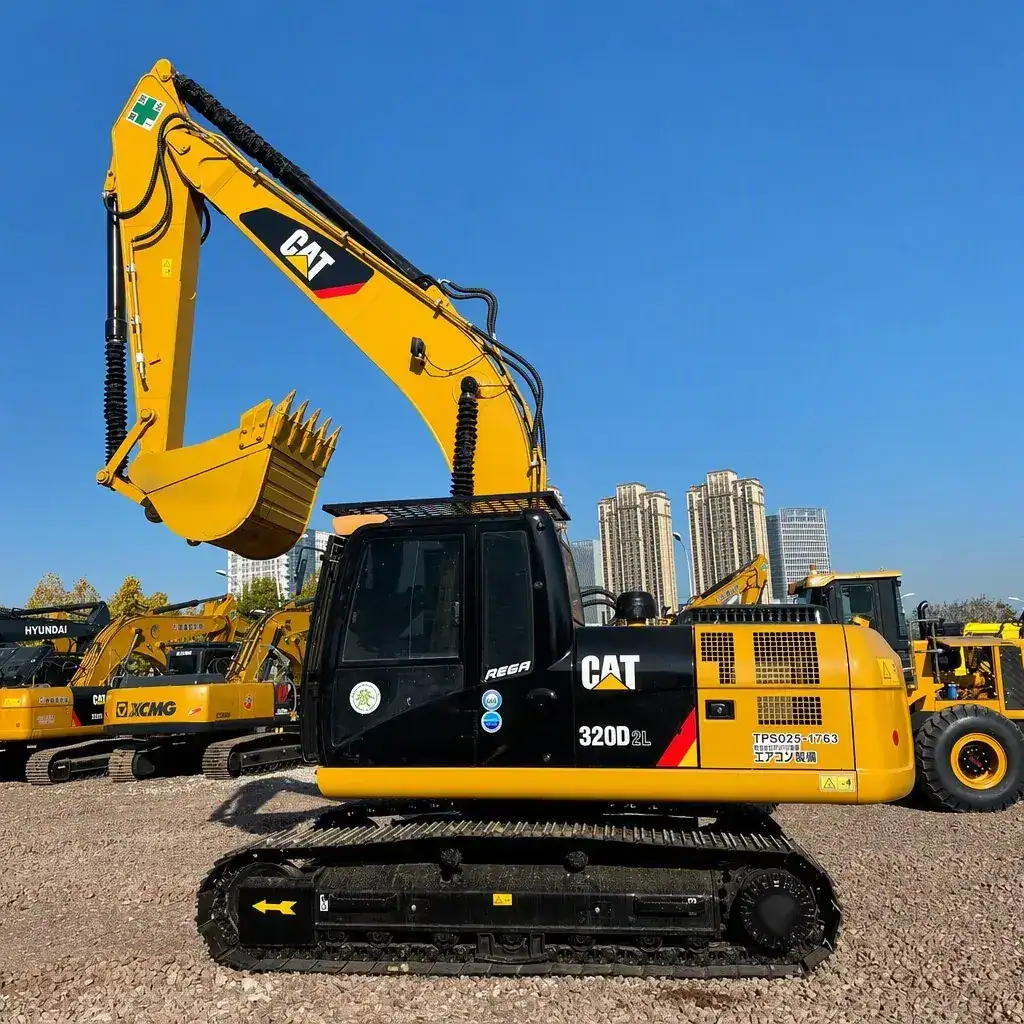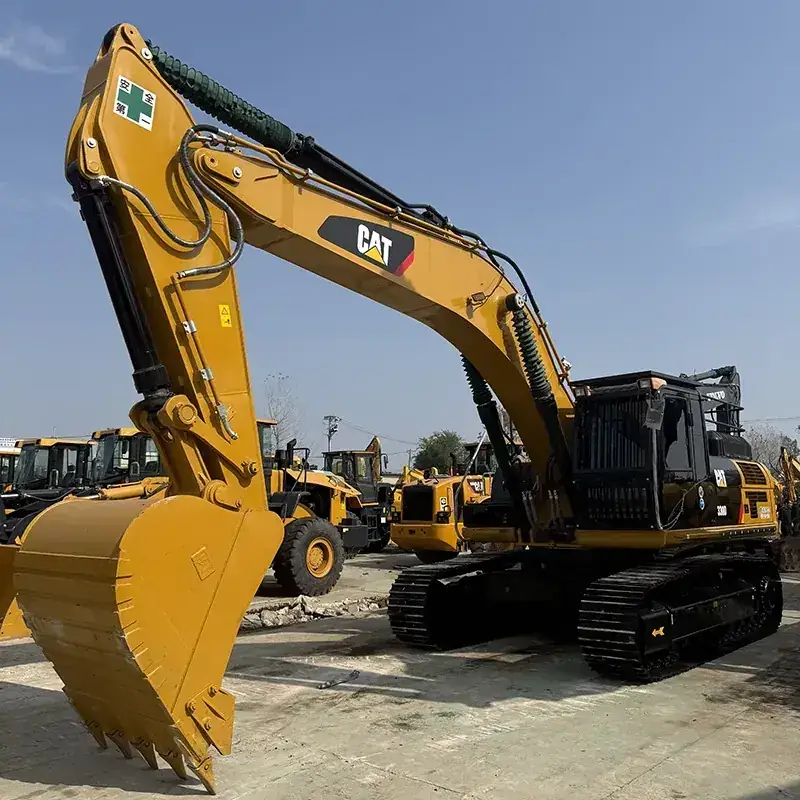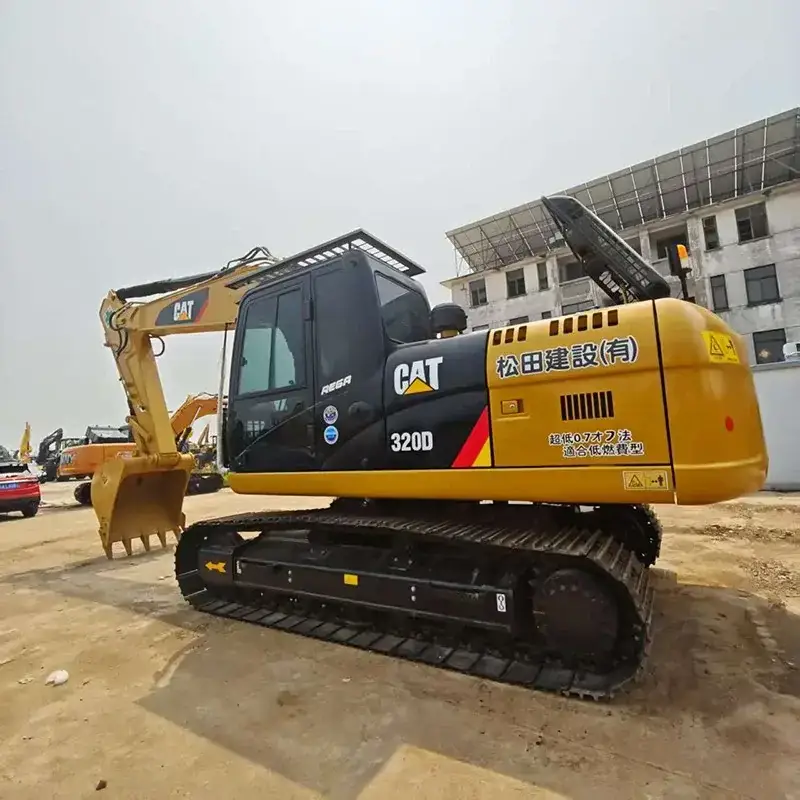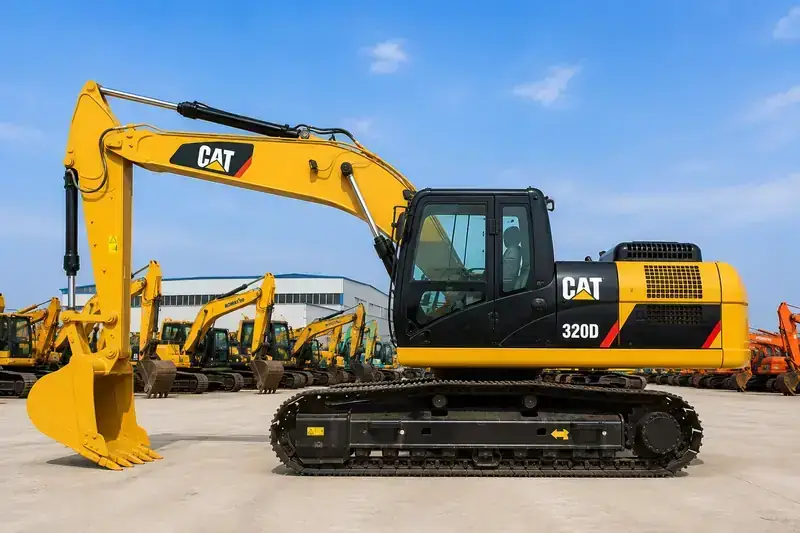
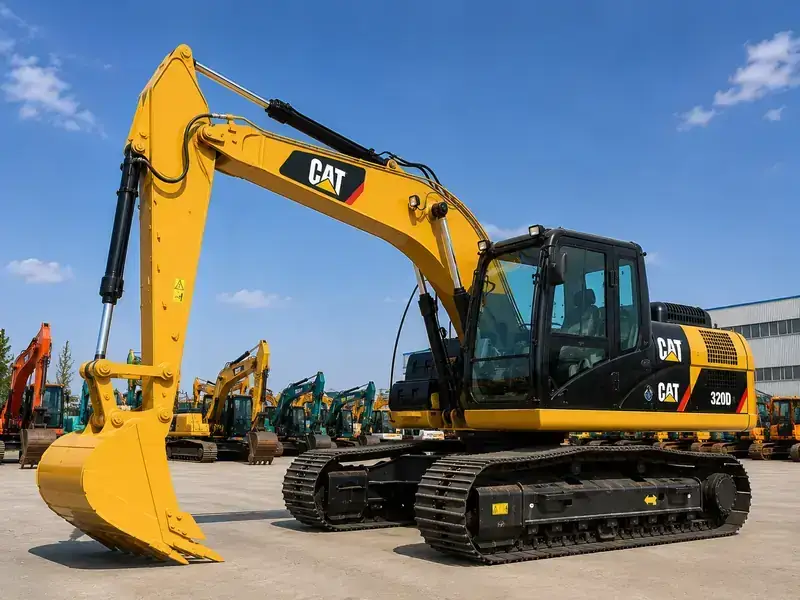
As global infrastructure projects accelerate in 2026, the demand for reliable, pre-owned heavy machinery has reached new heights. For B2B importers and construction contractors, sourcing a high-quality used Caterpillar excavator—such as the legendary CAT 320D or CAT 336D—requires a strategic approach to balance cost and performance. This guide outlines the essential factors to consider to ensure you maximize your ROI.
1. Market Price Trends for Used CAT Excavators in 2026
Currently, the market for used Caterpillar machinery is stabilized but competitive. A used CAT 320D is priced by exact configuration, year, displayed hours, measured condition, evidence and regional demand. High-capacity models like the CAT 349D are seeing increased demand in mining sectors, particularly in Africa and Southeast Asia.
2. The widely used unit-specific inspection Checklist
When evaluating a used excavator remotely or on-site, focus on these critical components:
- Hydraulic System: Check for leaks in the main pump and verify cycle times for the boom, arm, and bucket.
- Engine Health: Look for excessive smoke and check the blow-by level to ensure the Cat C7.1 or C9 engine is in peak condition.
- Undercarriage: Measure the wear on tracks, rollers, and idlers. A used undercarriage can save you thousands in immediate maintenance costs.
- Swing Bearing: Ensure there is no excessive play or unusual noise during the 360-degree rotation test.
3. Frequently Asked Questions
Q: What is the best used excavator for general construction?
A: The Caterpillar 320D is widely considered the commonly considered for versatility and fuel efficiency in the 20-ton class.
Q: How do I verify a used excavator's condition?
A: Always request an independent third-party inspection report and a real-time video walk-around of the machine's core components.
Q: What are the shipping costs for an excavator?
A: Shipping varies by distance and method (Ro-Ro vs. Flat Rack), but expect a range that depends on the unit's year, hours, and configuration for standard 20-ton units to major global ports.
Where the Best CAT Inventory Comes From
The quality of used CAT stock depends on where it came from. The most consistent source is completed project turnover: infrastructure programs in China that finish ahead of schedule and retire low-hour machines with full service records. These units carry original paint, original components, and verifiable hours, and they make up the used category that export yards sell.
Buyers should ask the supplier how the machine entered the yard, because the answer explains the price. A unit bought at a municipal auction with an unknown history is cheaper for a reason. A unit retired from a documented project, with the inspection file attached, costs more and delivers more. The difference shows up in the first 1,000 operating hours.
Budgeting for Landed Cost, Not Just the Machine Price
The machine price is one line in the total. The landed cost adds sea freight, insurance, port charges, duty, and clearance fees at the destination. For a 20-ton class unit, the choice of shipping method moves the freight line materially: flat rack and container shipping cost differently from RoRo, and dismantling a unit into a container can reduce sea freight by roughly 30% for the 20-ton class compared with flat rack.
Ask the supplier for a written CIF quotation to your port with the line items separated, and confirm the sailing window in writing before paying the deposit. The buyer who plans the landed cost before the purchase decision is the buyer who avoids the two most common budget failures: freight surprises at the destination and demurrage charges on an uncleared container.
Remote Buying: What to Verify in a Video Walk-Around
Most serious buyers inspect remotely, and a structured video call covers the machine almost as well as a site visit. Ask the supplier to start the engine cold and show the exhaust on startup, then hold the camera on the hour meter and the serial plate while the operator cycles the boom, arm, and bucket through a full warm-up. Ask for the undercarriage measurement on camera, pin and bushing wear on the key joints, and the bucket and auxiliary line condition.
Compare what the video shows against the inspection file: the hours, the test values, and the component descriptions should match. A supplier that walks the machine the way the file describes it is a supplier whose documents you can trust at the destination port. A supplier that hesitates is showing you the risk before you pay.