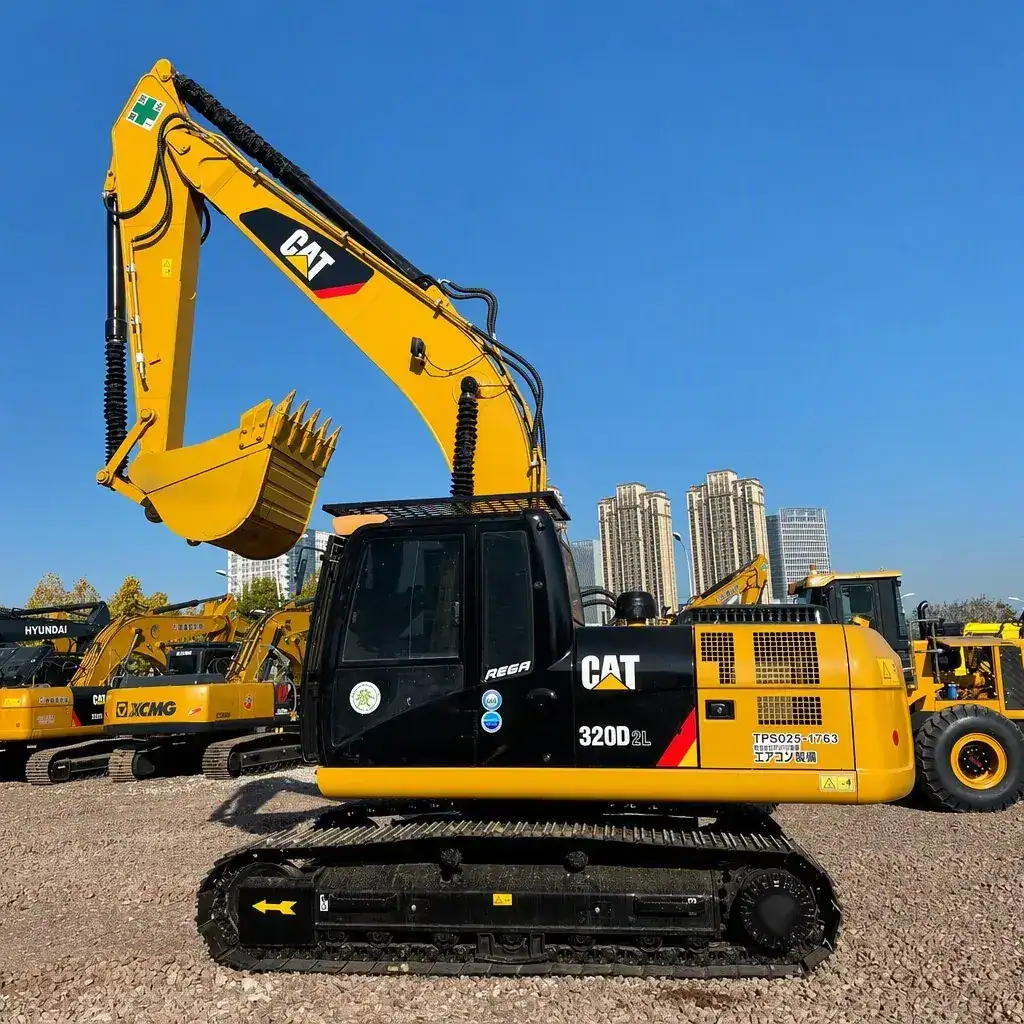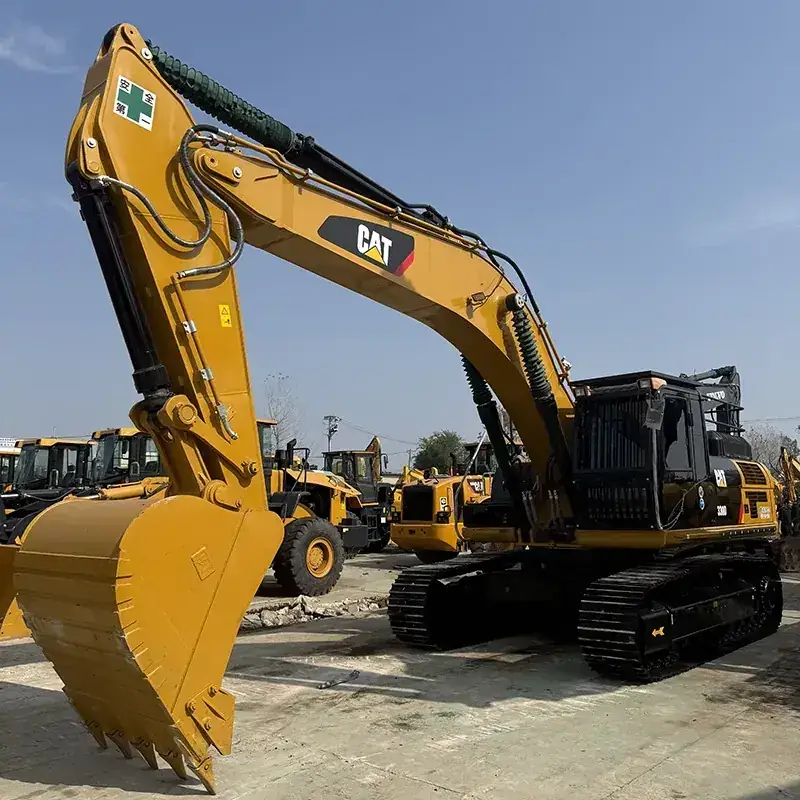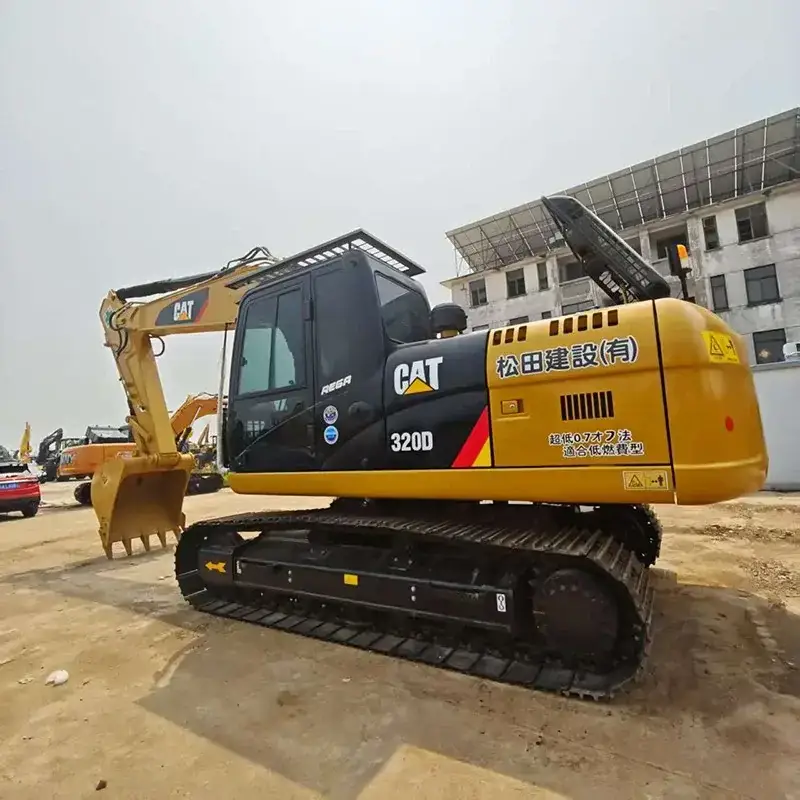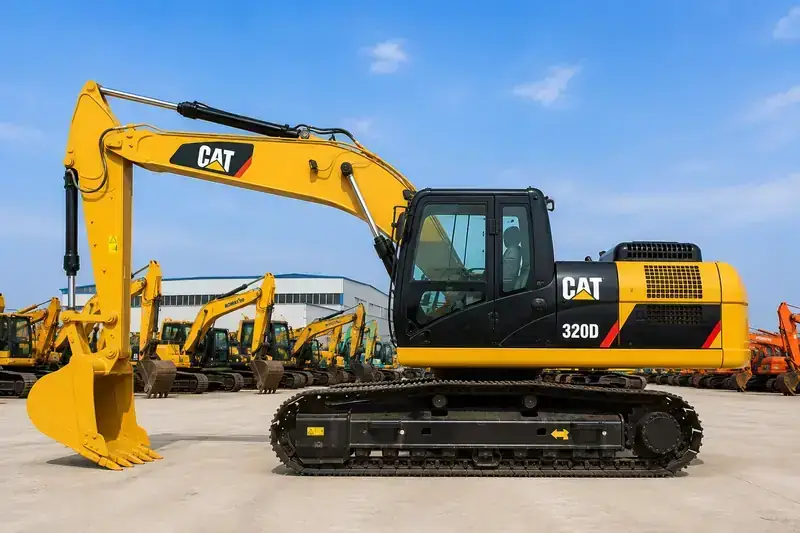
China has emerged as the global center for high-quality, Near-New heavy machinery. However, the logistical journey of a Used CAT 320 Excavator from a Shanghai yard to your job site requires precise technical and administrative coordination. In 2026, savvy B2B buyers are leveraging direct-to-port export models to secure used condition machines while avoiding the markups that regional distributors and intermediaries add. This handbook walks through the key decisions that determine whether an import arrives on schedule, on budget, and ready to work.
Logistics Optimization: Container vs. RORO
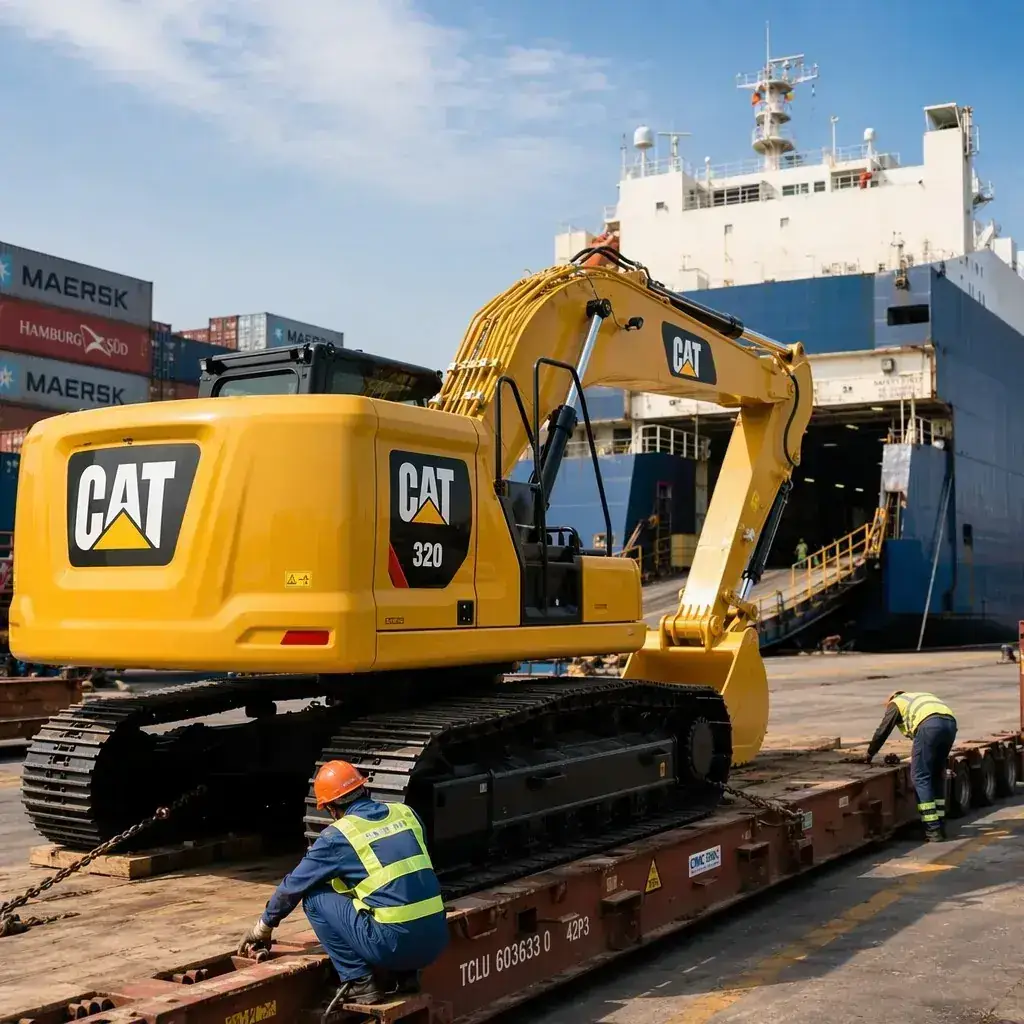
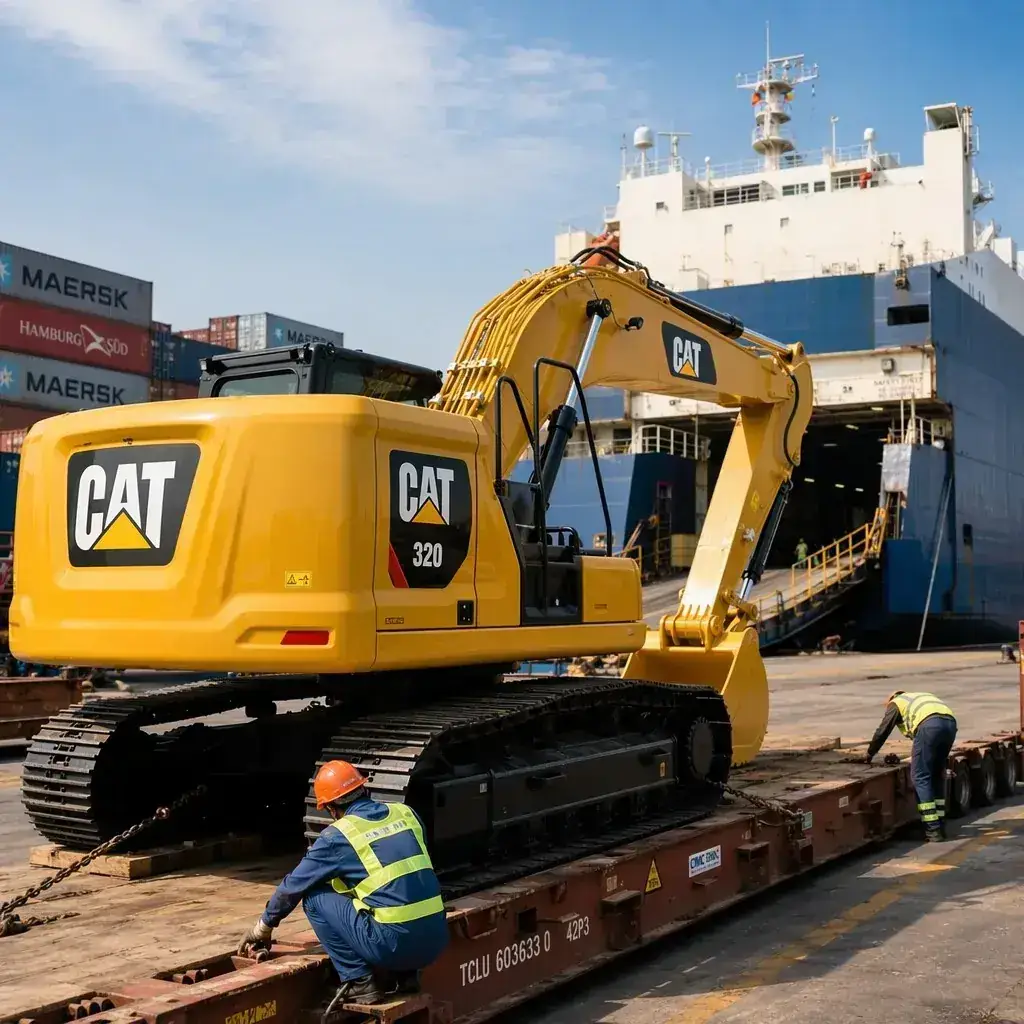
While a Used CAT 320 Excavator is a large asset, our specialized disassembly team can fit one unit into a standard 40HQ container. This protects the original high-gloss factory paint from saltwater corrosion and can reduce sea freight costs significantly compared with a dedicated RoRo berth. For buyers who prefer the simplicity of driving the machine straight onto a vessel, RoRo remains an excellent option for larger fleets.
Choosing the Right Shipping Method
The choice between container, flat rack, and RoRo depends on the machine's size, the number of units, and your budget. A single 20-ton unit travels well in a 40HQ container, which shields it from weather and handling. A full fleet of five or more units is often more economical on a RoRo or bulk vessel, where machines are loaded by experienced crews and lashed for the voyage. In every case, proper drainage and lashing are essential to prevent corrosion and movement during transit.
Verification Before Departure: The unit-specific Standard
The secret to a successful import is not the price, but the pre-export audit. When you secure a Used CAT 320 Excavator, ensure your supplier provides a documented ECM report. This verifies the original operating hours and helps ensure that no historical overheating incidents are hidden beneath the exterior. The ECM data, combined with hydraulic pressure tests and undercarriage wear measurements, gives you a clear picture of the machine's true condition before it is committed to a voyage.
Budgeting for the Full Landed Cost
The purchase price is only part of the total landed cost. Buyers should budget for ocean freight, marine insurance, destination port handling, import duties, local clearance, and inland transport from the port to the job site. Import classification, duties, age rules, inspection requirements, and customs documents vary by destination and date, so confirm the current requirements with the destination customs authority or a licensed broker before ordering. A clear line-item estimate prevents surprise costs at the end of the transaction.
Documentation and Customs Readiness
Complete and accurate paperwork is what keeps an import moving through customs without costly delays. Typical documents include the commercial invoice, bill of lading, packing list, certificate of origin, and the inspection report. Because requirements differ by country, preparing these documents in advance and matching them exactly to the destination's rules is the most reliable way to avoid holds at the port.
For immediate project readiness, we recommend our Used CAT 320 Excavator (Premium Selection), which has undergone a full hydraulic stress test before being cleared for international shipment.
Conclusion: Future-Proofing Your Fleet
As project timelines accelerate in 2027, having a reliable partner in the Chinese market is essential. By understanding the technical nuances of the Used CAT 320 Excavator and the logistical efficiencies of Shanghai-based export yards, importers can scale their fleets with predictable lead times and maximum mechanical integrity. The combination of a documented inspection, the right shipping method, accurate landed-cost planning, and complete documentation turns a complex cross-border purchase into a dependable, repeatable process. For buyers who plan this supply chain carefully, the CAT 320 import model remains one of the most cost-effective ways to put dependable 20-ton capacity on site quickly, without the long factory lead times that characterize new-equipment orders in the current market.