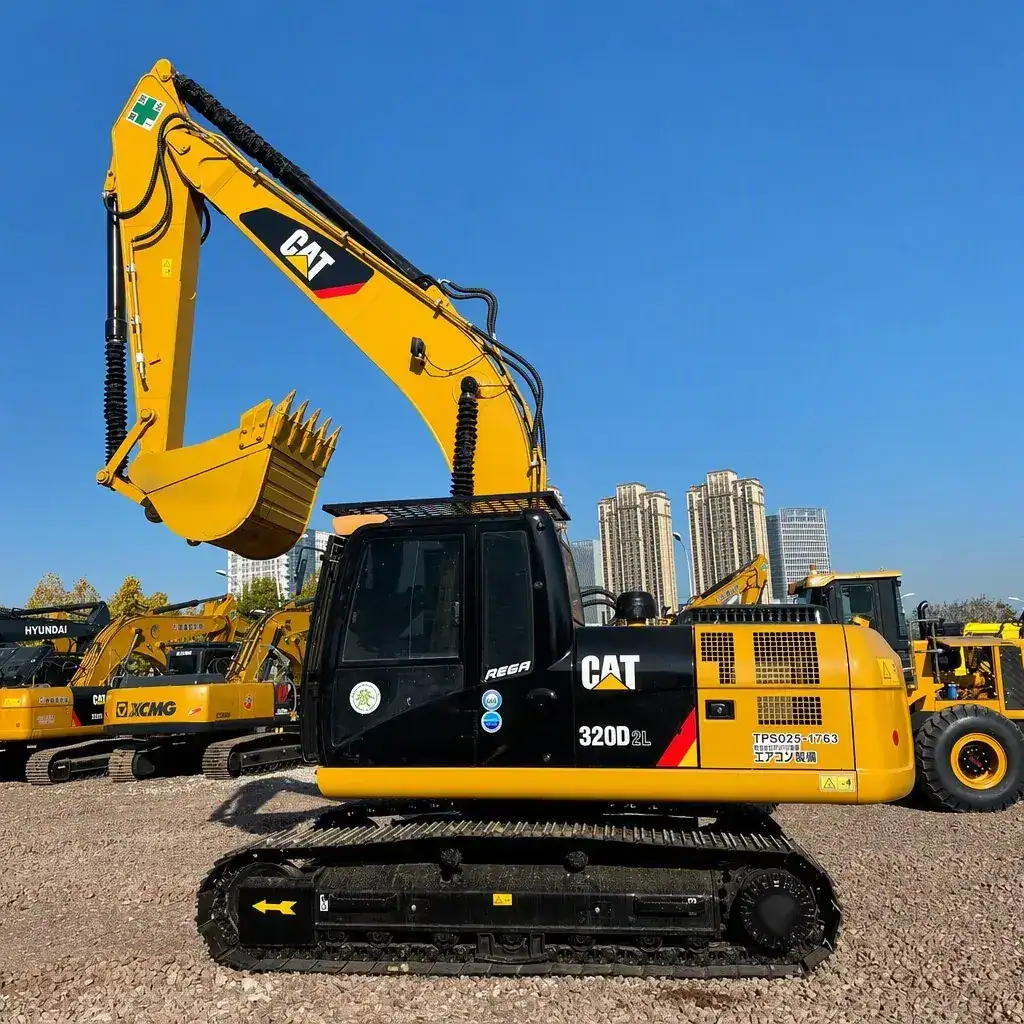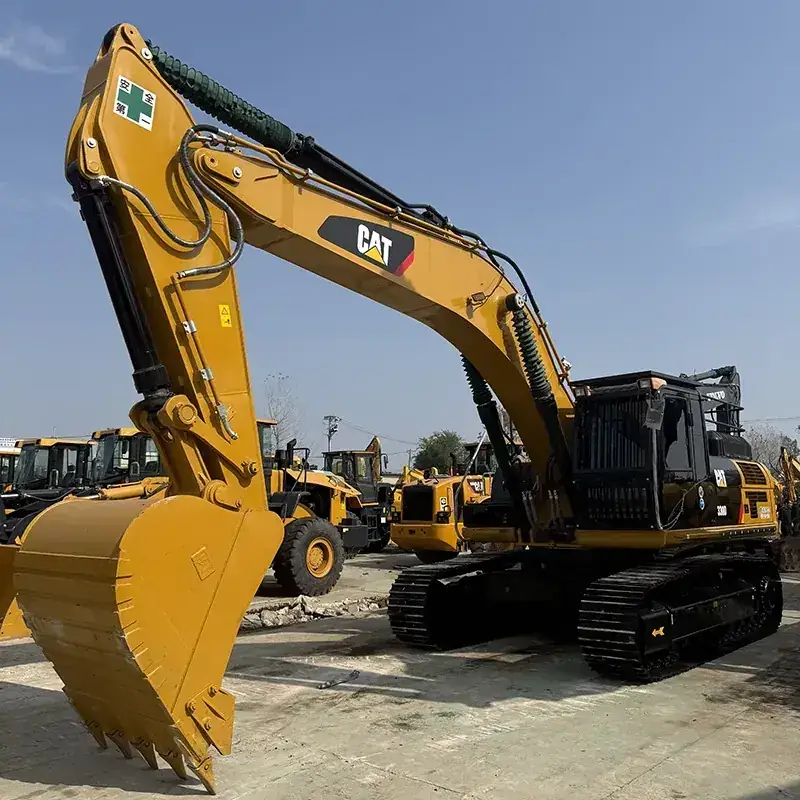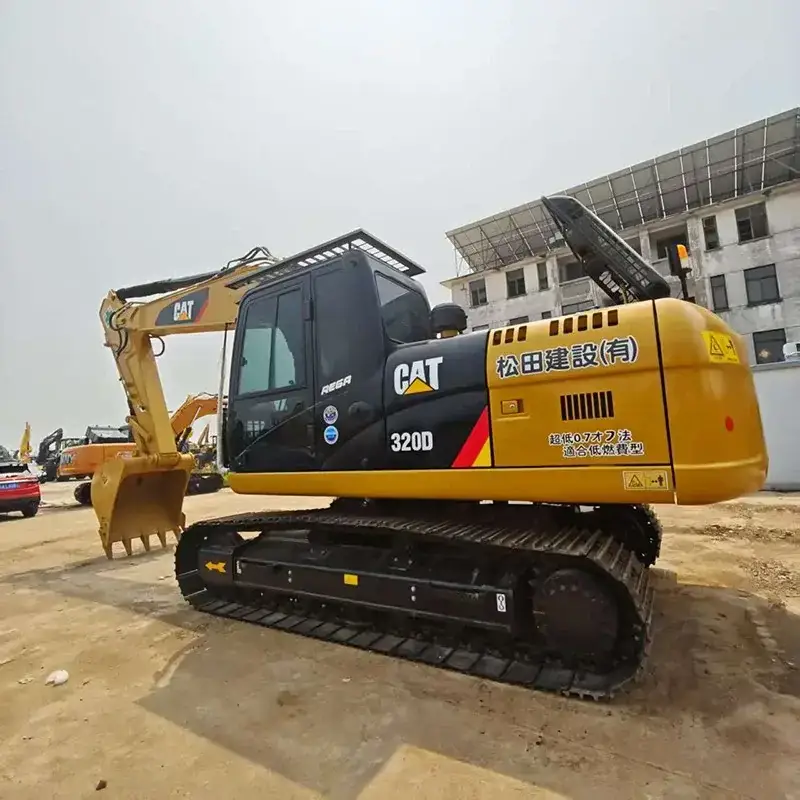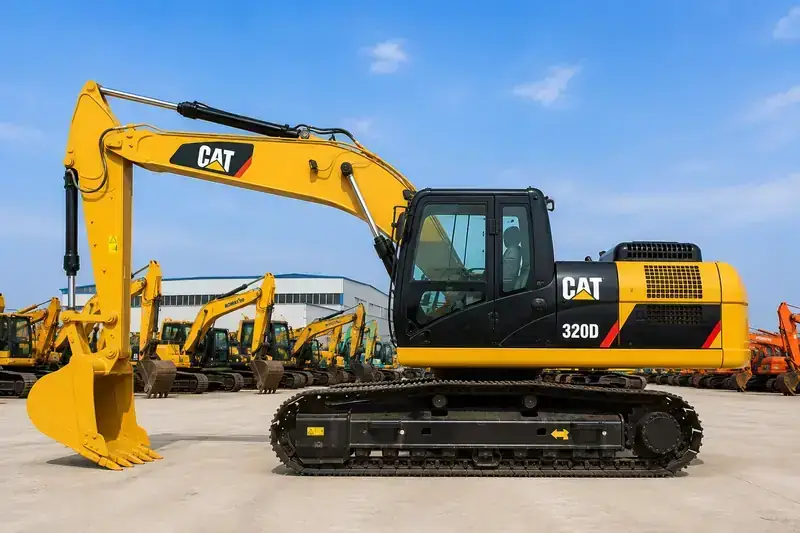
The efficiency of a Caterpillar machine is defined largely by its fluid power management. For international buyers, the ability to accurately assess the CAT 320 hydraulic system is one of the most important skills in equipment procurement. A machine can look clean and read low hours on paper, yet still hide worn pumps, leaking valves, or mismatched flows that surface as sluggish performance and high repair costs on site. In 2026, we have standardized a data-driven verification process to certify our used inventory for global export.
Engineering Notice: Flow vs. Pressure
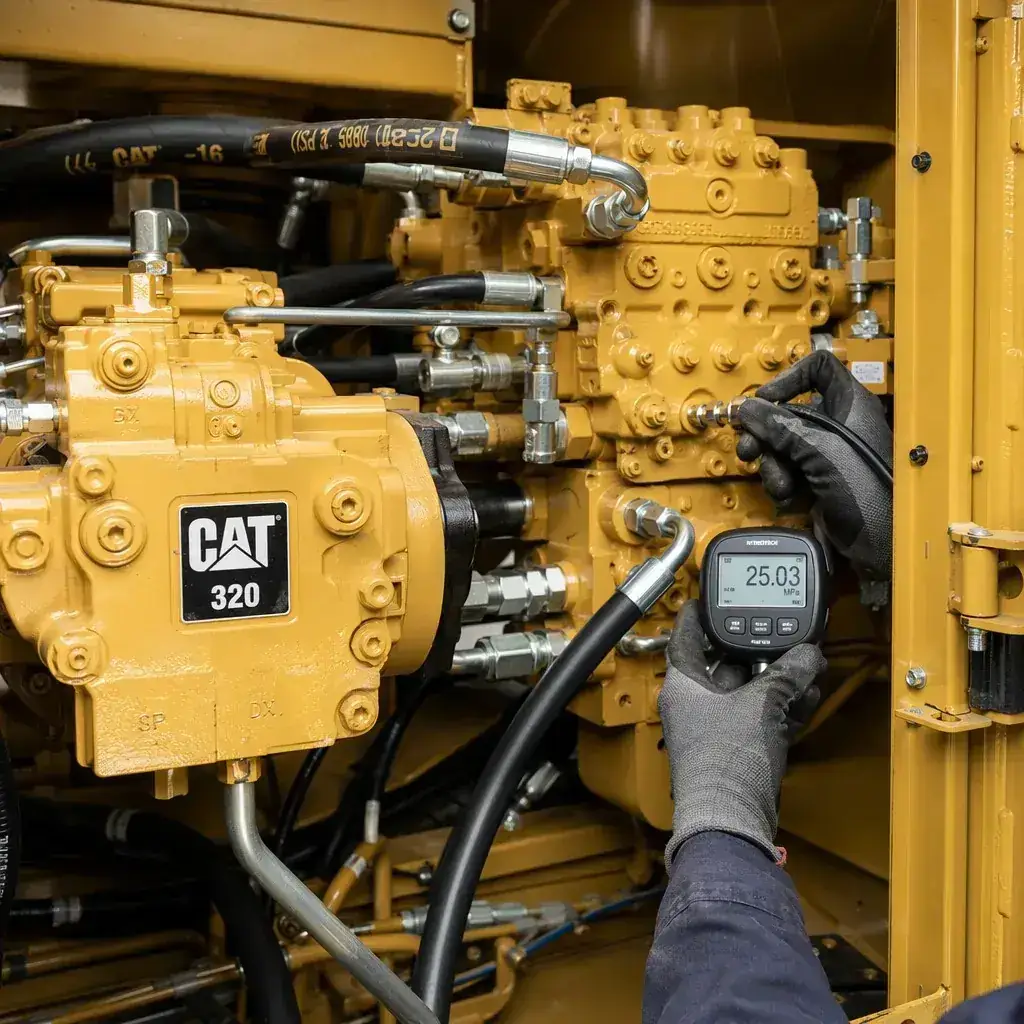
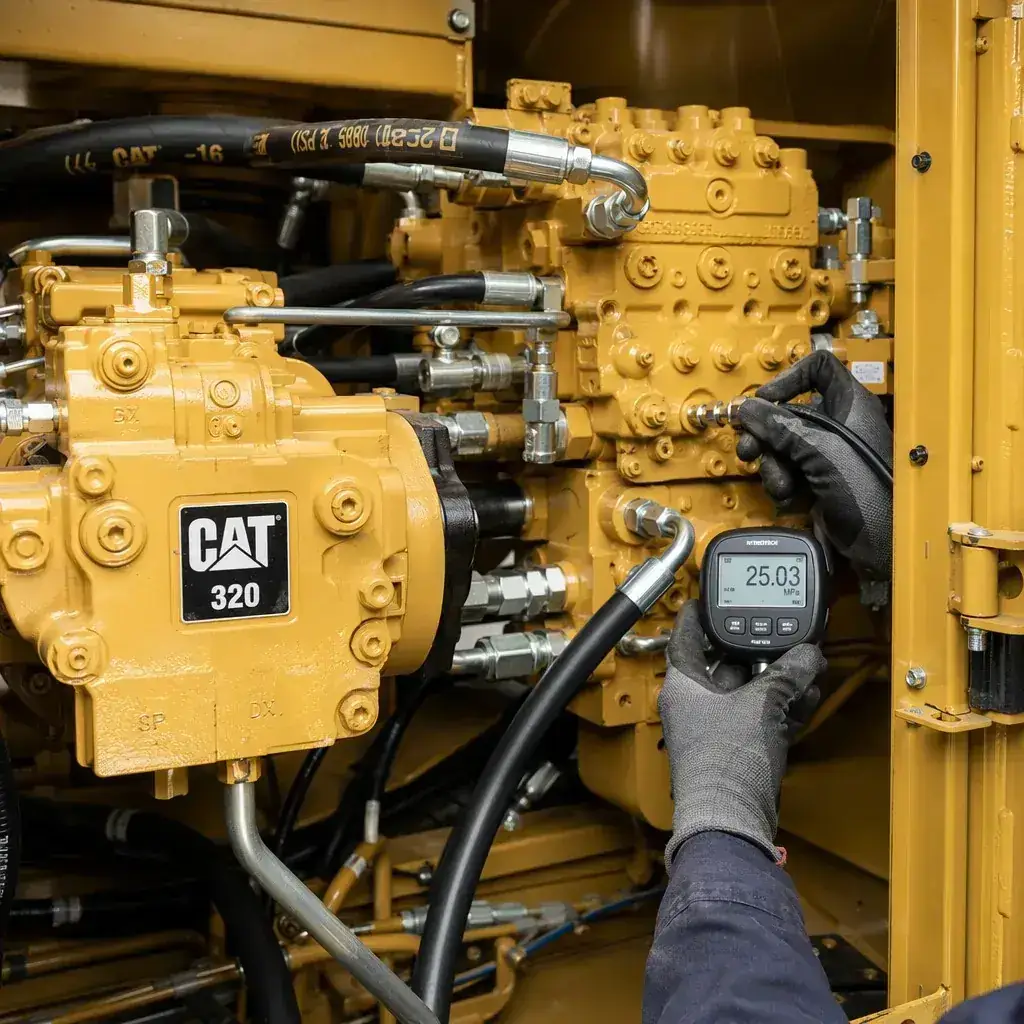
Most buyers only look at pressure, but the CAT 320 hydraulic system relies on variable-flow matching. We use digital flow meters to ensure that both main pumps deliver equal output, preventing tracking issues during travel and avoiding the uneven performance that appears when one pump has degraded more than the other.
Stage 1: The 3-Stage Hydraulic Integrity Protocol
Our technical bulletin divides the hydraulic audit into three measurable stages. The first stage verifies the engine's ability to drive the pumps by measuring crankshaft speed under load and checking for excessive blow-by, which indicates a tired powerplant that cannot sustain full hydraulic output.
Stage 2: Pump Flow and Pressure Verification
The second stage focuses on the hydraulic pumps themselves. Using a calibrated flow meter, we compare each pump's output at rated engine speed against the original factory specification. A pump that delivers noticeably less flow than spec is often worn and will produce weak cycle times and slow implement response. We also check relief valve pressure settings, because a relief set too low can rob the machine of breakout force, while one set too high can overstress hoses and seals.
Stage 3: Control Valve and Cylinder Leakage Test
The final stage tests the control valve blocks and cylinders for internal leakage. Internal leakage in a valve or cylinder allows oil to bypass the work being done, which shows up as drift, heat, and lost productivity. We perform a timed hold test on each cylinder and inspect valve spool movement for smooth, responsive control. Any unit that fails this stage is either repaired before shipment or excluded from our documented inventory.
Ask the seller to put the hydraulic post-sale support in writing: which components are covered, for how long, and what the claim process requires. Request the flow, pressure, and leakage test data for the exact unit, and agree on re-verification if the machine is damaged during loading or shipping.
For projects requiring maximum hydraulic responsiveness, we recommend our Used CAT 320 (Documented Hydraulic Selection), which has passed all three stages of the 2026 technical bulletin.
Why Hydraulic Data Matters for Importers
For a B2B importer, the hydraulic inspection report is the single most valuable document in the purchase. It converts a vague condition claim into hard numbers you can compare across machines and suppliers. When the flow, pressure, and leakage data are consistent with factory specification, you can estimate operating cost and uptime with far greater confidence. When the data is missing or vague, that is a reason to slow down and ask more questions before committing funds.
Conclusion: Engineering Trust Through Transparency
A used machine is only as good as its maintenance and audit history. By focusing on the scientific verification of the CAT 320 hydraulic system, B2B importers eliminate the risk of sluggish site performance and high repair costs, ensuring their fleet remains a profit center through 2030. Ask for the flow meter data, the relief pressure settings, and the leakage test results on any unit you are considering, and make transparency a condition of the deal. In a market where condition claims are easy to make and hard to verify, documented hydraulic data is the clearest signal of a machine that will perform as promised once it reaches your site.