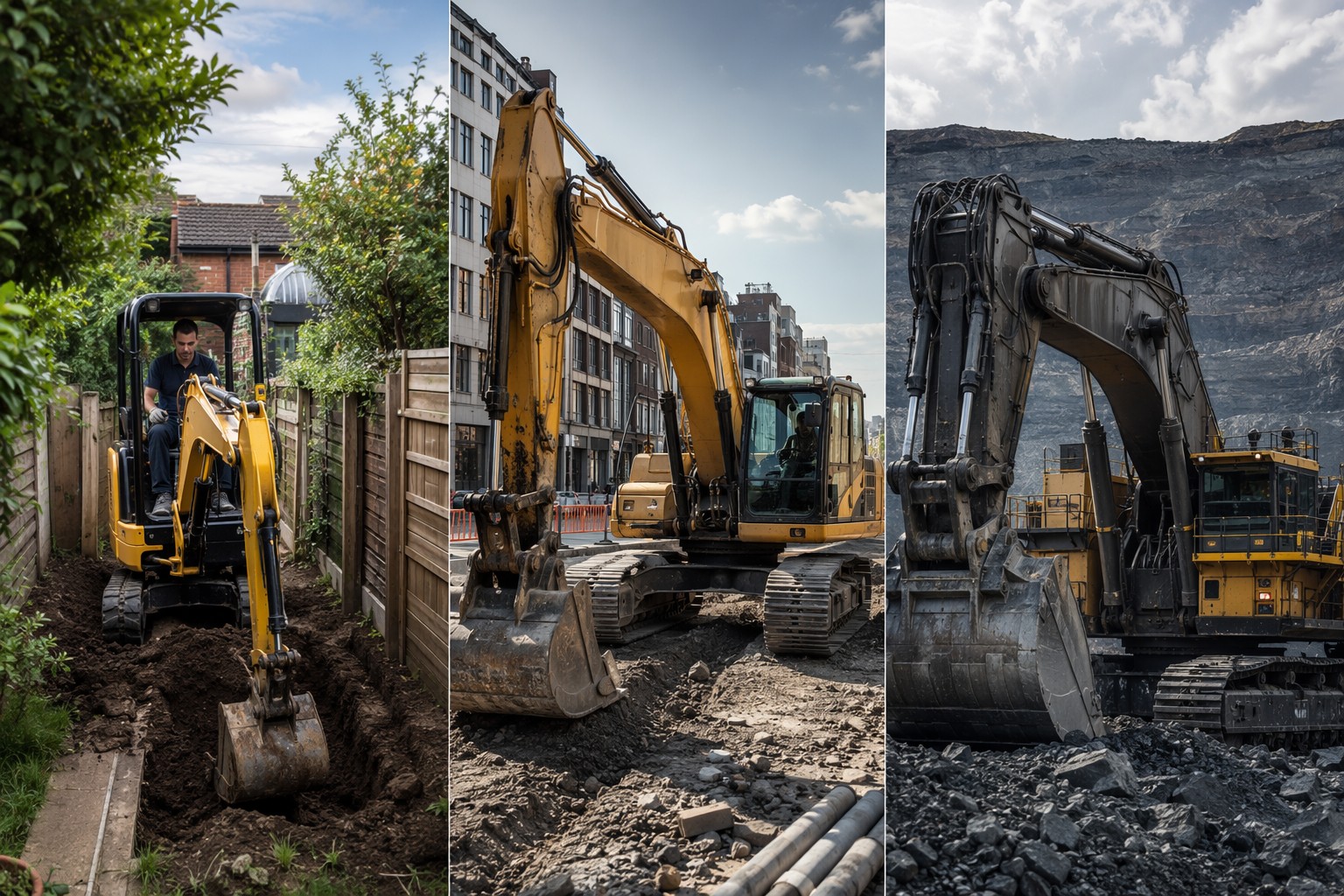
Project Type to Recommended Tonnage Table: Quick Reference
When you prepare to import excavator South America projects, the first technical hurdle is aligning the machine's capacity with the site's demands. Selecting an undersized machine leads to mechanical strain and project delays, while an oversized one wastes fuel and increases logistics costs. This excavator size guide begins with a rapid-deployment matrix to help you narrow your search window instantly.
| Project Category | Typical Task | Recommended Tonnage |
|---|---|---|
| Residential Landscaping | Pool digging, patio prep | 1 - 3.5 Tons |
| Utility & Plumbing | Pipe laying, trenching | 4 - 6 Tons |
| Commercial Build | Foundation footings, site prep | 13 - 15 Tons |
| General Construction | Road work, medium demolition | 20 - 25 Tons |
| Industrial Mining | Overburden removal, quarrying | 35 - 50+ Tons |
The South American market, specifically in Brazil, Chile, and Peru, has seen a massive surge in demand for mid-to-large scale machinery. Understanding what size excavator do I need is the cornerstone of a profitable import strategy. Whether you are managing a lush urban development in Bogota or a rugged mining outpost in the Andes, the following breakdown categorizes the market into three primary tiers of performance.
Mini Excavators (1-6 Tons): Backyard, Pipes, and Tight Spaces
Mini excavators are the high-mobility specialists of the construction world. For contractors focusing on urban infrastructure or residential utility work, the 1-6 ton class offers unmatched versatility. These machines are designed for 'Zero Tail Swing' (ZTS) operation, allowing them to rotate within the width of their tracks. This feature is indispensable when working alongside walls or in narrow alleyways where a standard excavator would risk structural damage. Fuel efficiency is another primary driver for this segment; most 3-ton units consume less than 5 liters per hour, making them the most cost-effective solution for small-scale earthmoving.
When you look to import excavator South America for agricultural or landscaping needs, the Used Sany SY35U is a dominant contender. It provides the breakout force required for stump removal and trenching while remaining light enough to be transported on a standard flatbed truck without specialized oversized-load permits. Furthermore, the low ground pressure of mini units ensures that finished turf or delicate underground utilities remain undisturbed. For any project involving what size excavator do I need for interior demolition or backyard renovations, the 1-6 ton range is your definitive answer.
Medium Excavators (6-20 Tons): General Construction and Municipal Projects
The medium excavator class is the 'bread and butter' of the global construction fleet. Ranging from 6 to 20 tons, these machines balance the compact agility of smaller units with the massive hydraulic power required for significant foundation work and road construction. In South America, the 20-ton class is frequently cited as the most searched tonnage for general contractors. This size provides sufficient reach and digging depth for multi-story basement excavation while maintaining the durability to handle secondary rock breaking with hydraulic hammer attachments.
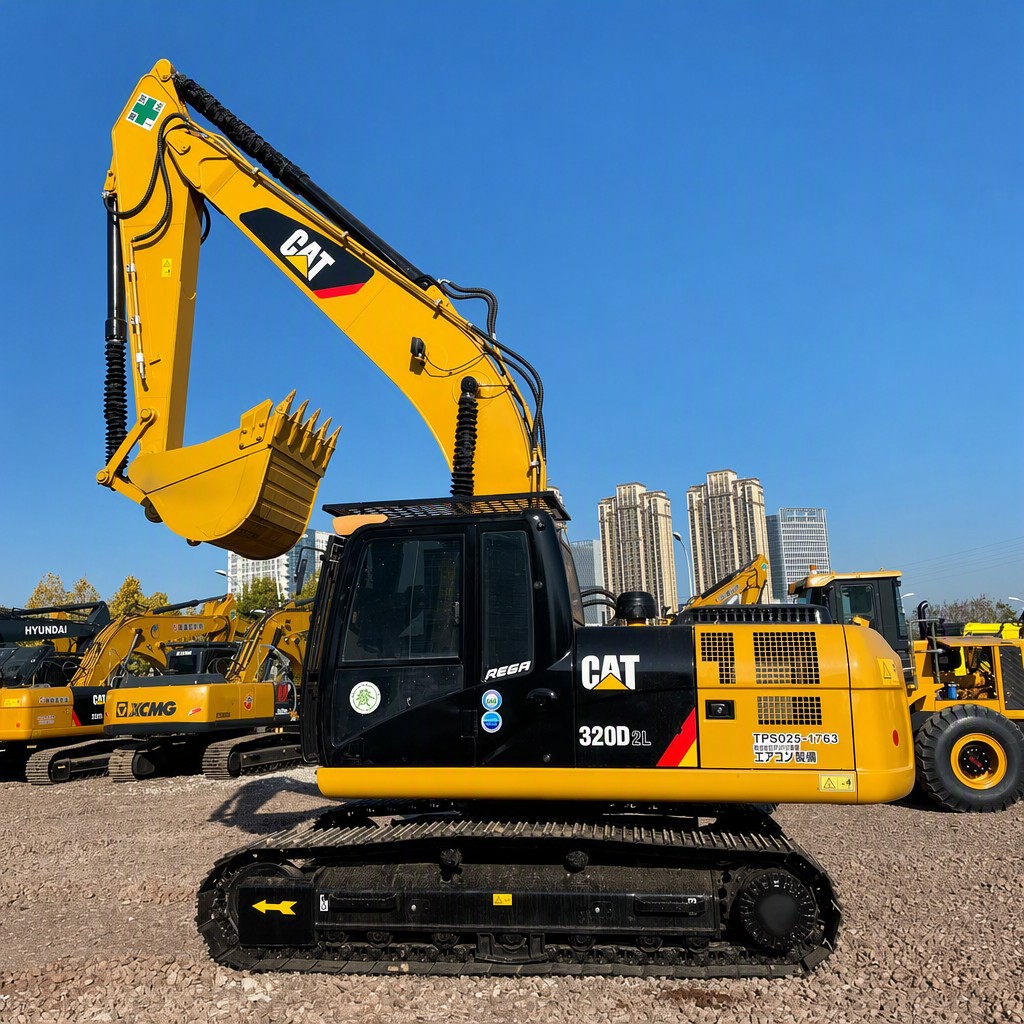
A premier example of this category is the Used Caterpillar 320D, a machine that has become a legend for its reliability in demanding climates. These 20-ton units are optimized for maximum production cycles. With a bucket capacity typically between 0.8 and 1.0 m³, they can load a 10-cubic-meter dump truck in minutes. When exploring an excavator size guide, professionals often select the 13-20 ton range because it supports the widest array of attachments, including augers, shears, and grapples, allowing one machine to perform the work of three. For municipal projects involving drainage systems and urban road widening, this segment is the industry benchmark.
Large Excavators (20 Tons and Above): Mining and Massive Infrastructure
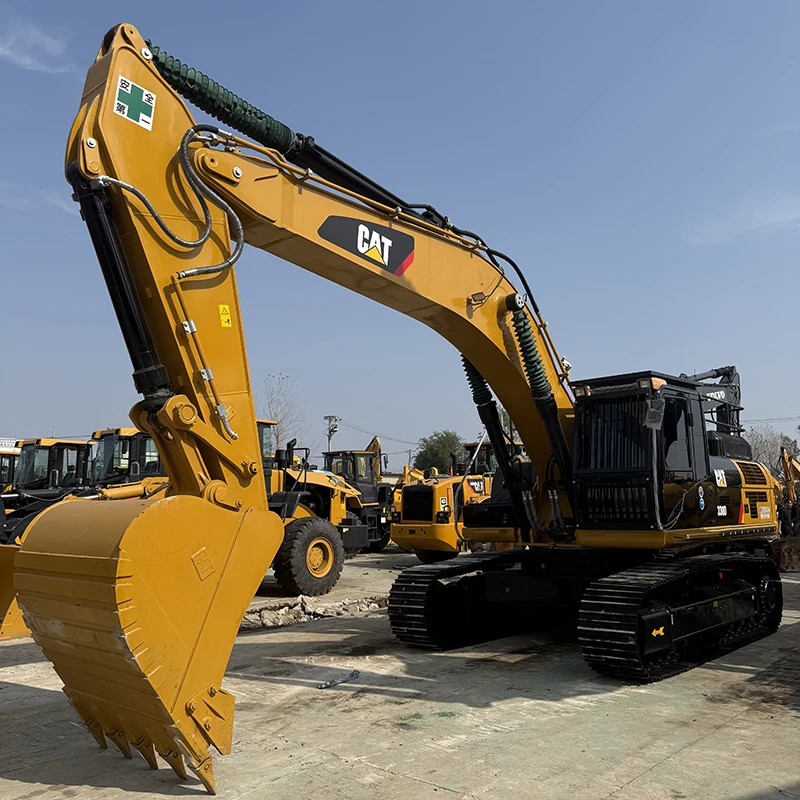
Once your project crosses into the realm of open-pit mining, quarrying, or large-scale dam construction, you require the brute force of a 30-to-50 ton machine. Large excavators are engineered for 'Mass Excavation' (ME) configurations, featuring shorter booms and larger cylinders to prioritize breakout force over reach. These behemoths are designed for 24/7 duty cycles in the most abrasive environments on earth. In the South American mining corridor, high-tonnage machines are essential for removing heavy overburden and loading massive articulated dump trucks.
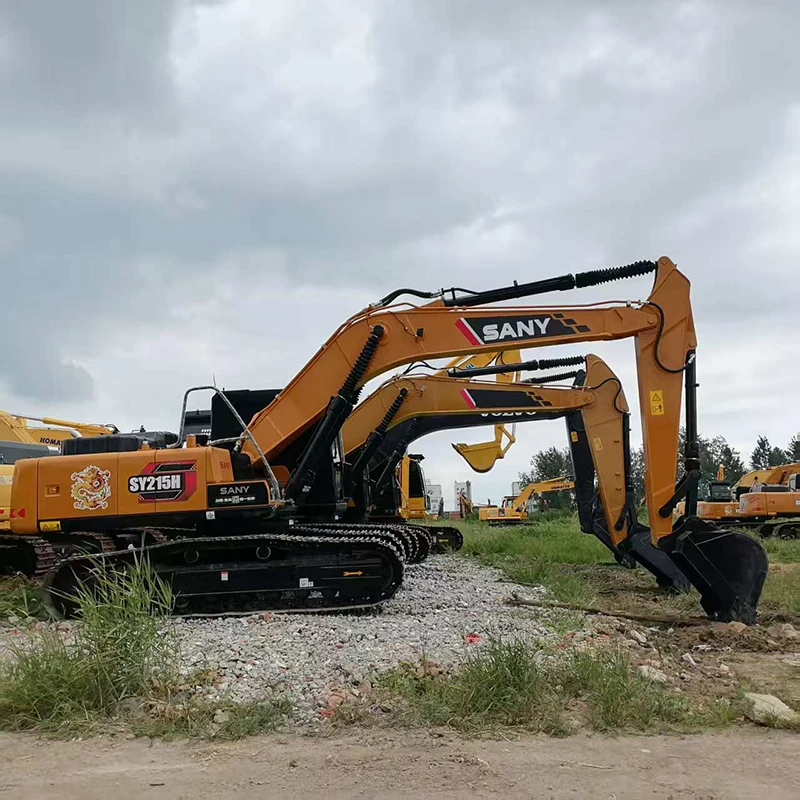
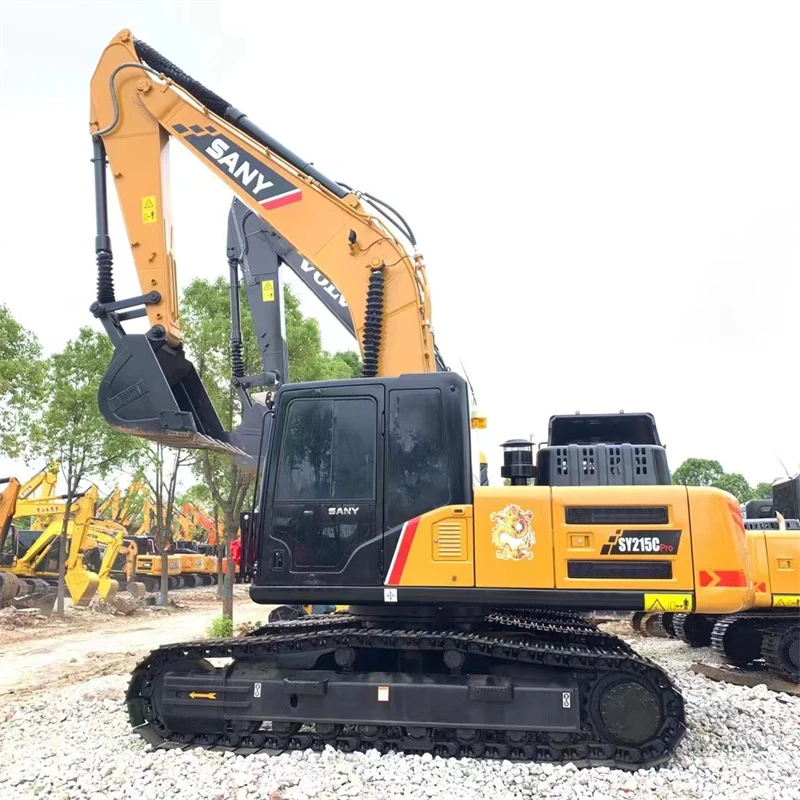
For projects demanding ultimate structural integrity, the Used Sany SY485H provides the mining-grade reinforcement needed for survival in rocky terrain. These machines utilize high-pressure hydraulic systems (up to 34.3 MPa) to tear through compacted earth that would stall a smaller machine. When calculating what size excavator do I need for a large-scale quarry, you must look at the ton-per-hour displacement. A 50-ton machine doesn't just dig deeper; it moves more material per gallon of fuel than multiple smaller units combined. If your goal is to import excavator South America for a primary mining project, anything below 30 tons will likely result in premature mechanical fatigue and lost revenue.
Three Selection Mistakes: Avoiding the Costly Pitfalls
Even with a comprehensive excavator size guide, many buyers fall into common traps that erode their margins. The first mistake is Focusing on Price Alone. A cheaper 15-ton machine might seem like a bargain, but if your project requires the breakout force of a 20-ton unit, you will spend your savings on hydraulic seal replacements and accelerated engine wear. Always match the machine to the workload, not the bank balance.
The second pitfall is Ignoring Ground Load Limits. Every project site has a 'bearing capacity.' In marshy terrains or soft clay regions of South America, a heavy 30-ton machine without wide LGP (Low Ground Pressure) tracks will simply sink, leading to massive recovery costs. Always check the ground pressure specs in the what size excavator do I need decision process. Finally, Ignoring Transport Restrictions is a frequent oversight. A 25-ton excavator requires heavy-haul trailers, pilot cars, and bridge permits in many regions. If your transport infrastructure cannot support a heavy machine, you must reconsider your tonnage selection or factor in significant logistics overhead.
FAQ: Excavator Size Guide for Global Importers
1. What is the most popular size to import to South America?
The 20-22 ton class (like the CAT 320 or Komatsu PC200) is the most sought-after size due to its balance of power and ease of transport for general construction.
2. Can I use a mini excavator to dig a septic tank?
Yes, a 3.5 to 5-ton mini excavator is ideal for septic installations, providing enough depth while protecting the surrounding landscape.
3. How does tonnage affect the cost to import excavator South America?
Shipping costs are calculated by volume (Roro) or weight (Flat-rack). Larger machines incur significantly higher freight rates and require more complex customs documentation.
4. Is reach more important than horsepower?
It depends on the task. For trenching, reach is critical; for heavy soil displacement or demolition, hydraulic horsepower and breakout force are the primary metrics.
5. Do smaller machines have a better resale value?
Mini excavators often retain a higher percentage of their value in the secondary market because they are easier for small contractors to finance and operate.
6. What size excavator do I need for a 5-hectare land clearing project?
A 13-15 ton excavator with a thumb attachment is generally the most efficient size for clearing brush and medium-sized trees across large areas.