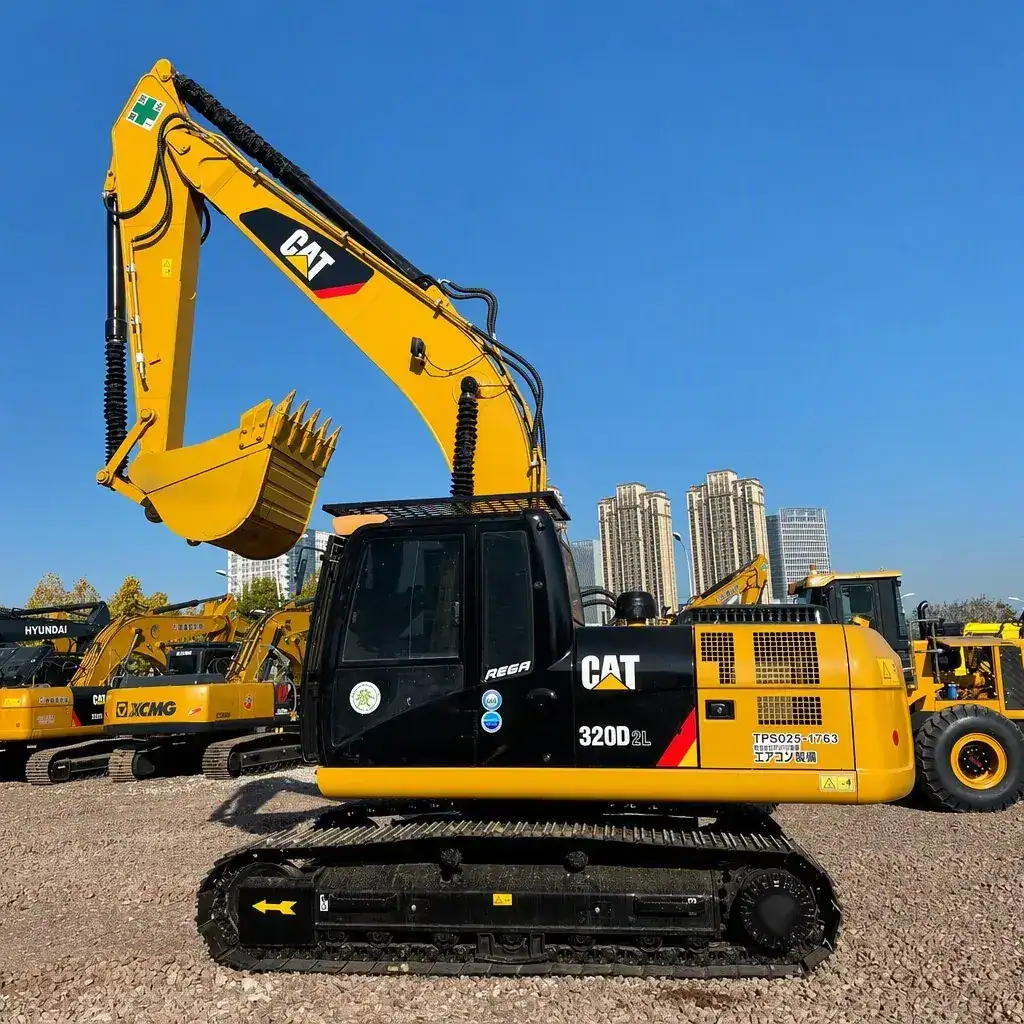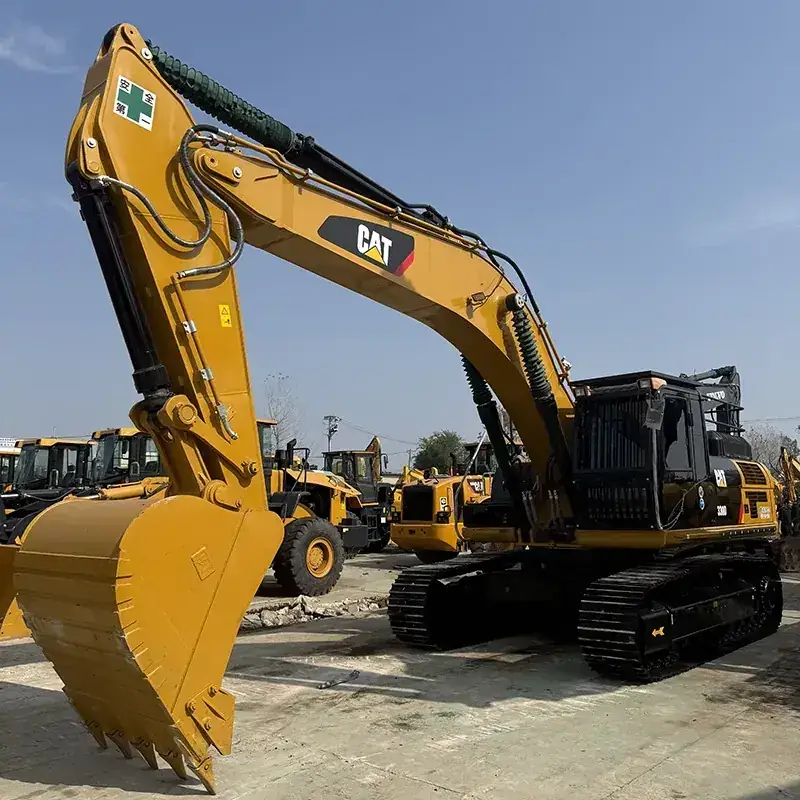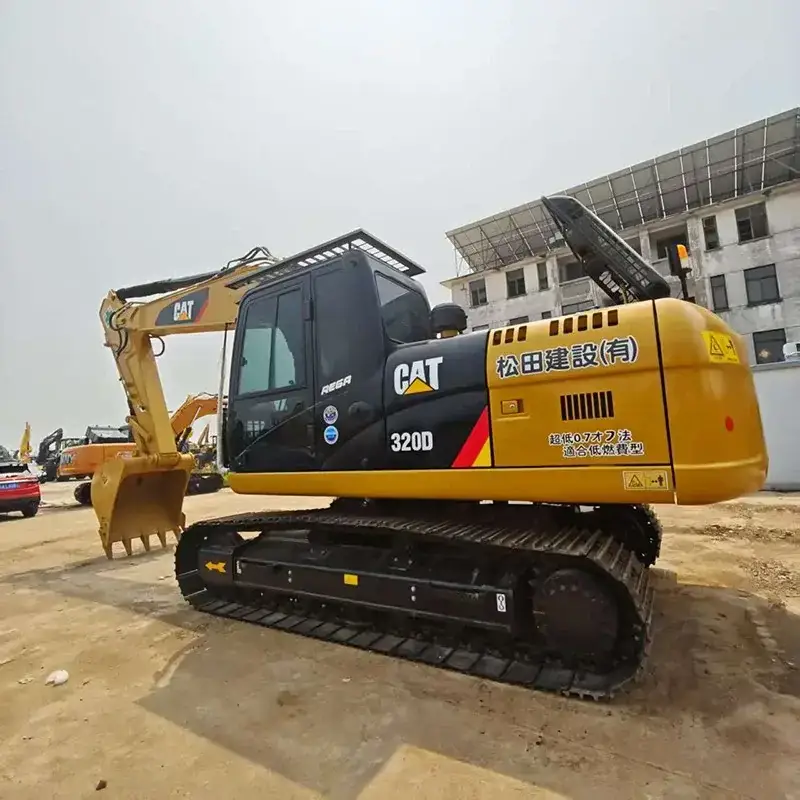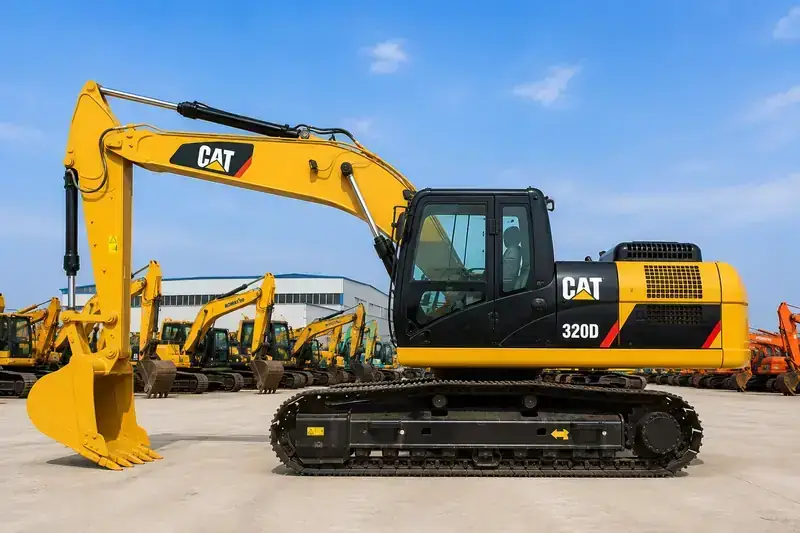
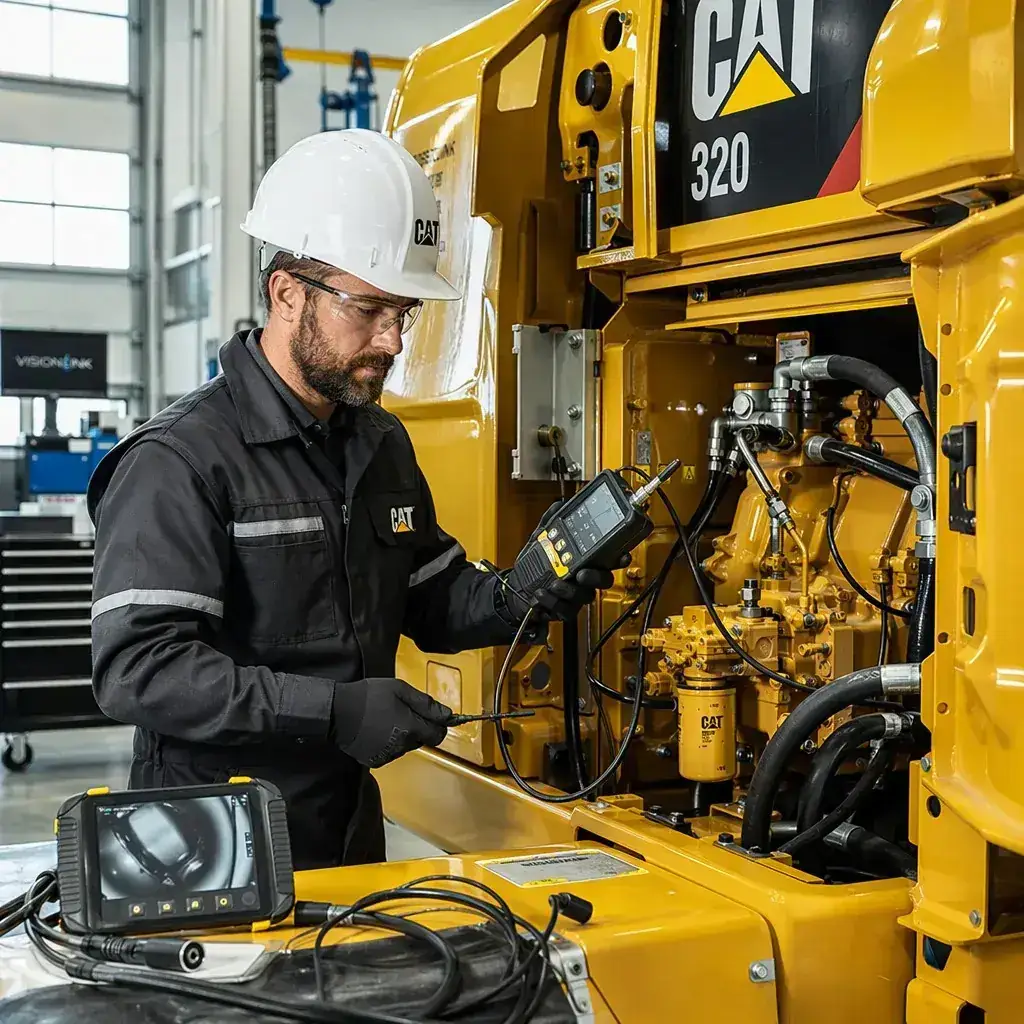
The Caterpillar 320 series is the industry benchmark for the 20-ton class. However, its high resale liquidity also makes it a target for low-quality refurbishments. For B2B importers, mastering How to Inspect a Used CAT 320 Excavator Before Buying is the only way to separate a high-ROI machine from a depreciating liability. In 2026, we utilize a three-stage engineering protocol to verify used status.
Stage 1: ACERT™ Engine Forensic Analysis
When you start to How to Inspect a Used CAT 320 Excavator Before Buying, the C6.4 or C7.1 ACERT engine must be your focal point. Look for:
- Turbocharger Lag: A healthy CAT 320 should spool up instantly with zero blue smoke.
- Blow-by Pressure: Use a digital manometer to check the crankcase. High pressure indicates worn cylinder liners, regardless of the 'clean' look.
Work through the running checks in a fixed order: cold start, idle stability, and acceleration under no load. Confirm the exhaust is clear at both low and high RPM, and inspect the charge-air piping and intercooler for oil weeping that signals worn turbo seals. Ask for the ECM to be read for active codes and historical overheating events, because a rebuilt top end cannot hide a logged high-coolant-temperature history.
Stage 2: Advanced Hydraulic Mapping
The CAT 320's strength lies in its fluid dynamics. To How to Inspect a Used CAT 320 Excavator Before Buying properly, you must perform a 'Functional Cycle Test.' A used unit, such as our Caterpillar 320D Premium, should complete a full 180-degree swing and dump cycle in under 12.5 seconds at 1800 RPM.
Beyond the stopwatch, watch the machine during simultaneous boom, arm, and swing movements. There should be no hesitation, jerking, or drift when the joysticks are released, and the main pump relief pressures should match the factory settings when you stall each circuit against a solid bank. Check all cylinders for weeping oil at the rod seals and inspect the swivel joint for leaks—a small constant drip at idle becomes a costly hydraulic service later.
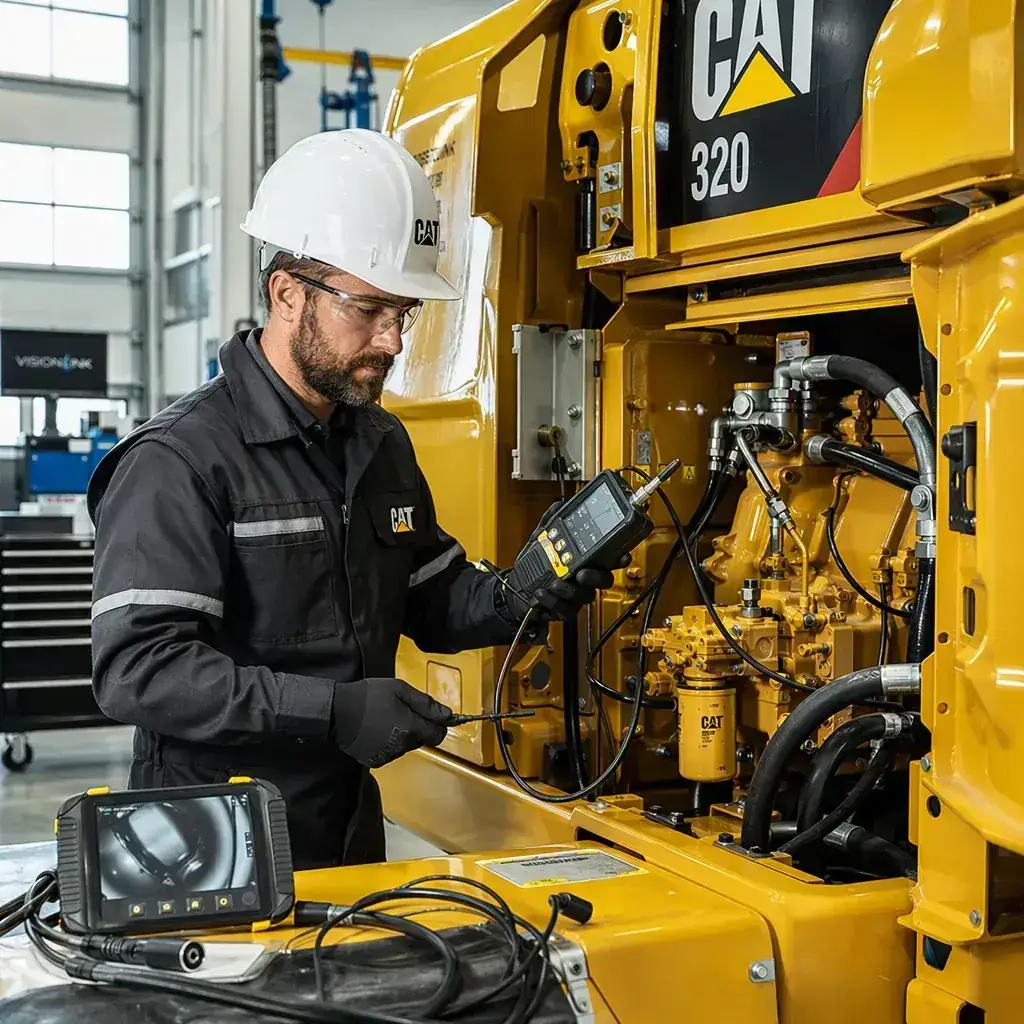
Expert Audit: Real-time data capture of main pump relief pressures is essential when you How to Inspect a Used CAT 320 Excavator Before Buying.
Stage 3: The Undercarriage Geometry Check
Don't just look at the paint. To How to Inspect a Used CAT 320 Excavator Before Buying like a pro, measure the track link pitch and sprocket wear. A used grade means the link height is within 2mm of original factory specs and the idlers show zero lateral play.
Run the machine forward and backward in a straight line and listen for clicking from the drive sprockets, which indicates worn bushes. Measure the remaining height on the drive lugs, check the track adjusters hold pressure, and look at the undercarriage shoes for uneven wear that suggests alignment problems. Because the undercarriage is typically the largest wear item on a 20-ton machine, replacing a worn set can cost thousands—so the condition you measure here should be reflected in the price you negotiate.
Stage 4: Cab, Electrical & Structural Review
- Structural welds: Inspect the boom foot, arm pivot, and bucket linkage for re-welded or reinforced areas that indicate past cracking.
- Cab condition: Check the air conditioning output, monitor functions, and seat suspension—signs of a respected operator history.
- Electrical system: Verify all gauges, lights, and work lamps operate, and check the wiring looms for poor splicing or aftermarket tampering.
- Attachment condition: Examine bucket teeth, cutting edges, and pins; a worn pin bushing on the bucket will need attention soon.
These checks rarely take more than 30 minutes, yet they are where many serious problems surface. A unit with a pristine engine but a cracked boom foot is still a repair project, so treat the audit as a complete machine evaluation.
Conclusion: Buying with Engineering Data, Not Emotion
Applying this specialized protocol to How to Inspect a Used CAT 320 Excavator Before Buying ensures that your fleet acquisition is backed by measurable performance. At HEAVY MACHINERY PRO, our unit-specific technical audit provides this transparency for every CAT 320 we export, guaranteeing that your machine is ready for the world's most demanding projects.