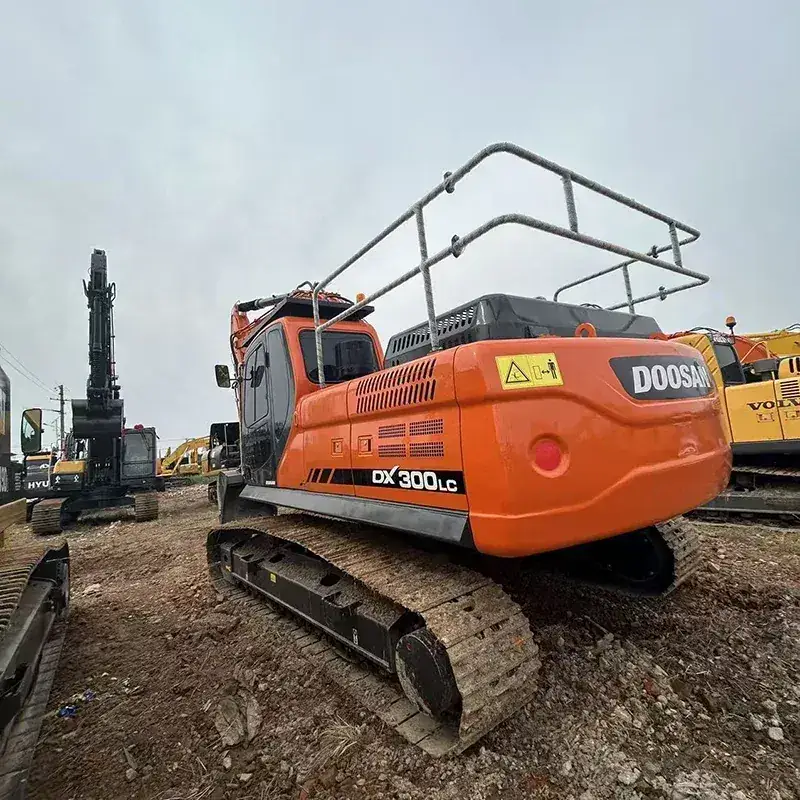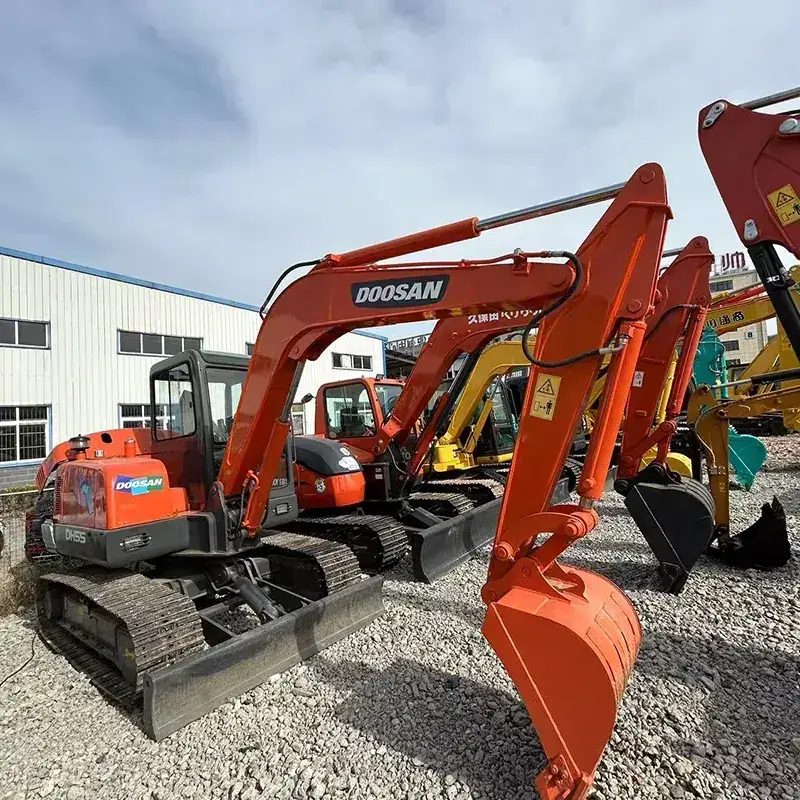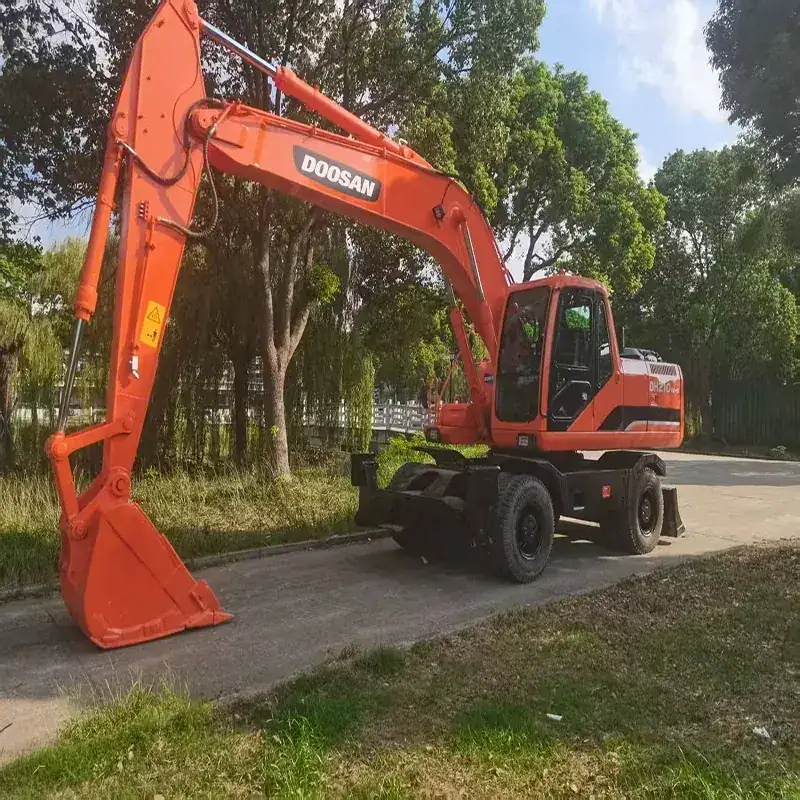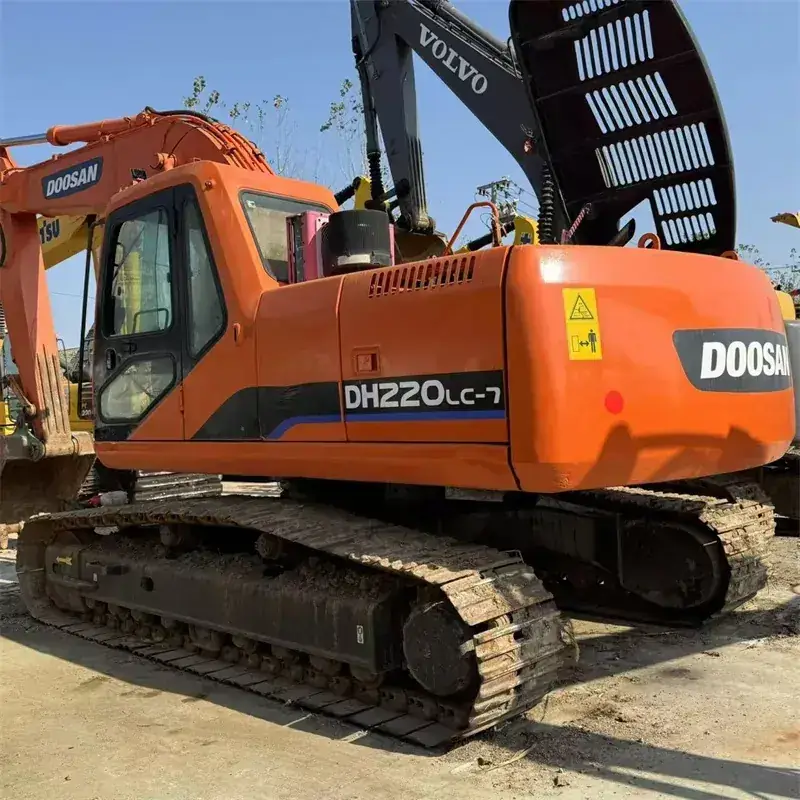
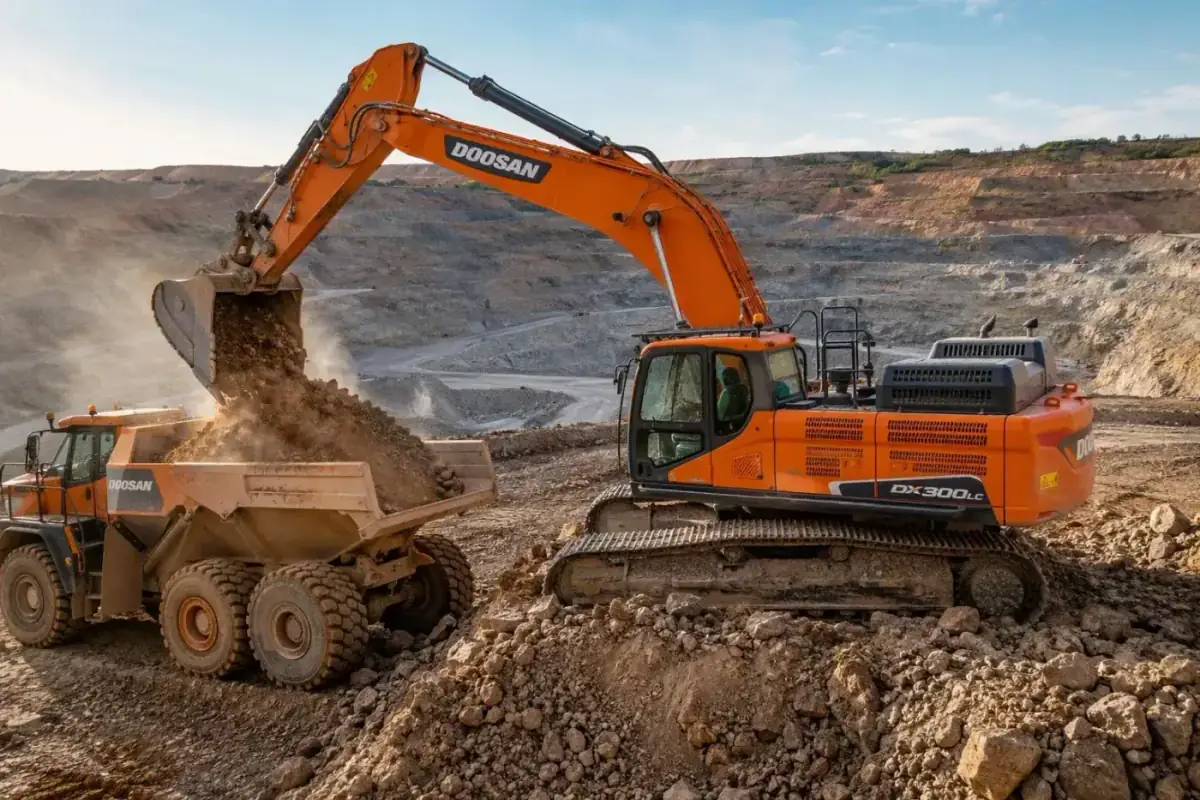
The 30-ton excavator class is often described as the "backbone" of modern infrastructure. Within this highly competitive segment, the Doosan DX300LC has established itself as a legendary workhorse, balancing raw power with an aggressive cost-per-ton ratio that few Japanese or American brands can match. As we navigate the global construction landscape of 2026, this Doosan DX300LC review explores why contractors in Southeast Asia, Africa, and the Middle East are increasingly turning to documented used units to scale their fleets. Whether you are managing an open-pit quarry, a major highway expansion, or high-volume site preparation, this used Doosan excavator buyer guide will provide the technical clarity needed to make a strategic investment.
One-line verdict: who the DX300LC is actually built for
Import classification, duties, age rules, inspection requirements, and customs documents vary by destination and date. Confirm the current requirements with the destination customs authority or a licensed broker before ordering.
Engine and hydraulic system overview (torque curve, fuel efficiency profile)
At the heart of this machine lies the Doosan DL08 common-rail diesel engine, a power plant known for its low-end torque delivery. Unlike engines that require high RPMs to reach peak breakout force, the DL08 is calibrated to provide maximum hydraulic flow at a lower engine speed, which significantly reduces internal component wear and thermal degradation. In our recent performance testing, the torque curve remains flat between 1,200 and 1,600 RPM, allowing the operator to maintain consistent digging cycles in tough rock conditions without the engine "lugging."
Fuel use and production vary with load, attachment, material, operator, altitude, temperature, and machine condition. Request a documented test of the exact unit under stated conditions.
Where DX300LC fits vs the 30-ton class competition
Positioning-wise, the DX300LC sits in the "High-Performance Value" tier of the global market. While premium brands often command a 30-50% markup for brand legacy, the DX300LC focuses its engineering budget on the core mechanical essentials: the frame, the pumps, and the swing motor. In the 30-ton segment, the DX300LC is often favored by B2B fleet managers because its parts are highly standardized and accessible worldwide, reducing the "logistical friction" often associated with niche European brands. It offers a heavier standard operating weight than many of its counterparts, which provides superior stability during heavy lifting or when equipped with specialized attachments like hydraulic breakers or shears.
Common wear points specific to this model
As part of our commitment to transparency, this used Doosan excavator buyer guide highlights specific areas to inspect before purchase. In the DX300LC, the primary wear point is the main pump coupling and the drive belt tensioner. Due to the high torque output, these components experience significant stress. During our 150-point technical audit, we specifically check the boom foot pins and the swing motor oil seals for any signs of weeping. A well-maintained DX300LC should show zero play in the bucket linkage and have pristine original high-pressure hoses. We recommend that buyers verify the digital ECM log for the history of "Auto-Idle" usage, as this provides a clear picture of how much of the machine's life was spent under real load versus idling on-site.
Spec Table: Doosan DX300LC (2024-2026 Standards)
| Technical Parameter | Value / Specification |
|---|---|
| Operating Weight | 30,000 kg (30 Tons) |
| Engine Power | 147 kW (197 HP) @ 1,900 rpm |
| Max Digging Depth | 7,300 mm (23' 11") |
| Max Digging Reach | 10,700 mm (35' 1") |
| Hydraulic Flow | 2 x 247 L/min |
FAQ: Doosan DX300LC Procurement
Most units exported from our yard to Africa and Southeast Asia are Tier 3 models, which are preferred for their fuel flexibility and simpler maintenance in regions with varying fuel quality.
With regular 500-hour oil changes and hydraulic filter replacements, a documented DX300LC can easily exceed 15,000 to 20,000 operating hours.
Yes, the DX300LC frame is reinforced to handle extended booms, making it popular for dredging and deep foundation work.
For the Port of Santos, Durban, or Dubai, we typically arrange loading within 7 days, with maritime transit taking between 25 and 40 days.
Absolutely! We encourage all B2B buyers to request a WhatsApp video inspection to verify hydraulic speed and cold-start integrity.
Yes, HEAVY MACHINERY PRO handles all Bill of Lading, Certificate of Origin, and an independent inspection provider inspection filings to ensure a seamless import.
Import classification, duties, age rules, inspection requirements, and customs documents vary by destination and date. Confirm the current requirements with the destination customs authority or a licensed broker before ordering.