Acquiring a crawler dozer is one of the most significant capital outlays for any construction or mining firm. Unlike excavators, which focus on hydraulic cycle speed, a bulldozer's profitability is dictated by its pushing power and the longevity of its ground-engaging components. For global importers, having a standardized used bulldozer inspection checklist is the only way to mitigate the risk of buying a machine that looks "freshly painted" but hides catastrophic mechanical wear. In this guide, our technical team breaks down the five pillars of dozer evaluation, ensuring you receive a project-ready asset rather than a financial liability.
Printable checklist structure (undercarriage, blade/ripper, engine, hydraulics, frame)
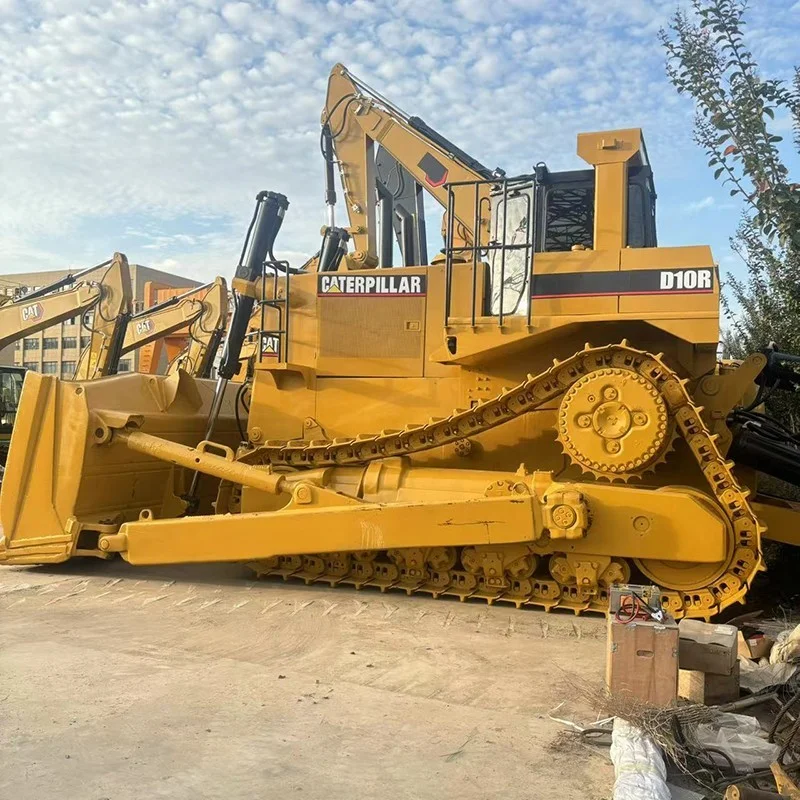
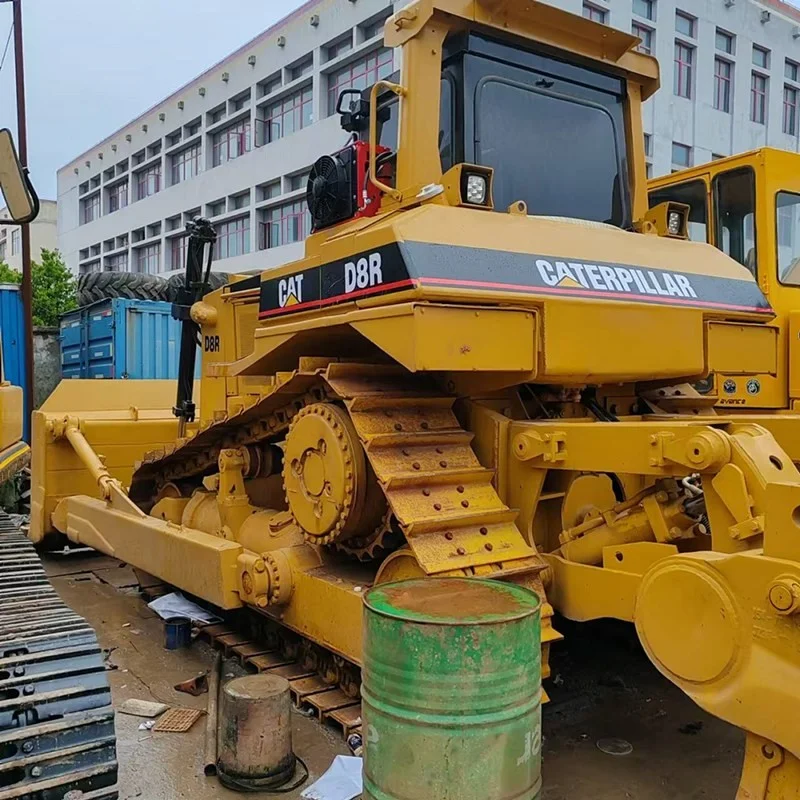
A professional used bulldozer inspection checklist should follow a logical path: from the ground up. The inspection begins at the undercarriage, which accounts for nearly 50% of the lifetime maintenance cost of a crawler dozer. Move upward to the blade and ripper attachments, examining the steel for cracks and weld repairs. The third pillar is the engine compartment, where you must verify oil purity and cooling system efficiency. Fourth, the hydraulic system—including the high-pressure cylinders and the main control valve block—must show zero leakage. Finally, the structural frame, including the C-frame and track frames, must be checked for lateral alignment. Following this structured used bulldozer inspection checklist allows you to assign a numerical health score to the machine, making it easier to compare multiple units, such as a Used Caterpillar D8R versus a smaller Shantui SD13, based on objective data rather than just the year of manufacture.
Track and roller wear — the single most expensive bulldozer repair, explained
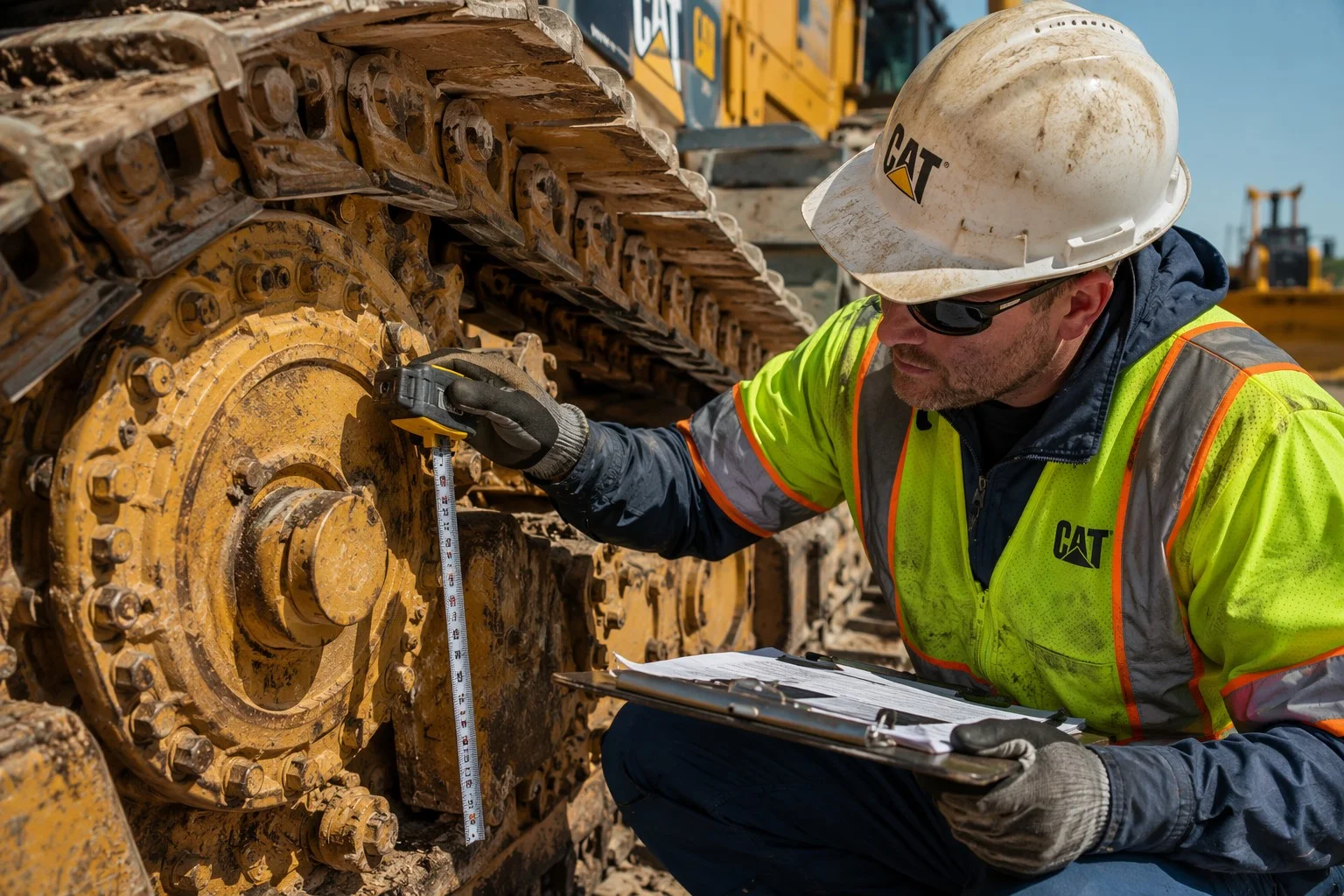
When learning how to inspect a used dozer, you must become an expert on the undercarriage. Start by measuring the "pitch" of the track links; as the internal pins and bushings wear, the track "stretches," leading to sprocket jumping and eventual failure. Look closely at the drive sprockets—if the teeth look like "sharks' fins" (pointed and thin), the sprocket is near the end of its life. Similarly, inspect the bottom rollers and top idlers. If the idlers are bottomed out in the track frame, the track adjustment has reached its limit, and the links likely need replacement or "turning." A 95% new certified machine should show thick link rails and idlers positioned near the front of the frame. This physical measurement is a critical skill in 2026, as hour meters can sometimes be inaccurate, but undercarriage wear patterns never lie when you know how to inspect a used dozer properly. Replacing a full undercarriage on a 30-ton class dozer can cost upwards of $20,000, making this the most high-stakes part of your procurement audit.
Blade and cutting-edge wear assessment
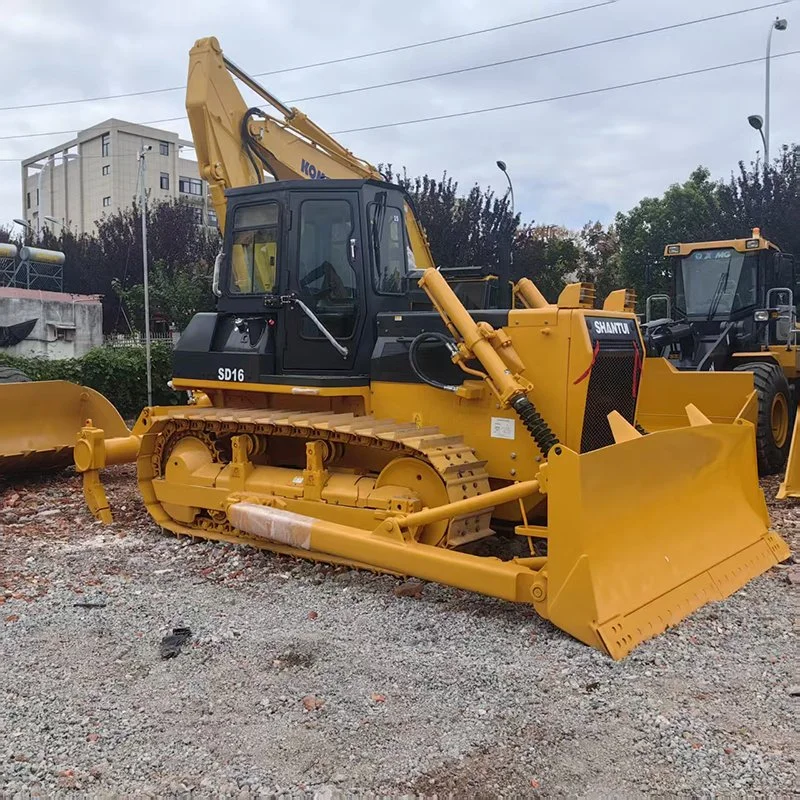
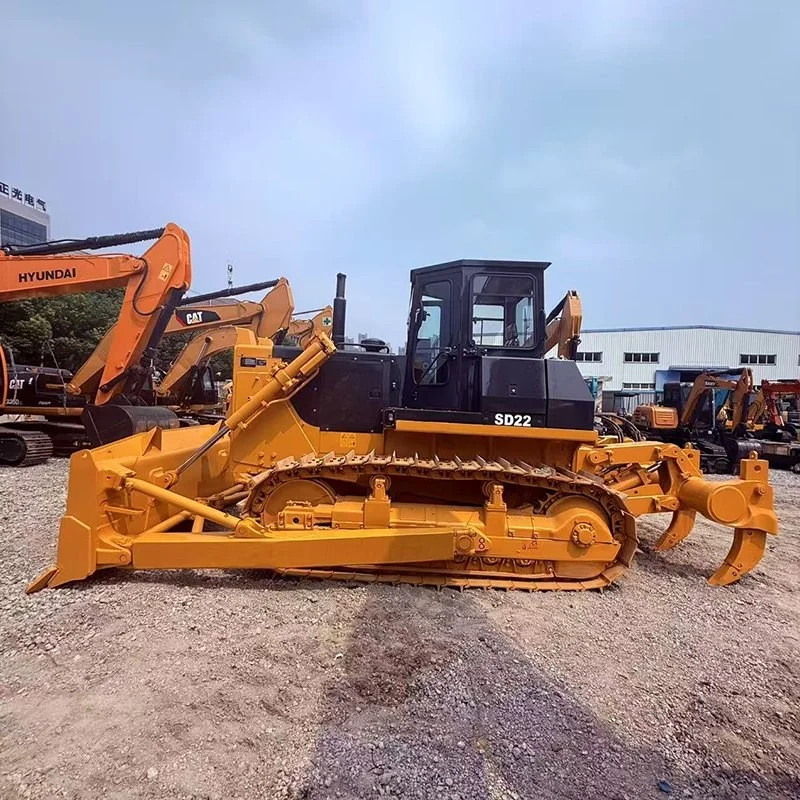
The blade is the business end of the machine. Examine the "SU" or "U" blade for deep gouges or structural thinning. Check the cutting edges and end bits; these are sacrificial wear parts, but if they have been allowed to wear into the parent metal of the blade, the repair becomes significantly more expensive. In our yard, we verify that every Shantui SD16 has at least 80% life remaining on its cutting edges. Furthermore, check the blade tilt cylinders. Lift the blade and watch for "drift"—if the blade slowly sinks under its own weight while the engine is off, the cylinder seals are failing. The push arms should also be inspected for "play" at the trunnion balls. Excessive movement here indicates that the machine was operated in heavy rock without proper grease intervals, leading to metal-on-metal friction that degrades the dozer's grading precision.
Structural frame and C-frame inspection points
A bent frame is a "deal-breaker" for any savvy heavy machinery buyer. When considering how to inspect a used dozer, stand at a distance and look down the center line of the machine. The blade should be perfectly square to the frame, and the tracks should be parallel. Look for fresh paint in unusual places—this often hides fishplate repairs or welds on the main C-frame. The C-frame is the heavy steel structure that wraps around the front of the engine to hold the blade; it should show no signs of twisting or fatigue cracks near the pivot points. We also recommend inspecting the equalizer bar, which allows the track frames to oscillate. If the equalizer bar center pin is worn, the machine will "nose-dive" during operation, severely impacting its ability to maintain a level grade during fine-site preparation work.
Questions to ask the seller before committing
Transparency is the currency of the used machinery market in 2026. Once your technical audit is complete, you should ask the seller for the "Digital Health Log." Most modern machines like the Caterpillar D7G Series II have ECM records that track historical coolant temperatures and high-pressure events. Ask: "Has the transmission been pressure-tested at operating temperature?" and "Are there records of the 500-hour preventive maintenance cycles?" A professional worldwide supplier will provide you with a 120-point audit report and physical photos of the engine serial numbers and nameplates. If a seller is hesitant to provide a live WhatsApp video walkthrough of the machine during a cold start, it is a significant red flag. By combining a physical used bulldozer inspection checklist with a rigorous documentation review, you ensure that your investment will serve your project for years to come.
Frequently Asked Questions (FAQ)
The undercarriage supports the entire weight and pushing force of the machine. It is the component with the highest wear rate and the most expensive replacement cost, often reaching 50% of total maintenance spend.
It indicates that the sprocket teeth have thinned significantly due to abrasion, meaning the sprocket and likely the entire track chain are nearing the end of their useful life.
Yes. A "cold start" test allows you to observe smoke color and listen for abnormal valve train noise. A "blow-by" test (checking for pressure from the oil fill cap) also reveals internal piston ring health.
Not necessarily. While original factory paint is preferred, fresh paint can be used to hide cracks, oil leaks, or weld repairs on the structural frame. Always check beneath the surface.
Semi-U blades are versatile but have more pivot points and structural joints. You must inspect the tilt cylinders and the back-brace for any signs of metal fatigue.
A thorough audit, including engine warm-up, undercarriage measurement, and hydraulic pressure checks, typically takes 2 to 3 hours for a 20-30 ton machine.
SEO/AEO Tags: used bulldozer inspection checklist 2026, how to inspect a used dozer for export, Caterpillar vs Shantui inspection points, crawler dozer maintenance costs, construction equipment buying guide, mining machinery technical audit, worldwide supplier of used bulldozers, heavy equipment undercarriage life.