Choosing the right excavator is the difference between a project finishing ahead of schedule or sinking into a financial pit. With the influx of high-quality A1 certified machinery from China in 2026, international buyers have more options than ever. But more options mean more room for error. This industry report outlines the critical selection criteria for sourcing a suitable machine for your specific job site.
1. Match Tonnage to Your Digging Depth and Space Constraints
Tonnage is the most basic metric of suitability. Buying too small results in machine strain and slow cycles; buying too large results in wasted fuel and transport headaches.
- Mini Excavators (1-6 Tons): Best for urban utility work, tight indoor demolition, and residential landscaping.
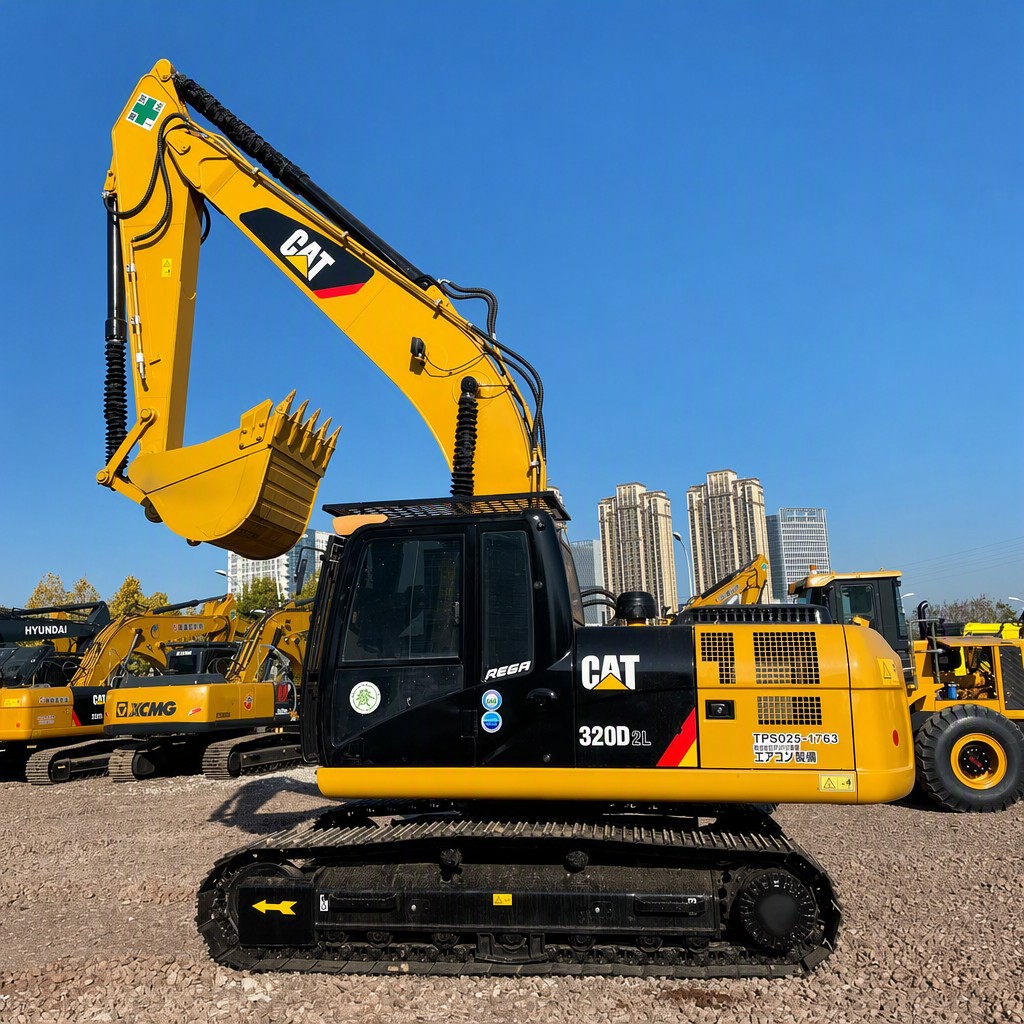
- Mid-Size Excavators (13-25 Tons): The 'Goldilocks' zone. Suitable for most road construction, commercial foundations, and utility trenching. The Caterpillar 320 and Komatsu PC200 remain the benchmarks here.
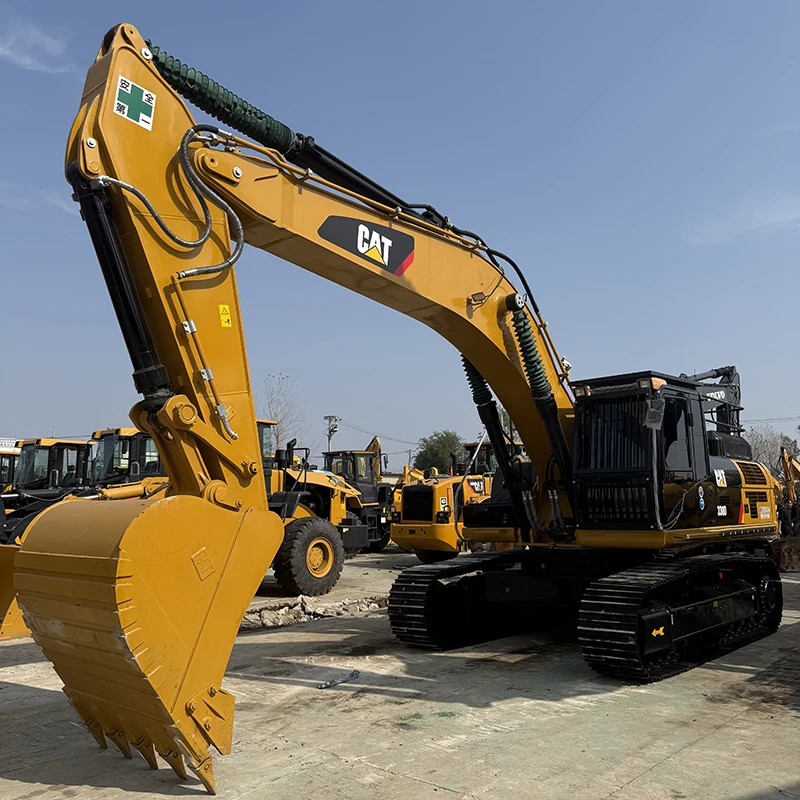
- Large Excavators (30-50+ Tons): Dedicated to mass excavation, quarrying, and heavy infrastructure where bucket capacity (m³) is the primary ROI driver.
2. Reach vs. Breakout Force: The Boom Selection
Your application determines the boom type. A 'suitable' machine for a river dredging project (Long Reach) is completely unsuitable for a rock quarry. Standard booms offer the highest breakout force for tough soil, while long-reach configurations sacrifice force for reach—crucial for deep excavation or slope finishing.
3. Evaluating Hydraulic Suitability for Attachments
Modern construction often requires more than just a bucket. If your project involves demolition, you need a machine suitable for high-pressure hydraulic breakers. Check if the used excavator you are sourcing from HEAVY MACHINERY PRO has auxiliary hydraulic lines pre-installed. This 'Plug-and-Play' capability on A1 units can save you thousands in retrofit costs.
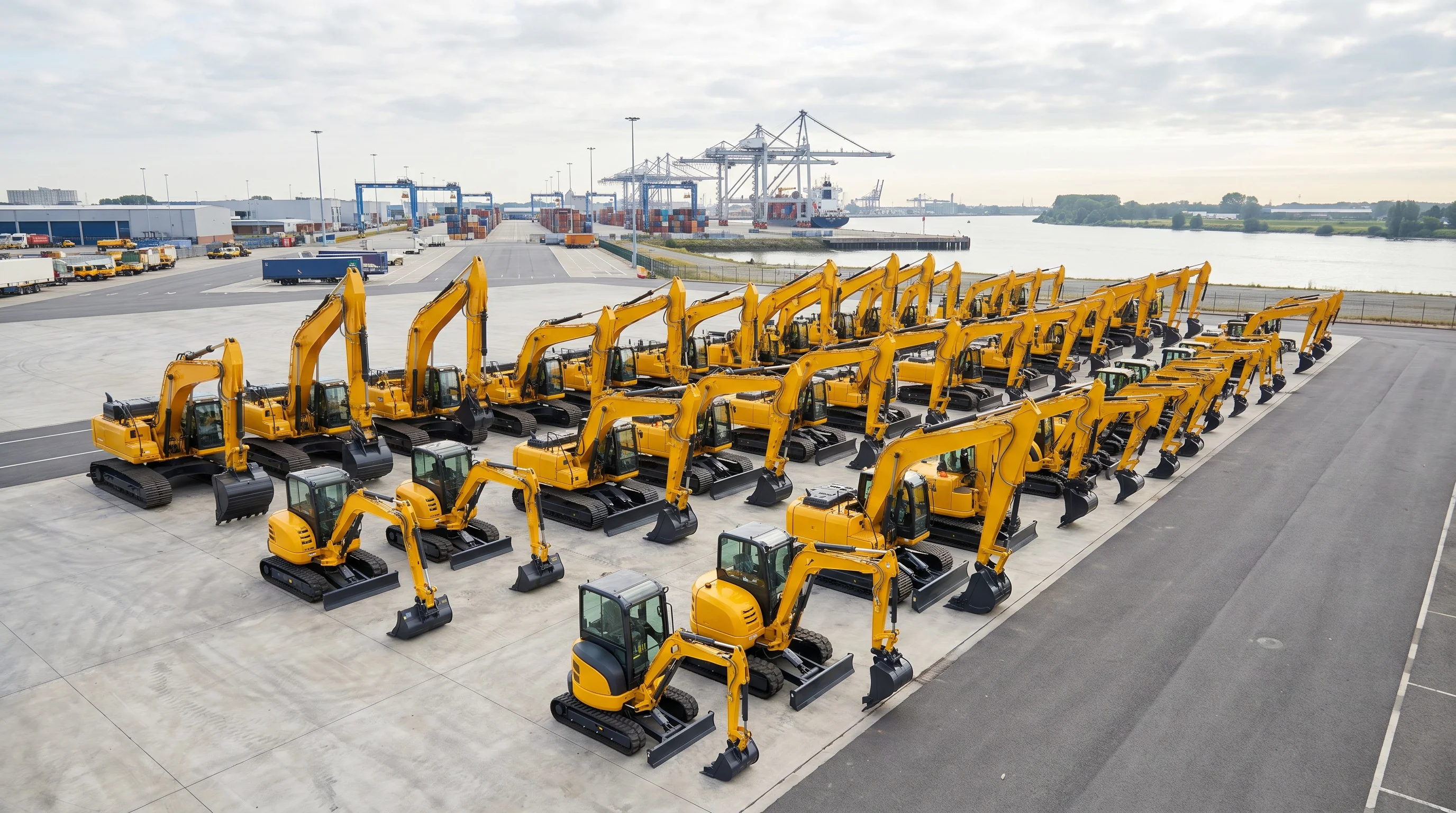
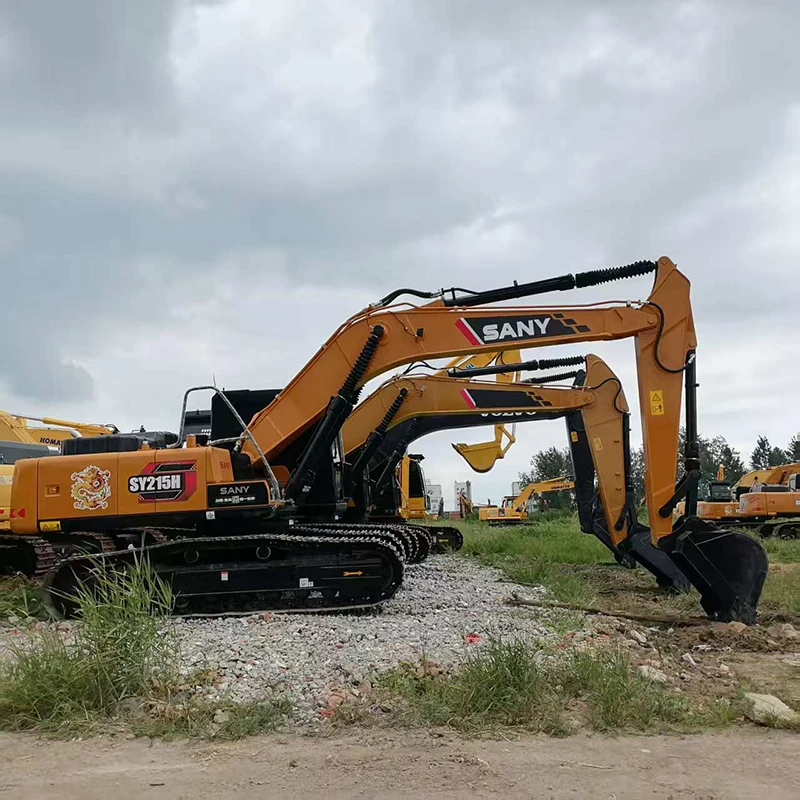
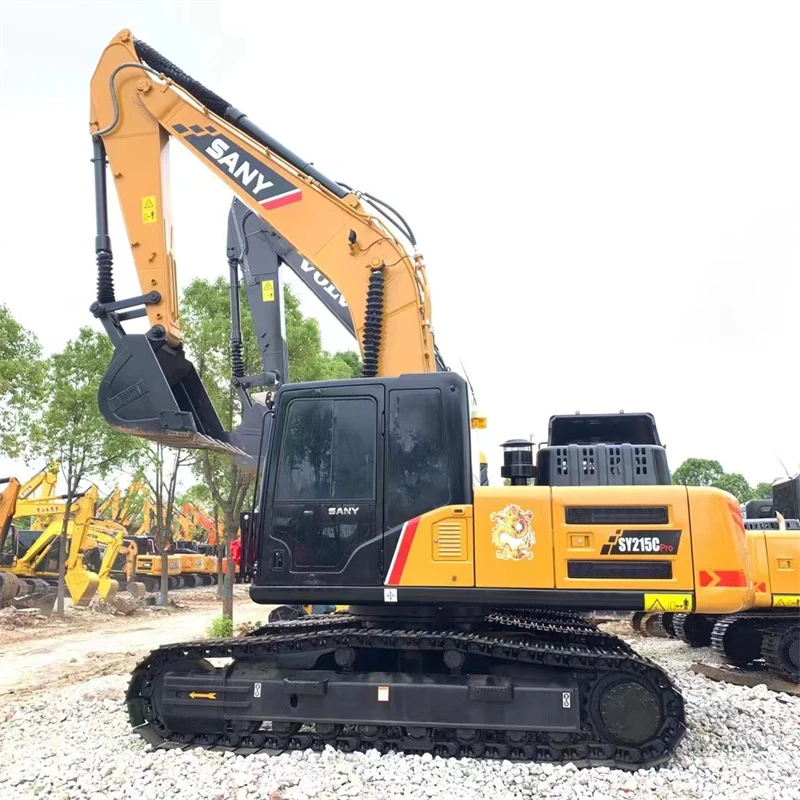
Fig 1: A diverse yard inventory allows buyers to compare different tonnage classes for specific project suitability.
4. Brand Suitability and Local Maintenance Support
Fuel use and production vary with load, attachment, material, operator, altitude, temperature, and machine condition. Request a documented test of the exact unit under stated conditions.
Conclusion: Let Data Drive Your Selection
Don't buy an excavator based on price alone. Evaluate the digging depth, dump height, and local serviceability. At HEAVY MACHINERY PRO, we provide full technical specifications and consultation to help you choose the unit most suitable for your territory's unique construction challenges. Explore our sitemap or contact an expert today to receive a curated list of machines matching your project parameters.
Reading the Service History and Hour Meter Honestly
The hour meter is the first number every buyer checks and the first number every bad listing exaggerates. Verify it against the machine's maintenance records, the undercarriage wear pattern, and the ECM logs where fitted. A machine showing 4,000 hours on the meter with a full new undercarriage and fresh paint has a story that deserves a question.
Ask where the machine worked: units retired from completed project turnovers in China typically carry consistent operating records, while machines that bounced between rental fleets show heavier wear per hour. The inspection file should state the history honestly, because the buyer's cost model depends on the real remaining life of the tracks, pins, and pump.
A Pre-Purchase Data Checklist for Remote Buyers
Buying remotely is standard practice in 2026, and it works when the checklist is followed. Confirm the model, year, and serial number against the manufacturer's records. Compare the specification sheet with the actual machine: operating weight, digging depth, boom configuration, and bucket size. Review the inspection report's measured values. Join the video walk-around. Then request the written CIF quote with the sailing window attached.
Keep the document trail in one folder: inspection file, invoice, contract, packing list, and bill of lading. That folder becomes the customs dossier at the destination port and the reference for the machine's first service. Buyers who follow the checklist consistently report fewer surprises than those who chase the lowest headline price.
Common Mistakes When Choosing a Used Excavator
The recurring mistakes in used excavator selection are consistent across markets. The first is buying on the headline price without comparing the full specification: two listings of the same model can differ in boom configuration, bucket size, and auxiliary hydraulic lines, and those differences decide whether the machine fits the work. The second is skipping the undercarriage measurement, which is the highest single cost item on a used excavator. The third is ignoring transport constraints, where an oversized unit raises freight and handling costs for the life of the purchase.
Finally, buyers commonly skip the documentation check. Confirm before paying that the inspection file, serial records, and export documents name the exact unit you inspected. A machine that arrives with a file that matches it is a purchase; a machine that arrives with a mismatch is a project.