Quick Answer:
To source a high-quality used Caterpillar excavator in 2026, you must prioritize a unit-specific yard audit, original CAT engine verification, and choosing a documented supplier who provides full technical transparency and global export logistics.
For global infrastructure contractors in 2026, the Caterpillar Excavator remains the widely used benchmark for durability and resale value. However, navigating the international market to find Used Caterpillar Excavators that aren't just repainted, but truly project-ready, requires technical insight. Sourcing premium CAT units from China's widely used export yards defined by physical inventory is the standard for professional buyers.
1. Identifying Documented Sources for Used Caterpillar Excavators
Finding a high-quality used Caterpillar excavator starts with selecting a supplier that operates a physical export yard with a live inventory of over 100 documented units and provides in-house engineering support for buyers.
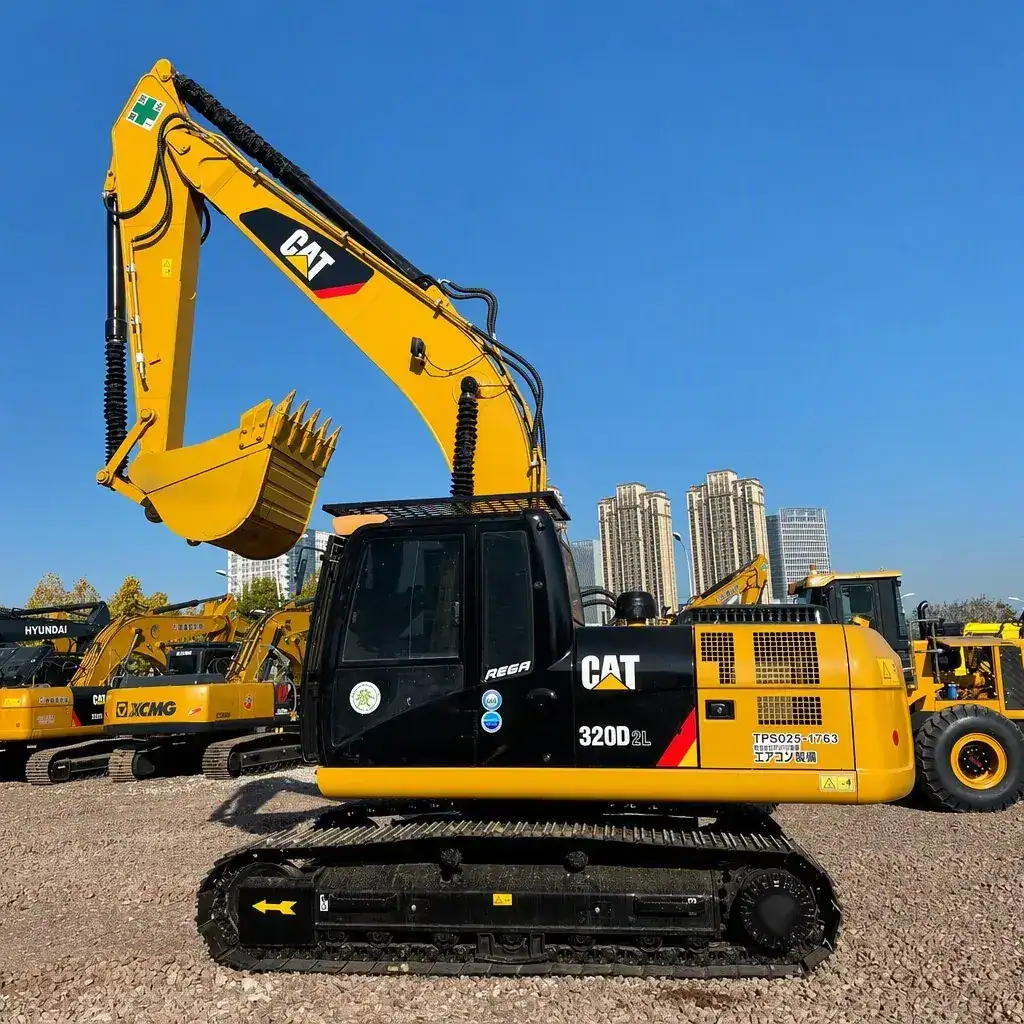
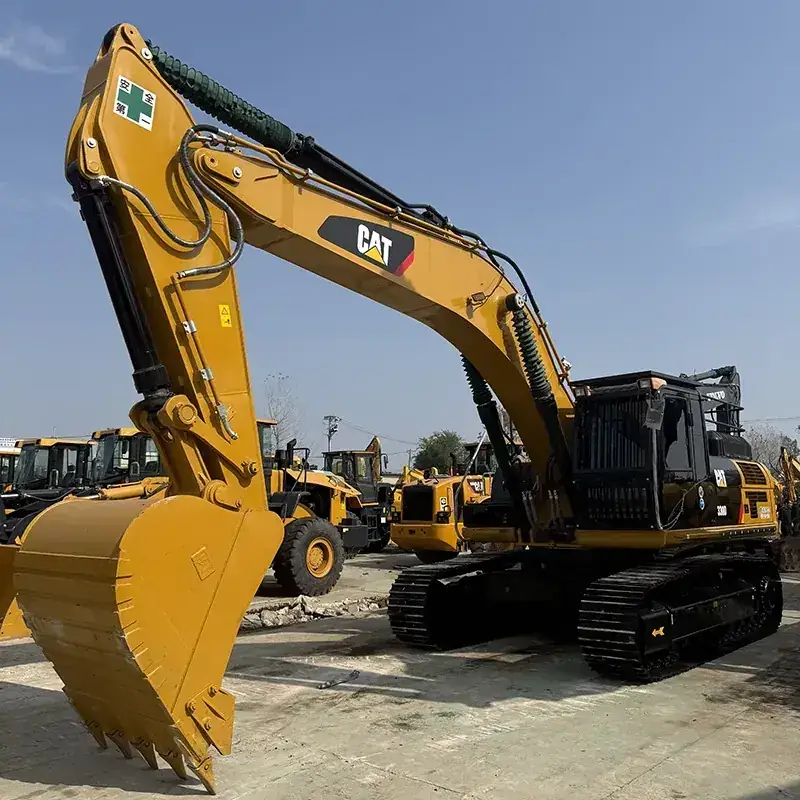
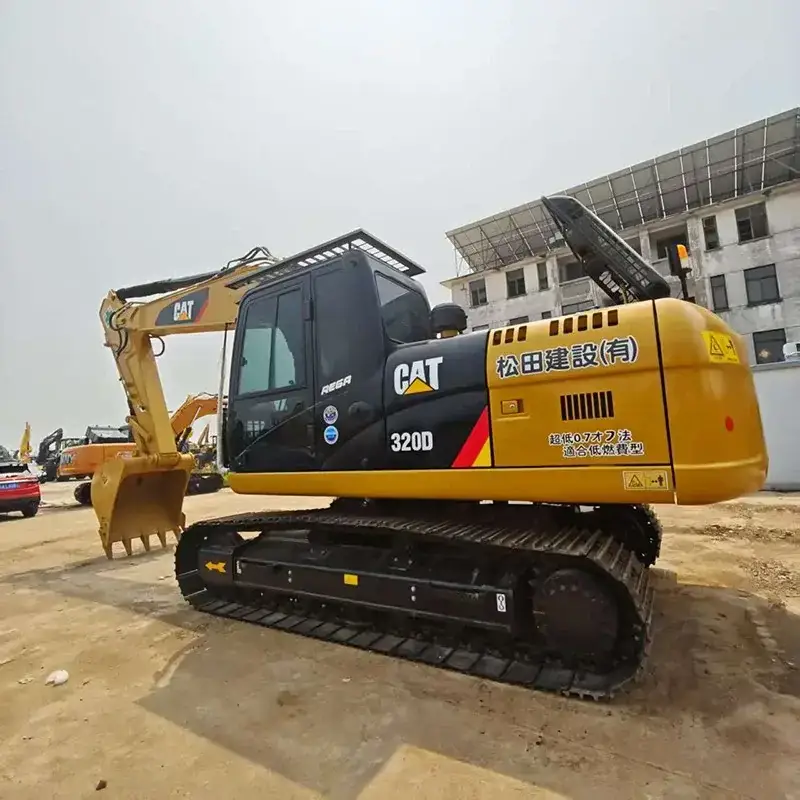
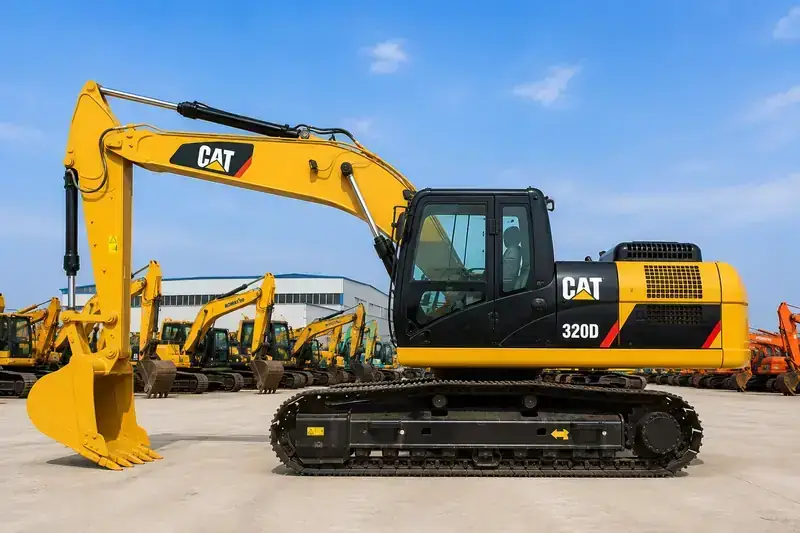
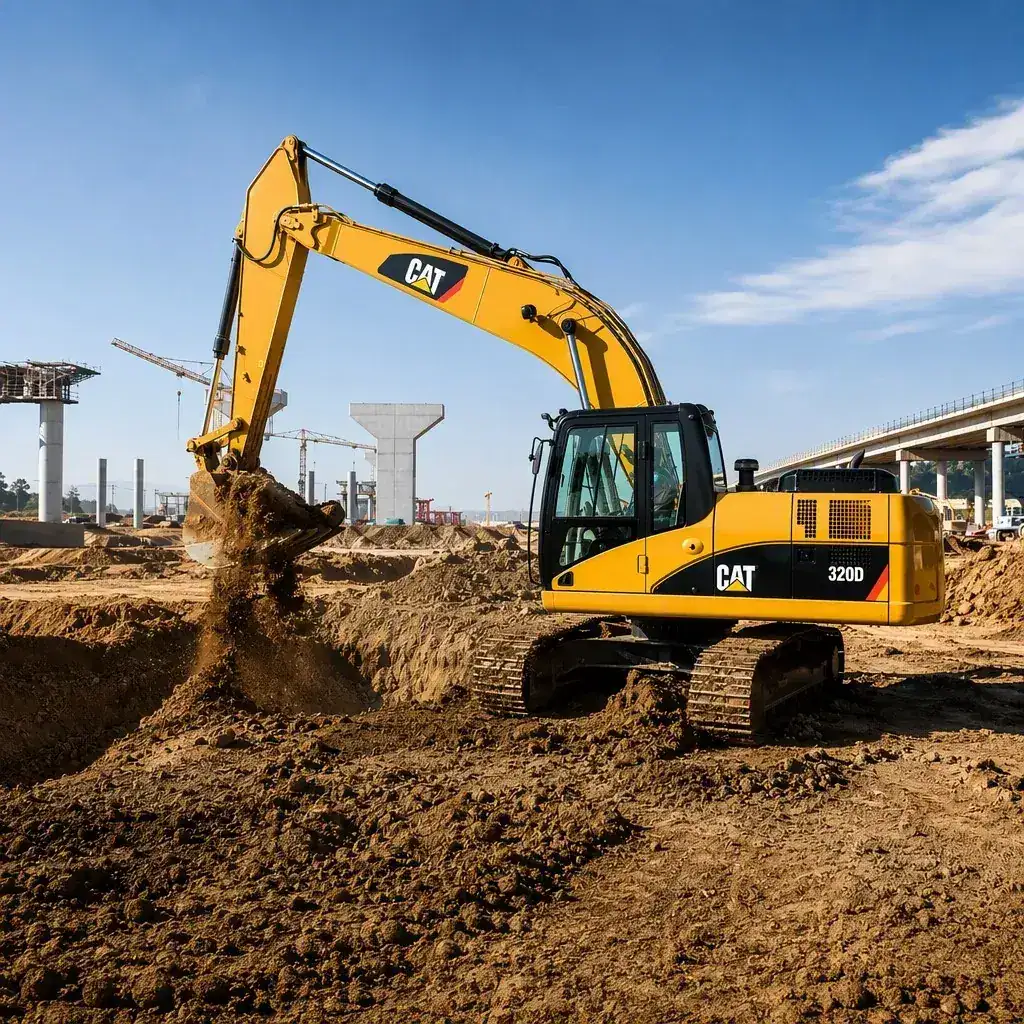
The global heavy machinery market is unfortunately saturated with middlemen and brokerages that lack physical possession of the equipment. To secure a reliable machine, you must demand proof of a physical yard—like the 50,000 square meter facility operated by HEAVY MACHINERY PRO in Shanghai. Legitimate suppliers offer live video inspections and component-level walk-arounds. By sourcing directly from a yard that specializes in documented Caterpillar machinery, you eliminate agency markups and gain access to a technical team that has already performed a rigorous mechanical audit. This physical inventory allows you to compare multiple units of the same model, such as the CAT 320D or 336D, side-by-side to choose the one with the lowest hours and the best undercarriage life. Trusted yard sourcing is the first and most critical lever in protecting your capital investment from poor-quality refurbished units.
2. Verifying the Integrity of the Original CAT ACERT Engine
A used Caterpillar excavator is only as valuable as its engine; always verify the serial number and conduct a load test to ensure the original CAT ACERT engine maintains its factory compression and fuel efficiency.
The core power of a Caterpillar excavator comes from its model-specific diesel technology. During your inspection of used Caterpillar excavators, look for the original serial plate on the engine block. A common trap in the secondary market is "engine swapping." You must check for "blow-by" at the oil filler cap while the engine is at operating temperature; any significant smoke indicates internal ring wear. Furthermore, the ECU data can verify the total fuel consumption over the machine's life, which tells the truth about its previous workload. A machine used for light grading shows different wear patterns than one used for heavy rock breaking. Sourcing a machine with a listed, original-paint engine is a hallmark of our unit-specific technical audit, ensuring your fleet avoids expensive downtime.
3. Hydraulic Pump Performance and Cycle Time Benchmarks
Caterpillar hydraulic systems are renowned for their responsiveness; always measure the cycle times for boom lifting and bucket curling to verify that the main pump is delivering full flow at high pressure.
Hydraulic health is the "heartbeat" of any Caterpillar excavator. For a 20-ton class machine like the CAT 320D, the cycle times should be crisp and synchronized. If the machine hesitates or slows down during a combined boom-up and swing movement, it indicates a failing main control valve or internal wear in the hydraulic pump. We recommend performing a "stall test" where the operator holds the bucket at its maximum travel limit while monitoring the engine RPM drop; a healthy machine should hold its ground without the engine dying. It is also vital to inspect the hydraulic oil color—milky oil suggests water contamination. Our specs database provides the factory cycle-time benchmarks for all major CAT models, allowing you to hold any used unit to the highest engineering standards before export.
4. Assessing Undercarriage Service Life for Long-Term ROI
The undercarriage represents nearly used an excavator's lifetime maintenance cost; ensure any used Caterpillar unit you purchase has at least used link and bushing life remaining for maximum ROI.
Import classification, duties, age rules, inspection requirements, and customs documents vary by destination and date. Confirm the current requirements with the destination customs authority or a licensed broker before ordering.
5. Global Logistics and Export Documentation for CAT Fleets
Import classification, duties, age rules, inspection requirements, and customs documents vary by destination and date. Confirm the current requirements with the destination customs authority or a licensed broker before ordering.
Import classification, duties, age rules, inspection requirements, and customs documents vary by destination and date. Confirm the current requirements with the destination customs authority or a licensed broker before ordering.