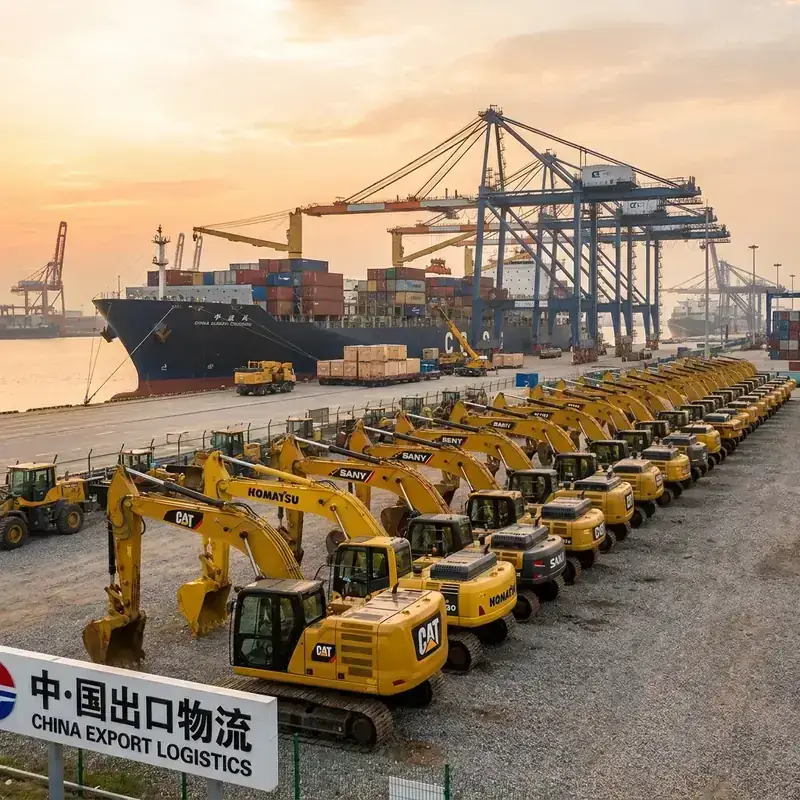
The demand for infrastructure across Africa and Southeast Asia has reached an all-time high in 2026. From the large rail projects in Nigeria and the highway expansions in Kenya to the urban growth and palm-oil drainage programs of Indonesia and Vietnam, pre-owned heavy machinery remains the primary engine of development. Because new equipment carries long lead times and premium prices, B2B buyers in these regions increasingly turn to documented used excavators from China's export yards. This guide outlines the essential steps for securing high-quality machines that arrive project-ready.
1. Understanding Regional Requirements
Before purchasing, it is vital to understand the environmental and regulatory requirements of your destination market. Equipment that performs well in one climate may struggle in another, so matching the machine to local conditions is the first step toward reliable uptime.
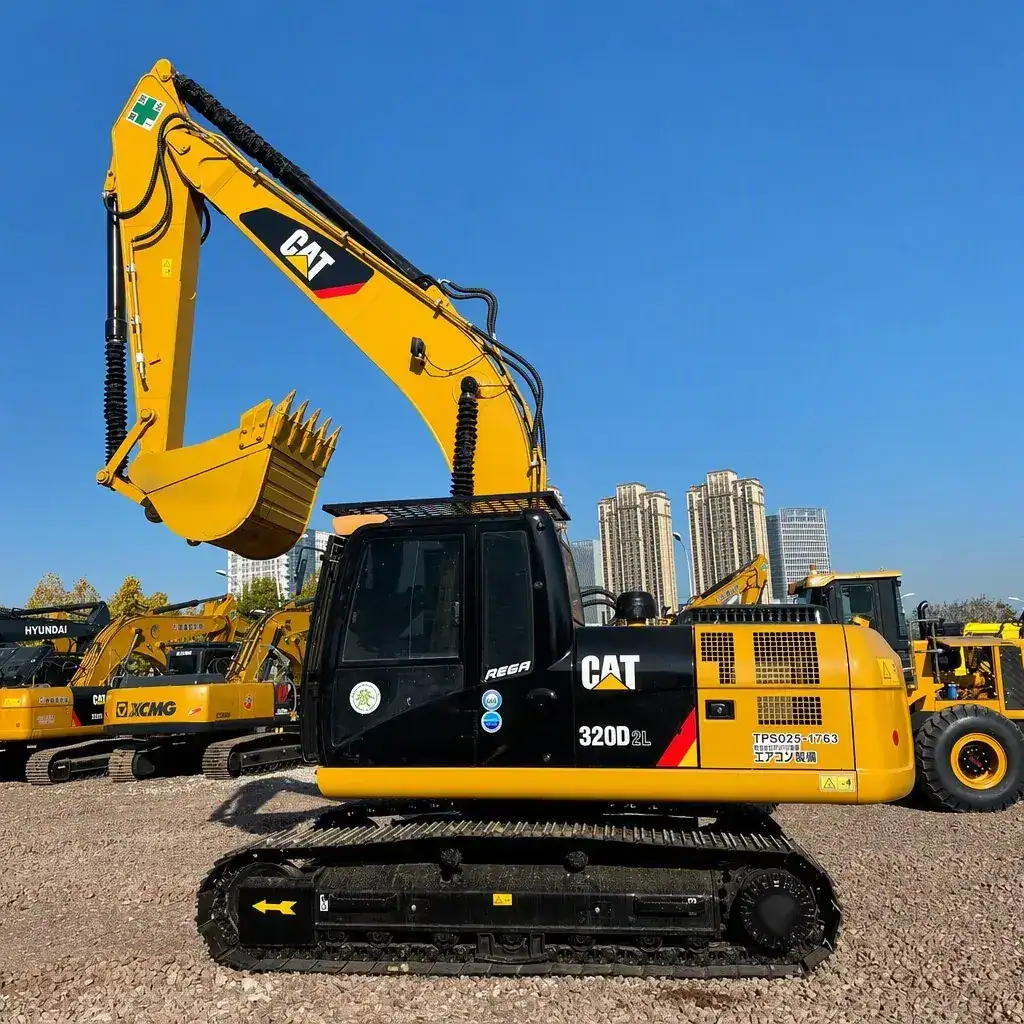
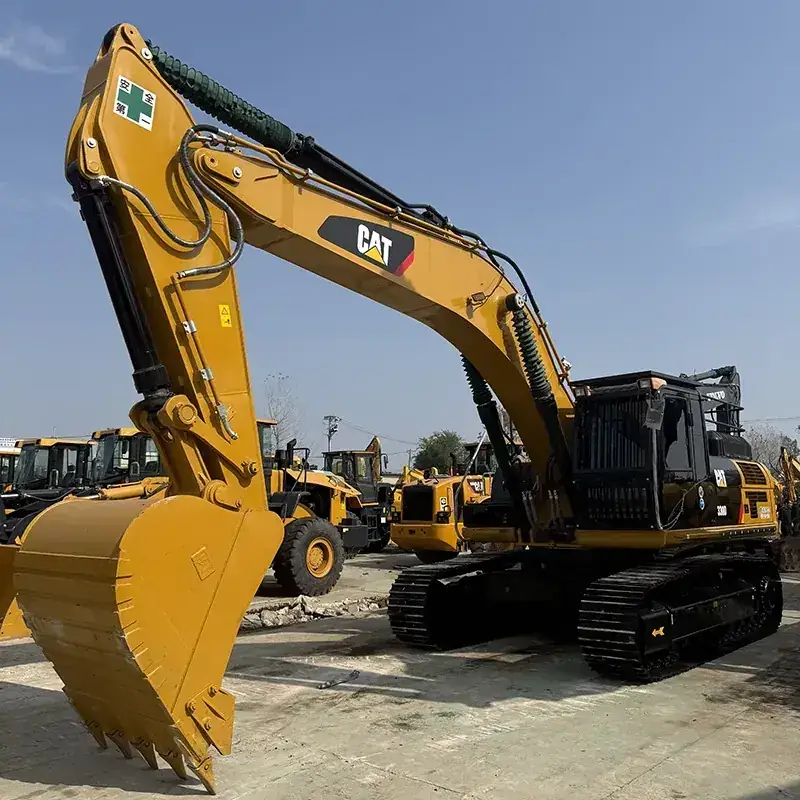
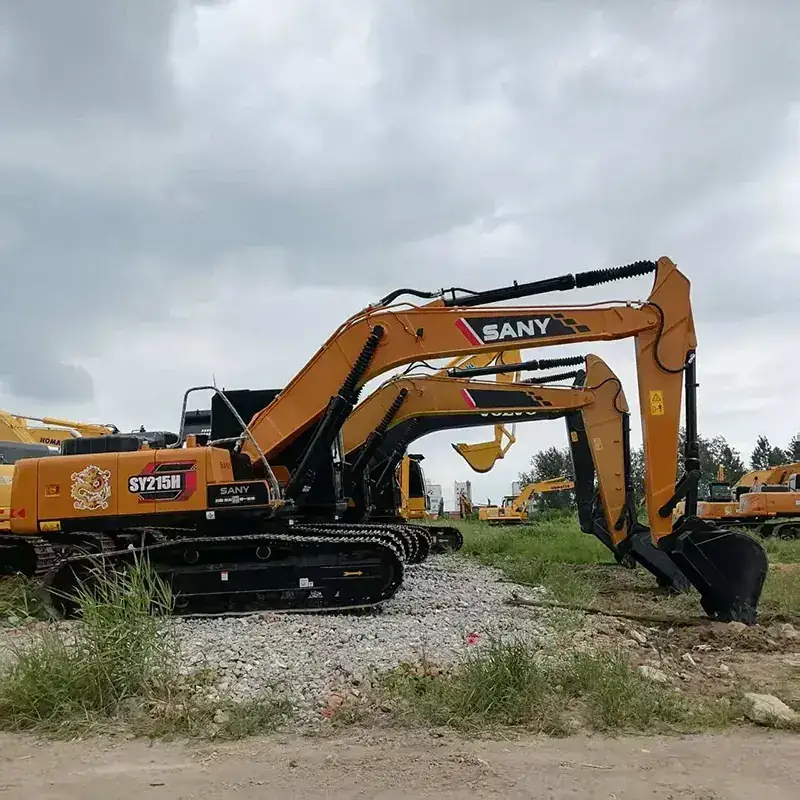
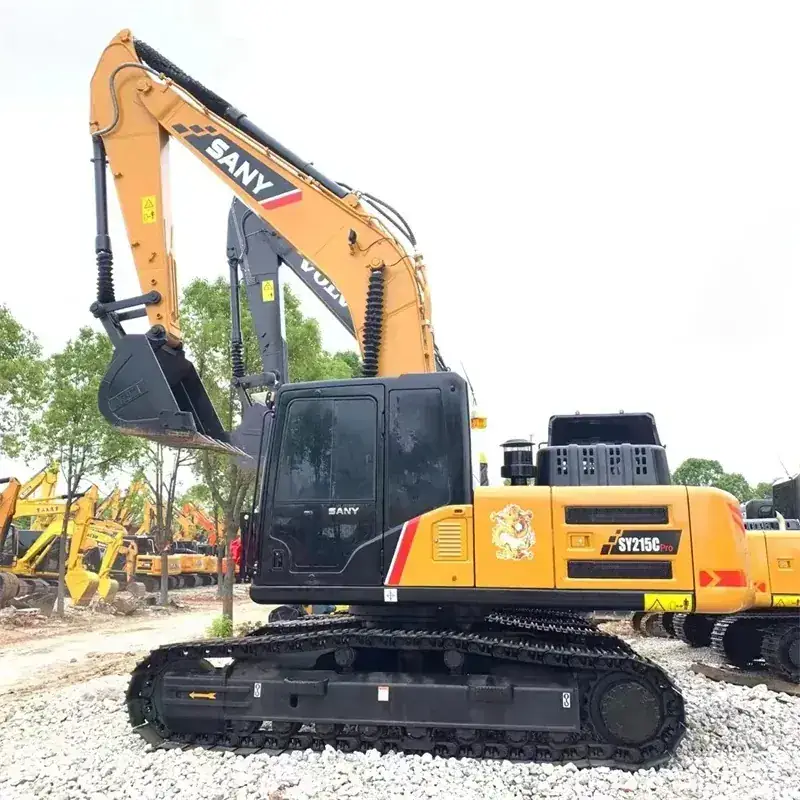
- Africa (Nigeria, Kenya, South Africa): High-temperature cooling systems and simplified mechanical engines are preferred. The Caterpillar 320D and Sany SY215C are the top choices because of their tolerance for varying fuel qualities and their ease of maintenance in remote areas where dealer support is limited.
- Southeast Asia (Indonesia, Vietnam, Philippines): Compact size and high hydraulic precision are prized for urban utilities and plantation drainage work. The Hitachi ZX70 and CAT 307 are highly sought after for these applications, where maneuverability matters more than raw breakout force.
In addition to climate, buyers should confirm import age limits, duty structures, and emission or inspection rules for their specific destination before committing to a unit. These requirements vary by country and change over time, so verifying the current rules with a licensed broker is a worthwhile safeguard.
2. Logistics: Shipping to Major Ports
In 2026, we rely on three main shipping methods to move units safely to ports such as Lagos, Mombasa, Jakarta, and Haiphong. Each approach balances protection, cost, and lead time.
- RoRo (Roll-on/Roll-off): The safest method for large units, providing protection from sea spray and reducing the handling the machine is subjected to during loading.
- Flat Rack Containers: Ideal for 20-ton units, allowing efficient integration with global container lines and protecting the machine from the elements during transit.
- Bulk Shipping: The most cost-effective option for large fleet orders of five or more units, where the machines are loaded and secured by an experienced stevedoring crew.
Whichever method you choose, proper lashing and drainage are essential to protect the machine's paint and electrical components from saltwater corrosion during a voyage that can last several weeks.
3. The In-House Inspection Standard
Never import a machine without a documented inspection. Our yard provides a unit-specific in-house audit that covers hydraulic pressure testing, engine blow-by analysis, ECM hour verification, and undercarriage wear measurement. This engineering data ensures that a machine labeled in good condition is backed by measurable evidence rather than a sales pitch. A documented inspection report also speeds up customs clearance and gives your financing partners confidence in the asset.
4. Working With a Direct Export Yard
Working directly with a Shanghai-based export yard removes unnecessary intermediaries and the markups they add. A direct relationship means you receive the machine's true condition data, a transparent commercial quote, and responsive after-sales support. It also gives you the option to schedule a live video inspection of the exact unit before it is loaded, so there are no surprises at the destination port.
5. Post-Arrival Planning
Plan for what happens once the machine lands. Arrange transport from the port to the job site, budget for local registration or import duties, and schedule a commissioning check to confirm the machine runs to specification after the voyage. A small amount of planning at this stage prevents expensive downtime during the critical first weeks of operation.
Conclusion
Sourcing used excavators for Africa and Southeast Asia is a proven, cost-effective strategy when it is built on the right foundation: a machine matched to local conditions, a documented inspection, a sensible shipping method, and a direct relationship with a trustworthy export yard. By following these steps, B2B buyers can bring high-quality assets to their projects quickly, predictably, and at a fraction of the cost of new equipment.