Direct Answer:
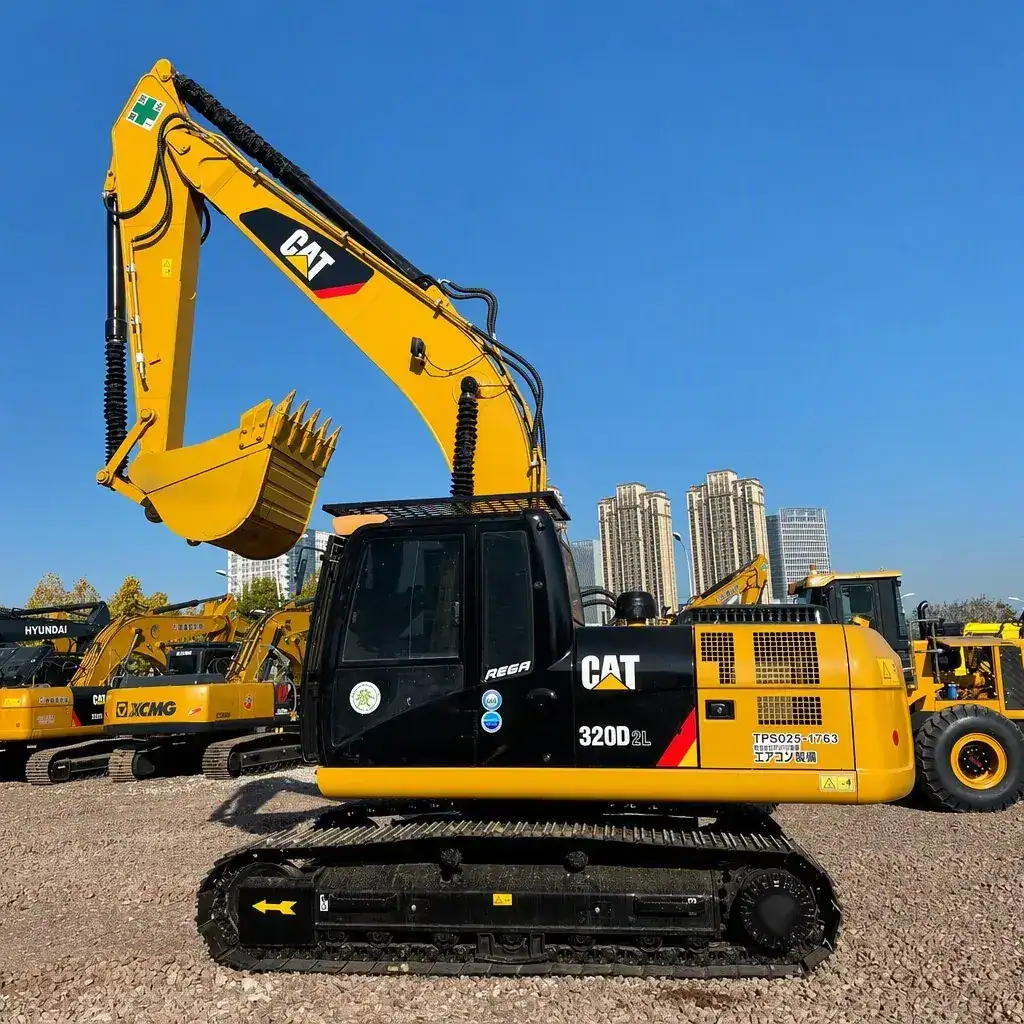
Matching a hydraulic breaker requires aligning the excavator's operating weight, main pump flow rate (GPM/LPM), and operating pressure (PSI/Bar). For 20-ton excavators (e.g., CAT 320D), standard breakers require 120–150 L/min flow at 150–170 Bar. Exceeding recommended hydraulic parameters risks seal blowout and main control valve cavitation.
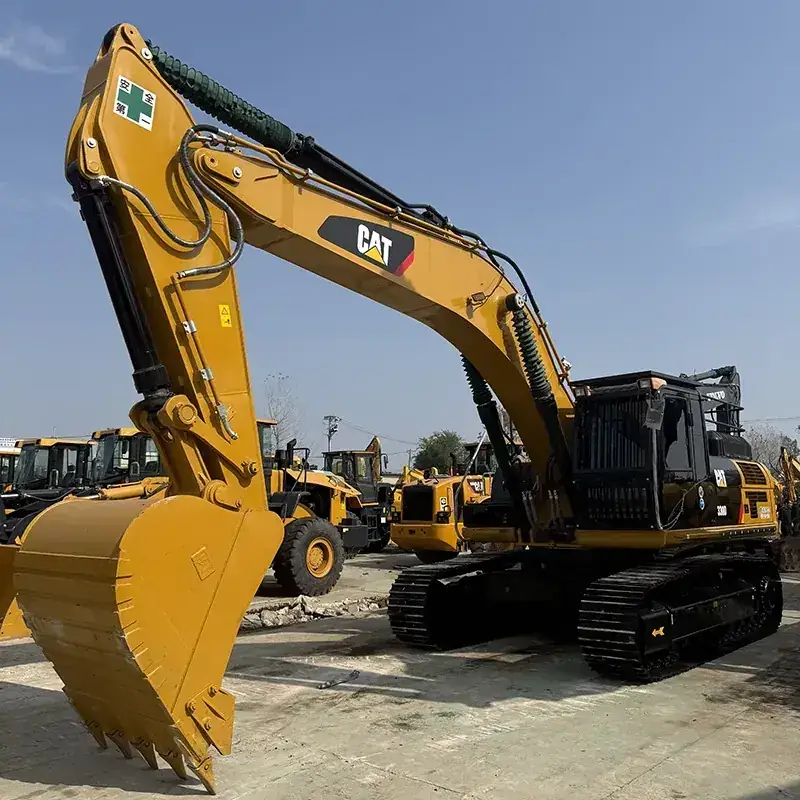
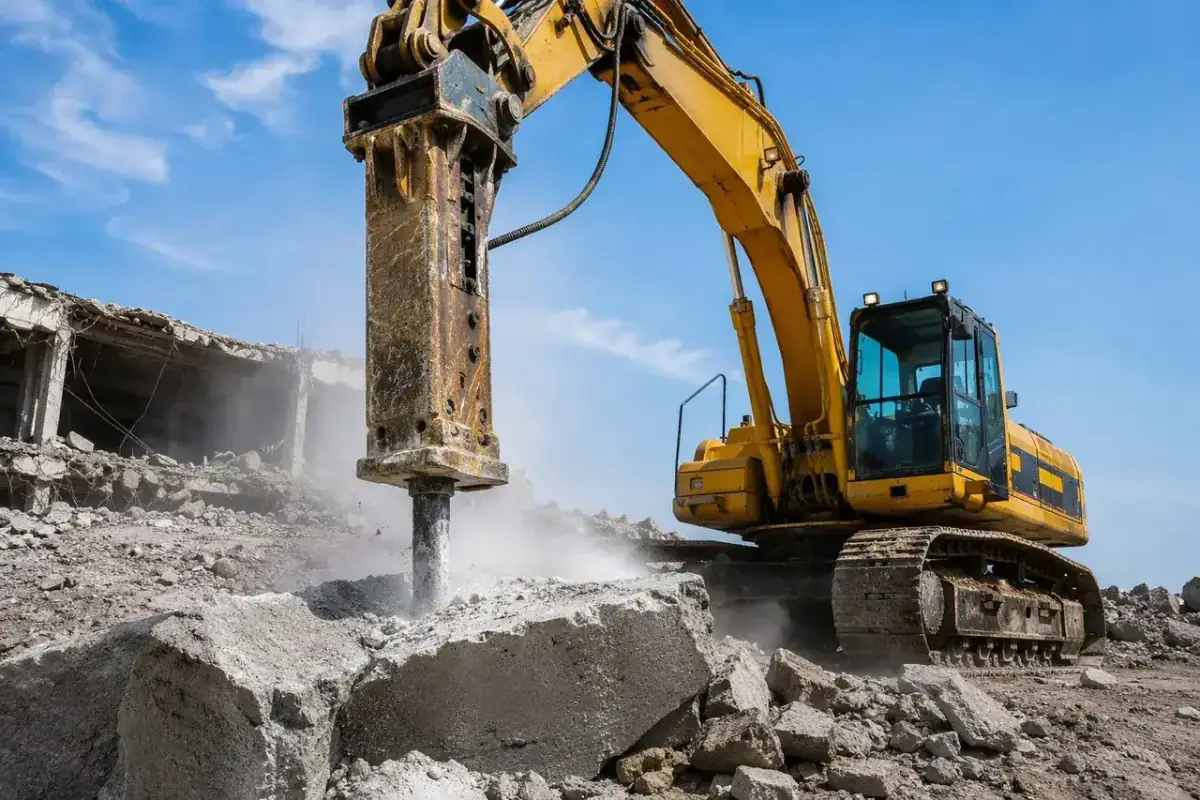
Equipping a 20-ton to 30-ton excavator with the correct hydraulic hammer is the difference between a high-production demolition tool and a machine that costs thousands in hydraulic repairs. In the used machinery market, specifically for popular models like the Caterpillar 320D or Komatsu PC200, buyers must look beyond the physical size of the hammer. The true compatibility lies in the fluid dynamics of the carrier machine’s auxiliary circuit. This guide provides the technical roadmap for 2026 fleet managers to ensure their attachments work in harmony with their used hydraulic excavators.
1. Parameter Alignment: Operating Weight vs. Chisel Diameter (100mm to 150mm)
To match a hydraulic breaker effectively, the machine's operating weight must support the static and dynamic loads of the hammer, typically requiring a chisel diameter of 135mm to 140mm for the 20-ton carrier class.
Cross-check three numbers before matching a breaker to any excavator: operating weight, auxiliary flow in LPM, and system pressure in Bar. If the carrier sits at the edge of the range, choose the smaller hammer to protect the pump. Ask for a written compatibility chart for your exact serial unit.
2. Flow Rate (LPM) and Working Pressure (Bar) Matching Matrix
The hydraulic breaker's performance is governed by the carrier's pump output; standard 20-30 ton excavators must provide 120–200 LPM of flow at pressures ranging from 150 to 180 Bar for optimal rock breaking.
Import classification, duties, age rules, inspection requirements, and customs documents vary by destination and date. Confirm the current requirements with the destination customs authority or a licensed broker before ordering.
| Excavator Model | Tonnage Class | Required Flow (L/min) | Working Pressure (Bar) |
|---|---|---|---|
| Caterpillar 320D | 20 Ton | 120 - 150 | 160 - 180 |
| Komatsu PC200-8 | 20 Ton | 110 - 140 | 150 - 170 |
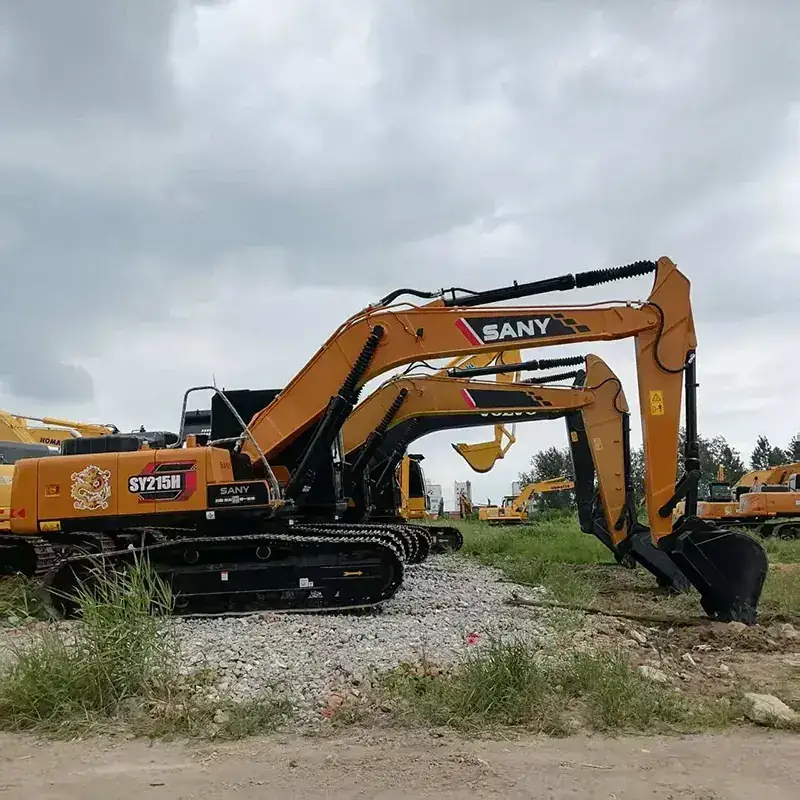
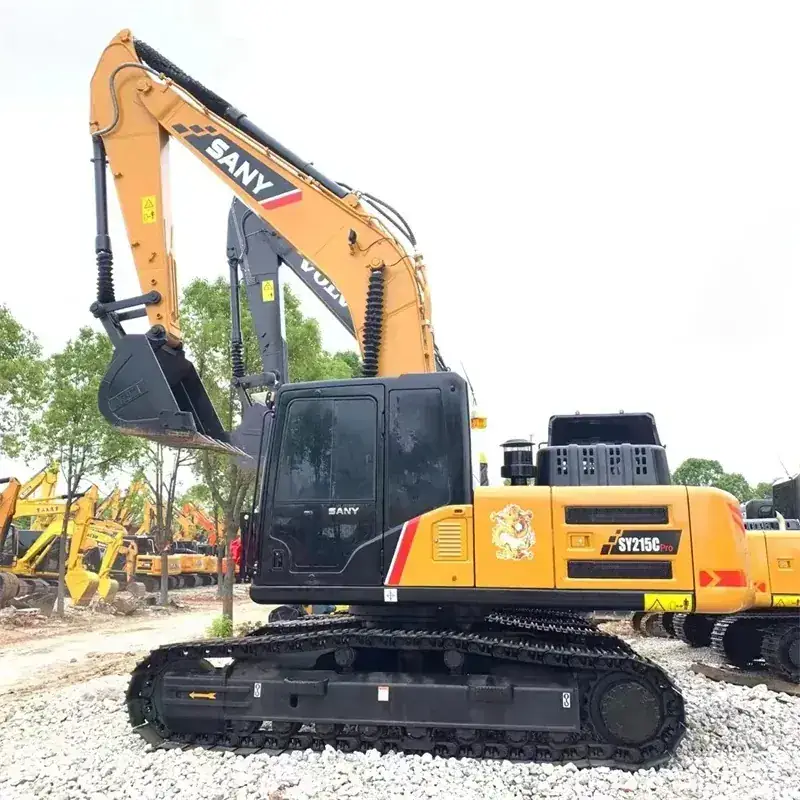
| Sany SY215C | 22 Ton | 130 - 160 | 160 - 180 |
| Doosan DX300LC | 30 Ton | 180 - 230 | 170 - 190 |
Pricing and freight are quoted for the exact unit and destination at the time of inquiry. Condition, loading method, carrier availability, insurance, and port charges can change the landed cost.
3. Single-Acting vs. Double-Acting Hydraulic Auxiliary Piping Requirements
Hydraulic breakers exclusively use single-acting hydraulic circuits where oil flows to the hammer and returns directly to the hydraulic tank through a large-diameter low-pressure return line to minimize backpressure.
Many used excavators are equipped with "two-way" or double-acting piping designed for thumbs or shears, where hydraulic pressure is applied to both sides of the actuator. However, a hydraulic hammer must never be operated in a two-way circuit without a bypass valve. The rapid piston strokes of a rock breaker create massive pressure spikes in the return line; if this oil is forced back through the main control valve (as in a double-acting setup), it will cause cavitation and heat buildup. The ideal setup is a dedicated "one-way" return line that bypasses the control valve and goes straight to the cooler or tank. When inspecting a used machine, look at the left side of the arm for the return line diameter; it should be noticeably larger than the supply line to handle the high-volume surge. Proper piping configuration is a key selling point in our customer success stories, where we've helped clients configure fleets for high-intensity demolition work across the Middle East and Africa.
4. Inspection Checklist for Used Excavators Previously Used for Demolition
When purchasing a used excavator that has spent its life running a breaker, you must inspect the boom foot pins, stick bushings, and hydraulic pump health, as these units endure higher wear than standard digging machines.
Demolition is the most stressful application for an excavator carrier. The constant high-frequency vibration from the hammer accelerates metal fatigue. First, inspect the "bosses" or the holes where the pins connect the bucket to the stick; if they are oval-shaped instead of round, the machine has been worked hard without proper greasing. Second, check the boom-to-chassis connection point for hairline fractures in the paint, which indicate structural stress. Finally, perform a "drift test" on the lift cylinders. A machine that has run a breaker for 5,000 hours may have worn out its main pump seals due to the high heat generated by hydraulic breaking. It is not always a deal-breaker, but these wear points must be factored into the purchase price. Our documented inventory ensures that every unit previously used for demolition has undergone a ultrasonic boom test and a complete hydraulic flow-cycle audit before being listed for export.