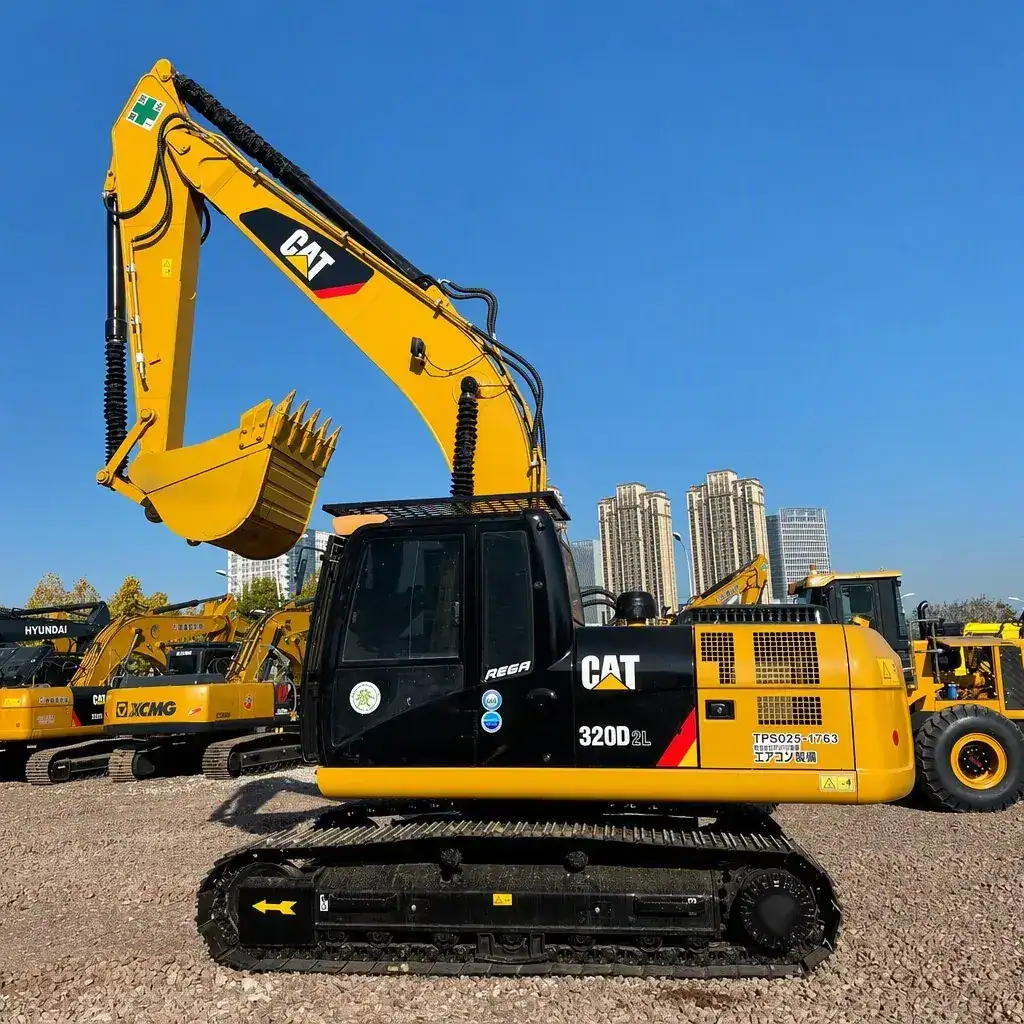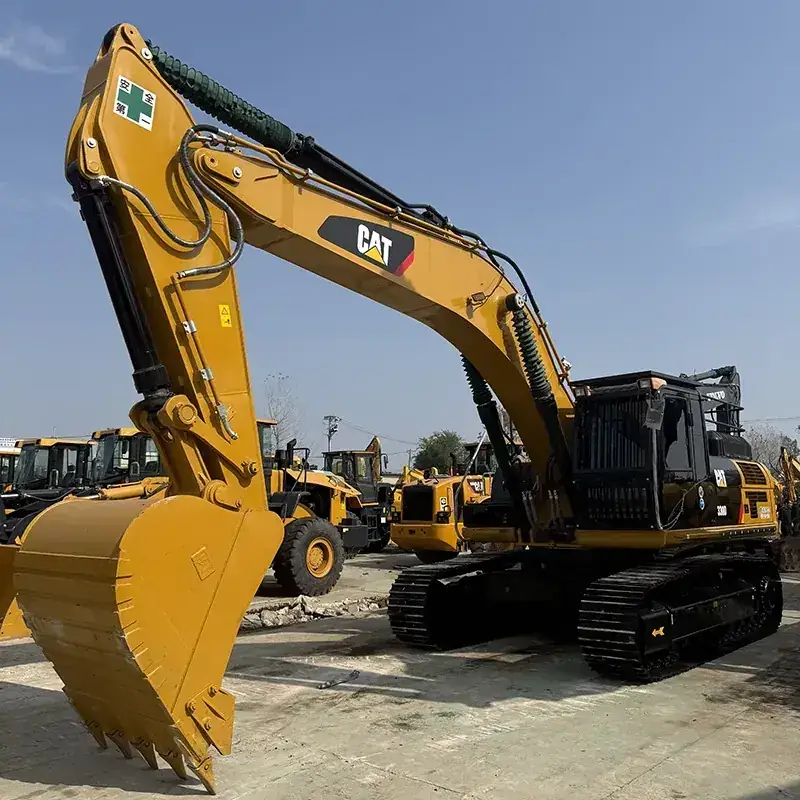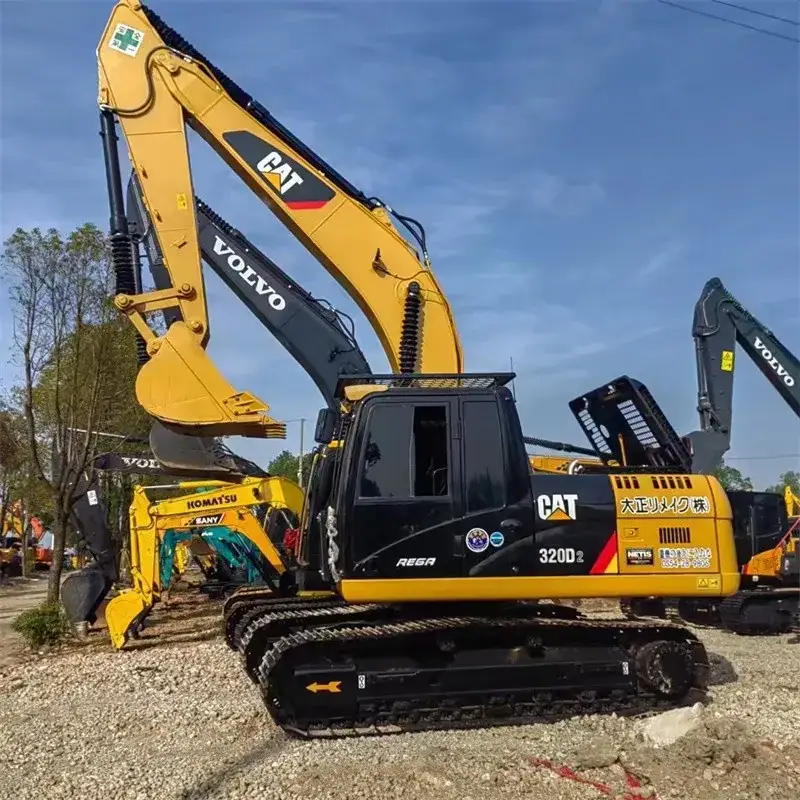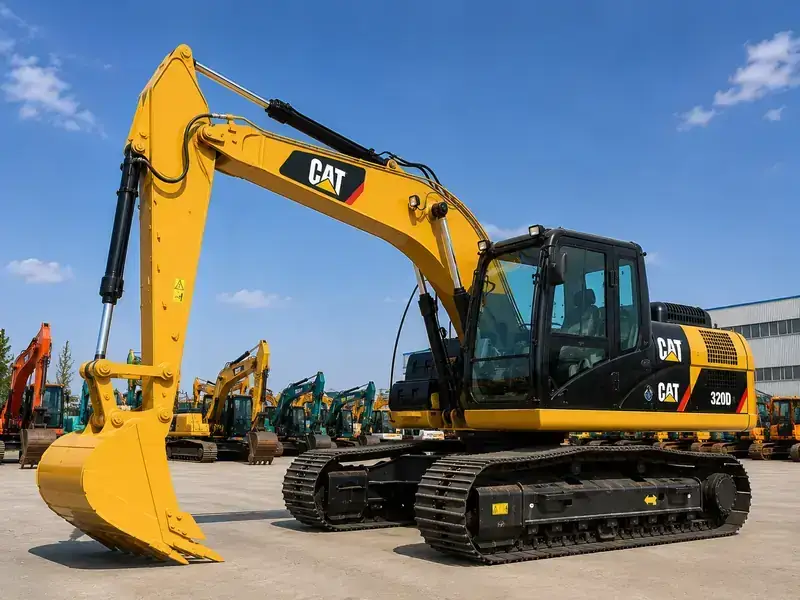
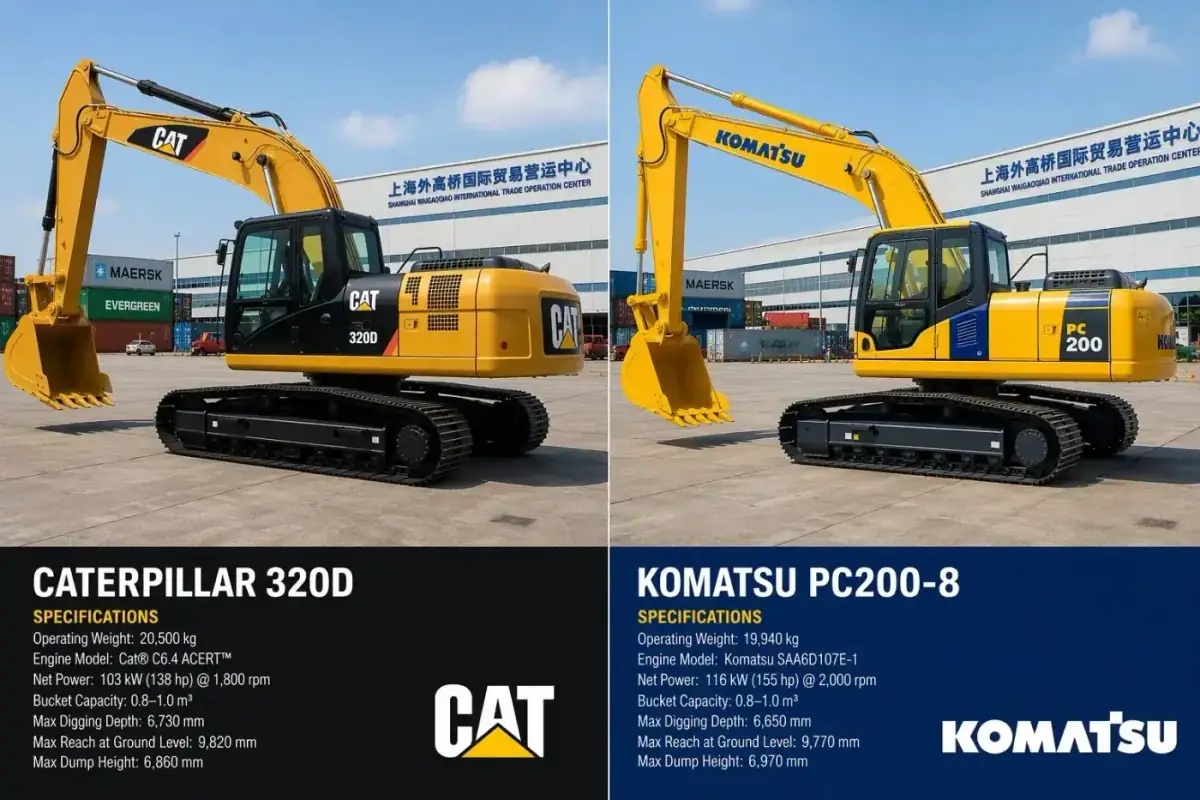
Direct answer: A used CAT 320D2L and a used Komatsu PC210 can both suit common 20-ton excavation work. The purchase decision should be based on the exact machine's configuration, service history, hydraulic response, undercarriage wear, parts path and complete landed cost—not on brand reputation alone.
Quick comparison
Use CAT 320D2L and Komatsu PC210 as shortlist labels, then compare the exact serial/PIN, operating hours, configuration, hydraulics, undercarriage, records, attachments and destination support. A well-documented unit with a clear inspection file is usually a better buy than a cleaner-looking unit with missing evidence.
1. Match the excavator to the job
For trenching, general earthmoving, road work and site preparation, the 20-ton class is popular because it balances reach, transport and productivity. Confirm required digging depth, bucket size, lift chart, transport width, soil conditions and attachments before comparing used 20 ton excavators for sale.
2. Compare condition, not just specifications
Request a serial/PIN plate, engine plate, hour meter, service records and dated photos. Ask for an uncut cold start and warm tests of boom, arm, bucket, swing and travel. Inspect hoses, cylinder rods, leaks, pin and bushing play, swing bearing, final drives and the full undercarriage. The same identifier must appear in the report and shipping file.
3. CAT 320D2L buyer questions
For a used CAT 320D2L for sale, ask which engine and hydraulic configuration is present, whether the machine has been repainted or structurally repaired, and whether diagnostic or dealer records are available. Confirm routine filter references and local parts access using the serial, not only the model badge. Review the Caterpillar inventory for current units.
4. Komatsu PC210 buyer questions
For a used Komatsu PC210, verify the exact series, engine, pump response, travel balance, swing behavior and undercarriage condition. Ask about previous quarry, mining or demolition work, attachment changes and maintenance records. Use the Komatsu inventory to compare current evidence files.
5. Build a commercial comparison sheet
Record equipment-only, FOB and CIF prices, quotation validity, freight assumptions, insurance, inspection, destination charges, duties, taxes, inland delivery and initial service. Keep the comparison unit-specific; two machines with the same model name can have different hours, repairs and attachments.
Decision checklist
- Job requirements and required 20-ton configuration.
- Readable serial/PIN, engine plate and hour-meter evidence.
- Cold-start, hydraulic, swing and travel video.
- Undercarriage, joints, final drives, leaks and service records.
- Parts path and support in the destination country.
- Written equipment-only, FOB or CIF scope and landed-cost estimate.
Conclusion
The right comparison is not CAT versus Komatsu in the abstract. It is one verified CAT 320D2L against one verified PC210 with transparent evidence and export terms. Request current photos, inspection material and a destination-specific quotation before selecting the unit.