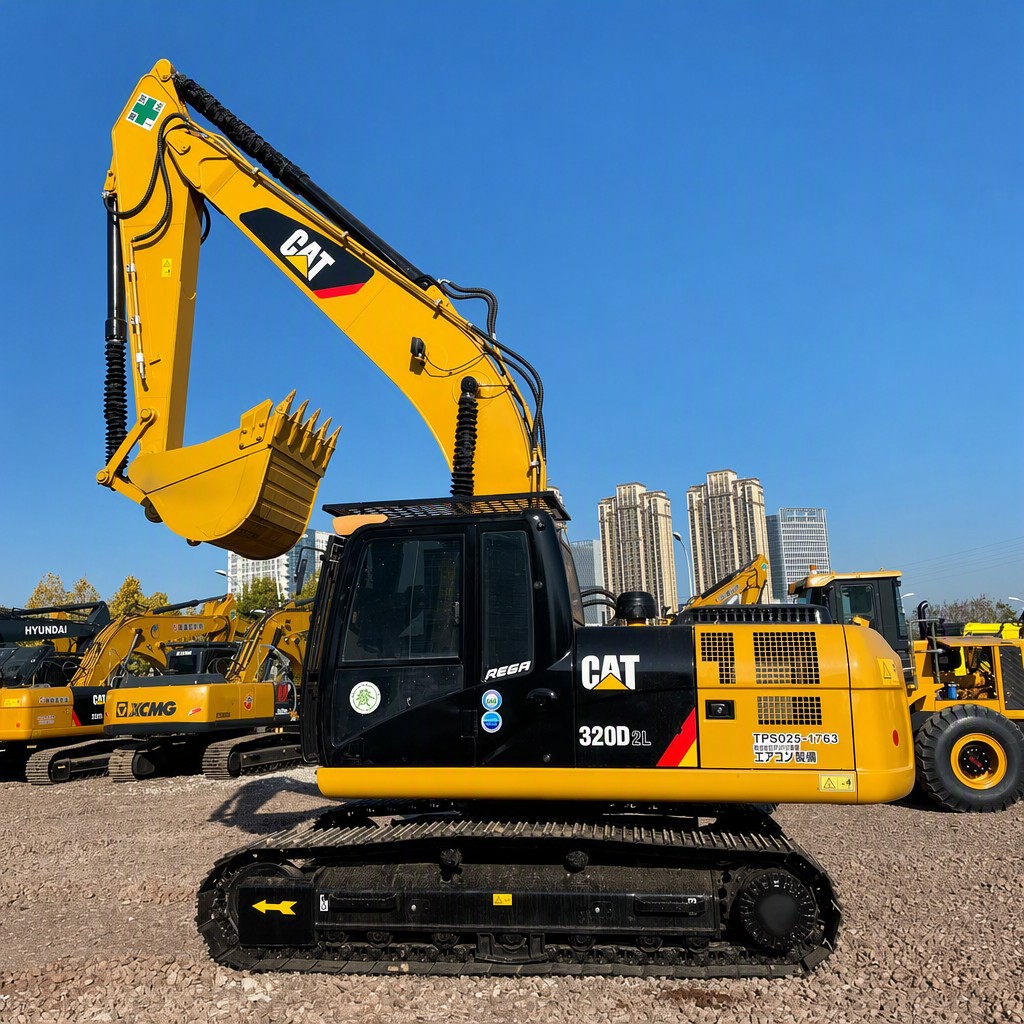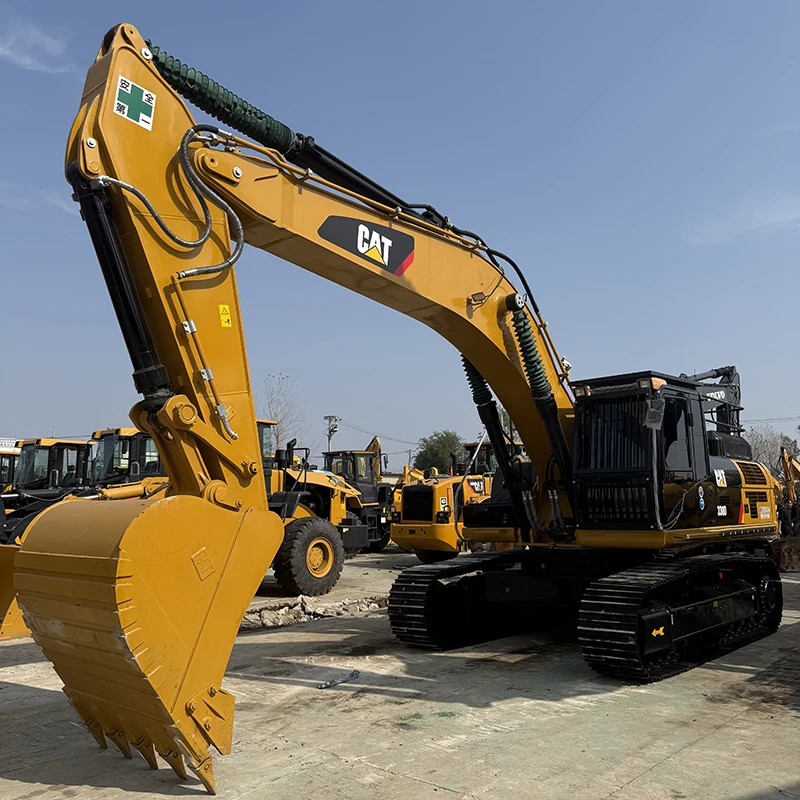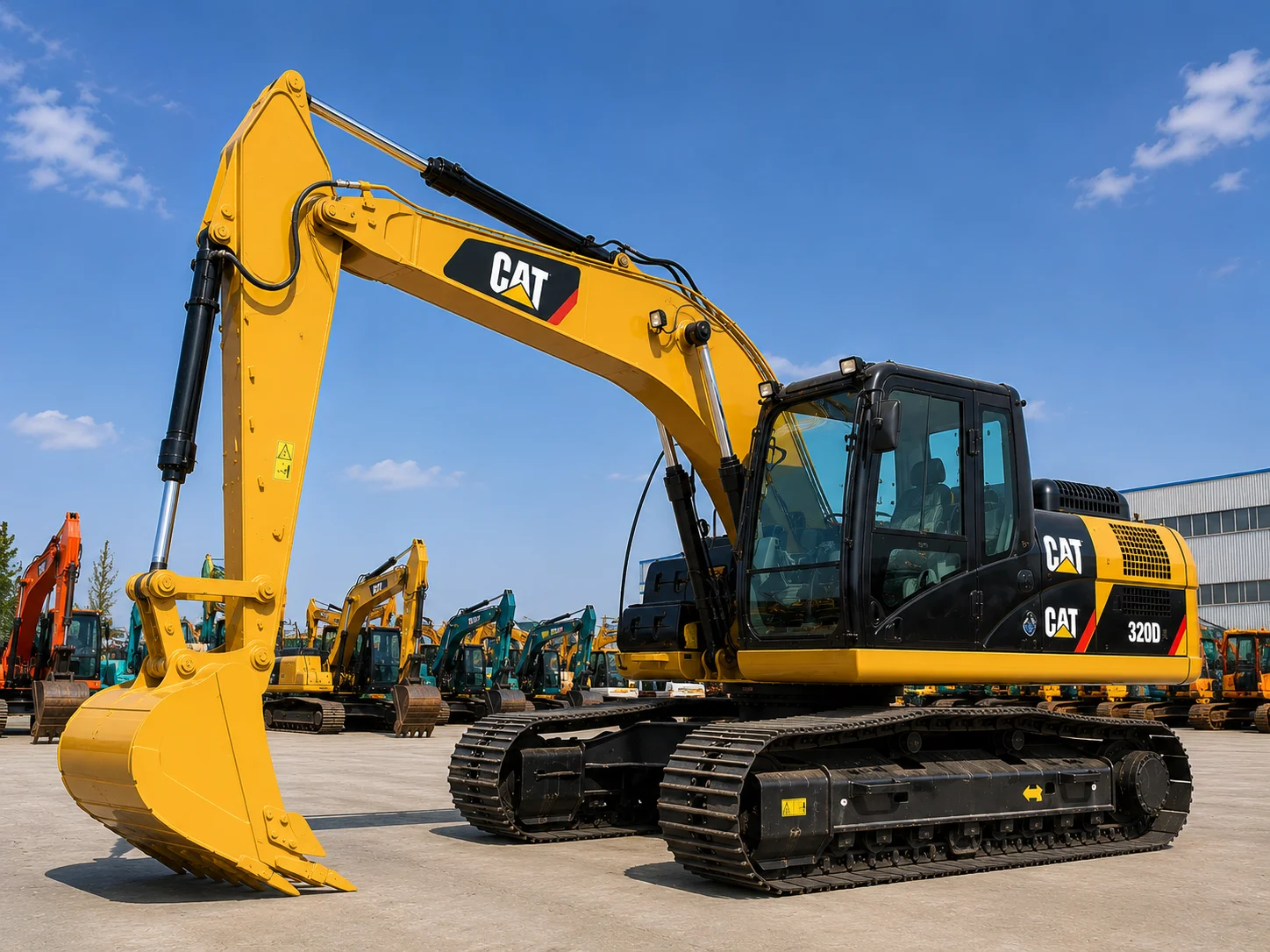
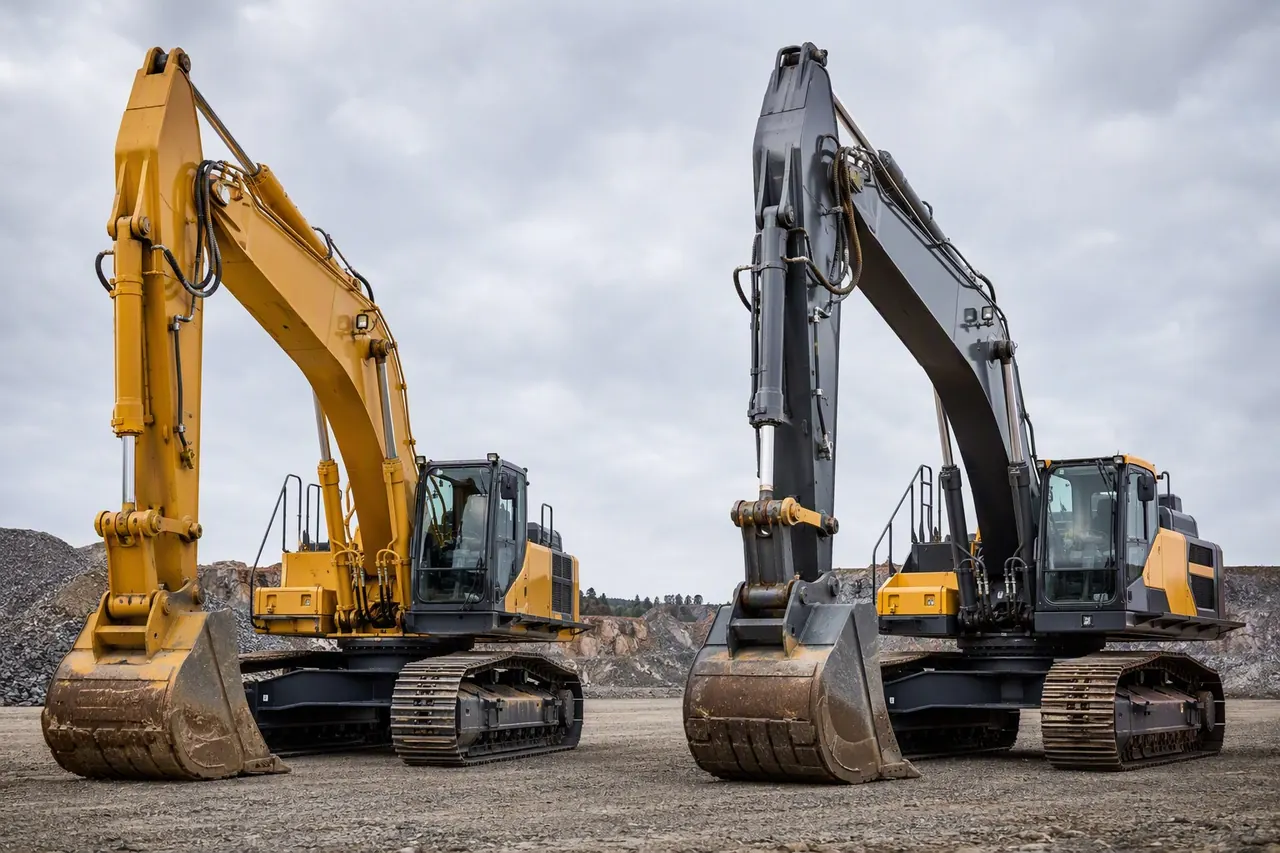
For fleet buyers scaling into the 35-ton excavator segment in 2026, the choice between the Caterpillar 336D and the Komatsu PC350 defines years of productivity and operating cost. Both machines are legendary heavyweight earthmovers, yet they solve slightly different problems. This head-to-head breakdown gives you the engineering data, wear-point intelligence, and total-cost math you need before committing capital to a used unit destined for a quarry, mine, or major civil project.
1. Overview of the 35-Ton Excavator Tonnage Class
The 35-ton class is the workhorse tier for serious earthmoving: the CAT 336D and Komatsu PC350 both deliver the reach, breakout force, and bucket capacity that mid-tier machines cannot match, making them the default choice for quarry loading and bulk excavation.
This tonnage bracket sits at the profitable intersection of transportability and raw production. Machines in the 34-37 metric ton range can still be moved on a standard lowboy trailer across most jurisdictions without exotic permits, yet they wield enough hydraulic muscle to fill 30-ton articulated haulers in four to five passes. For contractors in Africa, the Middle East, and South America, this class represents the sweet spot where a single machine can handle mass excavation, trenching for large-diameter pipe, and rock handling without needing a second machine on site. Both the 336D and PC350 were engineered during an era prioritizing mechanical durability over electronic complexity, which is precisely why the used export market prizes them: fewer emissions-related sensors and DEF systems mean easier field maintenance in regions with variable diesel quality. If you are still weighing tonnage tiers, our used machinery buyer guides break down how operating weight maps to real-world dig depth and cycle economics.
2. Engineering & Hydraulic Performance Head-to-Head
The CAT 336D wins on raw breakout force and rock penetration for tough quarry duty, while the Komatsu PC350 wins on hydraulic efficiency and smoother multi-function control, giving it an edge in high-cycle earthmoving.
At the heart of the 336D is the Cat C9 ACERT engine, tuned for torque-rich low-end grunt that translates into aggressive bucket curl and superior tear-out when biting into blasted rock or compacted shale. Operators consistently report that the 336D "feels heavier" at the bucket tip, an advantage when the job is penetration rather than speed. The Komatsu PC350, powered by the SAA6D114E series, takes a different philosophy: its HydrauMind closed-center hydraulic system distributes flow intelligently across simultaneous boom, arm, and swing movements, so combined motions stay crisp under load. This makes the PC350 noticeably faster in repetitive truck-loading cycles where the operator is swinging, curling, and booming at once. In practice, if your project is a hard-rock quarry, the CAT's brute force pays off; if it is high-volume soil and aggregate moving, the Komatsu's cycle efficiency compounds into more loads per shift. Both pair well with the workflow habits covered in our certified excavator inventory, where each unit is load-tested before export.
3. Specification & Parameter Comparison Table
Side by side, the two machines are closely matched on weight and bucket size, but diverge on fuel burn and breakout force — the numbers below distill the decision into hard data.
| Parameter | Caterpillar 336D | Komatsu PC350 |
|---|---|---|
| Operating Weight | 36.4 t | 34.6 t |
| Engine | Cat C9 ACERT | Komatsu SAA6D114E |
| Net Power | 268 hp (200 kW) | 246 hp (184 kW) |
| Bucket Capacity | 1.6 - 2.1 m³ | 1.4 - 1.9 m³ |
| Bucket Breakout Force | ~229 kN | ~216 kN |
| Max Dig Depth | 7.86 m | 7.59 m |
| Fuel Consumption | 22 - 26 L/h | 18 - 22 L/h |
| Hydraulic System | Open-center load-sensing | HydrauMind closed-center |
The headline takeaway from this table is the fuel gap. Over a 2,000-hour operating year, the PC350's 4 L/h advantage translates to roughly 8,000 fewer liters of diesel burned — a material saving that directly funds maintenance budgets in fuel-expensive markets. However, the 336D's higher breakout force and greater dig depth justify its thirst when the material is genuinely hard. Buyers should map these specs against their actual duty cycle rather than headline horsepower alone.
4. Wear Points & Inspection Focus Areas for Used Units
For used 336D and PC350 units, prioritize inspecting the hydraulic pumps, undercarriage, and boom-foot pins — these are the highest-cost failure points and the truest indicators of remaining service life.
On the Caterpillar 336D, the main hydraulic pump regulator and the swing motor deserve close attention; because this machine is often deployed in rock, the boom and stick cylinders endure repeated shock loading, so inspect chrome rods for pitting and check for internal drift by holding the arm loaded for 60 seconds. The undercarriage on rock-duty 336Ds wears fast — measure link pitch and bushing wear, and budget for track replacement if the unit came from a quarry. On the Komatsu PC350, the HydrauMind system is durable but sensitive to contaminated oil, so pull a hydraulic oil sample and check the service history for filter changes; a milky or metallic sample is a red flag. Also verify the PC350's travel motors for even tracking, a common weak point on high-hour units. For both machines, engine blow-by and turbo shaft play tell you the truth about internal engine health. Our 120-point inspection methodology and every unit's export-ready audit are designed to surface exactly these issues before a machine is shipped, protecting buyers from expensive post-import surprises.
5. Total Cost of Ownership (TCO) & Final Buyer Verdict
Over a five-year horizon, the Komatsu PC350 generally delivers lower total cost of ownership thanks to fuel efficiency, while the CAT 336D wins where parts availability and resale value matter most — the right pick depends on your region and duty cycle.
Total cost of ownership is not just the purchase price; it is diesel, wear parts, downtime, and residual value combined. The PC350's lower hourly fuel burn gives it a structural TCO advantage in earthmoving-heavy operations, and its hydraulic efficiency reduces operator fatigue and cycle-time waste. The CAT 336D counters with the most extensive global parts network on earth — in remote African and South American sites, the ability to source a CAT filter or seal kit within days rather than weeks can be worth more than fuel savings, because a machine waiting for parts earns nothing. Caterpillar units also typically command stronger resale value, softening depreciation. The final verdict: choose the 336D for hard-rock quarry work, remote sites where parts logistics dominate, and buyers who value resale; choose the PC350 for high-volume soil and aggregate moving where fuel and cycle efficiency compound over thousands of hours. Whichever you select, sourcing a professionally inspected, export-certified used unit is the single biggest lever on your real-world TCO.