In the global procurement of heavy machinery, the first and most critical decision an engineer or contractor makes is selecting the correct weight class. Choosing the wrong excavator tonnage classes can lead to massive operational inefficiencies—either through excessive fuel consumption for light tasks or underpowered performance that stalls a high-intensity job site. In 2026, the secondary machinery market has categorized earthmovers into four primary "tiers" based on their operating weight and hydraulic breakout force. This guide provides an engineering-level breakdown of these classes, helping you match the right iron to your project requirements for maximum ROI.
Excavator Tonnage Lookup Table: Quick Guide
| Class Tier | Tonnage Range | Typical Use Cases | Representative Models |
|---|---|---|---|
| Mini Excavators | 1 - 6 Tons | Urban landscaping, utilities, indoor work | CAT 303.5, Sany SY35U |
| Compact Excavators | 6 - 13 Tons | Road repairs, pipe laying, farm drainage | Hitachi ZX70, Sany SY75C |
| Standard Excavators | 13 - 30 Tons | Mass earthmoving, bridge work, foundation | CAT 320D, Komatsu PC200 |
| Heavy / Mining | 30+ Tons | Open-pit mining, rock ripping, demolition | CAT 336, Volvo EC380 |
Mini Excavators (1-6T): Use Cases
Mini excavators represent the fastest-growing segment of excavator tonnage classes. These machines are defined by their zero-tail-swing capabilities and compact footprints, allowing them to operate in single lanes of traffic or through standard garden gates. In the 2026 secondary market, used units like the CAT 303.5E are highly sought after for urban fiber-optic installation and landscaping projects. The primary advantage of a mini is its ease of transport; most can be moved on a standard flatbed truck or trailer without specialized permits. Despite their small size, modern minis feature advanced hydraulic pilot controls that allow for surgical precision in delicate pipe-trenching operations where zero damage to existing utilities is a non-negotiable requirement.
Compact Excavators (6-13T): Use Cases
The compact or midi class (6-13 tons) serves as the bridge between light utility and heavy earthmoving. These machines offer significantly more breakout force and reach than a mini while maintaining a relatively small operational radius. For contractors working on municipal road repairs or agricultural drainage, a model like the Used Hitachi ZX70 provides the optimal balance of power and agility. In 2026, many B2B buyers in Southeast Asia and Africa are prioritizing this tonnage class for its high ROI in road shoulder maintenance and bridge abutment work. They are heavy enough to handle a 0.3 m³ bucket effectively but agile enough to avoid the parasitic transport costs associated with 20-ton machines.
Standard Excavators (13-30T): Use Cases
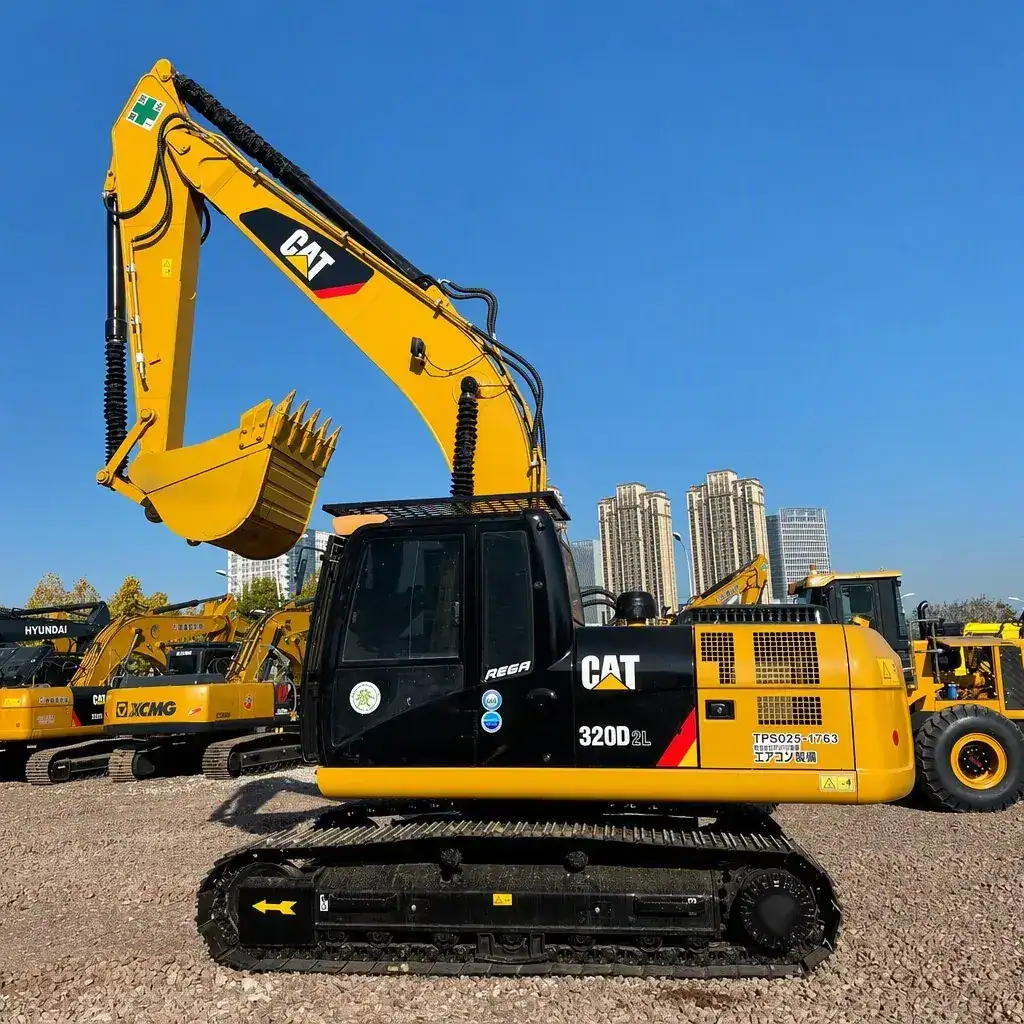
The 13-30 ton range is the "commonly considered" of excavator tonnage classes, accounting for over 30% of the global fleet volume. This class, dominated by legends like the Caterpillar 320D and the Komatsu PC200/210, is the workhorse of industrial construction. Whether it is mass excavation for high-rise foundations or loading high-volume hauler trucks, the standard excavator offers the hydraulic flow and boom reach required for used all site applications. In the 2026 used market, documented used units in this class are prized for their structural durability and massive resale liquidity. For a B2B importer, owning a standard 20-ton excavator is like having a "cash-equivalent" asset that can be deployed on almost any job site in the world.
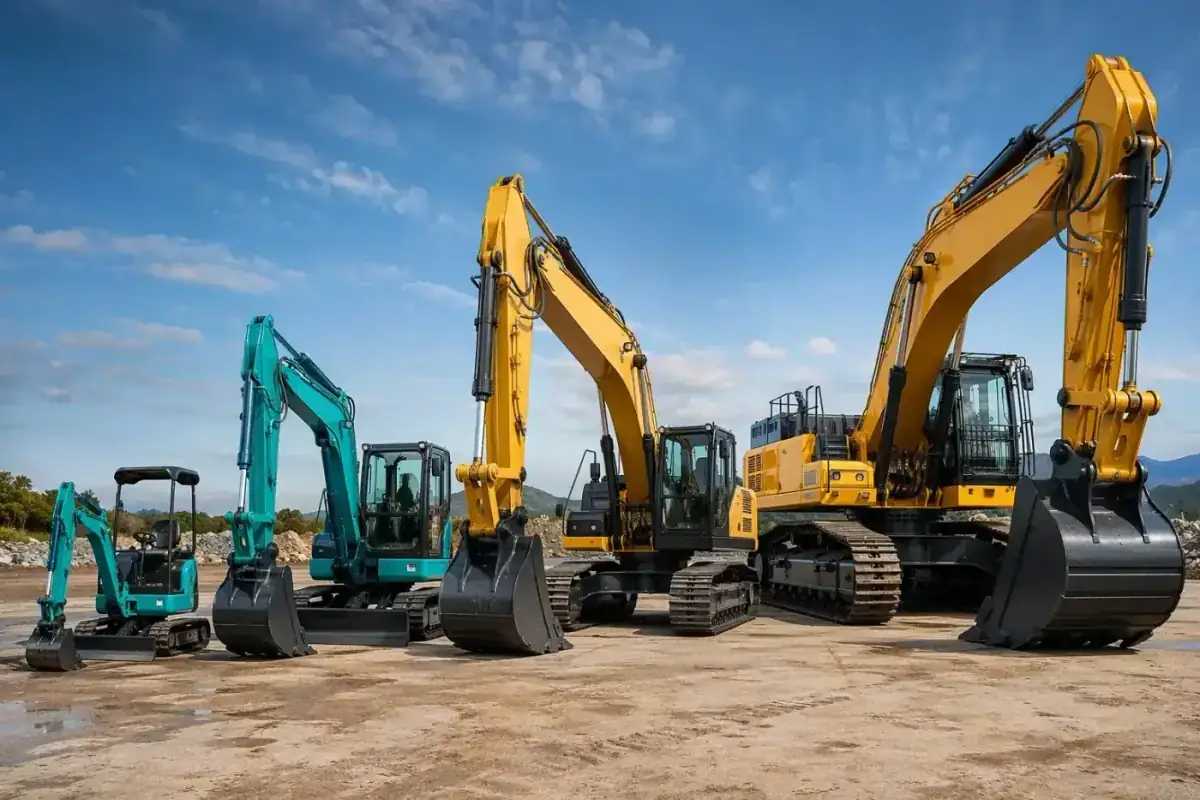
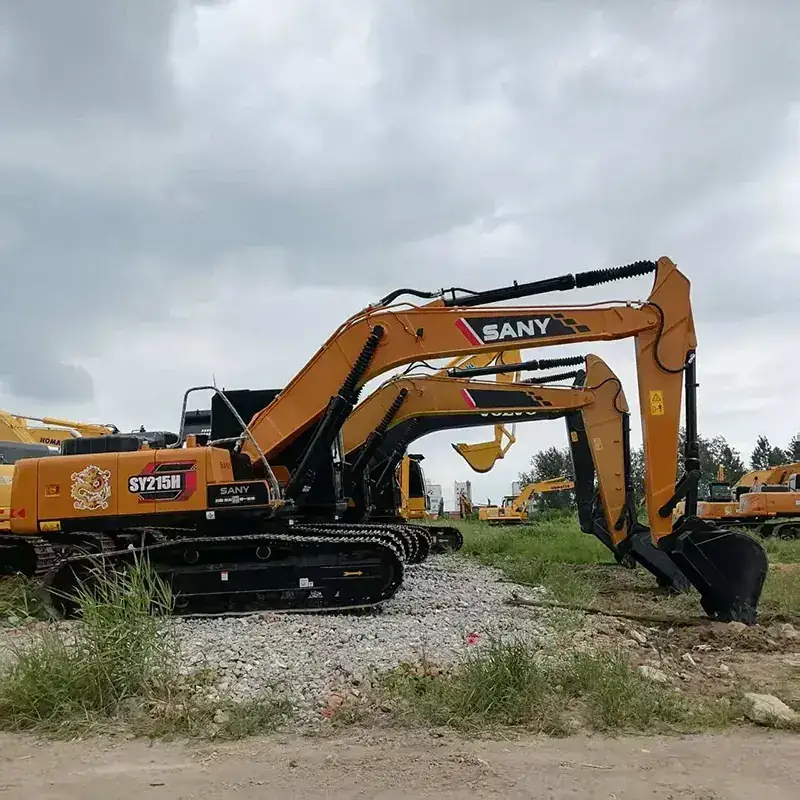
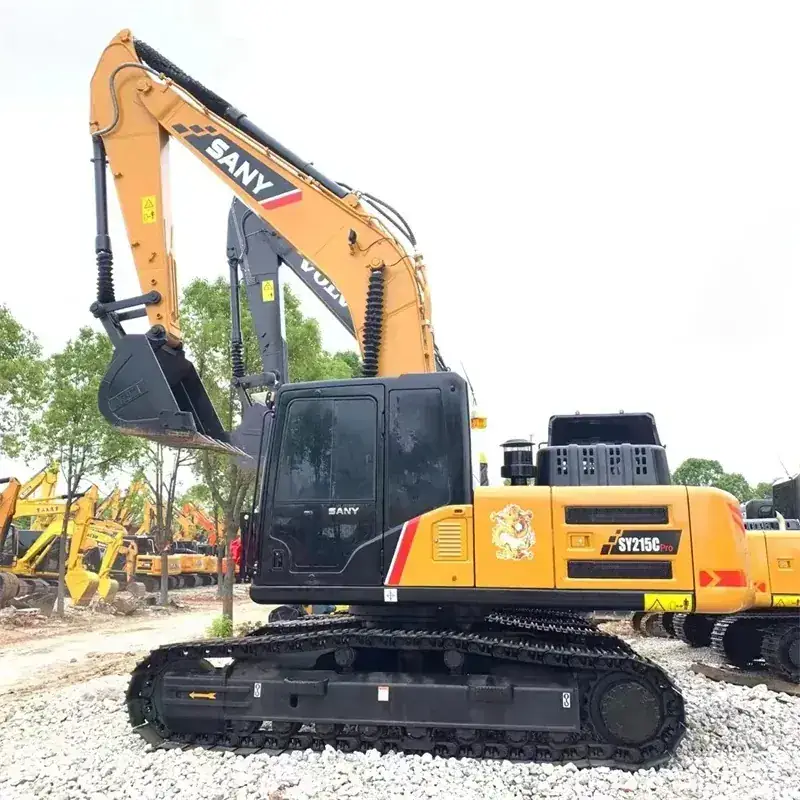
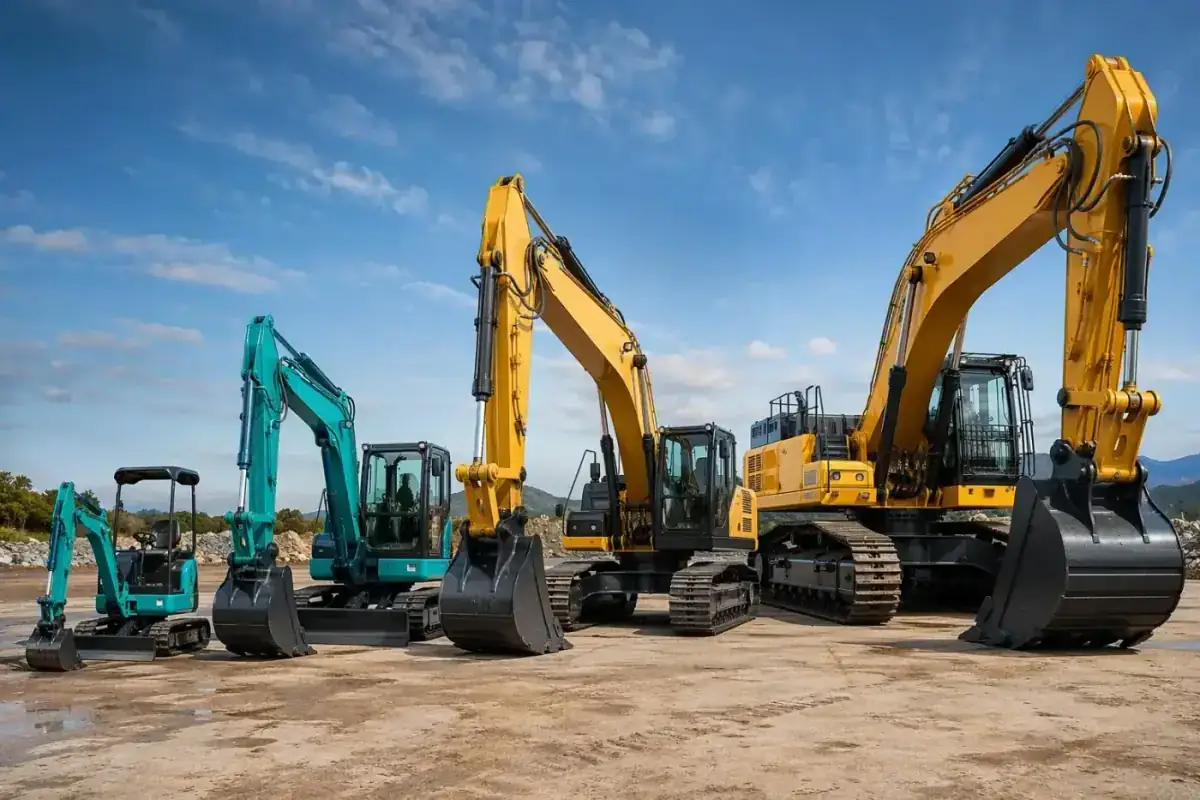
Figure 1: Visualizing the scale of different excavator tonnage classes to ensure the correct machine-to-project match.
Heavy/Mining Excavators (30T+): Use Cases
Import classification, duties, age rules, inspection requirements, and customs documents vary by destination and date. Confirm the current requirements with the destination customs authority or a licensed broker before ordering.
How to Match Tonnage to Your Project Type
Matching your project to the correct excavator tonnage classes is an exercise in efficiency. To help you navigate our inventory, use this project-matching guide:
- Urban Pipe/Cable Laying: Choose Mini Excavators (1-6T) for zero-tail-swing agility.
- Road Shoulder & Drainage: Opt for Compact Excavators (6-13T) for the best balance of power and transportability.
- Foundation & Mass Excavation: Utilize Standard Excavators (13-30T) for maximum breakout force.
- Quarrying & Mining: Deploy Heavy Excavators (30T+) for high-tonnage production and rock ripping.
- Demolition: Typically requires 20-30T Standard Units equipped with specialized hydraulic shears.
Frequently Asked Questions (FAQ)
Q: What is the most popular of all excavator tonnage classes for export?
A: The 20-ton Standard class (13-30T) is the #1 exported category worldwide, as it fits the widest range of industrial construction needs.
Q: Does higher tonnage always mean higher fuel consumption?
A: Generally, yes. However, a 20-ton machine doing a heavy job efficiently will often use less fuel than an 8-ton machine struggling at its hydraulic limit for the same task.
Q: Can a mini excavator be used for foundation work?
A: Only for very small residential foundations. For standard commercial foundations, the digging depth and breakout force of a 13-30T unit are required.
Q: How does tonnage affect shipping costs?
A: Mini and Compact units can often fit into standard containers. Standard and Heavy units require specialized Flat Rack or RoRo shipping, which increases freight costs.
Q: What is the best tonnage for mining?
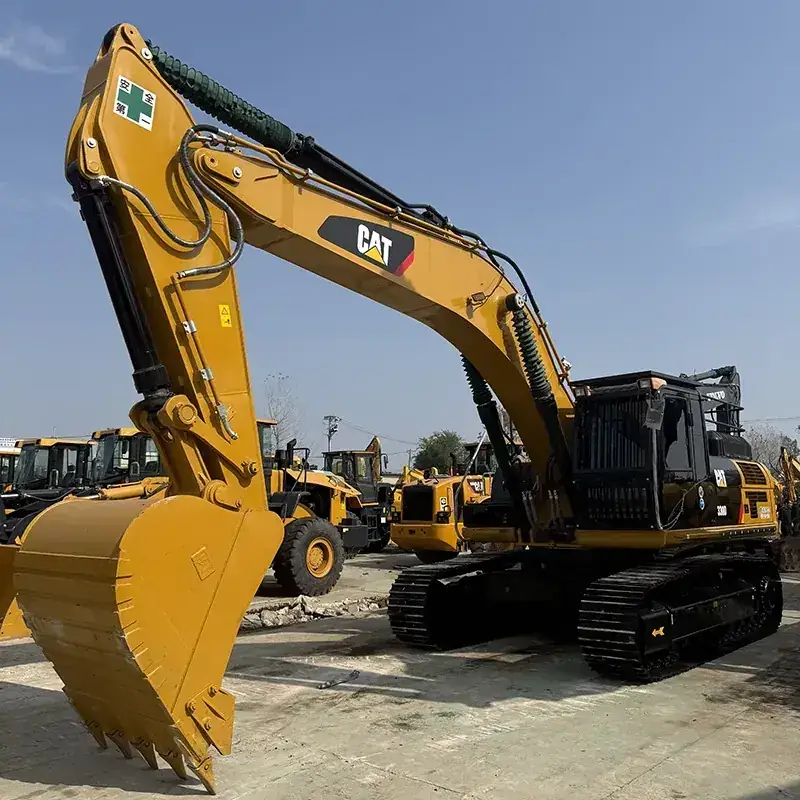
A: For serious mining production, 30 tons is the entry point. Most high-production quarries prefer 36 to 45-ton machines like the CAT 336 or 349.
Q: Are the tonnage classes the same across all brands?
A: Most brands (CAT, Sany, Komatsu) follow the same general categories, but the exact cut-off for "Mini" vs "Compact" can vary by 1-2 tons between manufacturers.
Inventory Highlights by Class
Used Sany SY35U
The mini-class leader. Zero-tail swing, perfect for urban projects.
View Mini Class →Used Caterpillar 330D
Heavy-class mining titan. Reinforced boom for high-intensity work.
View Heavy Class →Get Your Project-Matched Quote Today
Not sure which of the excavator tonnage classes fits your budget? Get a professional consultation from our Shanghai export yard.