Pricing and freight are quoted for the exact unit and destination at the time of inquiry. Condition, loading method, carrier availability, insurance, and port charges can change the landed cost.
Table of Contents
What Does CIF Mean?
Import classification, duties, age rules, inspection requirements, and customs documents vary by destination and date. Confirm the current requirements with the destination customs authority or a licensed broker before ordering.
What Does FOB Mean?
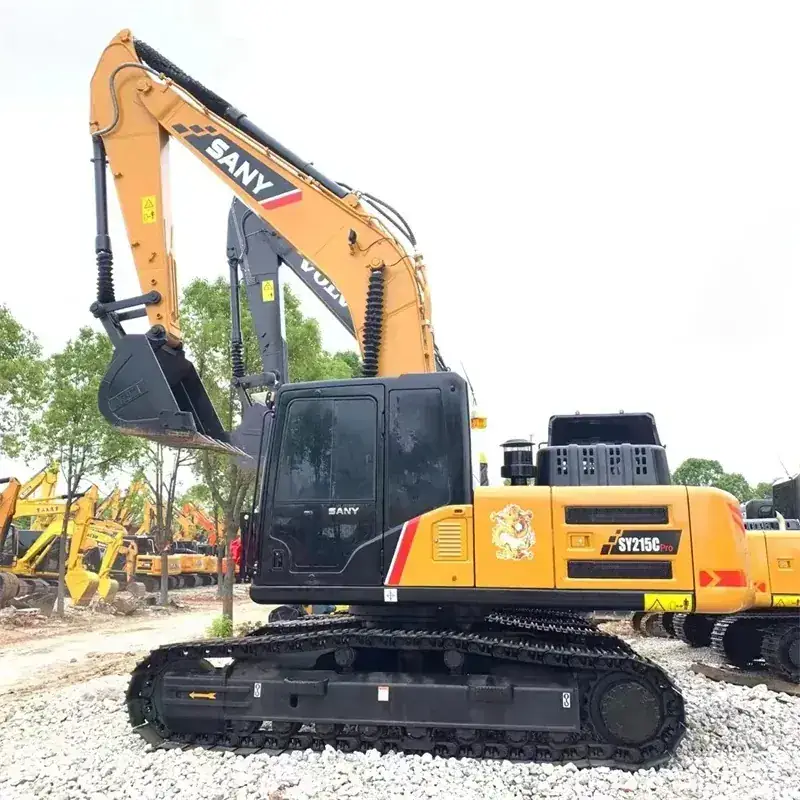
FOB (Free on Board) offers a balance of control and cost-transparency. When you choose FOB for a machine like the Used Sany 215C Pro, the seller's responsibility is to deliver the excavator to the port and clear it through Chinese export customs. Once the machine is "on board" the vessel, the seller’s job is done. From that micro-second onward, you (the buyer) are responsible for the ocean freight, the marine insurance, and all costs at the destination port. The primary advantage of CIF vs FOB excavator sourcing is control over the shipping schedule. If you have a preferred freight forwarder or a high-volume contract with a specific carrier, FOB allows you to manage the transit times and choose the specific vessel. This is particularly useful for large-scale mining contractors who need to synchronize multiple machine arrivals with their project start dates. However, you must ensure your forwarder is experienced with heavy equipment lashing, as you now bear the risk of transit damage if the insurance isn't properly placed.
What Does EXW Mean?
EXW (Ex Works) represents the minimum obligation for the seller and the maximum responsibility for the buyer. Under EXW, the Used Kobelco SK210LC is made available at our Shanghai export yard. You are responsible for the domestic trucking in China, the export customs declaration, the terminal fees, the ocean freight, and the insurance. EXW is generally only recommended for multinational companies that already have a dedicated logistical presence in China. For most international buyers, EXW is risky because it requires you to navigate Chinese export regulations and port procedures from thousands of miles away. While the machine's "sticker price" will be the lowest under EXW, the total landed cost often ends up being higher due to the complexity of managing domestic Chinese logistics without local expertise. We typically advise our B2B clients to avoid EXW unless they are consolidating multiple machines from different suppliers into a single specialized shipment.
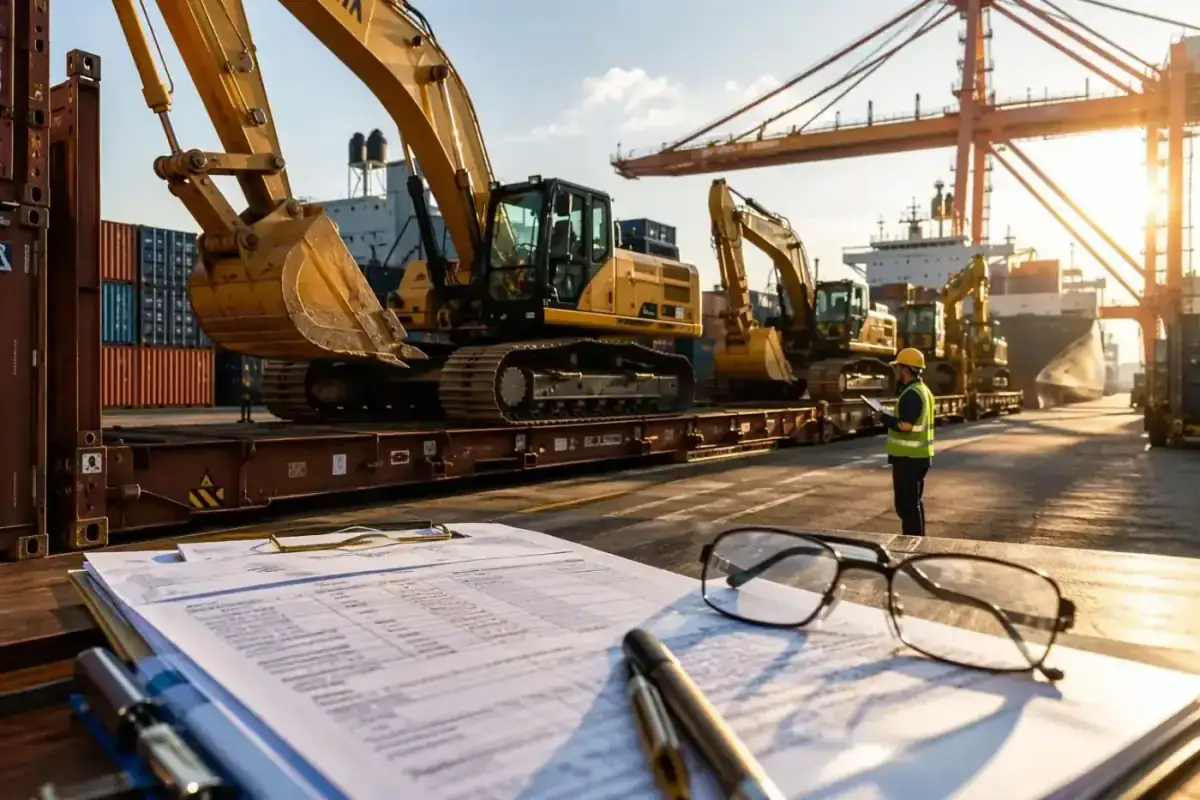
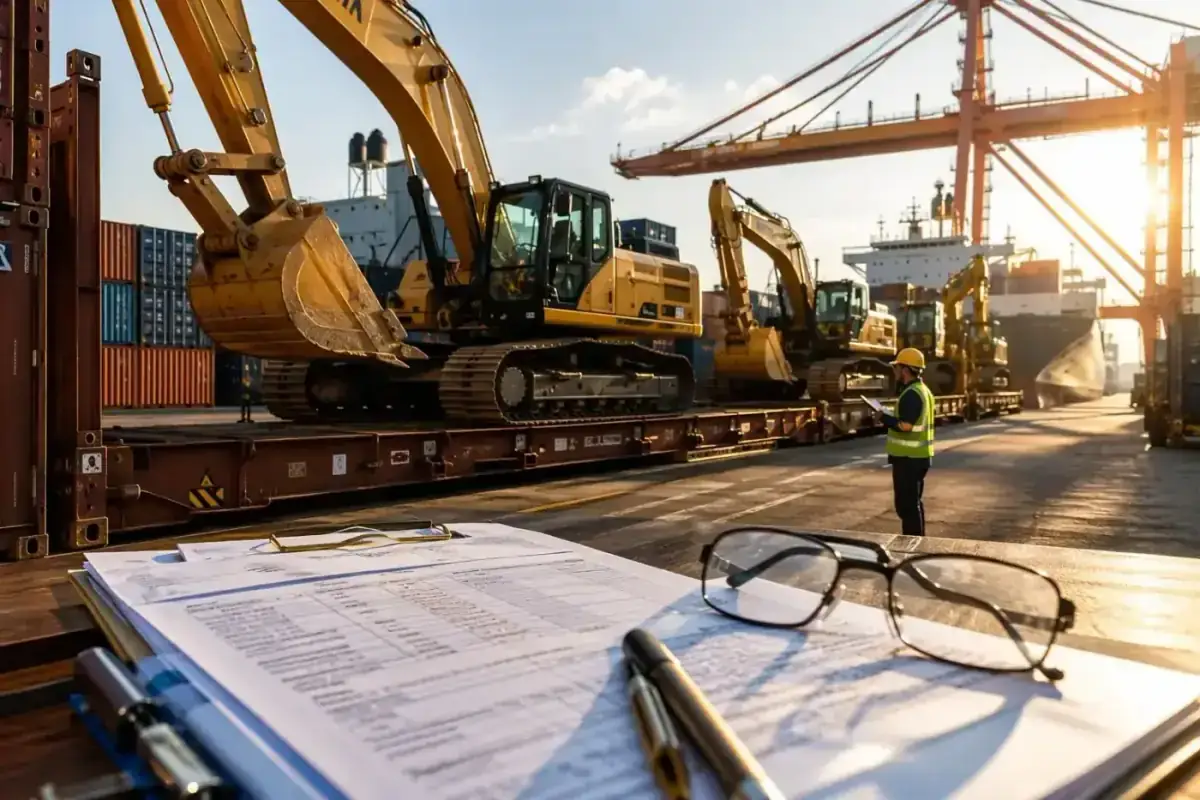
Figure 1: Professional documentation and port logistics represent the core of the CIF vs FOB excavator decision process.
Side-by-Side Cost & Risk Comparison Table
| Expense / Responsibility | EXW (Yard) | FOB (Port) | CIF (Destination) |
|---|---|---|---|
| Export Customs & Docs | Buyer Pays | Seller Pays | Seller Pays |
| Ocean Freight | Buyer Pays | Buyer Pays | Seller Pays |
| Marine Insurance | Buyer Pays | Buyer Pays | Seller Pays |
| Risk Transfer Location | Seller's Yard | On Board Ship | On Board Ship |
Which One Should a First-Time Buyer Choose?
For first-time importers of used documented machinery, the answer to CIF vs FOB excavator sourcing is almost always CIF. Importing heavy equipment involves more than just picking a ship; it involves specialized Flat Rack lashing, managing "dead freight" penalties, and understanding the specific export customs requirements for machinery with diesel engines. By choosing CIF, you transfer the logistical complexity to the exporter. HEAVY MACHINERY PRO maintains a dedicated export documentation department that manages the entire pipeline, ensuring that your Bill of Lading, Certificate of Origin, and Commercial Invoices are synchronized perfectly. This prevents "demurrage" (port storage fees) which can quickly escalate to hundreds of dollars per day if your paperwork is rejected at customs. Once you have imported 5 or more units and have established a reliable relationship with a global freight forwarder, moving to FOB might offer you slightly more control, but for the majority of B2B buyers, the "peace of mind" and insurance protection of CIF are well worth the small administrative premium.
Frequently Asked Questions (FAQ)
Pricing and freight are quoted for the exact unit and destination at the time of inquiry. Condition, loading method, carrier availability, insurance, and port charges can change the landed cost.
Q: Who arranges insurance under CIF?
A: Under CIF, the seller (exporter) is legally required to arrange and pay for marine insurance. We typically provide a policy that covers the invoice value to ensure our buyers are fully protected against total loss or structural damage during the maritime voyage.
Pricing and freight are quoted for the exact unit and destination at the time of inquiry. Condition, loading method, carrier availability, insurance, and port charges can change the landed cost.
Incoterm-Ready Inventory
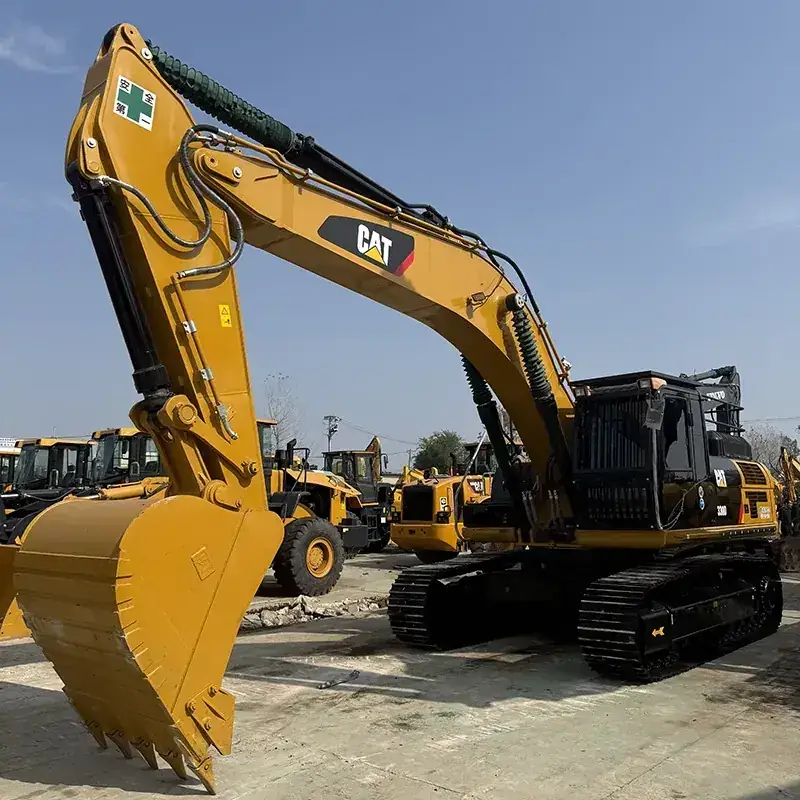
Used Caterpillar 330D
Available for immediate CIF shipping with marine insurance included.
View Shipping Options →Used Sany 215C Pro
FOB Shanghai or CIF worldwide available. Documented low hours.
Check Availability →Get a Transparent CIF Quote Today
Don't guess your shipping costs. Get an all-inclusive technical quote for your target machine, delivered to your nearest port.
Request Logistical Quote