Komatsu vs Caterpillar vs Hitachi vs Volvo: Which Used Excavator Brand Lasts Longest?
In the high-stakes world of global construction and mining procurement, the choice of brand is the single most influential factor in determining your long-term project profitability. As we move into 2026, the question of which best used excavator brand truly offers the highest structural longevity and resale liquidity is more relevant than ever. B2B importers are no longer just buying "iron"—they are buying an engineering ecosystem that must survive harsh duty cycles, varying fuel qualities, and 5,000+ operational hours. This definitive guide provides a technical head-to-head comparison of the "Big Four" industry titans: Komatsu, Caterpillar (CAT), Hitachi, and Volvo. We analyze their mechanical DNA, parts accessibility, and common fatigue points to help you choose the right workhorse for your fleet.
Quick Sourcing Conclusion:
- For Extreme Durability & Resale: Choose Caterpillar (CAT)—the industry benchmark for hard rock and mining.
- For Fuel Economy & Precision: Choose Komatsu—the master of hydraulic efficiency and grading.
- For Speed & Operator Comfort: Choose Hitachi (High-speed cycles) or Volvo (Premium ergonomics).
Table of Contents
Komatsu: Strengths & Known Weak Points
Komatsu is often celebrated as the surgical tool of the excavator world. Its primary strength lies in its proprietary HydrauMind™ system—a closed-center load-sensing hydraulic architecture that provides millisecond-accurate multifunction control. Contractors sourcing a Used Komatsu PC210 prioritize its industry-leading fuel efficiency, often consuming 10-15% less diesel than older mechanical models. Komatsu engines (like the SAA6D series) are engineered for low-noise urban infrastructure and high-precision grading work. However, their complexity is their known weak point. The high-precision electronics and the KOMTRAX telematics system require original OEM diagnostic tools for major troubleshooting. If your project is located in an extremely remote region with zero technician support, the electronic sensitivity of a modern Komatsu can lead to downtime if sensors aren't maintained with original Komatsu filters and fluids. For B2B importers, Komatsu represents the pinnacle of technology, provided you have access to a verified service network.
Caterpillar: Strengths & Known Weak Points
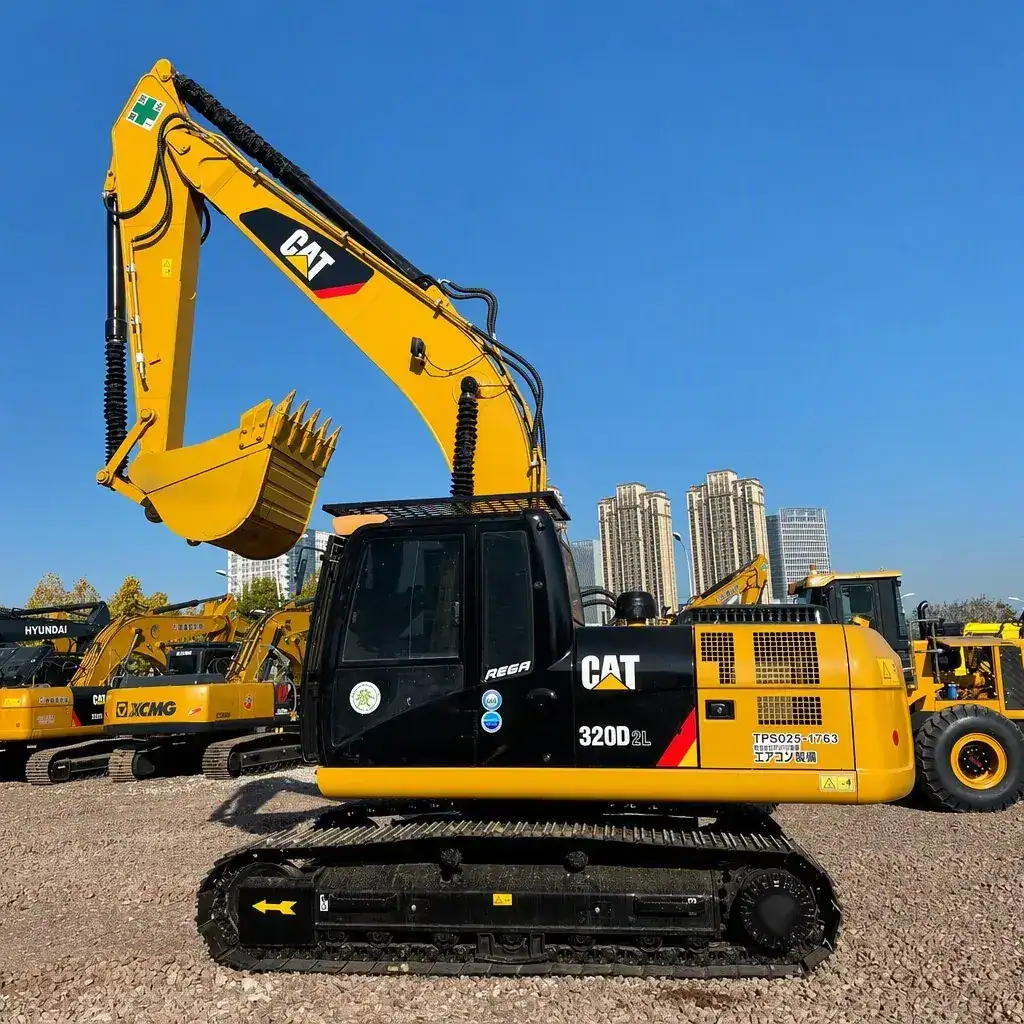
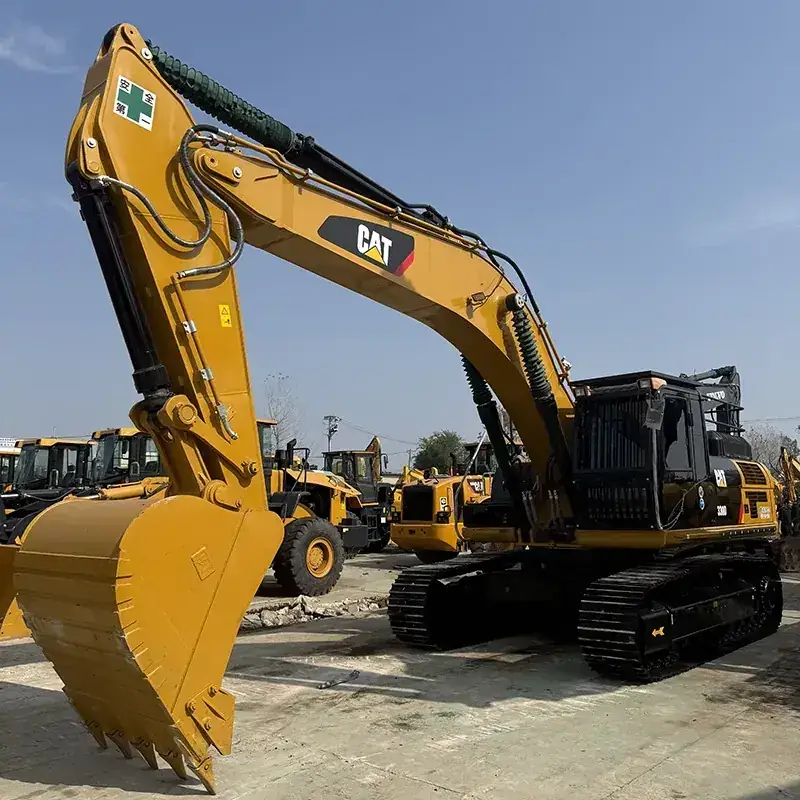
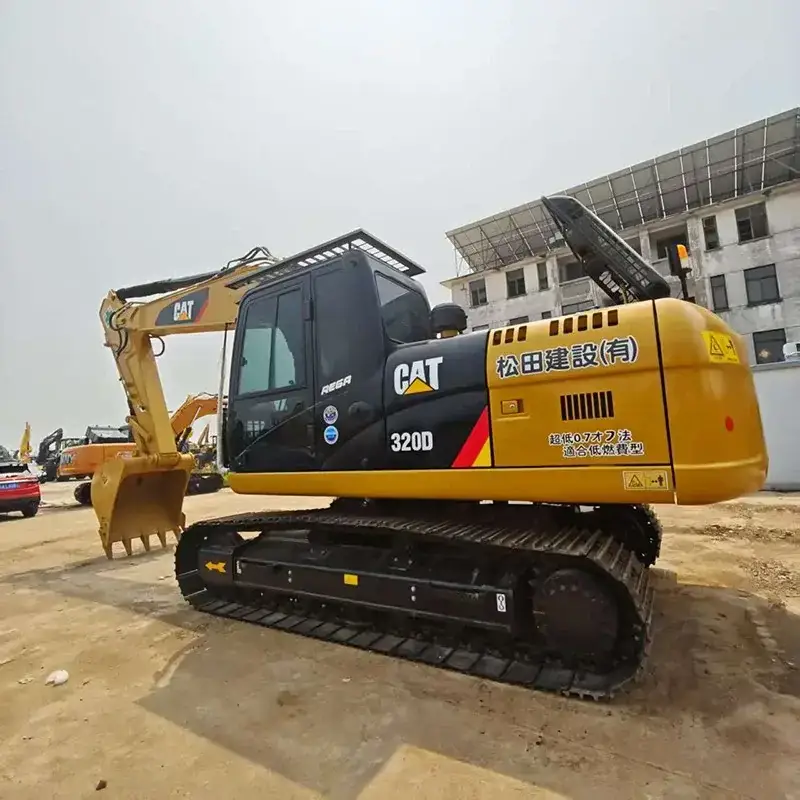
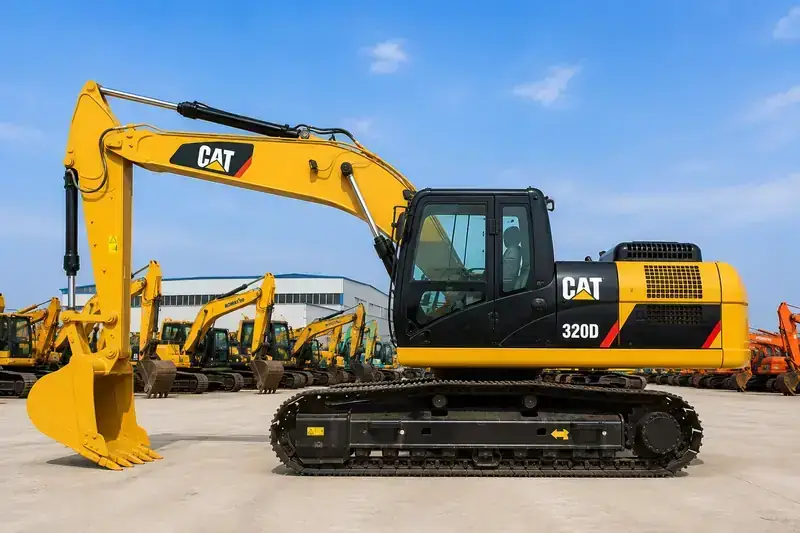
Caterpillar (CAT) is the undisputed king of durability in the used excavator market. The "Iron for Decades" philosophy is evident in machines like the Used Caterpillar 330D, which features a significantly heavier-duty undercarriage and reinforced boom-weldments compared to its Japanese peers. CAT’s ACERT™ engine technology is designed to deliver massive torque at low RPM, allowing it to rip through hard clay and rock where lighter machines stall. The main strength of CAT is its global parts availability—you can find a CAT dealer in virtually any commercial port in the world. The known weak point of CAT excavators, particularly the older D and E series, is their fuel consumption. While incredibly powerful, they are often thirstier than a Komatsu. Furthermore, because of their massive global demand, the "sticker price" for a certified 95% new CAT is higher than any other brand. You are paying a premium for the highest resale liquidity in the machinery world—a used CAT is effectively a liquid asset that holds its value for 10,000+ hours.
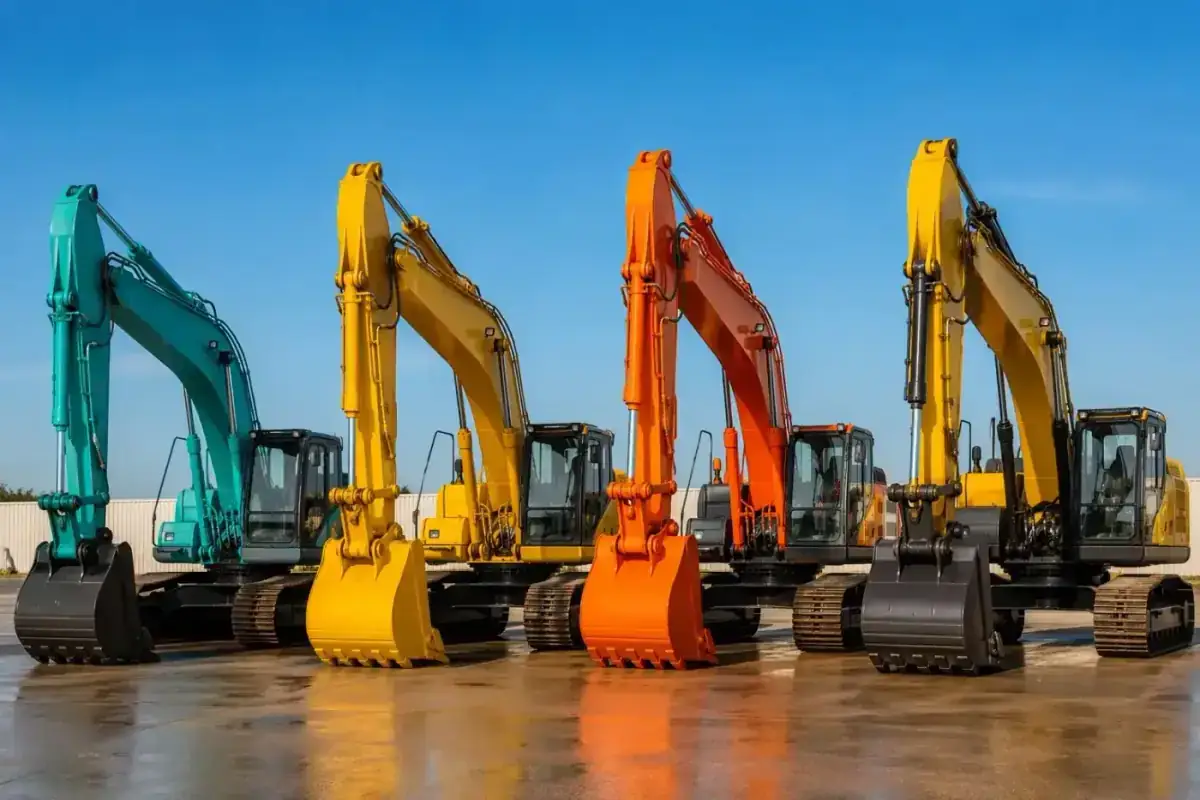
Figure 1: The 'Big Four' heavy equipment titans lined up for a technical audit in our Shanghai export facility.
Hitachi: Strengths & Known Weak Points
Hitachi excavators are the "Ferraris" of the dirt-moving world. Their HIOS III hydraulic system is legendary for producing the fastest cycle times in the industry, making a Used Hitachi ZX200 the favorite choice for truck loading and high-volume earthmoving. Hitachi focuses heavily on the "Human-Machine Interface," resulting in cabins that offer superior visibility and responsive pilot controls that reduce operator fatigue. Their use of Isuzu engines is a major mechanical strength, as Isuzu power plants are globally recognized for being easy to service and highly reliable. The known weak point for Hitachi is the undercarriage longevity in abrasive rock mining. While the hydraulics are master-class, the standard Hitachi undercarriage (track links and rollers) tends to wear slightly faster than a heavy-duty CAT undercarriage if operated 24/7 on granite or basalt. For contractors in general infrastructure, road building, and utility work, the cycle-speed profit of a Hitachi outweighs its maintenance schedule, but for 24/7 quarrying, reinforced undercarriage options are mandatory.
Volvo: Strengths & Known Weak Points
Volvo has carved out a premium niche by focusing on Total Cost of Ownership (TCO) and operator health. The Volvo "Care Cab" is widely considered the quietest and most ergonomic in the industry, which is a critical factor for contractors who run 12-hour shifts. The Used Volvo EC380DL utilizes the high-torque Volvo D13 engine, which delivers its peak power at very low RPM, resulting in exceptional fuel savings. Volvo’s structural integrity is another major strength; they utilize high-tensile steel in their booms that resist stress-fractures even in extreme cold climates. The known weak point for Volvo used to be parts pricing. While parts availability has improved significantly in 2026, original Volvo components can still be more expensive than aftermarket CAT or Komatsu alternatives. This makes sourcing a "95% New" certified unit from a reputable yard essential, as it minimizes the need for immediate component replacement. Volvo is the strategic choice for the "Green Economy"—contractors who need to meet strict emission standards and fuel-efficiency targets on high-profile government tenders.
Side-by-Side Brand Comparison Table
| Criteria | Caterpillar (CAT) | Komatsu | Hitachi | Volvo |
|---|---|---|---|---|
| Reliability (Heavy) | Excellent (Benchmark) | Very High | High | High |
| Parts Availability | Global Top 1 | Global Top 2 | Excellent (Isuzu) | Good / Regional |
| Fuel Efficiency | Average (High Power) | Excellent (Leading) | High (Cycle Optimized) | Excellent (Low RPM) |
| Resale Value | Highest (Premium) | High | Stable | Medium-High |
| Typical Failure | Fuel Injectors (Older) | Controller Sensors | Undercarriage (Rock) | Hydraulic Hose Blips |
Frequently Asked Questions (FAQ)
Q: Which used excavator brand has the cheapest spare parts?
A: Caterpillar (CAT) and Komatsu have the most extensive aftermarket parts networks globally, often making their maintenance parts the most competitively priced and easiest to source in remote areas.
Q: Which brand has the highest resale value after 5,000 hours?
A: Caterpillar (CAT) consistently maintains the highest resale value in the best used excavator brand rankings. Its structural durability ensures it remains a liquid asset even with higher operational hours.
Q: Is Komatsu better than Hitachi for mining?
A: For precise digging and fuel economy, Komatsu leads. However, for high-speed mass earthmoving and truck loading, Hitachi’s faster cycle times often yield higher daily production rates.
Q: Is Volvo reliable for used machinery export to Africa?
A: Yes, Volvo machines are extremely robust. However, B2B buyers in Africa must ensure they have a reliable supply chain for original Volvo filters and sensors to maintain the machine's high-tech efficiency.
High-Performance Inventory by Brand
Used Caterpillar 330D
The resale king. 95% New condition, original paint, certified durable.
View CAT Details →Used Komatsu PC210
The efficiency master. Precision hydraulics, certified low hours.
View Komatsu Details →Invest in a Certified Fleet Today
Don't settle for unverified iron. Source 95% new certified assets from CAT, Komatsu, Hitachi, and Volvo from our premium Shanghai hub.